News
Charity walks for life: sport, remembrance and solidarity
Everything needed for a charity walk, from registration and route details to physical preparation and donations.

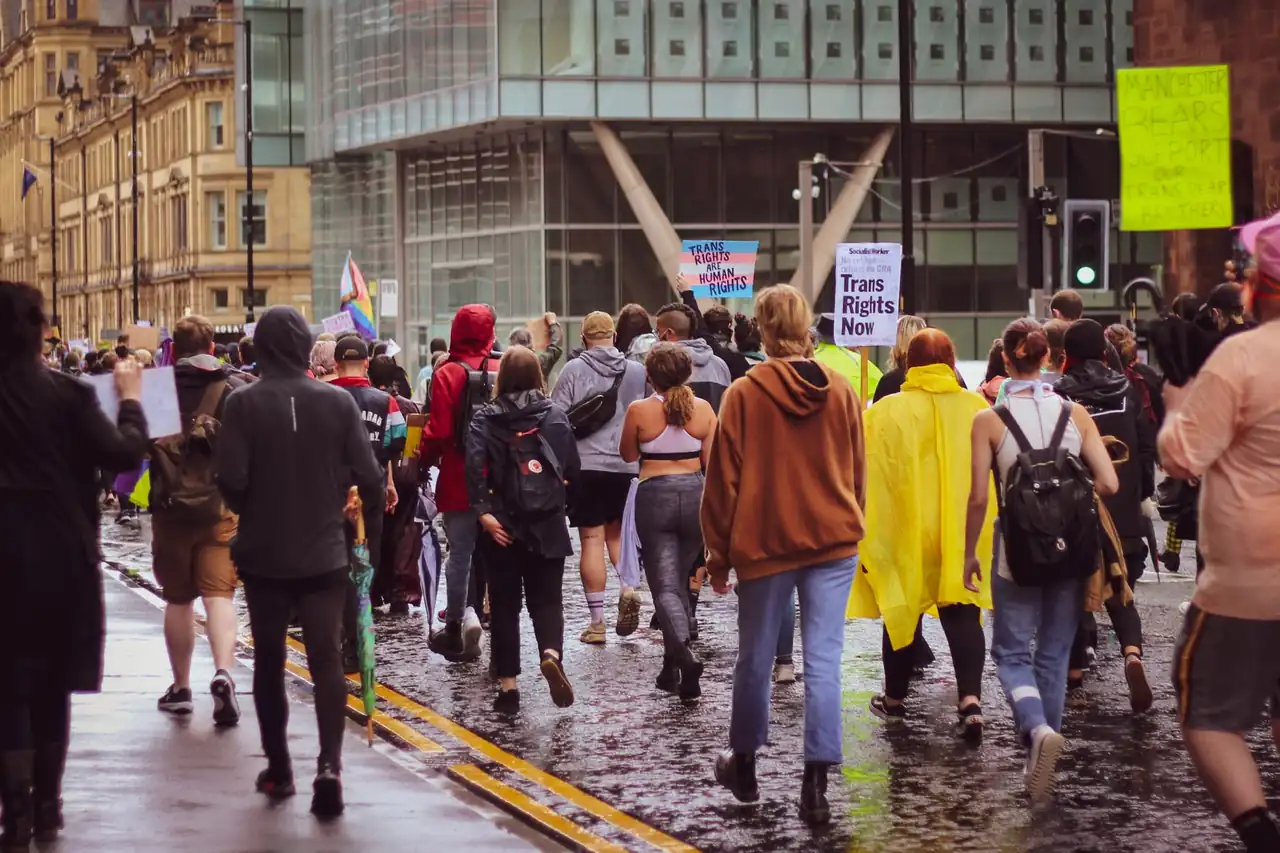
Charity walks through Spanish streets and squares turn exercise into a visible form of support. Families, recreational runners, older people and those facing illness move together for a few kilometres to raise funds, remember those who are no longer here and defend research. A charity walk for life is not measured only in minutes or finishing positions: its result can be seen in the projects it supports and in the public conversation it creates.
The calendar includes events with very different formats. Some combine a 5-kilometre popular race with a walking route; others offer a non-competitive urban course with music, family activities and a meeting point at the finish. There are also events linked to cancer associations, patient groups, child support organisations or social care projects. The decisive information is normally found in the official announcement: date, city, distance, price and destination of the funds should be clearly identified before registration is completed.
What a charity walk for life represents
The name is used for sporting and participatory activities whose main purpose is to support a cause connected with health or people’s welfare. It is not always a competitive race. In many cases, the route is designed for walking, conversation and participation by people with very different fitness levels. The race number acts as a symbolic entry to a shared day, not as a promise of performance.
The range of causes explains why not all events are the same. One organisation may direct money to cancer research, while another funds psychological care, physiotherapy, family support or awareness activities. At an event held in Cantabria, for example, a breast cancer march brought together thousands of people and channelled 20,000 euros to research through the Valdecilla Health Research Institute. That contribution shows how one morning of participation can have effects long after the start and finish areas have been dismantled.
The emotional component is also part of the event, although it should not be confused with pressure. Banners, names on shirts and patient testimonies make visible a reality often confined to clinics and homes. Walking together reduces some of the isolation experienced by affected people and gives relatives and friends a shared space to show support without turning illness into a spectacle.
Main formats and their differences
A single event may include both a popular race and a march. The first usually has a separate start, results and a faster pace; the second remains open to everyone and allows participants to complete the course on foot. In San Martín de Montalbán, Toledo, the fourth Carrera por la Vida scheduled for April 3, 2026, combines a 5-kilometre race with a charity walk. The public registration information lists a price of 6 euros for the race and 4 euros for the walk.
In other cases, organisers present one route of roughly 5 kilometres that participants can run or walk. This format frequently appears in breast cancer initiatives. The Carrera por la Vida organised by Asamma in Vitoria, for example, proposes a simple route starting at Paseo de Cervantes and welcomes families and pets. The registration fee reported for that edition was 10 euros, while separate donations could be made from 5 euros.
Some announcements have not yet published the final distance, profile or services. In those situations, it is not advisable to fill gaps with assumptions. An urban route may seem easy, but surface, heat, gradients and waiting time change the experience. The difference between confirmed information and an estimate is especially important for people with reduced mobility, families with pushchairs or participants who need to know in advance where water and toilets are available.
How to check an event before registering
The main source should be the organising association’s website or the registration platform linked from it. It should state the day, start time, exact location, formats, route, fee and participation rules. Some groups manage registration through sports platforms, while others use a physical office, bank account or their own form. The registration channel should match the one announced by the organiser, especially when posters are widely shared on social media.
The beneficiary cause deserves equally careful checking. It is not enough for the event name to contain words such as life, hope or solidarity. The rules or institutional information should explain who receives the money and how it will be used. It may go to a specific research project, an association’s services or several initiatives. Transparency does not take emotion away from the event; it allows each contribution to have a clear meaning.
The opening and closing dates for registration are usually different from the event date. In the San Martín de Montalbán announcement, the stated period began on February 27, 2026, at 11:30 a.m. and ended on April 1 at 3 p.m. These times can change if the participant limit is reached or the organiser modifies the registration system. The payment receipt, confirmation email and instructions for collecting the race number should be kept until after the activity.
The policy for changes also matters. Heavy rain, a heat warning, safety problems or health circumstances may force an event to be postponed. The rules should explain whether the fee is refunded, whether registration remains valid for another date or whether the contribution goes directly to the cause. When in doubt, questions should be addressed to the organising body, which is responsible for event-specific matters.
Physical preparation for walking or running
A charity route does not require the same training as a road race with a time goal, but it is not entirely separate from physical effort. Walking for an hour, standing before the start and completing several kilometres can cause fatigue in sedentary people. A sensible approach is to gradually increase time spent moving without turning a participatory activity into a sporting obligation.
Someone planning to walk can begin with 25- or 30-minute outings and gradually extend one weekly session towards 60 minutes. The right pace allows conversation without constant breathlessness. Runners can alternate easy running with walking, particularly when the event is an opportunity to return to activity. Consistency matters more than intensity when the aim is to reach the finish feeling well and without discomfort.
Basic strengthening for the legs and trunk can improve tolerance for gradients and prolonged standing, although a short walk does not require a complex training plan. Controlled sit-to-stand movements, stair climbing or simple balance exercises are common stimuli for healthy people. If persistent pain, swelling, dizziness or unusual breathing difficulty appears, activity should stop and medical advice should be sought.
People receiving medical treatment, living with a chronic condition or recovering from surgery need to adapt participation to clinical guidance. Solidarity does not require anyone to complete the route or maintain a particular pace. Sometimes being present at the start, covering part of the course or accompanying someone is already a valid way to take part.
Shoes, clothing, hydration and safety
Footwear should be comfortable and tested beforehand. For an urban course, walking or running shoes with suitable cushioning and an outsole for pavement are usually enough. Trail shoes do not automatically offer an advantage on pavements and streets, and wearing any new model on event day increases the risk of blisters. Breathable socks without pressure points can prevent problems that are small but unpleasant.
Clothing depends on the season, but the principle is stable: light, breathable and adjustable garments. On sunny days, a cap, sunglasses and sunscreen applied before departure are useful. In spring, a cool morning can become a hot midday, so a light layer is more practical than one heavy garment. The weather forecast should guide clothing choices, although it never replaces the instructions published by the organiser.
Hydration should be adapted to duration, temperature and individual needs. On a short walk, many people can carry a small bottle or use the planned refreshment point, if there is one. Sports drinks are not automatically necessary. Drinking too much at once does not improve performance and may cause discomfort. Water, sun protection and the possibility of slowing down are often more important than any sports product.
Safety includes details sometimes left off the poster. Participants should know whether the course is closed to traffic, whether medical assistance is available, where toilets are located and how someone who feels unwell would be evacuated. Families should agree on a meeting point in case they become separated. People bringing pets should check the event rules and consider the ground, temperature and crowd density before taking them.
The value of fundraising and transparency
Registration may involve a fixed fee, a voluntary donation or both. In short charity races, prices reported in different events range from 4 to 10 euros, although each organisation sets its own conditions. The amount alone does not determine the quality or impact of an event. What matters is explaining which part covers organisation costs and what amount or percentage goes to the cause.
An association may need funds to maintain psychological care, support groups, adapted exercise sessions, transport or family assistance. Another may finance a research grant or purchase equipment for a medical centre. The destination does not have to be the same for every event, but it should be available for consultation. Clear information about how funds are used is an essential sign of trust and protects both participants and beneficiaries.
The impact grows when a walk brings illness out of silence. In breast cancer initiatives, associations often stress that research does not end with diagnosis or initial treatment. Physical after-effects, emotional consequences, employment difficulties and family needs remain. A pink shirt, ribbon or banner may seem simple, but it takes on a different meaning when linked to concrete services and an appeal maintained throughout the year.
The result should not be measured only by the number of registrations. The involvement of schools, sports clubs, shops, local authorities and volunteers can create lasting local networks. In Tarancón, for example, an initiative focused on childhood cancer has brought families and walkers together around an association supporting children and their relatives. This community dimension allows people who would never enter a conventional race to find an accessible and familiar space.
A sporting day that needs no stopwatch
The start of a charity walk often has a different atmosphere from a competitive event. People talk, shirts carry relatives’ names and the pace adapts to groups with very different abilities. There may be runners at the front, brisk walkers in the middle and families moving slowly at the back. This mixture is not an organisational flaw: it is part of the inclusive nature of the format.
An urban route allows the public to become part of the experience. A road closed for a few minutes, a music-filled square or a finish arch can turn an ordinary journey into a scene of recognition. Organisers must ensure, however, that entertainment does not hide practical information or reduce patient testimonies to decorative content. The dignity of affected people must come before any emotional image.
For many participants, the most meaningful moment does not come at the finish but when they recognise someone they know in the crowd. A grandparent walks with grandchildren, a colleague takes part again after treatment or a group of friends carries the name of someone absent. The gesture is simple: moving at the same pace for a few kilometres. Yet the combined steps create a public image that is difficult to ignore and sustain conversations that headlines often reduce to one day.
Participation also means respecting those who cannot take part. Not every ill person has the strength to walk, and not everyone wants public exposure. Solidarity should not impose one way of experiencing cancer or present optimism as an obligation. A responsible event makes room for joy while recognising grief, fatigue and the range of experiences behind a shared cause.
When every step becomes a policy of care
Charity events do not replace public research, healthcare or social policy, but they can complement them. They raise money, bring volunteers together, spread information and make visible needs affecting thousands of homes. Their impact is greater when the sporting activity forms part of continuous association work rather than being limited to an annual photograph.
The best event informs without exaggeration, raises money without concealment and welcomes people without measuring their worth by speed. From that perspective, a charity walk for life is both a running event and an exercise in citizenship. A few kilometres of pavement can bring a city together, but the real journey continues afterwards, through funded research, assistance reaching a family and the memory of people who keep walking together.



How to prevent thigh chafing: causes and real solutions

Women’s running windbreakers: seven jackets and how to choose

Do more workouts get rid of soreness? A guide for runners

Jaén Half Marathon 2026: Record 3,800 Runners Registered

Men’s short running tights: how to choose the right pair

World Triathlon confirms data breach involving medical data

Izan Edo targets podium at Miyazaki World Cup

María Pérez ranks ninth in World Athletics’ 2026 top ten

Dos Santos, Duplantis and Sawe: World Athlete of the Year finalists

San Silvestre Vallecana 2026: 42,000 places, prices and start times

 Races3 months ago
Valencia Half Marathon 2027: date and registration

 Races3 months ago
Valencia Marathon 2026: entry, ballot and course

 Reviews and Comparisons4 months ago
Asics Gel-Roadmiles 3 for men: review and current price

 Reviews and Comparisons4 months ago
Asics Gel Sonoma 8 Gore-Tex: complete analysis for trail and rain

 Sneakers3 months ago
Saucony Endorphin Pro 4: full review and verdict

 News5 months ago
Strava API 2026: what changes for clubs, challenges and runner apps?

 Reviews and Comparisons5 months ago
Nike Alphafly 3: opinions, sensations, and real key points

 Reviews and Comparisons4 months ago
Under Armour running shoes review 2025-2026: models and key features

 Sports Equipment4 months ago
Shoe sizes in cm: a clear guide to getting the right fit for your footwear

 Sneakers3 months ago
Skechers GO RUN Consistent 2.0 analysis: comfort and limits

 News5 months ago
Valencia Marathon 2026 route: key tips to train and run better

 Sneakers4 months ago
Adidas Adizero Boston 13 for men: review and verdict