News
Digestion and running in summer: meals, schedules, and real discomfort
Heat can take a toll on a runner’s stomach. Simple adjustments to eat, drink, and train better.

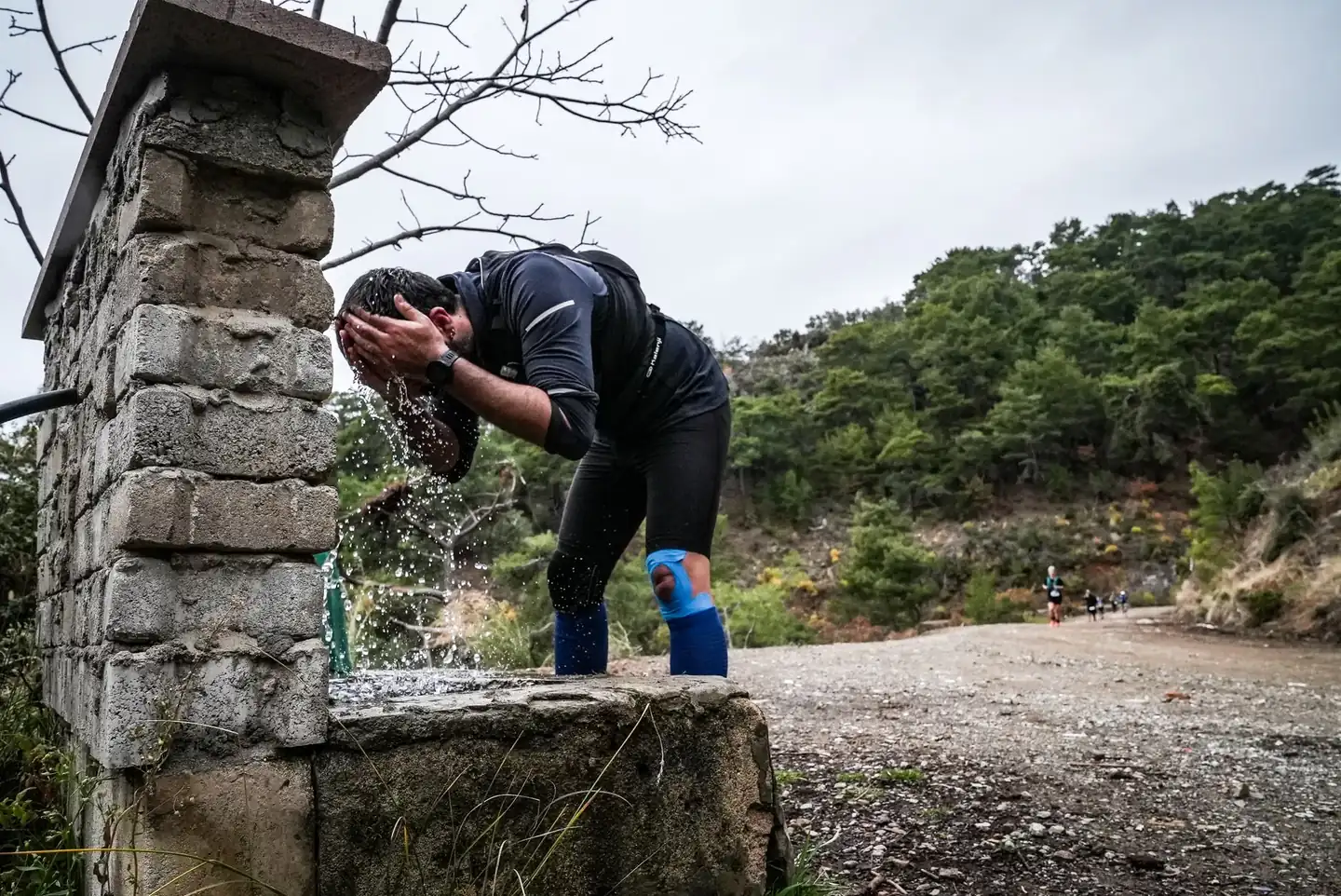
Summer turns every stride into a small physiological test. The body doesn’t just sweat more: it also redistributes blood, speeds up fatigue, and makes the stomach’s job more delicate. On hot, humid days, digestion and summer running make for an awkward pair if you head out to train after eating, with little hydration, or during the hours of strongest sun.
The key is not to stop running, but to understand what changes. Heat slows gastric emptying, increases the risk of nausea, bloating, and intestinal urgency, and makes a meal that went unnoticed in April feel like a stone in your abdomen in August. The good news is that these effects can be reduced with smarter timing, lighter meals, and more careful hydration.
Why heat makes the digestive system’s work harder
During exercise, the body prioritizes the muscles that are working. That means less blood flow for the digestive system, right when the intestines need to process liquids and food. If it’s hot as well, the body adds another priority: cooling down. That double allocation of resources explains why in summer heaviness, cramps, or that unsettled stomach feeling appear more easily.
The situation becomes clearer in long or intense sessions. It’s not just a matter of discomfort, but of basic physiology: the digestive tract performs worse when the body is under thermal stress. That’s why a gentle session at dawn can feel fine, while a run at midday, after a late lunch, can turn into a race against the clock and against discomfort.
Heat also changes the perception of effort. Paces that felt comfortable in spring feel harder in July or August, and that increase in subjective load can worsen heavy digestion. If the body senses it’s short on water and temperature control, it delays non-essential processes in order to sustain muscle work. Eating too much, too much fat, or too much fiber before heading out adds more friction to that mechanism.
In practice, runners notice two very common effects. On one hand, slower gastric emptying, with food lingering longer than desired. On the other, altered intestinal transit, sometimes faster and more chaotic, which can lead to urgency, gas, or runner’s diarrhea. These are known and frequent responses, especially when heat, dehydration, and poorly timed meals come together.
What to eat and how long to wait before heading out
The gap between eating and running matters more in summer. A main meal usually needs between 2 and 4 hours to settle with some comfort before a demanding session. When temperatures rise, it’s wise to stay toward the upper end of that range, especially if the meal contains fat, a lot of fiber, or a significant protein load. It’s not a rigid rule, but it is a sensible reference.
Heavy meals become especially problematic on hot days. Fried foods, dense sauces, large amounts of legumes, salads loaded with raw vegetables, or combinations with too much fiber can leave the stomach full just when the body needs lightness. The goal is not to eat little as a rule, but to choose easily digested foods in the period before training.
If there’s little time left before running, discreet, easy-to-empty options work better: white bread with honey or jam, a ripe banana, toast, compote, yogurt if it’s well tolerated, or a small bowl of plain cereal. In sessions under an hour, that kind of intake may be enough to train without dragging along a sluggish digestion. In longer sessions, the digestive margin needs to be even more carefully managed.
Not all discomfort comes from the same food. Some runners tolerate coffee before heading out, while others find it triggers intestinal urgency; some handle fruit well, while others feel bloated with certain pieces high in fructose or very acidic. Summer doesn’t create those problems, but it does amplify them. That’s why it’s worth looking at the whole picture: time, volume, type of meal, and the intensity of the workout.
Hydration: drink before you’re thirsty, but don’t overdo it
Thirst comes late. By the time it appears, the body is already behind what it needs. In summer, especially on the Mediterranean coast and in humid cities, it’s not enough to fill the bottle right before heading out. Hydration is built throughout the day, with regular intakes that keep the body in a reasonably stable state before the run.
Drinking a lot all at once just before running isn’t a brilliant solution either. Too much fluid right before heading out can create a feeling of heaviness, internal sloshing, and, in some runners, the urge to go to the bathroom within minutes. What’s usually most useful is progressive hydration in the two or three hours beforehand, with sips spaced out and no water binges.
In sessions longer than an hour or on very hot days, water alone sometimes isn’t enough. Sweat doesn’t just carry away fluid; it also removes sodium and other salts. That’s why electrolyte drinks can make sense when sweating is high or the workout goes on longer. They’re not a universal requirement, but they are a useful tool to keep dehydration from worsening gastrointestinal discomfort and performance drop-off.
What you drink while running also matters. Large amounts at once, very concentrated drinks, or gels without accompanying water usually sit worse in summer. The intestine, already compromised by heat, tolerates excess less well. The most prudent strategy is to think in small, frequent, realistic amounts, not in emptying an entire bottle in one stop.
The role of clothing, time of day, and surroundings
Digestion can’t be understood without the thermal context. Running at two in the afternoon on black asphalt, with high humidity and no shade, is not just a sweat problem. It also alters digestive mechanics because the body enters a kind of constant conversation between cooling down, running, and not becoming unbalanced. Choosing the early morning or the end of the day reduces that background noise quite a bit.
Clothing helps more than it seems. Technical, breathable, lightweight fabrics help heat escape and keep the feeling of suffocation from spiking. Cotton, when it gets soaked, clings to the body like a wet towel and makes overall discomfort worse. It’s not a minor detail: a less overheated torso and a more contained body temperature also translate into a less irritated stomach.
Sun protection completes the picture. A cap or visor, sports sunglasses, and sunscreen applied in advance are basic allies. Direct sun exposure doesn’t just punish the skin; it adds physiological stress. And any added stress, however peripheral it may seem, steals margin from the digestive system. In summer, running in the shade is almost a way of saving digestion.
Parks, tree-lined paths, and routes with fountains or shaded spots are not just a logistical whim. They’re part of a strategy for physiological comfort. When the route lets you breathe better, cool down a little, and keep pace without so much wear and tear, the digestive system also gets more room to function without complaining. The terrain, in that sense, also eats into part of the workout.
What changes to notice when a workout starts going wrong
Digestive warning signs rarely arrive all at once. First comes a slight heaviness, then a feeling of a full stomach, later nausea, gas, or intestinal urgency. Sometimes the runner also notices that the heart rate rises disproportionately compared with the pace, a warning that the body is paying the thermal bill. Ignoring those signs usually makes things worse.
When digestion goes off during a run, slowing down isn’t giving up; it’s a logical response. Pushing on with an unsettled stomach can turn a manageable discomfort into something bigger. In summer, intensity has a lower ceiling, even if the ego says otherwise. The body, moreover, doesn’t distinguish between enthusiasm and caution: it only responds to the load it receives.
There’s a common mistake on hot days: interpreting a lack of appetite or discomfort as simple tiredness and carrying on without adjusting anything. But altered digestion can be the first sign that you’re short on water, salts, or time between eating and effort. Reading those signals well lets you correct course before dizziness, cramps, or heatstroke appear, and that’s a much more serious matter.
The difference between discomfort and alarm is decisive. Mild nausea, the urge to stop, or an unsettled stomach may only require lowering the intensity, walking for a few minutes, or ending the workout. If confusion, chills, a strong headache, intense dizziness, or an inability to sweat normally appears, the problem stops being digestive and becomes medical. At that point, the clock no longer matters.
The myth of digestive cut and the reality of thermal shock
The expression digestive cut is used very loosely. In popular imagination it’s associated with any discomfort after eating, but in reality the big risk when running in summer is not the food itself, but the sudden change in temperature, dehydration, and physical stress. A full stomach can worsen the feeling, yes, but it doesn’t fully explain the problem.
In outdoor sports, and especially when moving from hard effort to a sudden exposure to cold or water, the body can react abruptly. That thermal shock alters circulation and can trigger a dangerous cardiovascular response. That’s why prudence in summer isn’t limited to what you eat before running: it also includes how you cool the body afterward.
In running, the modern version of the problem is called thermal overload. The runner reaches the limit when environmental heat, effort, poor hydration, and a badly timed digestion all add up. The result is not an old-book myth, but a very real bodily reaction. Understanding it helps take away some of the drama while still taking it seriously.
It’s worth leaving behind the idea that everything is solved by just enduring a little longer. In summer, the body often needs less heroics and more method. A session well placed in the schedule, with a light meal, enough hydration, and an adjusted pace, is worth more than an hour spent fighting with your stomach under a sun that’s already doing more than enough.
How to adjust long runs and popular races
The harder the session, the more precise the digestive plan needs to be. In short, easy runs, the margin for error is wide. In long runs, pace changes, or popular 10K races, the body has less tolerance for improvisation. Any excess shows up sooner and costs more, especially if the heat is already pressing from early in the day.
Races with a bib add emotional tension. Adrenaline can alter appetite and intestinal transit, and it also speeds the delivery of fuel to the muscular system. That’s why many discomforts appear at minute zero or in the first kilometers, when there hasn’t yet been time to adjust the body. In summer competitions, a simple strategy is often more effective than an elaborate menu.
In distances of an hour or less, simplicity wins. Eating with enough advance notice, drinking without excess, and avoiding experiments on race day itself greatly reduces the likelihood of discomfort. In longer events, the need to replenish energy during the effort complicates the script and forces you to train the gut too, not just the legs. That digestive training is done by testing in previous sessions what amount and what format are best tolerated.
What works for one runner can be hard to digest for another. Some people handle a gel well, others prefer isotonic drinks, and others only feel comfortable with small intakes spaced far apart. That personalization is especially important in summer, because the margin between tolerating and not tolerating gets narrower. Heat, in the end, acts like an unforgiving filter.
Recovery also starts in the stomach
After running in the heat, the body keeps working for hours. It’s not enough to sit down and consider the effort finished. Internal temperature takes time to normalize, the digestive system may remain slower than usual, and rehydration needs time. What happens in the first hour after training has a big influence on how the runner feels for the rest of the day.
After an intense or prolonged effort, simple foods are usually better tolerated: ripe fruit, bread, rice, yogurt if it sits well, broths, or low-fat dishes. There’s no need to turn recovery into a gastronomic ceremony, but it is wise to avoid heavy meals right away. Recovery is not about loading the system more, but about restoring order little by little.
It also makes sense to replace fluids gradually. Drinking calmly, without binges, helps correct sweat loss without triggering digestive backlash. In very hot workouts, the body may take longer than expected to ask for food, and that doesn’t mean it doesn’t need energy. It simply means it’s busy repairing the thermal imbalance.
Discomfort that persists after finishing, especially if it repeats, deserves attention. An isolated episode on a sweltering afternoon can be explained by the context; a chain of workouts with nausea, diarrhea, or abdominal pain points to something deeper. A runner’s digestion has memory, and summer leaves its mark if it’s pushed too hard without adjustments.
A more bearable summer starts with listening to the body’s rhythm
The combination of heat, effort, and food calls for calculation, not blind intuition. In summer, running well isn’t about pushing harder, but about arriving at training with a calm stomach, a hydrated body, and the schedule on your side. That sum of small gestures — eating with time, drinking consistently, choosing the right clothing, and avoiding harsh sun — matters more than any isolated trick.
The runner who learns to read their digestion on hot days gains more than comfort. They gain continuity, because they train with fewer interruptions; they gain safety, because they reduce avoidable risks; and they gain consistency, because the season doesn’t fall apart every time the thermometer rises. Summer doesn’t force you to stop, but it does require you to run with a different kind of judgment.
The reality is simple and rather unglamorous: the stomach runs too. It does so in its own way, with its own rhythms and clear limits. Respecting them doesn’t reduce ambition; it sharpens it. And on a hot day, where every minute counts and every sip matters, that nuance can be the difference between a tolerable outing and a workout that leaves too many loose ends.



How to prevent thigh chafing: causes and real solutions

Women’s running windbreakers: seven jackets and how to choose

Do more workouts get rid of soreness? A guide for runners

Jaén Half Marathon 2026: Record 3,800 Runners Registered

Men’s short running tights: how to choose the right pair

World Triathlon confirms data breach involving medical data

Izan Edo targets podium at Miyazaki World Cup

María Pérez ranks ninth in World Athletics’ 2026 top ten

Dos Santos, Duplantis and Sawe: World Athlete of the Year finalists

San Silvestre Vallecana 2026: 42,000 places, prices and start times

 Races4 months ago
Valencia Half Marathon 2027: date and registration

 Races4 months ago
Valencia Marathon 2026: entry, ballot and course

 Reviews and Comparisons4 months ago
Asics Gel-Roadmiles 3 for men: review and current price

 Reviews and Comparisons4 months ago
Asics Gel Sonoma 8 Gore-Tex: complete analysis for trail and rain

 Sneakers4 months ago
Saucony Endorphin Pro 4: full review and verdict

 News5 months ago
Strava API 2026: what changes for clubs, challenges and runner apps?

 Reviews and Comparisons5 months ago
Nike Alphafly 3: opinions, sensations, and real key points

 Reviews and Comparisons4 months ago
Under Armour running shoes review 2025-2026: models and key features

 Sports Equipment4 months ago
Shoe sizes in cm: a clear guide to getting the right fit for your footwear

 Sneakers3 months ago
Skechers GO RUN Consistent 2.0 analysis: comfort and limits

 News5 months ago
Valencia Marathon 2026 route: key tips to train and run better

 Sneakers4 months ago
Adidas Adizero Boston 13 for men: review and verdict