News
Energy foods for before running
What to eat before going out for a run to arrive with energy, avoid digestive discomfort, and perform better from the very first kilometer.

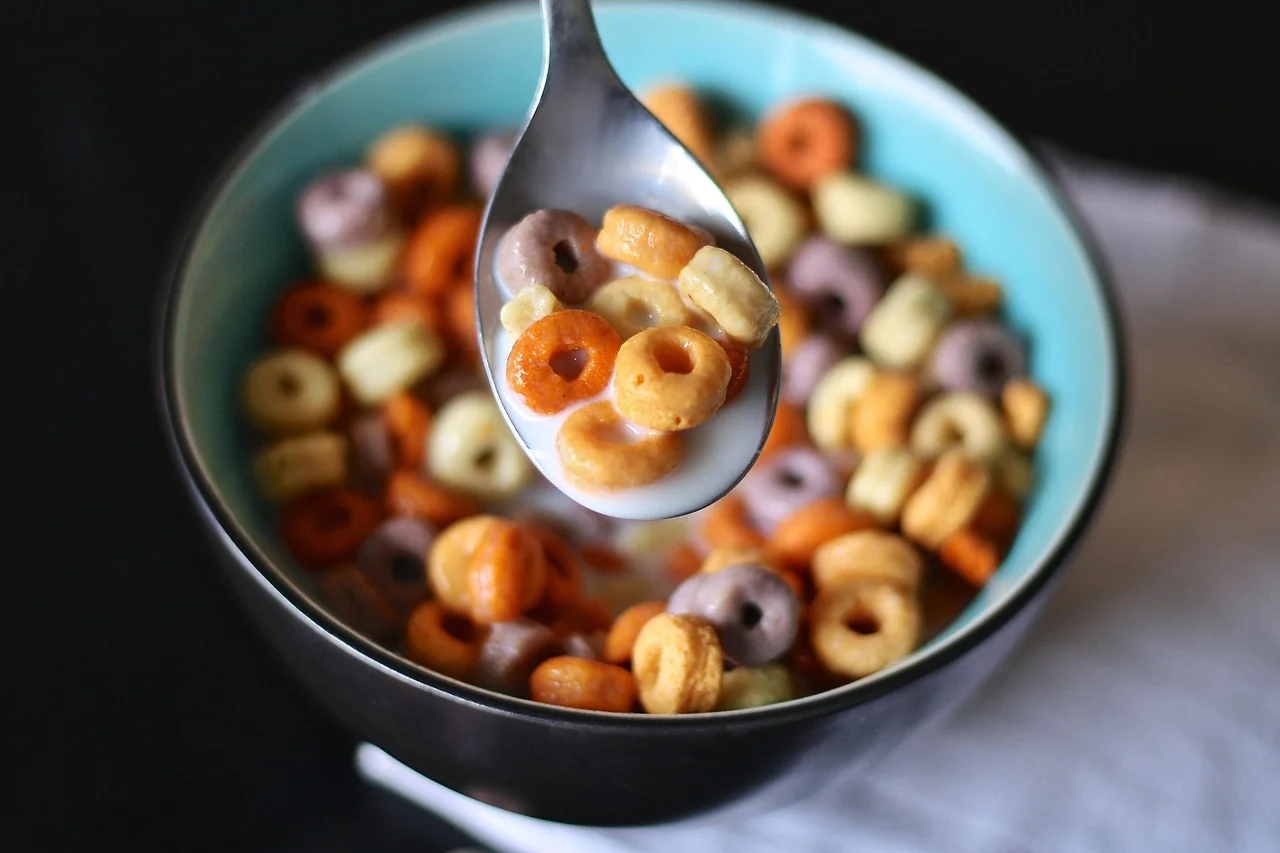
Choosing the right energy foods before running can make the difference between a heavy outing and a session where you notice your legs, pace and focus much more stable. It’s not just about eating something quick: it’s about getting to training with available glycogen, comfortable digestion and the feeling that your body responds from the start.
At RunningValencia we see it often: many runners eat too little, choose options that are hard to tolerate or improvise right before heading out. The result is usually the same: stitches, an energy crash, a feeling of a full stomach or, on the contrary, premature fatigue that shows up sooner than expected. The good news is that this can be corrected with simple, very practical criteria.
What your body needs before running
Before running, the main goal is to have usable energy without overloading the digestive system. That’s why the basis of the pre-run meal is usually carbohydrates, especially when we’re talking about demanding easy runs, intervals, long runs or races. That fuel is what your body can use most quickly to sustain the pace.
Even so, it’s not all about carbohydrates. Pre-run hydration, how much time is left before you head out and your individual tolerance to certain foods matter just as much as the composition of the plate. A runner heading out first thing in the morning doesn’t need the same approach as someone training two hours after breakfast, and a gentle jog is not the same as a 10K at race pace.
That’s why it makes sense to think of pre-workout nutrition as a strategy, not as a rigid list. There are days when a light snack will be enough, and others when you’ll need to build a more complete meal to arrive with full stores and without the risk of emptying out too soon. That difference is what separates improvised nutrition from nutrition that is truly useful.
Energy foods before running that actually work
The best energy foods before running are those that provide quick or sustained energy, are easy to digest and adapt to the time available before exercise. There’s no need to overcomplicate things: the closer you are to the start, the simpler and easier to digest your choice should be. And the more time you have, the more room you’ll have to add volume and a bit of light protein.
The key is to combine quality carbohydrates with moderate amounts of protein, leaving aside excess fat and fibre if you’re going to run soon. In practice, that means prioritising foods that sit well with you and that you can repeat with confidence. The best option isn’t the most “fit”, but the one that helps you train better without discomfort.
Among the most useful options, the following foods stand out, and they can also be easily adapted to different schedules and needs:
- Banana: practical, easy to digest and with a very comfortable combination of carbohydrates and potassium.
- Oats: ideal when you have more time and are looking for more sustained energy.
- White bread or toast: a simple base to add honey, jam or a light spread.
- Natural or mild Greek yogurt: useful if you tolerate dairy well and want to add some protein.
- Dates: concentrated in energy and very effective when you need a quick option.
- Cooked rice: excellent in more complete pre-run meals, especially before long runs.
- Coffee: it doesn’t provide calories, but it can improve activation and the perception of effort.
Now, just because a food is energising doesn’t mean it’s suitable for everyone or at any time. A handful of nuts may be healthy, but right before running it can feel too heavy because of its fat content. The same goes for very wholegrain products or foods with too much fibre: they’re good in other contexts, but not always in the window before training.
Banana, oats and bread: the most practical base
If we had to stick with three simple pillars, they would probably be banana, oats and bread. Banana stands out because it’s easy to eat even when you don’t have much time; oats, because of their ability to provide more stable energy when you have breakfast with some margin; and bread because of its versatility for putting together simple, easy-to-digest combinations.
Oats work especially well in breakfasts before races or endurance sessions, as long as you don’t overdo the fibre if you’re sensitive. You can pair them with ripe fruit, a little honey or mild yogurt. Bread, on the other hand, goes very well with a light layer of jam or honey, a classic combination because it provides quick carbohydrates without feeling too heavy.
Banana deserves a special mention for something very simple: it’s a low-friction option. It doesn’t need preparation, it travels well and it usually sits well with most people. If you’re heading out with little time, it can be the difference between running with a calm stomach or doing it with the feeling that you improvised too much.
Dates, honey and ripe fruit: quick energy when you’re short on time
When you only have 20 or 30 minutes left before running, you need foods that go in quickly and don’t complicate digestion. That’s where dates, honey or a piece of ripe fruit can be very useful allies. Their advantage is that they concentrate carbohydrates in a small volume, which is ideal if you don’t want to head out feeling too full.
Dates, for example, are a very practical option for runners looking for a quick boost before intense paces or short but demanding sessions. Honey can be added to toast or mild yogurt, and ripe fruit, like banana or even a very ripe pear if you tolerate it well, can solve a light outing without major complications.
This type of energy food before running isn’t meant to replace a full meal, but to cover the final stretch before you leave. Its mission is simple: arrive with fuel available, without bloating or not enough time to digest.
Yogurt, egg and light proteins: when they do make sense
Protein shouldn’t be the centre of pre-workout nutrition, but it can make sense in certain situations. A natural yogurt or a bit of egg can work well if you’re going to train with more time and want a more complete meal. In races or long sessions, adding some light protein helps make the intake more balanced.
That said, it’s worth being cautious with portion size. A very protein-heavy breakfast, with too much fat or heavy preparations, can delay gastric emptying and make you start running with a feeling of fullness. The idea isn’t to eat less across the board, but to eat better according to the actual time you have left before training.
For runners who train in the morning and don’t tolerate big breakfasts well, a combination of mild yogurt with fruit and some simple cereal is usually more than enough. If it sits well with you, it can be a very interesting solution to add energy without overloading digestion.
How long before running should you eat
Time is one of the factors that most influences how your pre-run meal sits. Eating too close to the start can cause discomfort, while eating too early can leave you without a sense of energy if the session goes on for a while. The ideal window depends on the size of the meal and your digestive tolerance, but there are fairly useful guidelines.
If you’re going to have a full meal, the recommendation is usually to leave 2 to 4 hours before running. That margin allows you to eat a sufficient portion of carbohydrates, some protein and a moderate amount of fat without the stomach feeling too loaded. It’s the most sensible option for long runs, demanding workouts or important races.
If you’re only going to have a snack, you can reduce the margin to 30-90 minutes. In that scenario, it’s best to choose simpler foods: banana, toast with honey, dates, isotonic drink or very light yogurt if you tolerate it well. The closer you are to running, the more sense it makes to reduce the total amount of food and choose textures that are easy to digest.
For very early outings, even a small carbohydrate intake can be enough. Not every runner needs a big breakfast to perform; what they need is to arrive with just the right amount of energy and a calm stomach. That’s the real priority.
Breakfast, snack or full meal: how to choose
There’s no single formula because the best approach depends on the time of training, the type of session and your digestive history. Even so, we can establish a clear logic. If the race or workout is going to be long or intense, a more complete meal usually works better. If you’re only looking for a brief activation or a gentle outing, a snack may be enough.
The difference between a meal and a snack isn’t just size, but also energy density and digestion speed. A slice of toast with honey, for example, may be enough before an easy run. On the other hand, a quality session or a long run usually benefits from more total carbohydrates, some protein and well-planned hydration.
The big advantage of building your strategy this way is that you stop improvising. When you know what works for you before running, you can adapt your intake to the goal of the day, instead of always repeating the same breakfast out of habit. And that flexibility usually translates into better feelings and better performance.
If you’re going to run on an empty stomach
Training fasted can make sense in specific contexts, but it’s not the best option for most outings if the goal is to perform or protect the quality of the workout. Running on an empty stomach can increase the perception of effort, bring on fatigue sooner and make intensity harder when the work is demanding.
Also, not all bodies respond the same. Some people tolerate a gentle fasted run very well, while others notice dizziness, weakness or a significant drop in pace. If you decide to do it, keep it to short, low-intensity sessions and only after checking that your body accepts it without problems.
For quality workouts, intervals or long runs, the smartest thing is usually to arrive with some fuel. You don’t need to eat excessively, but you do need enough so that your body doesn’t have to negotiate every step from minute one.
What to avoid before running so you don’t ruin the session
Just as important as knowing what to eat is understanding what’s worth limiting. There are foods that, even if they’re healthy at other times of the day, aren’t the most suitable right before running. The problem is almost never that they’re “bad”, but that they don’t fit the digestive demands of exercise.
Before heading out to run, it’s usually better to avoid very fatty meals, very spicy dishes, huge portions, excess fibre and ultra-processed foods that leave digestion slow. Large amounts of nuts, very wholegrain dishes or certain overly dense smoothies can be a bad idea if time is short. The same goes for new recipes you haven’t yet tried in training.
The practical rule is simple: the closer you are to running, the simpler the meal should be. Digestion needs room to work, and running doesn’t go well with improvisation or too much volume. If a food makes you feel heavy on an important day, it probably doesn’t deserve that spot right before training.
How to combine energy and hydration before heading out
Talking about energy foods before running without mentioning hydration would be only half the story. A well-hydrated body handles effort better, regulates temperature more effectively and tolerates intensity better. Many times what we interpret as a lack of energy is, in reality, a combination of mild dehydration and poor prior planning.
You don’t need to drink huge amounts all at once. The most sensible thing is to arrive at the session already hydrated and, if needed, accompany the pre-run meal with water in small sips. When the workout is long, it’s hot or you sweat a lot, it may make sense to include a drink with minerals, as long as it sits well with you and doesn’t replace a balanced meal.
A very common mistake is eating well but drinking little, or drinking a lot just before running and heading out with an uncomfortable stomach. The solution is consistency: hydrate throughout the day, adjust the amount according to the session and avoid extremes. That consistency is hugely noticeable in performance.
Practical examples depending on how much time you have
The best theory is of little use if you can’t put it into practice. That’s why it’s worth translating all this into real situations. If you have more than two hours, a solid option could be oats with banana and a little yogurt. If you have an hour, a slice of toast with honey and a piece of fruit will probably suit you better. If you only have half an hour, dates or half a banana may be enough to head out feeling good.
What matters is that each combination keeps the same logic: enough carbohydrates, simple digestion and little risk of heaviness. You don’t need a sophisticated menu to perform better. You need a choice that fits your schedule and the intensity of the session.
Also, it’s worth trying these options in normal training and not for the first time on race day. Pre-run nutrition is trained too. The more you practise it, the easier it will be to know what amount sits well with you, which foods you tolerate best and which combination helps you head out with confidence.
Make your pre-workout work in favour of your pace
If you want to run with better sensations, start by choosing well what you eat before heading out. Energy foods before running don’t have to be complicated: banana, oats, bread with honey, dates, mild yogurt or a simple rice meal can give you exactly what you need if you use them at the right time.
At RunningValencia we help you fine-tune that strategy so you don’t have to rely on improvisation. If you want to perform better, avoid discomfort and arrive at each training session with the right energy, review your pre-workout routine and adjust amounts, timing and combinations according to your goal. Start with a simple choice and test what works in your body: that’s usually where the most worthwhile improvement is.



How to prevent thigh chafing: causes and real solutions

Women’s running windbreakers: seven jackets and how to choose

Do more workouts get rid of soreness? A guide for runners

Jaén Half Marathon 2026: Record 3,800 Runners Registered

Men’s short running tights: how to choose the right pair

World Triathlon confirms data breach involving medical data

Izan Edo targets podium at Miyazaki World Cup

María Pérez ranks ninth in World Athletics’ 2026 top ten

Dos Santos, Duplantis and Sawe: World Athlete of the Year finalists

San Silvestre Vallecana 2026: 42,000 places, prices and start times

 Races4 months ago
Valencia Half Marathon 2027: date and registration

 Races4 months ago
Valencia Marathon 2026: entry, ballot and course

 Reviews and Comparisons4 months ago
Asics Gel-Roadmiles 3 for men: review and current price

 Reviews and Comparisons4 months ago
Asics Gel Sonoma 8 Gore-Tex: complete analysis for trail and rain

 Sneakers4 months ago
Saucony Endorphin Pro 4: full review and verdict

 News5 months ago
Strava API 2026: what changes for clubs, challenges and runner apps?

 Reviews and Comparisons5 months ago
Nike Alphafly 3: opinions, sensations, and real key points

 Reviews and Comparisons4 months ago
Under Armour running shoes review 2025-2026: models and key features

 Sports Equipment4 months ago
Shoe sizes in cm: a clear guide to getting the right fit for your footwear

 Sneakers3 months ago
Skechers GO RUN Consistent 2.0 analysis: comfort and limits

 News5 months ago
Valencia Marathon 2026 route: key tips to train and run better

 Sneakers4 months ago
Adidas Adizero Boston 13 for men: review and verdict