News
Madrid runner’s expo: bibs, schedules, and access
Dates, number, bag and access: the key guide to arriving prepared for the big pre-event in Madrid.

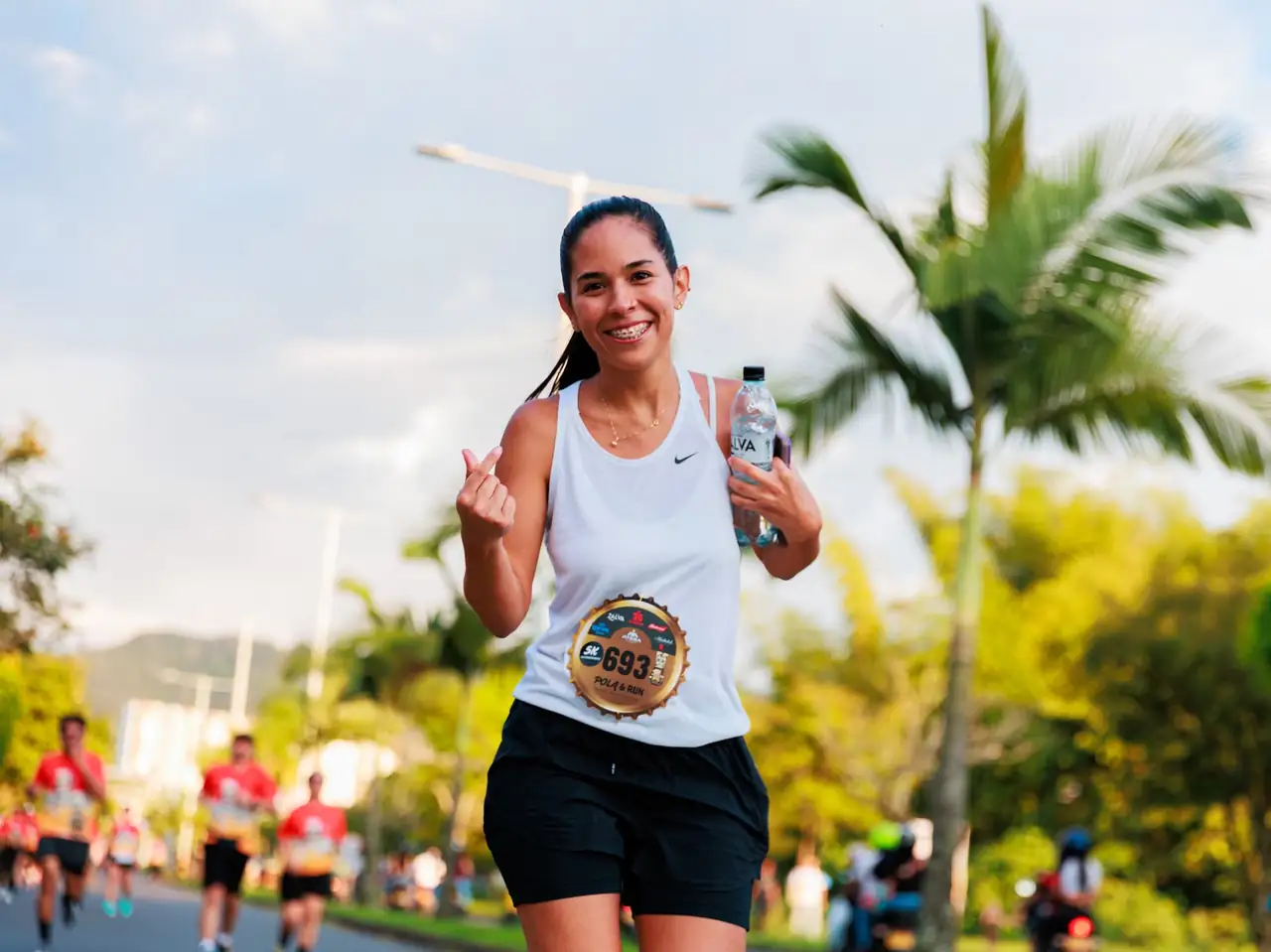
The runner’s fair in Madrid brings together in a single space the logistical and emotional prelude to a major running event: the place where you pick up your bib, confirm your registration, and start to feel the pulse of the race. In mass-participation events, that step can make the difference between arriving with everything under control or carrying doubts right up to the start.
In Madrid, this kind of fair usually brings together runners, companions, brands, and organizers in a large venue, well connected and designed to handle queues, solve issues, and hand out official materials without overcrowding. For participants, it is no small formality: it is the first real contact with the race, its atmosphere, and the rhythm of the weekend.
The space where the race begins before the start
The fair held before a major event works as an intermediate station between registration and the finish line. There you find the elements that later become part of the race routine: the bib, the participant bag, the official shirt, and, in some cases, additional materials or services linked to the event. Picking everything up in advance avoids rushing and leaves room to check sizes, chips, or possible data errors.
At large events, the fair atmosphere has something of a sports market and a shared ritual. Conversations about paces, injuries already overcome, new shoes, and Sunday plans all mix together. That background noise, among booths and aisles, is not incidental: it is part of the story of popular running, where competition coexists with curiosity about gear and the social side of effort.
Madrid also offers a clear advantage for this kind of gathering: its transport network and the scale of its venues make it possible to distribute thousands of attendees without the visit becoming an odyssey. IFEMA, in particular, is usually one of the most used venues when the organizers need space, quick access, and an area prepared for large flows of people.
Schedules, location, and what you should check before going
In the reference edition of the 2026 Madrid Marathon, the runner’s fair was held at IFEMA Madrid over two full days, Friday, April 24, and Saturday, April 25, both from 10:00 a.m. to 8:00 p.m. That uninterrupted schedule leaves room both for those arriving the day before and for those who prefer to go after work or travel at a relaxed pace.
The practical lesson is simple: the closer you get to race day, the more valuable time becomes. Missing your bib because of a scheduling issue is usually not an option, because pickup is concentrated at the fair and is not repeated on race day. Early collection is not an aesthetic recommendation, but an organizational necessity in events of this size.
It is also worth checking the required documentation in advance. Large fairs usually ask for proof of registration, a QR code, or a photo ID. If someone else is collecting the bib, organizers typically require authorization and a copy of the holder’s ID. That seemingly minor detail avoids the familiar scene of reaching the counter and discovering that a document or file on your phone is missing.
The bib is not just a number
The bib carries more information than it seems. It identifies the participant, activates timing, and connects the logistical package with the sporting side of the race. In many events, the chip is integrated into the back or attached to the bib, so it should not be folded, peeled off, or tampered with. Its integrity matters just as much as the registration itself.
Along with the bib, the official shirt is usually handed out and, depending on the race, a runner bag with promotional items or sports nutrition products. In the case of the 2026 Madrid Marathon, the organizers also detailed the so-called Fuel Bag with energy products for the marathon and half marathon, which reinforces the fair’s practical nature. This is not just a giveaway: it is part of the ecosystem surrounding the race and helps you arrive better prepared for the big day.
Picking up the materials also calls for a quick mental check. Is the size correct? Is the name spelled properly? Does the bib match the registered distance? Sorting it out there saves later paperwork, and in events with thousands of participants, any last-minute adjustment becomes cumbersome. In that sense, the fair functions like a sports checkpoint where everything is verified before entering race territory.
How to get there without making life difficult
IFEMA Madrid is very well connected to the rest of the city, an advantage that makes all the difference when attendance runs into the thousands. The metro, with Line 8 and Feria de Madrid station, is usually the most direct option. There are also buses, taxis, and private vehicle access, although on busy days public transport is usually the most sensible alternative.
The choice of transport is not a minor detail. Those going to collect their bib often carry bags, documentation, and sometimes companions. Reducing transfers and walking only what is necessary helps you arrive less tired, which is especially useful if you then need to go back to the hotel, rest, or eat early for Sunday’s start.
The exhibition center also has the advantage of offering enough space to move around without feeling trapped in a narrow corridor. That is appreciated at high-attendance fairs, where bottlenecks appear at entrances, counters, and brand activation zones. When the venue is well laid out, the fair stops being a heavy obligation and becomes an orderly, almost natural visit.
The real experience inside the fair
Anyone who has been to several runner fairs knows that the appeal is not just in the materials. It is in the atmosphere. There are shoes fresh out of the box, tables with gels, improvised debates about paces, and that little sense of nerves before the start. The fair crystallizes the running community in a visible setting, with people sharing the same countdown and the same mix of caution and excitement.
In Madrid, the fair also tends to be part of a wider weekend. It is not unusual for the trip to include accommodation, pre-race dinners, meetups with training groups, or simply a stroll around the city. The fair then acts as the first milestone of an experience that extends beyond the stopwatch: it marks the arrival, places the event in context, and helps everything make sense.
It also serves a less visible but essential function: reducing uncertainty. Having the bib in hand, seeing the official shirt, and confirming that the registration is in order eases that background tension many runners carry until the very last minute. Logistical relief is part of performance; arriving calm does not save seconds, but it does clear the mind.
What it usually includes and what you should not take for granted
At large-format race fairs, it is common to find booths from sports brands, nutrition companies, technology firms, sponsors, and services linked to the event. However, not every edition is the same. Some add activations, tastings, or informational content, while others focus exclusively on material pickup and participant management.
That is why it is useful to distinguish between what the organizers confirm and what is merely expected by habit. You should not assume that there will be a specific activity, a particular sample, or pickup extended beyond the official hours. In the schedule of a major race, precision matters more than intuition.
In the case of Madrid 2026, the fair was directly linked to the Madrid Marathon, the half marathon, and the 10K of the Rock ‘n’ Roll circuit event. That umbrella explains the broad audience and also the need for robust logistics. It is not a decorative fair; it is a central part of the event.
The fair as a thermometer for the runner’s weekend
The appeal of these fairs goes beyond the mere formality. They are a thermometer of participation levels, of the kind of runner who shows up, and of the overall tone of the race. There you find people chasing a personal best, first-timers, and those who simply want to experience the city at a different pace. Everyone shares the same pre-race ritual, even if each arrives with different expectations.
In a city like Madrid, that thermometer also has an urban reading. The fair draws movement, hotel bookings, restaurant spending, and a flow of visitors spread across stations, streets, and venues. For running, that means visibility; for the city, activity. And for the runner, a setting where everything starts to take real shape.
The best way to understand this space is to think of it as the machine room of the weekend. You cannot see it from the outside, but it supports the whole experience. Without the fair, the race would lose an essential part of its practical and emotional meaning. With it, the event is organized, refined, and turned into a clear sequence: pick up, check, rest, and go out to run.
What a big fair reveals about running today
Runner fairs say a lot about the current state of running. They show a sport that is increasingly massive, better informed, and more attentive to gear, nutrition, and the overall experience. It is no longer enough to have the start line and the finish line; runners want context, services, safety, and an organization that gets the basics right.
In Madrid, the scale of the event reinforces that idea. The fair is not a nice extra, but a structural part of the race. The race begins when you collect your bib, because from that moment everything is in order: the distance, the time, the corral, the chip, the shirt, and the wait before the start. That order is what allows you to run with less mental noise and more focus.
That is why the runner’s fair in Madrid matters so much. Because it turns a digital registration into a tangible experience, gives the event a physical form, and gives Sunday a visible prelude. And in a sport built on discipline, anticipation, and detail, that prelude weighs almost as much as the kilometers that come afterward.
Madrid sets the stage before the gun goes off
The great strength of these gatherings lies in their ability to organize anxiety. Faced with the noise of race day, the fair offers wide aisles, counters, instructions, and materials in hand. It is a useful pause, almost a calm prelude, where each participant can check that everything is in place before entering the good kind of tension on Sunday.
In a city that lives running intensely, the pre-race fair does more than hand out bibs: it hands out certainty. And in the end, that certainty is worth a lot. Because it lets you arrive at the asphalt feeling that the work is done, the gear is ready, and the focus is where it should be: on running.
When Madrid opens that door, what you see is not just a sports exhibition. It is a community moving at the same time, with the sound of footsteps, the plastic of bags, and the contained energy of people who know that Sunday will be their moment. That is where the race truly begins.
You may also like: adidas promotion at the 2026 Madrid Marathon: key points and requirements.



How to prevent thigh chafing: causes and real solutions

Women’s running windbreakers: seven jackets and how to choose

Do more workouts get rid of soreness? A guide for runners

Jaén Half Marathon 2026: Record 3,800 Runners Registered

Men’s short running tights: how to choose the right pair

World Triathlon confirms data breach involving medical data

Izan Edo targets podium at Miyazaki World Cup

María Pérez ranks ninth in World Athletics’ 2026 top ten

Dos Santos, Duplantis and Sawe: World Athlete of the Year finalists

San Silvestre Vallecana 2026: 42,000 places, prices and start times

 Races3 months ago
Valencia Half Marathon 2027: date and registration

 Races3 months ago
Valencia Marathon 2026: entry, ballot and course

 Reviews and Comparisons4 months ago
Asics Gel-Roadmiles 3 for men: review and current price

 Reviews and Comparisons4 months ago
Asics Gel Sonoma 8 Gore-Tex: complete analysis for trail and rain

 Sneakers3 months ago
Saucony Endorphin Pro 4: full review and verdict

 News5 months ago
Strava API 2026: what changes for clubs, challenges and runner apps?

 Reviews and Comparisons5 months ago
Nike Alphafly 3: opinions, sensations, and real key points

 Reviews and Comparisons4 months ago
Under Armour running shoes review 2025-2026: models and key features

 Sports Equipment4 months ago
Shoe sizes in cm: a clear guide to getting the right fit for your footwear

 Sneakers3 months ago
Skechers GO RUN Consistent 2.0 analysis: comfort and limits

 News5 months ago
Valencia Marathon 2026 route: key tips to train and run better

 Sneakers4 months ago
Adidas Adizero Boston 13 for men: review and verdict