News
Men’s running shoes deals: useful tips for running better
Real discounts, sizing, foot strike and prices: the keys to buying wisely without overspending on running shoes.

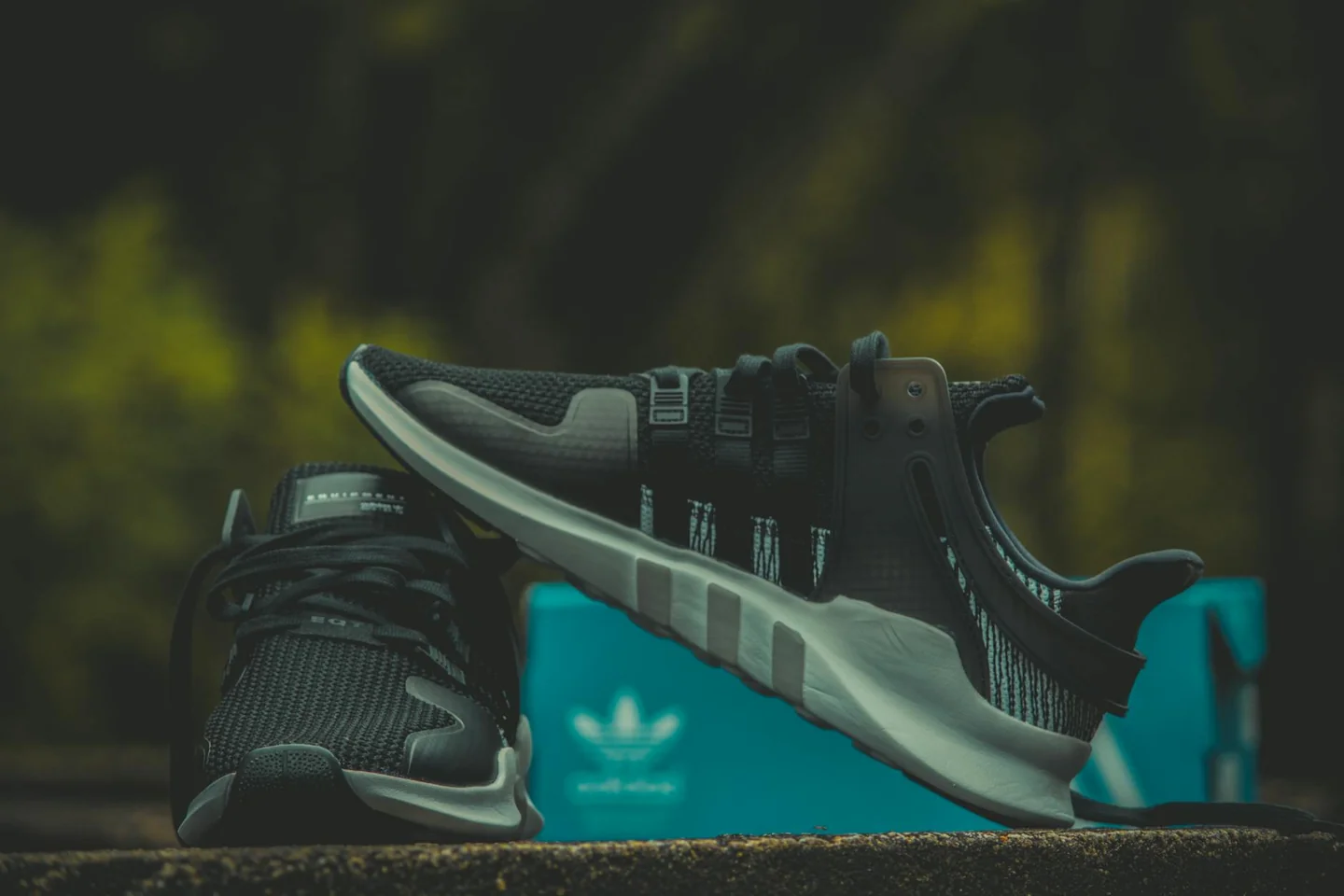
Imagen: Athul Adhu / Pexels
Men’s running shoes on sale: useful tips for running better
Sales on men’s running shoes don’t just affect the price: they also influence how quality is perceived, speed up purchasing decisions and make the most sought-after sizes disappear quickly. On the shelves, you’ll find training models, versatile options for intervals and competitions, shoes for road running and trail, as well as versions with waterproof membranes. However, not every discount offers the same value, and not every saving is worthwhile if the shoe doesn’t suit the way you run, the runner’s weight or the terrain you usually run on.
How to choose cheap or discounted running shoes that are worth it
Today’s market offers everything from basic models under 50 euros to high-tech running shoes costing more than 200 euros. The key is knowing how to interpret a deal and choosing a pair that still makes sense once its price has been reduced. A 25% or 30% discount on a well-chosen model is usually worth more than 50% off a shoe that doesn’t meet the runner’s needs.
What makes cheap or discounted running shoes worth buying
- Correct fit: Size and fit are decisive. The foot shouldn’t move inside the toe box or at the heel, and the last shouldn’t squeeze the forefoot.
- Sufficient cushioning: It should provide protection without being either too soft, which can cause instability, or too firm, which can transmit impact.
- Outsole with good grip: Essential for safety on different types of terrain.
- Breathable, comfortable upper: It should allow airflow without putting pressure on the foot.
In affordable running shoes, the midsole is usually made from EVA or similar foams. There’s no need to obsess over the material’s brand; what matters is that the landing feels smooth and that the foot doesn’t sink excessively. True comfort reveals itself after several runs, not just in the store.
Price ranges and what to expect from each one
Price is an important factor, but it shouldn’t be the only criterion. Here’s a useful guide for making a sensible purchase:
- Under 40 euros: Basic models that are useful for walking, occasional training or runners who prioritize lightness. They usually have basic foams and simple finishes.
- Between 40 and 60 euros: Options with better support, more consistent outsoles and greater comfort during easy runs. Models such as the New Balance 411, Joma Speed or Puma Scend Pro offer a good balance between quality and price.
- Between 60 and 90 euros: Shoes with better foams, more breathable uppers, lower weight and specific technologies such as memory foam insoles or comfortable fit systems. This is where it’s possible to stretch the budget without sacrificing performance.
- Between 90 and 150 euros: The most interesting range for most recreational runners. Versatile, cushioned and durable models appear here, ideal for frequent and varied training.
- Over 150 euros: More ambitious options with next-generation foams, greater lightness and a more pronounced response. This includes racing shoes and special editions.
Types of running shoes and their recommended use
Daily training and easy runs
For runners who cover relaxed miles on the road, it’s better to choose models with cushioning and lasting comfort. Neutral training shoes, with generous foams and versatile profiles, can often be found at attractive discounts and prices between 90 and 140 euros.
Intervals, competitions and quality sessions
Racing or versatile performance shoes are characterized by being more agile, with carbon plates or pronounced rocker geometries. Although their discount may be tempting, they aren’t always the best investment for continuous easy runs or recreational runners.
Trail running and technical terrain
Trail models usually feature waterproof membranes, pronounced lugs and side protection, which raises their price. Significant savings on these shoes are especially valuable if you frequently run on technical or wet terrain, where grip and protection are essential.
Brands and models with the best value for money
Major brands such as Nike, Adidas, Asics, Brooks, New Balance, Hoka, Saucony, Mizuno, Puma, Altra, Joma, Skechers and J’Hayber dominate the market and often offer discounted versions of well-known lines. In the entry-level and mid-range categories, Joma, New Balance, Skechers, Puma and J’Hayber stand out for offering broad collections and a variety of prices, making it possible to choose without going to either extreme.
- New Balance: Models such as the 373, 411 or 515 combine style and comfort for moderate training.
- Skechers: Comfort and softness thanks to technologies such as Memory Foam, Slip-ins or Arch Fit.
- Puma: A good balance between looks, cushioning and price in ranges such as the Scend Pro.
- Joma and J’Hayber: Alternatives with highly competitive value for money, ideal for short training sessions, light trail or mixed use.
How to read a discount without being swayed by the sign
A solid deal starts with understanding what type of runner you are and how you usually use your shoes. It’s not advisable to switch radically to a different model just because of the discount, as this can affect the overall experience and comfort.
When assessing a running shoe, pay attention to:
- Midsole: Its cushioning and response.
- Outsole: Type of grip and durability.
- Upper: Fit and breathability.
- Last: Width and comfort for your foot type.
- Weight: It influences the feeling of agility and fatigue.
During discount periods, mid-range sizes tend to sell out first. Buying a size that doesn’t fit properly just to take advantage of a low price can end up costing more through discomfort, chafing or limited use.
Durability and comfort: key factors when assessing a purchase
The true value of a running shoe isn’t measured only by its original price or discount percentage, but by the number of miles it can provide without losing comfort or functionality.
For average- or heavier-weight runners, a midsole with greater cushioning and wider structures is recommended. Lighter runners or those with relaxed paces can choose lighter, less bulky shoes.
In the end, the best purchase is the one that balances cushioning, stability, lightness and fit, while responding to the runner’s specific needs and usual terrain.
Este artículo contiene enlaces de afiliado: si compras a través de ellos, se genera una pequeña comisión sin coste adicional para ti. Más información.



How to prevent thigh chafing: causes and real solutions

Women’s running windbreakers: seven jackets and how to choose

Do more workouts get rid of soreness? A guide for runners

Jaén Half Marathon 2026: Record 3,800 Runners Registered

Men’s short running tights: how to choose the right pair

World Triathlon confirms data breach involving medical data

Izan Edo targets podium at Miyazaki World Cup

María Pérez ranks ninth in World Athletics’ 2026 top ten

Dos Santos, Duplantis and Sawe: World Athlete of the Year finalists

San Silvestre Vallecana 2026: 42,000 places, prices and start times

 Races4 months ago
Valencia Half Marathon 2027: date and registration

 Races4 months ago
Valencia Marathon 2026: entry, ballot and course

 Reviews and Comparisons4 months ago
Asics Gel-Roadmiles 3 for men: review and current price

 Reviews and Comparisons4 months ago
Asics Gel Sonoma 8 Gore-Tex: complete analysis for trail and rain

 Sneakers3 months ago
Saucony Endorphin Pro 4: full review and verdict

 News5 months ago
Strava API 2026: what changes for clubs, challenges and runner apps?

 Reviews and Comparisons5 months ago
Nike Alphafly 3: opinions, sensations, and real key points

 Reviews and Comparisons4 months ago
Under Armour running shoes review 2025-2026: models and key features

 Sports Equipment4 months ago
Shoe sizes in cm: a clear guide to getting the right fit for your footwear

 Sneakers3 months ago
Skechers GO RUN Consistent 2.0 analysis: comfort and limits

 News5 months ago
Valencia Marathon 2026 route: key tips to train and run better

 Sneakers4 months ago
Adidas Adizero Boston 13 for men: review and verdict