News
Running windbreakers: buying guide and real-world use with practical tips
Lightweight, breathable, and useful in wind or drizzle: that’s how you choose the garment that best protects the runner.

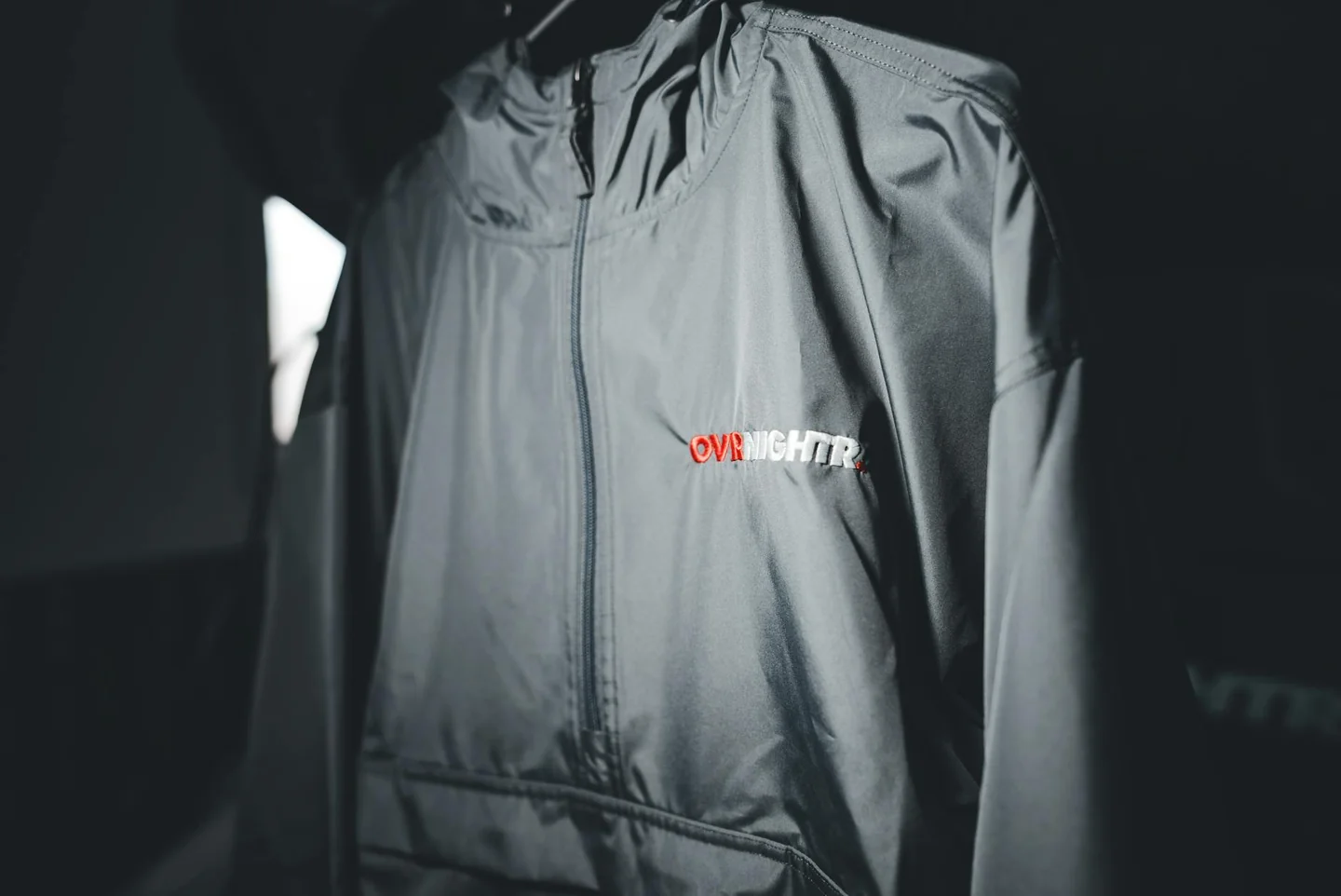
Imagen: Erik Mclean / Pexels
The running windbreaker has become one of the most practical pieces in a runner’s wardrobe because it solves a very common scene: heading out at a good pace and running into wind, humidity, or a sudden drop in temperature. It doesn’t warm like a heavy jacket or make you sweat like a closed layer; it acts more like a thin barrier that blocks the air and helps preserve body heat without cutting into your stride.
In the Spanish market, the simplest models usually sit around 15 to 27 euros, a range that reflects their role well: a lightweight technical garment, designed to add comfort in training sessions, warm-ups and races, not to replace a winter coat or a proper waterproof. That difference is key, because many doubts arise right there, on the border between protecting yourself from the wind and choosing the wrong garment for heavy rain.
A lightweight garment that changes the feel of the run
The value of this garment becomes clear after running a few minutes into the wind. The thermal sensation drops in seconds, the chest cools down and the body starts spending more energy to stabilize itself. A light outer layer prevents that loss of comfort and allows you to keep a more steady effort, something especially useful in easy runs, intervals with long recoveries or early-morning outings, when the air still bites.
Current models usually lean toward soft, quick-drying fabrics and a very light construction. That detail is not minor: the less the garment weighs, the less it interferes with movement. In running, every gram matters less than in cycling, but you can feel it. A poorly placed seam, a stiff zipper or a fabric that sticks to sweat can turn a pleasant outing into a fight against your own clothes.
There is also a tactical reason to use it on cool days: warming up. In races and training sessions with a wait beforehand, the body cools down before things really begin. A vest or a windbreaker jacket help keep the temperature up until the moment to speed up, especially if the bib is not yet at the start line or if the session includes a block of technique and mobility before running.
Real protection against wind, light humidity and dry cold
Wind is not just uncomfortable; it also steals heat. That is why this garment is so valued in autumn, winter and on coastal days, where a calm morning can turn into a strip of cold air as soon as you leave a sheltered street. The outer fabric acts as a shield and reduces the feeling of cooling, while the inner layer helps keep sweat from getting trapped.
It is worth distinguishing it from a rain jacket. A windbreaker can repel a light drizzle or a brief shower, but it is not designed to handle constant rain or to work as a waterproof. That is one of the biggest buying confusions. Anyone looking for a garment for prolonged downpours needs another solution; anyone looking to run in wind, cool air or moderate humidity finds here a much more versatile resource.
The second important difference is breathability. A jacket that is too closed turns the inside into a small steam chamber. Sweat builds up, the shirt gets soaked and, when you stop, the body cools down all at once. The ideal balance is to block the outside air without trapping too much heat. That is the fine line that separates a useful garment from one that ends up forgotten at the back of a drawer.
Breathability, fit and pockets: what really matters
The technical details shape the experience. A good pattern should leave room to move shoulders and arms naturally, because running is not standing still under a tarp. The fit should be snug but not tight, with enough room for a technical shirt underneath or a thin thermal layer when temperatures really drop.
Ventilation matters too. Some models include panels or more permeable fabrics in specific areas to speed up the release of sweat vapor. You do not need to turn the garment into a technology catalog to understand it: if it breathes well, the skin stays drier and the feeling of heaviness disappears sooner. On long outings, that difference is felt as much as a gel at the right time or a well-chosen pair of shoes.
Pockets are a useful extra, though not always essential. Storing keys, a bar or your headphones in a small pocket can save you discomfort. Simple closures and lightweight zippers also help, especially when the garment is put on and taken off on the move. Accessories only stop being accessory when the outing includes temperature changes, stops or urban stretches. There, a well-placed pocket is worth more than a design flourish.
Visibility, safety and urban use
Running at night or at dawn requires more than comfort. On poorly lit streets, parks with bicycle traffic or roads with cars, visibility is part of the kit. Reflective details on the back, sleeves or chest add an extra margin of safety and make the garment more valuable without adding much weight or price.
This point matters especially in cities where training has to fit in before work or at the end of the day. The body is already tired and attention drops; any visual help adds up. A reflective strip does not work miracles, but it does improve how drivers and pedestrians perceive the runner. Technical clothing also has an urban function, not just a sporting one.
In addition, the windbreaker has moved beyond the purely sporting circuit. It is increasingly seen on everyday errands, quick walks or short trips on cool days. Its understated look, contained weight and ease of folding have made it a garment that fits in a backpack without taking up half a compartment. Its usefulness does not end when the workout is over; that is a big part of its appeal.
How to get the size right without losing mobility
The right size is not decided only by the usual number on the label. In running clothes, the real reference is mobility in the shoulders, chest and back. A garment that is too tight pulls at the sleeves when you raise your arm and can limit breathing during hard efforts; one that is too loose makes noise while running and lets in more air than necessary.
The best fit usually sits somewhere in the middle. It should allow a technical shirt underneath, and even a light thermal layer if the day turns colder, without becoming an empty shell. It is worth thinking about the most common use and not just one specific morning. Someone who usually runs in mild temperatures needs less room than someone training in exposed windy areas or in early winter.
The feel also changes depending on the cut. There are straighter designs and others that are a bit more fitted, and that difference can noticeably affect comfort. A women’s pattern or a well-executed unisex cut can improve the real fit without needing to size up. What matters is not looking tighter, but moving freely and making sure the garment does not become one more distraction in the run.
When it makes sense to use it and when it doesn’t
The garment performs best on cool mornings, windy afternoons, mild winter runs, warm-ups before racing and easy sessions where the pace does not generate as much internal heat. It is especially useful when the body has not fully warmed up yet or when the wind turns a moderate temperature into something much colder.
It is not the ideal choice for heavy rain or for very intense workouts where the runner sweats excessively from the first minutes. In those situations, a more protective fabric or a more ventilated layer may work better. The perfect garment always depends on the weather, the effort and the length of exposure. There is no universal solution, even if the windbreaker comes pretty close in the everyday-use range.
It can also be impractical in very warm or highly humid environments, because there the main need is not to block the air but to get rid of heat. On the Mediterranean coast, for example, its value is usually concentrated in the early hours of the day, when the breeze feels deceptive and seems mild until you have been running into it for ten minutes. The best use is strategic, not automatic.
Sustainable materials, durability and a reasonable price
The conversation about technical clothing is no longer only about performance. Durability carries more and more weight, and in some models, so does the use of sustainable materials. A well-built windbreaker lasts for entire seasons if it keeps firm seams, stable fabric and reliable zippers. That matters more than a flashy design that loses shape after just a few washes.
In garments like this, resistance depends less on thickness than on the quality of the fabric and how it behaves after repeated use. A windbreaker that dries quickly, keeps its lightness and does not lose shape after being folded in a backpack gains value over time. Durability, in running, is also measured in miles of use and not just in appearance.
The price, for its part, helps place it in a very accessible category within technical apparel. Entry-level models usually stay within modest figures, and that has made it easier for many runners to add a specific garment for wind without having to make a big investment. Its cost-to-use ratio is one of the strongest in running gear, precisely because it solves a common problem with a simple and effective answer.
How it fits into the training wardrobe
The windbreaker does not live in isolation. It works best when understood as part of a layering system. Underneath, a technical shirt helps wick away sweat; on colder days, a light thermal layer adds warmth without too much penalty. The key is to add thin layers rather than rely on a single garment that is too heavy. That logic avoids overheating at the start and getting cold at the end.
On long outings, it also pairs well with tights, light pants or even vests, depending on temperature and wind. A vest protects the torso and leaves more freedom in the arms; a full jacket covers more and offers superior defense against the air. The choice does not depend on aesthetics but on the real map of the workout: open route, time of day, intensity and weather.
That is why this piece has earned a permanent place alongside T-shirts, tights and mid-season sweatshirts. It does not aim to replace them, but to organize the wardrobe so each garment does its job. In everyday running, functional simplicity is often more effective than piling on layers without a plan. A good windbreaker, well chosen, avoids arguments with the weather and reduces the temptation to stay home when the wind picks up.
A small garment with a big impact on the runner’s routine
The popularity of this garment is not the result of a passing trend. It answers a very specific need: running with some protection without losing lightness or freedom. Its success lies in solving a real problem with very little visual and physical weight. It almost disappears when worn, which is exactly what a runner appreciates.
On a normal outing, the most visible detail is usually the simplest one: the body works better when it is not fighting the cold or the wind. That stability of sensation helps you run more calmly, manage effort better and enjoy stretches that, without protection, feel rough. The garment does not make you run faster on its own, but it does remove friction from movement.
That is why it still holds a prominent place in technical clothing collections. Light, functional, easy to store and versatile, the windbreaker has found its place between mild cold, light humidity and urban outings. It is a discreet, almost silent piece, but on difficult days it is felt like a hand on the chest against the air. And in running, that kind of help is rarely too much.
Este artículo contiene enlaces de afiliado: si compras a través de ellos, se genera una pequeña comisión sin coste adicional para ti. Más información.



How to prevent thigh chafing: causes and real solutions

Women’s running windbreakers: seven jackets and how to choose

Do more workouts get rid of soreness? A guide for runners

Jaén Half Marathon 2026: Record 3,800 Runners Registered

Men’s short running tights: how to choose the right pair

World Triathlon confirms data breach involving medical data

Izan Edo targets podium at Miyazaki World Cup

María Pérez ranks ninth in World Athletics’ 2026 top ten

Dos Santos, Duplantis and Sawe: World Athlete of the Year finalists

San Silvestre Vallecana 2026: 42,000 places, prices and start times

 Races3 months ago
Valencia Half Marathon 2027: date and registration

 Races3 months ago
Valencia Marathon 2026: entry, ballot and course

 Reviews and Comparisons4 months ago
Asics Gel-Roadmiles 3 for men: review and current price

 Reviews and Comparisons4 months ago
Asics Gel Sonoma 8 Gore-Tex: complete analysis for trail and rain

 Sneakers3 months ago
Saucony Endorphin Pro 4: full review and verdict

 News5 months ago
Strava API 2026: what changes for clubs, challenges and runner apps?

 Reviews and Comparisons5 months ago
Nike Alphafly 3: opinions, sensations, and real key points

 Reviews and Comparisons4 months ago
Under Armour running shoes review 2025-2026: models and key features

 Sports Equipment4 months ago
Shoe sizes in cm: a clear guide to getting the right fit for your footwear

 Sneakers3 months ago
Skechers GO RUN Consistent 2.0 analysis: comfort and limits

 News5 months ago
Valencia Marathon 2026 route: key tips to train and run better

 Sneakers4 months ago
Adidas Adizero Boston 13 for men: review and verdict