News
Time off work after plantar fasciitis surgery
Recovery timelines, sick-pay rules and medical criteria for returning to work after foot surgery.

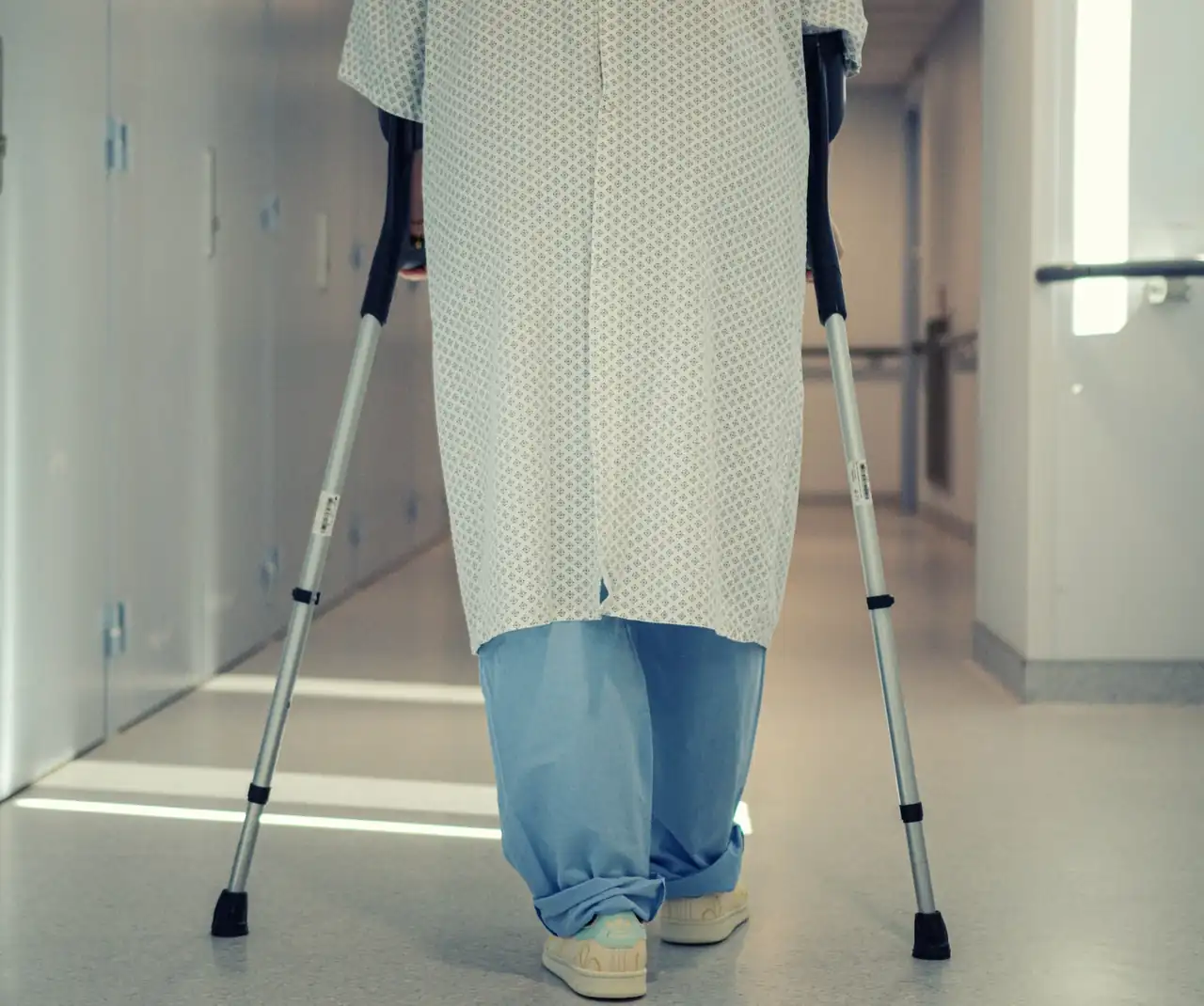
Sick leave after plantar fascia surgery has no fixed duration. In Spain, the doctor decides at each review whether the condition of the foot allows the patient to work, taking into account pain, mobility, the type of surgery and the demands of the job. As a clinical reference, many people need between two and six weeks to return to sedentary work, while jobs involving standing, walking or physical effort may require considerably longer.
Full recovery does not necessarily coincide with the end of sick leave. After surgery, the wound may close within a few weeks, but strength, load tolerance and walking often take longer to normalize. In some cases, functional recovery lasts between three and six months, particularly when persistent pain, a wider fascial release or previous biomechanical problems are involved.
Surgery alone does not determine the length of leave
Plantar fascia surgery is usually considered when pain and limitation continue after several months of appropriate conservative treatment. It is not an automatic solution for every heel complaint: the diagnosis, training load, footwear, ankle mobility and other possible causes, such as a stress fracture, nerve injury or tendinopathy, should be reviewed first.
The procedure may involve a partial release of the plantar fascia, performed through open surgery or minimally invasive techniques. The extent of the procedure affects the protection required afterward, although it is not the only relevant factor. Individual tissue healing, age, general health and conditions such as diabetes, obesity or circulation problems also matter.
For that reason, two people operated on the same day may receive medical clearance at different times. Someone with an office job who can move around safely may return earlier than a delivery worker, waiter or warehouse employee who must stand for hours, turn, climb stairs and carry loads. Temporary incapacity is decided by the relationship between the injury and the actual job, not only by the diagnosis.
Typical timelines after foot surgery
During the first few days, pain, swelling and difficulty bearing weight are common. The surgeon may recommend partial weight bearing, crutches, postoperative footwear or a protective boot. The instructions vary according to the technique used, so weight bearing and movement should follow the medical team’s instructions exactly. Advancing too quickly because the foot feels better can irritate the operated area and delay recovery.
During the first phase, usually covering the first two weeks, the priority is wound care, swelling control and avoiding excessive load. Elevating the foot, monitoring the dressing and attending scheduled reviews are part of normal care. Increasing pain, spreading redness, fever, wound discharge or loss of sensation require medical assessment, because normal postoperative discomfort should not be confused with a complication.
Between the second and sixth weeks, many patients gradually progress toward a more stable gait if recovery is favorable. Physical therapy may include ankle mobility, calf strengthening and progressive foot exercises. At this stage, people with office jobs may consider an adapted return, but sitting down does not remove the need to walk, climb stairs or travel to the workplace.
Returning to running, jumping or impact sports usually comes later. Being able to walk without pain does not mean that the fascia and surrounding tissues are ready for thousands of repeated impacts. The return to sport should be based on strength, mobility, load tolerance and the absence of significant swelling, not on one identical date for everyone.
How long temporary incapacity can last in Spain
Spanish law does not establish a fixed number of sick-leave days for plantar fasciitis surgery. Temporary incapacity due to common illness may last 365 days, with a possible 180-day extension when recovery is expected during that period. The actual period is usually much shorter, but this legal limit explains why no universal figure applies to every case.
The public health service issues the medical certificate when the condition is considered common illness, unless the operation is related to a workplace accident or occupational disease. A mutual insurance body may participate in monitoring certain cases and make proposals, but the procedure and the competent authority determine continuation and discharge. The employer cannot decide alone when medical leave ends.
Reviews consider whether an objective functional limitation remains: difficulty bearing weight, limping, inability to stand, swelling, loss of strength or inability to perform essential job duties. Surgical reports, wound healing, tests and rehabilitation are also considered. Pain should be described accurately, but the medical decision does not depend only on a numerical pain score.
Leave may end even if some discomfort remains, provided the person can perform the job without disproportionate risk and the condition is compatible with recovery. In other cases, moderate pain may justify continued leave when the occupation requires hours of walking, lifting or positions that could compromise the surgical result.
The difference between desk work and standing work
The job itself is one of the factors that most changes the timeline. An administrative position allows periods of sitting, fewer journeys and elevation of the foot, although commuting, public transport and stairs may still make a return difficult. Remote work or temporary adjustments can change the assessment without replacing clinical judgment.
In hospitality, retail, cleaning, construction, health care, early-years education and logistics, demand on the foot is higher. Standing for six or eight hours, walking on hard surfaces, pushing carts or carrying materials may be incompatible with the early stages of recovery. In these cases, medical clearance may require sustained weight-bearing and walking capacity, not merely the ability to take a few steps during an examination.
A gradual return is not automatically available as a right for every job. Temporary changes in duties, breaks or reduced travel may be possible if the employer and applicable rules allow them. These measures should be clearly and safely defined, rather than turning incomplete recovery into a test of endurance. Pushing too hard can fuel inflammation, alter gait and transfer load to the knee, hip or back.
For the return to work to be assessed properly, the medical report should describe specific functional limitations rather than simply naming plantar fasciitis. Saying that the foot hurts is not the same as documenting that the person cannot stand for twenty minutes, walk a certain distance or climb stairs without limping. The relationship between the limitations and the essential duties of the job is central to occupational assessment.
How pay is calculated during sick leave
When surgery results from a common illness, financial benefits generally follow the rules for temporary incapacity due to common contingencies, unless the collective agreement improves them. As a legal rule, there is no statutory benefit on days one to three, 60% of the regulatory base is paid from day four to day 20, and 75% applies from day 21. The final payslip may differ if the employer provides a supplement.
The regulatory base is usually calculated from the contribution base for common contingencies in the previous month, divided by the relevant number of days. The method may differ for part-time contracts, multiple employment or recent changes in working hours. Therefore, the legal percentage does not necessarily equal the exact amount shown on the payslip.
If the operation is linked to a workplace accident, financial protection changes: the benefit is generally 75% of the regulatory base from the day after the accident, with specific treatment for the day of the accident itself. The classification does not depend solely on the fact that pain appeared while working. A documented relationship with the accident or professional activity is required.
A collective agreement may supplement pay up to 100% from the first day or from a specified date, although conditions vary widely between sectors. The most reliable information is usually found in the applicable agreement, payslip and documents supplied by the employer. Questions about amounts, supplements or deductions should be checked against those documents.
What can delay a return to work
Postoperative recovery may take longer when load increases too quickly, the wound develops problems or the muscles lose strength during immobilization. Smoking, poorly controlled diabetes, excess weight, circulation disorders and certain illnesses that slow healing can also have an effect. Not every patient has these factors, but they should be disclosed before and after surgery.
The plantar fascia is part of a system that absorbs and distributes forces with every step. If the ankle has limited mobility or the calf is stiff, the foot may receive more tension while walking. Insoles, different footwear or an exercise program may help in selected cases, but no measure should replace the surgeon’s instructions.
Rehabilitation is not only about removing pain. Restoring movement, strength, balance and confidence while bearing weight is essential to avoid a guarded gait. Progress usually begins with simple tasks and moves toward activities resembling those required at work. If pain consistently increases after each session, the program needs review.
Persistent symptoms do not necessarily mean that surgery has failed. Nerves, scar tissue and the tissues around the fascia may remain sensitive for weeks or months. However, progressive worsening, severe night pain, a new change in the arch or sudden loss of strength deserve specialist review. Recovery should be interpreted through examination, not online comparisons.
When to seek medical advice before the next review
Swelling is common after surgery, especially at the end of the day, but it should gradually improve. A foot that becomes increasingly red and hot, wound discharge, fever or pain that does not respond to prescribed medication may indicate infection. Early assessment allows these problems to be treated before they significantly interfere with recovery.
Sudden calf swelling, pain when breathing, shortness of breath or a marked difference between the legs should also be assessed. These symptoms may have different causes, some urgent, and should not automatically be attributed to rest after surgery. Breathing difficulty or chest pain require immediate medical attention.
Persistent numbness, cold toes or major color changes may indicate circulation or nerve compression. Likewise, a new inability to bear weight or move the toes after a blow should be reported without waiting for the next scheduled certificate. Caution does not mean remaining immobilized indefinitely; it means seeking assessment when recovery deviates from expectations.
Follow-up allows the team to adjust footwear, crutches, exercises and daily load. Recording when pain appears, how far the person walks and which tasks trigger symptoms makes the clinical discussion more precise. This information helps distinguish expected discomfort from a limitation that still prevents safe work.
When can you return to running?
Returning to running usually comes after normal walking and adequate strength have been restored. Running creates repeated impacts far greater than walking, even at an apparently easy pace. Therefore, medical clearance for work is not the same as clearance for sport; someone may work with adjustments and still not be ready to train.
Before returning, a specialist may check whether the patient can walk normally, go up and down stairs, rise onto the toes and perform balance exercises without increased pain afterward. Progression should begin with limited load and enough rest to observe the foot’s response during the following hours and the next day.
Cushioned, supportive footwear may improve comfort, but it cannot compensate for a sudden increase in mileage. Surface, speed, hills and running technique also matter. Returning to the previous training volume immediately would be like striking a newly repaired door open: the structure needs load, but it must be introduced gradually and in a controlled way.
Severe morning pain, limping or swelling that lasts until the next day suggest that the load may still be excessive. Temporarily reducing intensity is not a setback, but a way to protect progress. The final decision should be individualized with the professional who knows the surgical technique and the patient’s recovery.
A recovery that cannot fit one universal calendar
Surgery may address the mechanical source of pain, but the foot needs time to regain tolerance. As a general guide, sedentary jobs may allow a return within a few weeks, while physical occupations usually require longer and sometimes temporary adjustments. The exact figure depends on the medical report and the actual duties, not on a universal table.
Temporary incapacity continues while a limitation prevents normal work and ends when recovery allows the job to be performed safely. In Spain, the ordinary maximum framework is 365 days, extendable in certain cases to 545, although most plantar fascia postoperative periods resolve much sooner. Reviews determine the next step.
Knowing the general timelines helps organize working life, but recovery should not become a race against the calendar. A foot that no longer hurts while sitting may still react after an eight-hour shift; a closed scar may still need strength and mobility. The most reliable return combines clinical progress, functional ability and reasonable job demands.
For runners, patience has additional value: it allows load to be rebuilt without confusing the wish to return with actual readiness. The goal is not to return on a particular date, but to regain stable walking and enough tolerance to sustain activity. After foot surgery, moving slowly does not mean falling behind.
Este artículo contiene enlaces de afiliado: si compras a través de ellos, se genera una pequeña comisión sin coste adicional para ti. Más información.



How to prevent thigh chafing: causes and real solutions

Women’s running windbreakers: seven jackets and how to choose

Do more workouts get rid of soreness? A guide for runners

Jaén Half Marathon 2026: Record 3,800 Runners Registered

Men’s short running tights: how to choose the right pair

World Triathlon confirms data breach involving medical data

Izan Edo targets podium at Miyazaki World Cup

María Pérez ranks ninth in World Athletics’ 2026 top ten

Dos Santos, Duplantis and Sawe: World Athlete of the Year finalists

San Silvestre Vallecana 2026: 42,000 places, prices and start times

 Races4 months ago
Valencia Half Marathon 2027: date and registration

 Races4 months ago
Valencia Marathon 2026: entry, ballot and course

 Reviews and Comparisons4 months ago
Asics Gel-Roadmiles 3 for men: review and current price

 Reviews and Comparisons4 months ago
Asics Gel Sonoma 8 Gore-Tex: complete analysis for trail and rain

 Sneakers4 months ago
Saucony Endorphin Pro 4: full review and verdict

 News5 months ago
Strava API 2026: what changes for clubs, challenges and runner apps?

 Reviews and Comparisons5 months ago
Nike Alphafly 3: opinions, sensations, and real key points

 Reviews and Comparisons4 months ago
Under Armour running shoes review 2025-2026: models and key features

 Sports Equipment4 months ago
Shoe sizes in cm: a clear guide to getting the right fit for your footwear

 Sneakers3 months ago
Skechers GO RUN Consistent 2.0 analysis: comfort and limits

 News5 months ago
Valencia Marathon 2026 route: key tips to train and run better

 Sneakers4 months ago
Adidas Adizero Boston 13 for men: review and verdict