News
Trail or road in summer: shade, heat, elevation gain, and more risk
Heat changes training, equipment, and risk. These are the key points to help you make informed decisions.

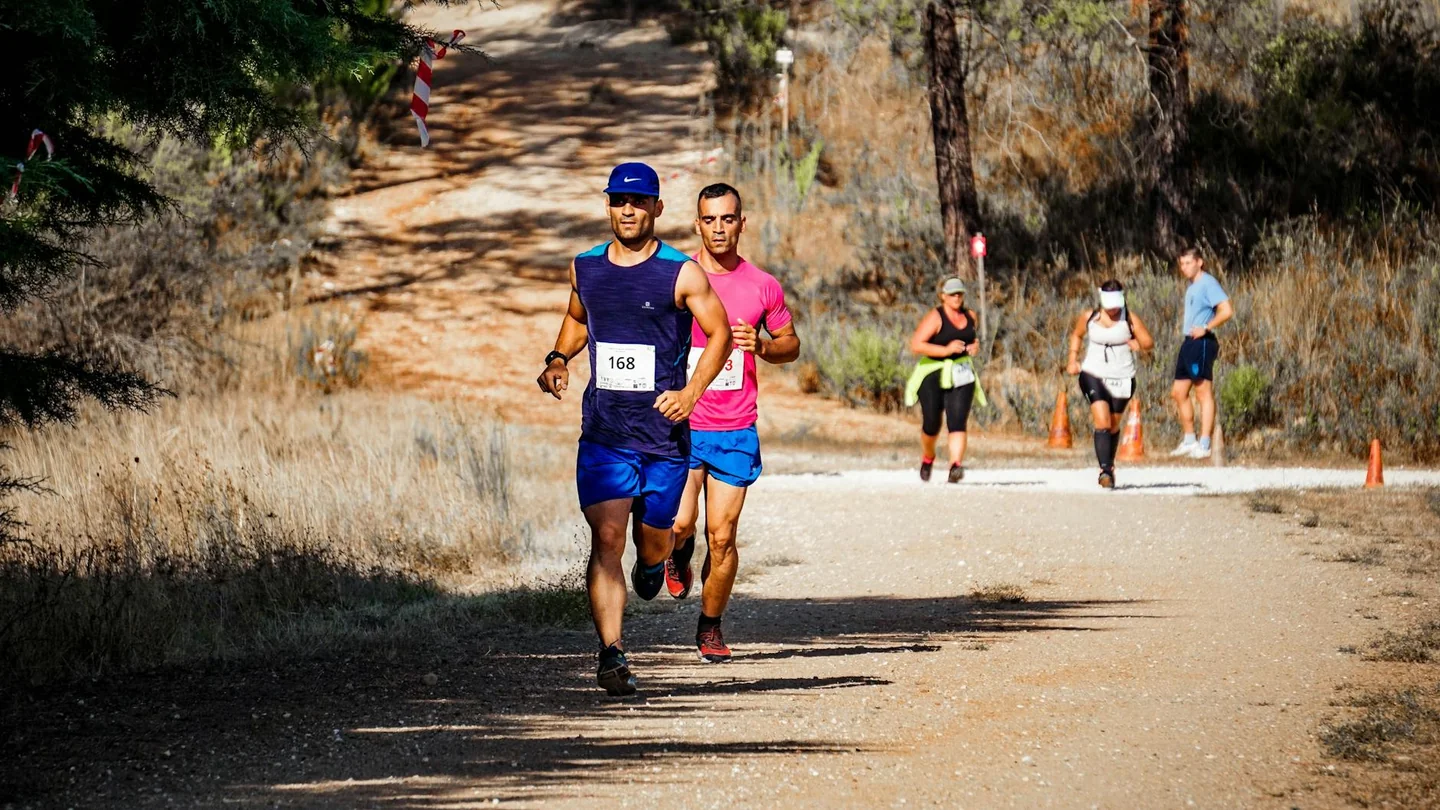
Imagen: RUN 4 FFWPU / Pexels
Summer does not punish the same on asphalt as it does on trail. The surface, the shade, the altitude, the wind, and even the type of effort completely change the experience of running. On the road, the body takes repeated impact on firm, uniform ground; in the mountains, on the other hand, the stride gets shorter, attention rises, and pace usually depends on the gradient and the quality of the terrain. The choice is not aesthetic or sentimental: on hot days, the environment conditions performance and also safety.
The decision between trail and asphalt in summer is usually settled by a sum of practical factors. If the route crosses open areas, with no shade and high temperatures from early on, the road can feel like a hot oven plate. If the route runs through forest tracks, mountain ranges, or tree-lined parks, trail offers a bit more thermal relief, although it also demands more foresight with hydration, orientation, and exposure to storms, especially in the mountains. The key is to read the day, not to defend a discipline as if it were an identity.
Heat changes the logic of each terrain
On asphalt, heat builds up and is felt sooner. Cities retain temperature for hours, the pavement radiates heat, and the lack of vegetation amplifies the feeling of stifling air. On top of that, many urban routes have fewer water points and more crossings, traffic lights, and surfaces exposed to the sun. The result is a more linear effort, yes, but also one that is more punished by the environment when the thermometer climbs. On an August morning, heading out for a road run may seem easy at first and turn into a succession of small hardships just a few kilometers later.
Trail distributes the thermal load better, but it does not eliminate it. The shade of a pine forest, a north-facing slope, or a trail at higher altitude can lower the feeling of heat by several degrees. However, the mountains also hold traps: climbs that spike heart rate, descents that punish the muscles, and exposed sections where the sun hits hard. On humid days, moreover, sweat evaporation loses effectiveness and the body works with less margin. The trail cools you down, but it does not work miracles.
That is why the terrain has to be read together with the clock. In summer, running early in the morning or at dusk is not a generic piece of advice, but a way of adjusting physiology to the environment. Between 11:00 and 18:00, the risk of heatstroke, heat exhaustion, and performance drop rises quickly. The difference between road and trail in that time window is no longer just about the surface: it is about exposure, water availability, and the ability to get back before the day turns heavy like a wet blanket.
The road demands less technique and more tolerance to heat
Asphalt offers regularity. There are no roots, no loose stones, no sudden changes in grip. That makes it possible to hold a more constant pace and simplifies effort control. For those looking for quality sessions, measured runs, or interval work, the road remains the most practical terrain. But in summer, that clarity comes at the cost of exposure. The lack of shade and the buildup of heat on the surface make the body trigger its cooling system sooner.
The thermal sensation on the road often fools you at first. The runner starts out fresh, maybe with a light breeze, and thinks the workout will be easy. Then comes the sun reflecting off the pavement, soaked-through clothes, and heavier breathing. On flat ground, the feeling of control can hide an internal stress that is not always noticed until it is already too late. Heart rate rises, pace drops, and the stride gets heavier, as if each kilometer carried a small extra price.
The advantage of the road is that it makes intensity easier to track. In summer, that matters a lot. When heat forces you to slow down, it is easier to do so on a stable route than on a technical trail, where the surface itself already changes the effort. It is also easier to calculate distances, cut a session short if needed, and find routes with urban checkpoints, fountains, or inhabited areas. The trade-off is clear: less freshness, less natural protection, and more dependence on timing.
Trail gives you shade, elevation gain, and more variables to control
Setting up a trail outing in summer can be an obvious advantage. Forests and higher-altitude tracks reduce direct sun exposure and usually offer slightly more pleasant temperatures. In addition, trail breaks the monotony of repeated asphalt impact and allows you to alternate paces naturally. There are days when the mountains seem to breathe better than the city. That cleaner air, the smell of dry earth, or the dampness of a ravine can turn a hard workout into a more manageable outing.
But trail punishes in a different way. Positive elevation gain raises cardiovascular effort and technical terrain demands constant attention. In summer, fatigue comes not only from the heat, but from the sum of small actions: watching where you step, adjusting your stride on descents, avoiding hot stones, calculating every footfall. The body cools a bit better, but the head works more. And when the temperature rises, that mental load counts just as much as the physical effort.
Altitude can be an ally or a problem, depending on the case. Running above 1,500 meters offers lower temperatures, but also drier air and, in some cases, a feeling of lack of oxygen that forces you to slow down. Not every runner responds the same. A mountain route in July can be perfect at dawn and too demanding at midday, especially if there is no water along the way or if the return coincides with peak radiation hours. The mountains, like a thin rope, only give balance to those who read them carefully.
Gear changes with the surface and with the heat
Clothing and shoes do not solve summer, but they can make it worse or make it more bearable. On the road, lightweight, breathable, quick-drying garments work well, with fabrics that wick sweat away without sticking to the body. In trail, besides breathability, support matters: stable pockets, caps with a useful brim, glasses that filter light well, and, if the outing is long, comfortable hydration systems. The priority is to minimize chafing, moisture buildup, and overheating.
In footwear, the difference between road and trail is even more visible. Road shoes prioritize cushioning, lightness, and a smooth transition. Mountain shoes look for grip, toe protection, and lateral stability. In summer, that contrast is felt more because the foot swells with the heat and any extra stiffness can become uncomfortable. A model that is too aggressive on asphalt wears out sooner and gives a drier feel; one that is too urban on trails may fall short in traction and safety.
Ventilation matters more than it seems. The foot breathes worse when temperatures rise, and accumulated sweat encourages blisters and internal slipping. On long routes, a more open mesh can make a difference on the road; on trail, by contrast, the priority is usually to protect the upper foot a bit more from branches, dust, and loose stones. There is no universal choice, only an adaptation to the type of outing and the dominant terrain.
Hydration and energy: summer does not forgive mistakes
The most costly mistake in the heat is waiting until you are thirsty. Thirst comes late, when the body has already started to lose efficiency. On both asphalt and trail, hydration should be planned before heading out and during the session. Drinks with electrolytes can be useful when sweating is heavy, because they help replace sodium and other minerals that are easily lost. On a humid, hot day, that detail matters more than any trendy piece of clothing.
On the road, it is usually easier to calculate intake. There are fountains, bars, parks, and urban access points that make it possible to shorten the distance between one water point and the next. On trail, logistics require more attention: reliable fountains, shelters, reservoirs, safe rivers, or the water carried from the start. It is not wise to improvise on a long mountain route. An insufficient bottle or one extra glass at breakfast does not make up for an hour-and-a-half effort under strong sun.
Energy is also managed differently depending on the terrain. On the road, a continuous session calls for steady fuel and a reasonable intensity. On trail, pace changes due to elevation gain can drain reserves faster. If the outing lasts more than an hour and the temperature is high, fatigue appears sooner and pre-run food becomes very important. Heat reduces appetite and, at the same time, speeds up fluid loss; that combination makes summer a season of delicate balances, not heroics.
Safety: the difference between finishing strong or finishing broken
The warning signs are similar on both terrains. Dizziness, chills, headache, nausea, a feeling of extreme weakness, or skin that is excessively hot are warnings that should not be ignored. In summer, pushing on when the body starts to complain can turn a normal outing into a serious problem. Slowing down, seeking shade, hydrating, and shortening the route is not giving up: it is managing risk intelligently.
Trail adds another layer of complexity. A bad step with fatigue and heat easily turns into sprains, falls, or blows. The head gets tired sooner when temperatures are high, and that affects step precision. The road, for its part, punishes more through exposure and monotony. In one case, the environment’s wear and tear dominates; in the other, the combination of hard surface, radiation, and lack of breaks. Summer does not only measure physical fitness, it also measures discipline.
Weather forecasting matters more than usual in the mountains. A stable afternoon can change within an hour with fast-developing storms, especially in mountain areas. In addition, higher sections can hide wind, fog, or sudden temperature changes that are not felt from the valley. There is risk on the road too, but the mountains demand a finer reading of the sky and of the return time. Heading out early is still the best insurance against too many surprises.
When each option makes sense depending on the kind of day
The road makes more sense on short, controlled, urban days. If the idea is to do a measured workout, an easy run with simple access to water, or a quality session without too many variables, asphalt offers order. It is also practical when running close to home and wanting to get back quickly if the heat spikes. In cities with tree-lined promenades, parks, or seaside areas, the road can be surprisingly kind at dawn.
Trail gains ground on longer days, with shade and moderate elevation gain. If the route combines forest, tracks, and a reasonable altitude, the thermal sensation is usually better than in the city. It also helps when looking for a more entertaining workout, with less pace rigidity and more variety in foot placement. That said, do not confuse freshness with total comfort: a damp trail, a broken descent, or an exposed track can turn a beautiful outing into a slow fight against fatigue.
There are days when the most sensible answer is not to force either option. A heatwave is not something you negotiate with romance. If the forecast calls for very high temperatures, high humidity, and little air movement, the best adaptation may be to reduce volume, train at a cooler time, or switch indoors. Summer allows you to keep running, but it does not force you to maintain the same ambition as in April or October. Smart consistency always matters more than poorly placed effort.
How it is really decided: terrain, timing, and goal
The right choice does not depend only on preference. It depends on what you want to train, what time you go out, and what conditions the environment offers. For pace work or an easy run that is simple to measure, asphalt remains the most logical base. For a fresher, more varied experience with less urban exposure, trail offers clear advantages. Between the two there is a porous boundary, and many runners move through that gray area with complete naturalness.
The best question is not which is superior, but which fits today. A runner living on the coast may find the seafront promenade much more tolerable than an inland trail with no shade. Another, meanwhile, may have a pine forest or mountain route ten minutes from home that makes July feel like a completely different season. Summer rewards flexibility: choosing the right time, adjusting gear, and not insisting on running as if it were March.
Personal experience with heat also plays a role. Some people sweat a lot and notice dehydration quickly; others tolerate temperature better but suffer more during prolonged effort. Some runners find trail to be a mental escape valve; others prefer the simplicity of asphalt so they do not have to make decisions at every turn. The most useful choice is usually the one that lets you finish intact, with margin, and without turning the workout into an unnecessary test of endurance.
Summer tests judgment more than bravery
Choosing between trail and road in summer is, above all, a matter of judgment. Heat changes the runner’s map: shade becomes gold, water becomes strategic, and timing matters almost as much as the plan. The road demands thermal tolerance and pace control; the mountains ask for foresight, balance, and terrain reading. Neither wins by default. Each offers something different, and the right call is to choose the one that fits the real day, not the idea you have of yourself.
In a season where the sun has more say than usual, intelligence matters more than epic effort. Summer invites you to run, yes, but also to observe. To decide whether it is a track under pine trees, an early avenue by the sea, or a short session late in the day. When the heat is on, the good choice is not measured in kilometers but in how you get home: with energy, without dizziness, and with the feeling of having read summer well.
Este artículo contiene enlaces de afiliado: si compras a través de ellos, se genera una pequeña comisión sin coste adicional para ti. Más información.



How to prevent thigh chafing: causes and real solutions

Women’s running windbreakers: seven jackets and how to choose

Do more workouts get rid of soreness? A guide for runners

Jaén Half Marathon 2026: Record 3,800 Runners Registered

Men’s short running tights: how to choose the right pair

World Triathlon confirms data breach involving medical data

Izan Edo targets podium at Miyazaki World Cup

María Pérez ranks ninth in World Athletics’ 2026 top ten

Dos Santos, Duplantis and Sawe: World Athlete of the Year finalists

San Silvestre Vallecana 2026: 42,000 places, prices and start times

 Races3 months ago
Valencia Half Marathon 2027: date and registration

 Races3 months ago
Valencia Marathon 2026: entry, ballot and course

 Reviews and Comparisons4 months ago
Asics Gel-Roadmiles 3 for men: review and current price

 Reviews and Comparisons4 months ago
Asics Gel Sonoma 8 Gore-Tex: complete analysis for trail and rain

 Sneakers3 months ago
Saucony Endorphin Pro 4: full review and verdict

 News5 months ago
Strava API 2026: what changes for clubs, challenges and runner apps?

 Reviews and Comparisons5 months ago
Nike Alphafly 3: opinions, sensations, and real key points

 Reviews and Comparisons4 months ago
Under Armour running shoes review 2025-2026: models and key features

 Sports Equipment4 months ago
Shoe sizes in cm: a clear guide to getting the right fit for your footwear

 Sneakers3 months ago
Skechers GO RUN Consistent 2.0 analysis: comfort and limits

 News5 months ago
Valencia Marathon 2026 route: key tips to train and run better

 Sneakers4 months ago
Adidas Adizero Boston 13 for men: review and verdict