News
What race is there today in Barcelona: schedule and how to read it
Barcelona combines popular races, charity events, and major urban competitions almost daily.

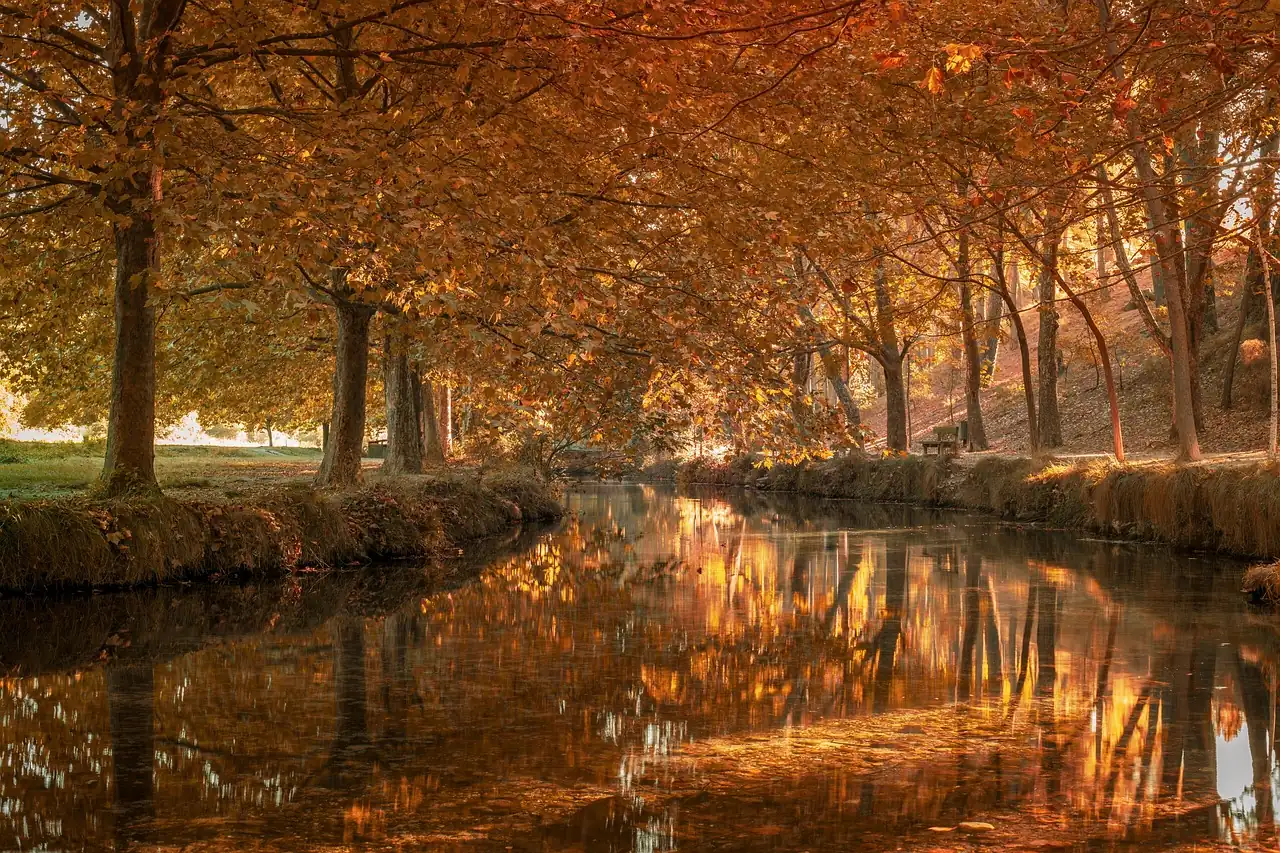
Imagen: Leolo212 / Pixabay
Barcelona rarely dawns without a bib, stopwatch, or sneakers hitting the asphalt. The city lives running as an extension of its cultural agenda: there are neighborhood days, charity runs, club events, and major races that take over avenues, parks, and seafront promenades. To find today’s race, the key is not just to look at a date, but to understand how a calendar is organized that blends tradition, mass participation, and routes that are very different from one another.
The practical answer changes depending on the day and the year, but the logic is stable: in Barcelona, popular races in central areas, family events in parks, mountain routes in Collserola, and emblematic races that attract thousands of runners usually coexist. Some are tied to the city’s patron saint festivals, others have become winter or spring classics, and a few have become symbols of the city. That is why, when someone looks for today’s race in Barcelona, they are really looking for a quick reading of the athletic pulse of the Catalan capital.
A calendar that turns the city into a circuit
Barcelona has a geography that is favorable for running. The sea, the wide avenues, the urban parks, and the nearby mountain make it possible to design very different routes without leaving the city limits. That variety explains why the runner’s calendar is not concentrated in a single race, but spread across multiple formats. There are fast, flat races, others with elevation gain, 5-kilometer events, and much longer challenges that pass through iconic spots such as Montjuïc, the Ciutadella, or the seafront promenade.
In a single year, races with a very distinct identity can coexist, from popular events to those with a strong sporting or social component. The Cursa de la Mercè, the Cursa de Sant Antoni, the Cursa dels Nassos, the Cursa de Bombers, or the Mitja Marató are part of the local imagination, just like other less media-friendly but equally relevant races for the running community. That map explains why Barcelona appears so often in sports agenda searches.
The city also stages its events in settings that shape the experience. Competing on a wide avenue, with an orderly start and fast sections, is not the same as doing so on an urban mountain where the elevation profile rules. Nor does a circuit by the sea, with wind and humidity, feel the same as a lap through a tree-lined park in the middle of winter. The question of which race is happening today in Barcelona ultimately depends on the combination of date, place, and route type.
The races that usually dominate the agenda
Barcelona’s calendar has several key events that act as beacons. Some are so well known that, when they arrive, they eclipse much of the city’s sports agenda. The Mitja Marató de Barcelona and the Marató de Barcelona are the most visible in terms of size, prestige, and route. Both pass through recognizable places and turn the city into a sporting showcase, with thousands of runners and a clear impact on mobility, transport, and urban life.
Alongside them appear races closely tied to neighborhood identity. The Cursa de Sant Antoni opens the calendar with a cold but very participatory atmosphere, while the Cursa de la Mercè usually serves as the major popular event associated with the city’s festivals. The Cursa dels Nassos, in the final stretch of the year, has gained importance as an athletic farewell with a festive feel. They are different races, but they share the same idea: the city recognizes itself when it runs.
There are also more specific events, such as charity races, women’s races, or mountain events. In Barcelona and its surroundings, it is common to find events aimed at social causes, beginner races, and routes that look toward the Collserola range or Montjuïc. This diversity means that, even without a major marathon that day, there can still be a race underway somewhere in the metropolitan area.
How to locate the exact event without getting lost in the noise
The difficulty is not a lack of races, but distinguishing which one corresponds to the specific day. In such an active city, the sports agenda overlaps with other events, so a precise search requires paying attention to the date, the type of race, and the neighborhood or district where it is held. Major races are usually announced in advance, but many popular events keep registrations open until just a few days before or sell out quickly.
The most reliable way to read the agenda is to separate three layers. First, the official date of the race. Then, the setting: asphalt, mountain, urban park, or mixed circuit. And finally, the scale, because a 5-kilometer neighborhood race does not carry the same weight as a half marathon with thousands of participants. That division helps make sense of the offering without confusing today’s race with general running news in Barcelona.
Another important detail is frequency. Some races are annual and very stable in the calendar; others change date due to clashes with local festivals, urban works, or organizational adjustments. That is why a search like today’s in Barcelona can produce different results depending on the time of day, the time of year, and whether or not there is a major featured event. The city’s running landscape, in that sense, is like a tide: it is never completely still.
What kinds of races are usually found in the city
Barcelona offers races for experienced runners and for those making their debut without big ambitions. There are flat circuits designed for setting a personal best, and gentler routes ideal for finishing without obsessing over the time. There are also races in which pace gives way to the urban experience, the street atmosphere, and the collective dimension. That mix is one of the great hallmarks of Barcelona’s running scene.
On asphalt, fast races predominate, with wide starts and sections that allow group running. They are common on avenues, the waterfront, and areas with good logistical connections. By contrast, mountain or hilly races seek more technical effort, with climbs, descents, and changes in terrain. Montjuïc and Collserola often appear on that map, as do some parks that combine physical challenge with a certain visual respite.
Charity races, for their part, have a different meaning. They are not organized just to compete, but to bring visibility to a cause: health, equality, inclusion, or community support. In Barcelona, that format has had strong traction because the city connects sport well with public space and civic participation. Hence, a random day can end with thousands of people running for the same reason.
The settings that best define Barcelona’s running scene
The landscape matters as much as the bib. Running in Barcelona is not a neutral experience, because the route changes your breathing and also your perception of the city. The Carretera de les Aigües offers sweeping views and lighter air; Montjuïc provides elevation, curves, and Olympic spirit; the Ciutadella gives a pleasant, very urban loop with greenery and shade; the seafront promenade offers kilometers with the taste of salt and breeze.
That variety makes the city function almost like a catalog of sensations. Some runners look for clean asphalt and a steady pace, others prefer compact dirt and the feeling of escaping the noise, and still others stick to short but very intense routes, as if a park had become an improvised track. Barcelona, with its mix of sea, hill, and historic center, allows all those versions without going too far from the urban core.
In specific races, the setting even affects strategy. A flat course invites you to push from the start; a technical one forces you to save energy; one with heat and humidity by the coast changes the perception of effort. That is why the idea of which race is happening today in Barcelona refers not only to the race name, but to what the body will encounter at each kilometer.
What usually brings thousands of runners together
Barcelona’s major events have value that goes beyond sport. They generate local economic activity, occupy transport, fill the streets with spectators, and turn entire neighborhoods into corridors of encouragement. The city embraces that phenomenon naturally, because running is part of its identity as an open, highly walkable city. A race Sunday transforms neighbors’ routines and also the tourist reading of the space.
The interest does not come only from the number of participants. The image of Barcelona seen from within the course also matters: the Arc de Triomf, the waterfront areas, the wide stretches of the Diagonal, or the climb up Montjuïc create a powerful visual story. In some races, that postcard matters as much as the clock. In others, the popular atmosphere matters more than the result. Both coexist without conflict.
There is also a calendar factor that explains the constant attention. Barcelona does not concentrate its athletic offer in a single time of year, but spreads interest throughout the seasons. Autumn and winter usually bring highly participatory races, spring adds favorable days for running, and summer shifts part of the activity to earlier hours or to routes less exposed to the heat. The agenda, therefore, never fully shuts down.
How the reading changes depending on the time of year
The month in which the agenda is consulted matters a lot. It is not the same to look for a race in January as in September or March. At the start of the year, you usually find well-established races and events with a cool atmosphere, high participation, and a strong public response. As the year progresses, popular races and middle-distance events multiply, while the year-end calendar often makes room for races with a farewell tone.
The weather also matters. Barcelona generally offers good conditions for running, but heat, humidity, and light can greatly change the perception of effort. Early races tend to become more attractive in spring and summer, while winter races allow more stable paces. On the coast, wind and saltiness are added to the script; inland, elevation gain is felt more than the map suggests.
This seasonal interplay explains why many searches are not just looking for a name, but for a quick read on the day. Anyone checking the agenda wants to know whether there is a big race, a local event, or a neighborhood race with traffic disruptions. And above all, they want to orient themselves without wasting time among posters, social media, and scattered event pages.
Why Barcelona appears so often in the running conversation
The city has managed to combine sporting habit, urban identity, and organizational capacity. Not all capitals offer such a clear combination of suitable spaces, a tradition of races, and broad-based enthusiasm. Barcelona does. That is why a simple search about today’s race keeps leading back to the same core: a city that runs naturally, as if the asphalt were an extension of its own habit of moving.
Part of the merit lies in diversity. There are races for those looking for a personal best, for first-timers, for those running for a cause, and for those who simply want to experience the city from another angle. The result is a robust ecosystem, with an almost continuous presence in the calendar and recognizable references for the regular running reader. A major new event every week is not necessary for Barcelona to remain sports news.
Its ability to attract runners from outside also plays a role. The city works as a weekend destination, as a showcase for major races, and as a meeting point for sports communities. That external projection feeds the internal one. The more people see it as a city for running, the stronger its reputation as a race host becomes.
A city that never really stops running
The search for today’s race in Barcelona almost always ends with the same idea: the city has such a lively agenda that the answer depends on the calendar and the specific place you look at. Sometimes there will be a major race with thousands of participants; other times, a more modest event but full of atmosphere; on occasion, several races coexisting in different parts of the urban area. That overlap is precisely part of the appeal.
Barcelona has built a very stable relationship with running because its streets, parks, and hills make it possible to imagine the city as a continuous sporting stage. Popular races rely on that natural and urban infrastructure, and the reader looking for what is happening today is, in reality, trying to decode the state of that daily athletic life. The answer is never a single image, but a sequence: asphalt, people, pace, city.
That is why the best reading of Barcelona’s agenda is not an isolated headline, but a calendar that moves with the same rhythm as the runners. Today it may be a major event; tomorrow, a neighborhood race; the day after, a charity event or a mountain run. In Barcelona, running does not just occupy the city. It describes it.



How to prevent thigh chafing: causes and real solutions

Women’s running windbreakers: seven jackets and how to choose

Do more workouts get rid of soreness? A guide for runners

Jaén Half Marathon 2026: Record 3,800 Runners Registered

Men’s short running tights: how to choose the right pair

World Triathlon confirms data breach involving medical data

Izan Edo targets podium at Miyazaki World Cup

María Pérez ranks ninth in World Athletics’ 2026 top ten

Dos Santos, Duplantis and Sawe: World Athlete of the Year finalists

San Silvestre Vallecana 2026: 42,000 places, prices and start times

 Races4 months ago
Valencia Half Marathon 2027: date and registration

 Reviews and Comparisons4 months ago
Asics Gel-Roadmiles 3 for men: review and current price

 Races4 months ago
Valencia Marathon 2026: entry, ballot and course

 Reviews and Comparisons4 months ago
Asics Gel Sonoma 8 Gore-Tex: complete analysis for trail and rain

 Sneakers3 months ago
Saucony Endorphin Pro 4: full review and verdict

 News5 months ago
Strava API 2026: what changes for clubs, challenges and runner apps?

 Reviews and Comparisons5 months ago
Nike Alphafly 3: opinions, sensations, and real key points

 Reviews and Comparisons4 months ago
Under Armour running shoes review 2025-2026: models and key features

 Sports Equipment4 months ago
Shoe sizes in cm: a clear guide to getting the right fit for your footwear

 Sneakers3 months ago
Skechers GO RUN Consistent 2.0 analysis: comfort and limits

 News5 months ago
Valencia Marathon 2026 route: key tips to train and run better

 Sneakers4 months ago
Adidas Adizero Boston 13 for men: review and verdict