News
Women’s running clothing: buying guide and real-world use for all levels
Technical garments make the difference in comfort, breathability, and fit during every run.

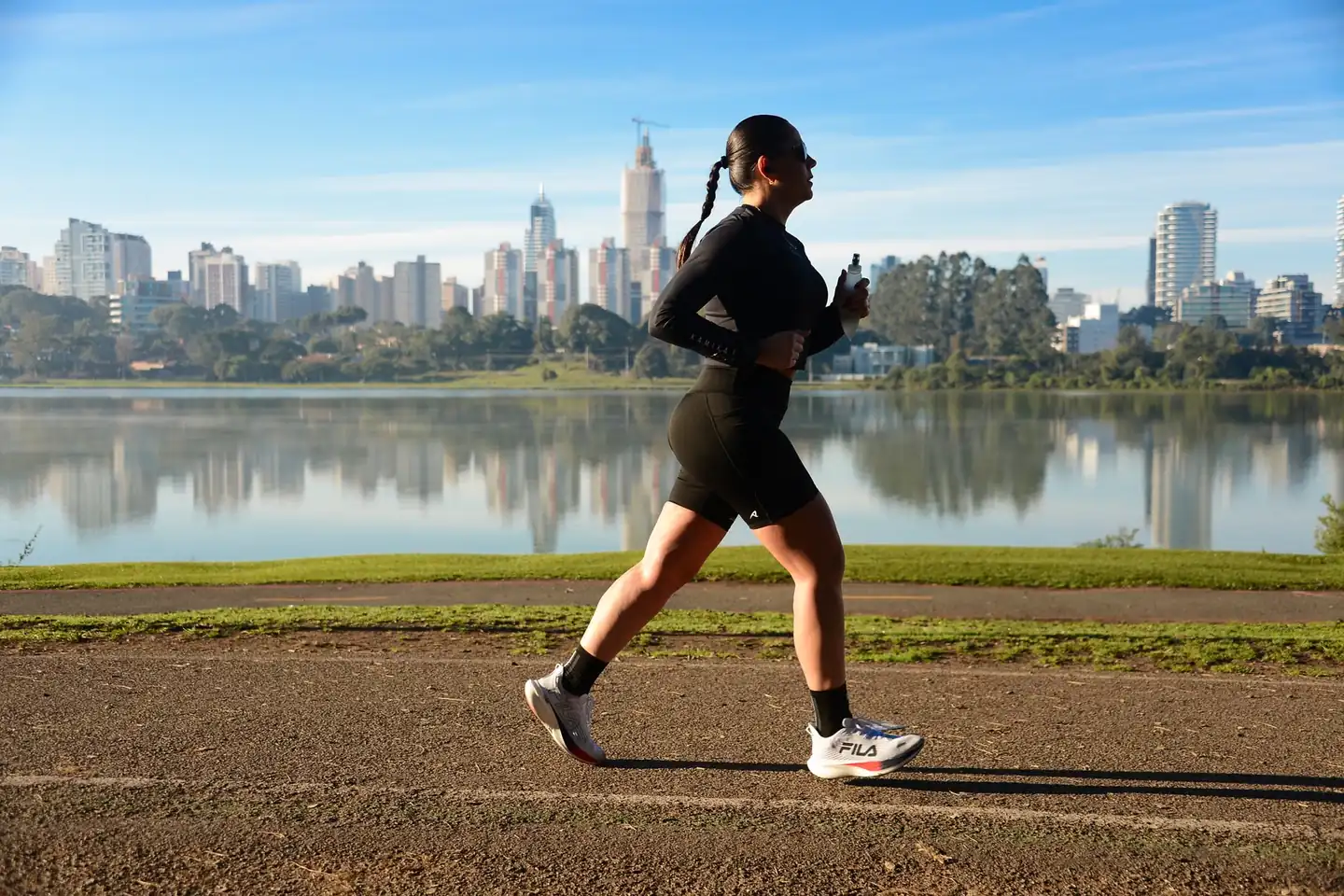
Technical clothing for female runners has stopped being a secondary accessory and has become a central piece of performance. A fabric that wicks sweat away, a well-placed seam, or a sports bra with the right support change the experience of a short run and also that of a long one. On the road, on the track, or in the park, the body responds better when the gear goes along with it and doesn’t get in the way.
The difference shows up in details that seem small and, yet, add up over kilometers. Less chafing, less heat buildup, less that damp feeling stuck to the skin, and more freedom of movement sum up why choosing the right gear matters so much. The industry has understood this, and that’s why today’s offer goes far beyond T-shirts and leggings: it includes layers for cold weather, quick-drying garments, specific cuts, and fabrics designed to run with stability and comfort.
Fabrics that work while the body runs
The first real quality filter is in the fabric. Cotton, so comfortable in everyday life, holds onto moisture and becomes heavy when effort increases. By contrast, technical synthetic fibers such as recycled polyester, polyamide, or blends with elastane allow sweat to spread and evaporate quickly. That behavior keeps the skin drier and helps prevent the temperature from shooting up on hot or very humid runs.
Breathability doesn’t depend only on the base material. Fabric density, the presence of mesh panels in strategic areas, and finishes that encourage ventilation also matter. In T-shirts and tops, the back, the underarms, and the upper chest usually trap heat, so brands place more open or perforated zones there. It’s a simple solution, but a very effective one, especially in long workouts or interval sessions where body temperature changes quickly.
Quick drying matters for another, less visible reason: it reduces that cold feeling when sweat cools down as intensity drops or when you enter shaded areas with wind. A soaked garment becomes a burden. A garment that dries quickly feels light, moves with you, and avoids that sticky discomfort that ends up ruining your mental rhythm.
Fit, pattern, and freedom of movement
In running, the cut matters almost as much as the fabric. A T-shirt that’s too loose can move too much and create friction at the sides or under the arms; one that’s too tight can limit breathing or give an unpleasant feeling of pressure. That’s why a women-specific pattern matters: slightly narrower shoulders, more adaptation in the chest, and a drape that follows the natural stride.
Well-designed technical garments combine fit and stretch. It’s not about being compressed as a rule, but about the piece staying stable when the body moves. Flat seams and softened edges help make sure nothing rubs, especially on long runs, where a small annoyance gets amplified with every step. What at first seems like a minor chafe can end up as irritation or a persistent distraction.
The feeling of freedom also changes a lot depending on the length of the garment. Tank tops favor ventilation on warm days, while short-sleeve shirts balance protection and freshness. On the lower half, lightweight shorts let more air through and leggings provide muscle stability and coverage. There’s no universal formula; there’s a combination that fits the weather, the type of session, and each runner’s personal taste better.
Sports bras and real support
The most decisive piece in the outfit is usually the sports bra. It’s not a minor accessory or just a comfort detail. During running, the chest moves in several directions, and that repeated movement can become uncomfortable and even painful if support is insufficient. That’s why there are compression, encapsulation, or hybrid models, each with a different approach to stability and the feeling of firmness.
The choice depends on impact, bust size, and the usual training distance. For easy runs, medium support may be enough, but in intervals, hills, or longer outings many runners prefer high support. The priority isn’t to squeeze more, but to support better. A good fit distributes pressure, keeps the garment in place, and avoids unnecessary bounce without turning breathing into an added effort.
It’s also worth looking at closures, cups, and straps. Racerback models free the shoulder blades well; back-closure ones allow more precise adjustment; seamless fabric models reduce seams and offer a cleaner feel against the skin. Each solution answers a specific need, and that’s the key: there isn’t a single valid option for everyone, but rather a range of technical answers to the same problem.
Leggings, shorts, and the question of distance
The lower half of the gear changes depending on duration and terrain. Long leggings usually make sense on cool days, in early-morning workouts, or when the body appreciates a more enveloping feel. They provide coverage, some compression, and a stable surface that moves very little. By contrast, shorts and short leggings let air circulate better and feel more comfortable when the heat is on or when the goal is to run with less visual and physical weight.
High-waisted versions have gained ground because they stay in place better and create a gentle feeling of support around the abdomen. Side or back pockets have also gone from being a rarity to a practical solution for carrying your phone, a key, or a gel. Modern running clothing is no longer just fabric: it’s everyday functionality too. The runner needs to move, but also to carry the bare minimum without complications.
In more technical models, you’ll find compression panels, inner liners, and seams designed to avoid chafing on the inner thighs. This matters especially for runners tackling medium and long distances, where the repeated swing of the stride can punish sensitive areas. Good design in the crotch and along the thigh edges can make the difference between a smooth workout and a run cut short by discomfort.
Layers for cold, wind, and light rain
The Mediterranean climate can be deceptive: a cool morning can turn into mild heat and a clear afternoon can bring damp wind. That’s why the outer layer deserves attention. Windbreakers, technical sweatshirts, and lightweight vests provide warmth without adding too much weight. They’re garments designed to cut the wind, keep some warmth at the start, and be easy to stash once the body is already in rhythm.
The most useful running jackets usually include front zippers, adjustable hoods, and reflective details. Elastic cuffs keep sleeves from riding up, and rear ventilation lets heat escape when intensity rises. In light rain or persistent wind, lightweight protection is worth more than heavy warmth, because running generates its own heat and a garment that’s too closed can turn that heat into discomfort.
Vests work especially well in in-between days: they protect the torso, leave the arms free, and allow a lot of mobility. They’re a very common solution among runners training outdoors in autumn and winter, when the thermometer doesn’t call for a full jacket but does call for a barrier against the air. Once again, the key is the balance between shelter and ventilation.
Details that turn a correct garment into a useful one
Accessories and small finishes carry more weight than they seem to. A zip pocket, a well-placed side opening, a hem that doesn’t roll up, or a band that doesn’t slip turn an ordinary garment into a reliable tool. In running, anything useless shows up fast because the movement is repetitive and the body doesn’t forgive design flaws.
Reflective elements are essential for low-light runs. They don’t work miracles, but they do increase visibility on streets, paths, and lanes shared with traffic or bikes. Zippers with guards prevent chafing on the neck or chin, and pieces with ventilation panels help keep sweat from building up in just one area. Good technical clothing doesn’t just dress you: it solves small problems before they appear.
Even color serves a function beyond aesthetics. Dark shades absorb more heat, while light ones reflect sunlight better. In summer, many runners prioritize whites, soft pinks, light blues, or bright grays for practical reasons; in winter, black and intense colors still dominate because they pair well with layers and hide wear from frequent use better.
How to match the choice to the type of workout
You don’t dress the same for an easy run as for an interval session or a mountain race. On relaxed runs, sustained comfort matters: soft fabrics, stable fit, and seams that go unnoticed. In fast workouts, lightness and sweat management take priority because body heat rises sooner and the clothing has to respond to that change without becoming heavy.
Trail running brings extra needs. Vegetation, elevation gain, and temperature swings call for garments that resist friction better and, at the same time, offer some protection. A very open T-shirt may be ideal on flat ground and fall short on a trail with branches or wind. The setting matters more than fashion: road, track, dirt, or mountains don’t ask for the same solution.
The choice also changes if you run in the morning, at midday, or at night. Early on, you often need a thin layer to get through the initial cold; in the middle of the day, especially in summer, ventilation and quick-drying fabrics take over; at dusk, visibility and temperature once again call for more reflective, more visible garments or ones with a bit more coverage.
What sets the price and what the runner really pays for
Price doesn’t always reflect better performance, but it usually does hint at more design work. A technical T-shirt can range from around 20 to 60 euros, while jackets, compression leggings, or high-support sports bras usually sit a bit higher because of the complexity of pattern-making and construction. It’s not about paying for a label; it’s about understanding which elements justify the cost.
The real differences are usually in fabric durability, seam quality, fit stability, and the ability to keep their properties after several washes. A cheap garment that quickly loses shape or support ends up being expensive. By contrast, a well-built piece can handle frequent training for much longer without becoming uncomfortable or misshapen.
Sustainability has also become part of the equation. More and more collections include recycled polyester, recovered polyamide, and lower-impact processes. For the runner, that shouldn’t be just an attractive label, but an additional sign that the industry is fine-tuning materials and production. The value is in the garment working, lasting, and not failing when the body gets moving.
The right garment is noticed before anyone looks at it
The best running clothes don’t draw attention on their own: they let themselves be forgotten during the effort. That is perhaps the most honest measure of their quality. If it doesn’t ride up, doesn’t chafe, doesn’t weigh you down, and doesn’t force you to keep adjusting it every few minutes, then it’s doing its job. Aesthetics still matter, of course, because personal taste matters too, but in running the most useful beauty is often the invisible kind.
In practice, a runner’s wardrobe is built with pieces capable of handling several scenarios without exaggeration. A good top, a quick-drying T-shirt, leggings that don’t roll down, and a lightweight jacket can cover much of the calendar if the pattern fits, the fabric breathes, and the support is right. Well-chosen technical clothing doesn’t promise miracles, but it does remove friction from the act of running. And that, in a sport of repetition, means gaining comfort, consistency, and something very valuable: the feeling that nothing is out of place once the kilometers start adding up.
Este artículo contiene enlaces de afiliado: si compras a través de ellos, se genera una pequeña comisión sin coste adicional para ti. Más información.



How to prevent thigh chafing: causes and real solutions

Women’s running windbreakers: seven jackets and how to choose

Do more workouts get rid of soreness? A guide for runners

Jaén Half Marathon 2026: Record 3,800 Runners Registered

Men’s short running tights: how to choose the right pair

World Triathlon confirms data breach involving medical data

Izan Edo targets podium at Miyazaki World Cup

María Pérez ranks ninth in World Athletics’ 2026 top ten

Dos Santos, Duplantis and Sawe: World Athlete of the Year finalists

San Silvestre Vallecana 2026: 42,000 places, prices and start times

 Races3 months ago
Valencia Half Marathon 2027: date and registration

 Races3 months ago
Valencia Marathon 2026: entry, ballot and course

 Reviews and Comparisons4 months ago
Asics Gel-Roadmiles 3 for men: review and current price

 Reviews and Comparisons4 months ago
Asics Gel Sonoma 8 Gore-Tex: complete analysis for trail and rain

 Sneakers3 months ago
Saucony Endorphin Pro 4: full review and verdict

 News5 months ago
Strava API 2026: what changes for clubs, challenges and runner apps?

 Reviews and Comparisons5 months ago
Nike Alphafly 3: opinions, sensations, and real key points

 Reviews and Comparisons4 months ago
Under Armour running shoes review 2025-2026: models and key features

 Sports Equipment4 months ago
Shoe sizes in cm: a clear guide to getting the right fit for your footwear

 Sneakers3 months ago
Skechers GO RUN Consistent 2.0 analysis: comfort and limits

 News5 months ago
Valencia Marathon 2026 route: key tips to train and run better

 Sneakers4 months ago
Adidas Adizero Boston 13 for men: review and verdict