News
Women’s outlet running shoes: key tips for training and running better
Leading brands, genuine discounts and useful criteria to help you choose wisely without overpaying for your next pair.

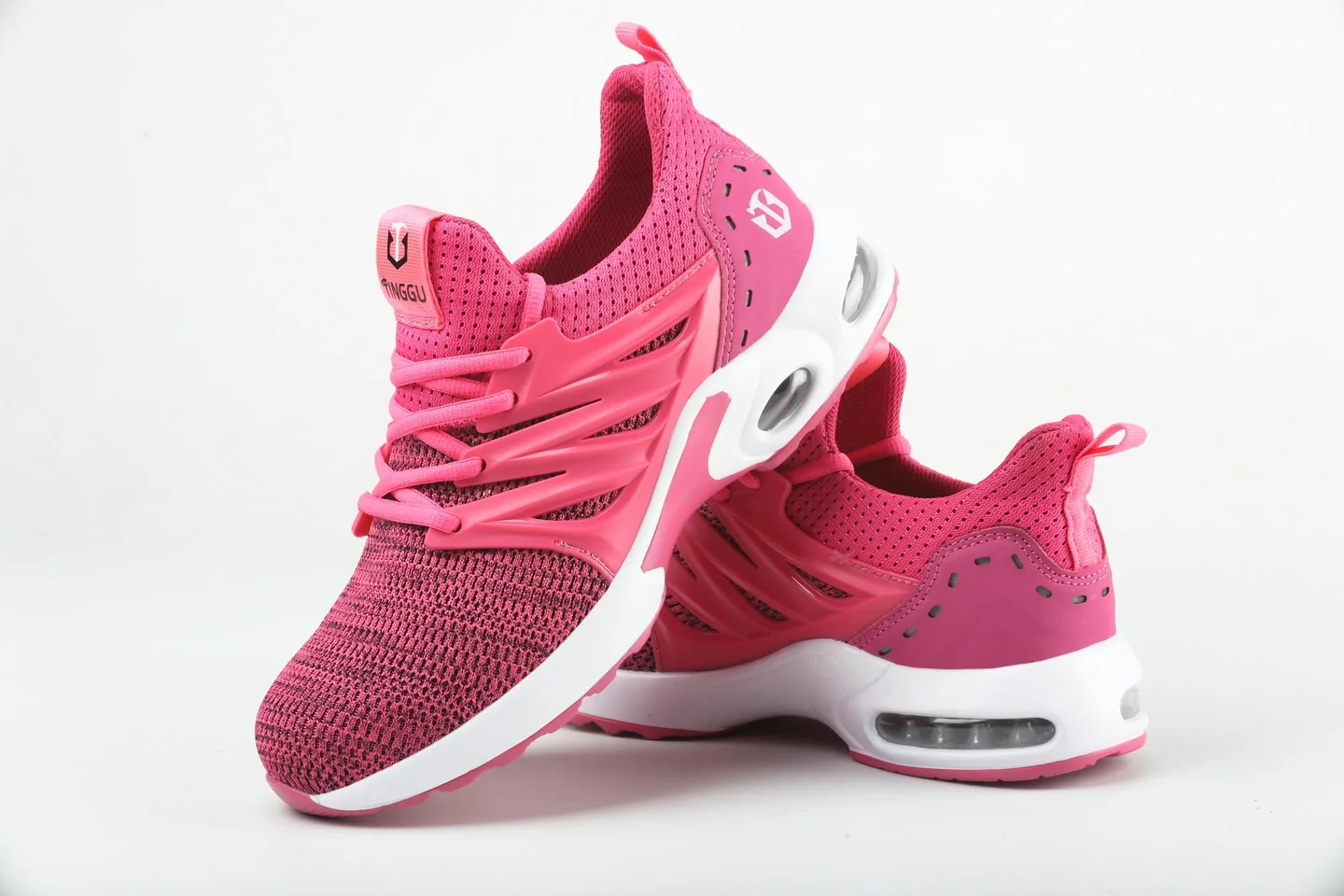
Imagen: jiaxin ni / Pexels
Women’s running shoe sales have stopped being a secondary corner of sports retail and have become a regular way to access technical, mid-range and even competition models. Clearance listings feature names that once set the entry price for a collection and now drop by between 30% and 50%, with isolated cases approaching 60% on specific models. This drop is not the result of a passing trend: it is driven by the sector’s own pace, the arrival of new versions and the need to clear specific sizes and colors.
For those who run regularly, the key is not just paying less, but understanding what they are buying. These sections bring together daily training shoes, options for long runs, mixed-use models, plated designs for faster paces and trail alternatives with waterproof membranes or more aggressive lugs. The discount, by itself, does not guarantee a good purchase; the combination of fit, intended use, cushioning and durability still matters, even when the price looks like a bargain.
The real value of a discount on technical footwear
A reduced price only makes sense if the product’s main function remains intact. In running, that function translates into stability, responsiveness, protection and a shape that does not punish the foot after several miles. Outlet catalogs show this logic clearly: an adidas Duramo SL can drop to 46.89 euros from 66.99; a Nike Revolution 6 sits at 40.19 compared with 66.99; a New Balance Fresh Foam 520 v9 appears at 41.99 when its original price was 69.99. These figures are useful because they make a clear pattern visible: savings usually range from 20 to 90 euros depending on the model and brand.
The difference between saving money and making the right choice usually lies in the model category. A shoe designed for easy training is not the same as one built for racing or for spending hours on asphalt. The offers display includes well-known models such as Nike Pegasus, adidas Ultraboost, Brooks Adrenaline, Asics Gel-Nimbus and Saucony Endorphin Pro, alongside entry-level or transitional options such as Run Defy, Galaxy 7 and Runfalcon 3. An informed reader is not just looking for the biggest discount, but for the version that matches her cadence, weight and way of running.
There is also a time-related aspect that is worth keeping in mind. Discounts on sports footwear are not organized solely around winter or summer campaigns. Flash promotions, seasonal changes and clearance sales on individual sizes often appear. That is why availability changes quickly, and the same model may appear today in two colors and tomorrow in just one. That volatility is part of the outlet game and explains why some models sell out sooner than others.
Which models tend to attract the most interest at the outlet
Interest is concentrated on names that have already proven their performance or that start at a high price. When a Nike Invincible Run 3 drops to 132.99 euros from 189.99, the appeal lies not only in the 30% discount, but in the combination of generous cushioning and premium-level prestige. The same applies to an adidas Ultraboost 23 at 139.99 euros, a Puma Deviate Nitro 3 WTR+ for 125.99 or a Saucony Endorphin Pro 2 at 109.99. Consumers recognize these families and see them as an opportunity to access technology that, until recently, was reserved for bigger budgets.
For daily training, the most sought-after models are usually those that offer balance. This is where adidas Supernova Rise 2, Nike Winflo 9, Nike Air Winflo 11 Gore-Tex, Mizuno Wave Skyrise 5, Asics Evoride 2 and Nike React Miler 3 come in. These are models that do not promise fireworks, but do offer a smooth transition, a solid base and a sensible lifespan. In an increasingly fragmented market, the average runner greatly values that feeling of a shoe that simply does its job well, without requiring technical learning or perfect form.
In trail, the pattern changes slightly. Discounts become more compelling on models such as Salomon Ultra Glide 2, Salomon XA Pro 3D v9, Puma Voyage Nitro 3, Merrell Antora 3, Dynafit Trailbreaker Gore-Tex and La Sportiva Jackal II Boa. Here, buyers look closely at two things: grip and protection. A lower price attracts attention, but in the mountains the terrain is what matters; a well-lugged outsole, a solid toe cap and, in some cases, a waterproof membrane carry more weight than the label.
How to tell a good deal from a rushed purchase
The best indicator is not the discount percentage, but the consistency between the intended use and the shoe. An offer can be excellent and still not suit what someone needs. The adidas Galaxy 7 or Nike Run Defy may be very interesting for easy runs or for anyone looking for an affordable first running shoe, while a Nike Zoom Fly 6 or Mizuno Wave Rebellion Flash 2 is better suited to pace sessions or runners who already have a more refined stride. The useful question is not how much the price has dropped, but what problem the shoe solves.
Size and fit deserve as much attention as the outsole or midsole. At the outlet, units in specific sizes are often all that remain, which makes it even more important to buy carefully. A pair that is too narrow around the toes, or has a low instep for a high-volume foot, ends up being expensive even if it cost less. The toe box should leave some room, the heel should not slip and the arch should feel supported, not compressed. These are small details that determine how a shoe performs in real life.
It is also worth reading the product description with a more technical and less impulsive eye. The drop, cushioning, presence of a plate, waterproofing and outsole type say much more than the color or commercial name. An 8- to 10-millimeter drop remains common in many training models; lower profiles tend to appear in light trail options or shoes seeking a more natural stride. In practice, this information helps explain how the shoe will behave when fatigue begins to load the calves, soleus muscles or plantar fascia.
What prices reveal about each segment
Reference prices reveal a fairly clear ladder within women’s running. At the lower end are entry-level options between 29.99 and 59.99 euros, such as the Asics Patriot 12, Nike Interact, adidas Duramo SL and Nike Revolution 6. In this range, the priority is usually value for money for those who run occasionally, alternate walking and jogging or do not want to commit too much of their budget. These are not spectacular models, but they are reasonable gateways into the sport.
The middle tier, where the most intense competition takes place, usually ranges from 70 to 110 euros at the outlet. This is where the Under Armour HOVR Sonic 6 at 71.99, adidas Supernova Stride 2 at 76.99, Under Armour Infinite Pro at 77.99, Puma Voyage Nitro 3 at 83.99, Asics Evoride 2 at 84.49 and Salomon X-Pearl Gore-Tex at 74.99 sit. This range is especially attractive because it provides access to more generous materials, better foams and, in some cases, technologies that were already a step above the base product.
Above 120 euros, models with a premium character continue to appear, even when discounted. Nike Invincible Run 3, On Cloudultra, Salomon Aero Glide 2, Topo Ultrafly and La Sportiva Jackal II Boa remain at the higher end because they start from a solid technical base. Their appearance at a discount does not mean they are inexpensive in the strict sense, but rather that they offer a noticeable reduction compared with their original positioning. In this segment, the savings matter, but the real value lies in paying less for a shoe that is normally designed to last longer and perform better.
The brands that dominate sales and why
Nike, adidas, Asics, New Balance, Brooks, Salomon, Saucony, Mizuno, Puma and Under Armour appear again and again in these displays because they combine volume, catalog continuity and many product lines. This allows them to move more models between seasons and make room for new versions. The result is a broad selection ranging from simple shoes to highly advanced options. For users, that breadth is positive because it increases the real chances of finding a familiar shape or a running feel that has already proven itself.
The brands with the highest turnover also tend to generate the most visible discounts. A family such as Pegasus or Winflo changes every so often; the same happens with Ultraboost, Supernova, Fresh Foam 520, Adrenaline and Gel-Nimbus. When a new version arrives, the previous one does not disappear immediately: it enters clearance, often with limited colors. This gap between the new release and the old stock being cleared creates the ideal conditions for finding quality models without paying the launch price.
In trail, the map is somewhat different, but the logic is the same. Salomon, Merrell, Dynafit, La Sportiva and some Puma or adidas Terrex models appear prominently when inventory needs to be cleared. These are brands associated with mixed terrain, mountains, demanding trails and long distances away from asphalt. The presence of membranes such as Gore-Tex and Vibram or Continental outsoles adds value, because not all savings are measured in euros: the cost of making the wrong choice on a rainy or muddy outing also matters.
Which types of female runners tend to make the most of these campaigns
Runners who train regularly are usually the biggest beneficiaries of the outlet. Anyone doing three or four runs a week does not necessarily need the latest release, but rather a reliable shoe with good cushioning and a contained price. Models such as the Nike Winflo 9, adidas Supernova Stride 2, Mizuno Wave Skyrise 5 and New Balance Fresh Foam 520 v9 fit this profile well. The savings show up on the receipt, while the functionality remains understated, stable and sufficient for building mileage without unpleasant surprises.
Runners who alternate between asphalt and dirt also find plenty of practical value here. In that case, trail or mixed-terrain models become more important. The Salomon Ultra Glide 2, Puma Voyage Nitro 3, Merrell Morphlite and adidas Terrex Trail Rider offer a reasonable transition between city streets and trails. The outlet makes it possible to access this type of footwear without paying the full cost of a newly launched collection, which matters when use is versatile rather than purely competitive.
Competitors and those who train at fast paces look at a different range of products. This is where plated shoes, more responsive foams and geometries designed for fast running come into view. Nike Zoom Fly 6, Saucony Endorphin Pro 2, adidas Adizero Adios Pro 4 and Mizuno Wave Rebellion Flash 2 are not options for everyone, but at sale prices they can be very appealing to those who already know how to make the most of that kind of feel. They are not bought on impulse; they are bought because the price stops being an unreasonable barrier to entry.
What to look for on a product page before paying
The technical specifications are, in reality, a brief X-ray of how the model behaves. If Gore-Tex appears, the shoe has been designed to withstand rain, puddles or sustained moisture; if it includes a plate, it seeks a livelier response; if the cushioning is high, it prioritizes comfort and protection; if the weight is low, it generally favors agility. None of these variables works alone. Their combination explains why two discounted models at the same price may suit very different runners.
Drop and stability remain two key details, even though they often go unnoticed. Shoes with a greater difference between heel and toe tend to take a little more load off the Achilles tendon and calf; low-drop shoes usually require a little more adaptation. In the same way, pronation-control or supportive options such as the Brooks Adrenaline GTS 22 help those who need a more guided platform. These are nuances that, in a physical store or detailed product description, make an enormous difference once the distance begins to add up.
Durability is not always obvious at first glance, but it leaves its mark over time. An outsole with good rubber, a midsole made with foam that does not collapse quickly and an upper that does not fray after the first use are signs of a sensible purchase. At the outlet, the trick is not to find the cheapest option in the batch, but the one that will hold up best over the course of several months. In the long run, that matters more than any aggressive discount.
The clearance market and the logic of individual sizes
Much of the outlet’s appeal comes from a very simple reality: there are fewer leftover models than specific sizes. One color may sell out immediately while another is still available; a size 39 may disappear before a 41; a waterproof version may be reduced to one particular combination. This fragmentation explains why catalogs show many models while availability keeps changing. It is not a system failure, but the normal way end-of-season sales work.
This behavior particularly benefits those with a less common size or very clear criteria. If someone knows which shape works for her, she can find genuine opportunities. A Nike Air Zoom Vomero 14 at 90.99, an adidas Solar Ride at 59.99 or a Salomon Aero Glide 2 at 111.99 can become excellent purchases if the size matches and the intended use is clearly defined. What is leftover stock to some people can be the ideal pair for the coming months for one particular runner.
That is also why the outlet works as a market thermometer. When many mid- to high-range models appear with steady discounts, the message is clear: product turnover is fast and the catalog is constantly being renewed. For consumers, this opens a useful, if temporary, window. Instead of chasing the absolute latest release, they can access very recent materials and technologies at less hostile prices. It is one of the few areas of sports retail where patience and knowledge almost always go hand in hand.
A sensible purchase starts with the intended use and ends with the discount
The best opportunity is not always the cheapest one, but the one that fits the mileage, terrain and foot. Women’s running shoe sales have room for those looking for a daily trainer, anyone wanting a waterproof winter option, those who run on trails and those chasing fast paces on asphalt. The catalog is broad, but the logic remains the same as during the season: each model responds to a specific need, and the price simply seals the decision.
That explains why these discount sections are so useful for informed runners. They make it possible to compare ranges, review technologies and better understand the market without paying the full cost of a new release. Between an adidas Runfalcon 3 at 41.99, a Nike Air Winflo 11 Gore-Tex at 90.99, an Asics Patriot 12 at 29.99 and a La Sportiva Jackal II Boa at 143.49, there is a complete map of styles, goals and budgets. The discount serves as the gateway; judgment is the safeguard against making a mistake.
In the end, the sports outlet is less about deals and more about selection. Runners who take a few minutes to read the product description, assess the outsole and think about real-world use end up with the advantage. The display may look like a mosaic of big names and eye-catching percentages, but underneath it carries a fairly simple lesson: in running, buying well does not mean chasing the most striking sign, but finding that rare balance between feel, durability and price that turns a discounted pair into a genuinely useful tool.
You may also like: Men’s running shoes outlet: which one to choose according to your runner profile.
Este artículo contiene enlaces de afiliado: si compras a través de ellos, se genera una pequeña comisión sin coste adicional para ti. Más información.



How to prevent thigh chafing: causes and real solutions

Women’s running windbreakers: seven jackets and how to choose

Do more workouts get rid of soreness? A guide for runners

Jaén Half Marathon 2026: Record 3,800 Runners Registered

Men’s short running tights: how to choose the right pair

World Triathlon confirms data breach involving medical data

Izan Edo targets podium at Miyazaki World Cup

María Pérez ranks ninth in World Athletics’ 2026 top ten

Dos Santos, Duplantis and Sawe: World Athlete of the Year finalists

San Silvestre Vallecana 2026: 42,000 places, prices and start times

 Races4 months ago
Valencia Half Marathon 2027: date and registration

 Races4 months ago
Valencia Marathon 2026: entry, ballot and course

 Reviews and Comparisons4 months ago
Asics Gel-Roadmiles 3 for men: review and current price

 Reviews and Comparisons4 months ago
Asics Gel Sonoma 8 Gore-Tex: complete analysis for trail and rain

 Sneakers4 months ago
Saucony Endorphin Pro 4: full review and verdict

 News5 months ago
Strava API 2026: what changes for clubs, challenges and runner apps?

 Reviews and Comparisons5 months ago
Nike Alphafly 3: opinions, sensations, and real key points

 Reviews and Comparisons4 months ago
Under Armour running shoes review 2025-2026: models and key features

 Sports Equipment4 months ago
Shoe sizes in cm: a clear guide to getting the right fit for your footwear

 Sneakers3 months ago
Skechers GO RUN Consistent 2.0 analysis: comfort and limits

 News5 months ago
Valencia Marathon 2026 route: key tips to train and run better

 Sneakers4 months ago
Adidas Adizero Boston 13 for men: review and verdict