Races
100 Millas Sierras del Bandolero 2027: dates and route
Three distances, an evening start and Andalusian mountains: what to expect in Prado del Rey in March 2027.

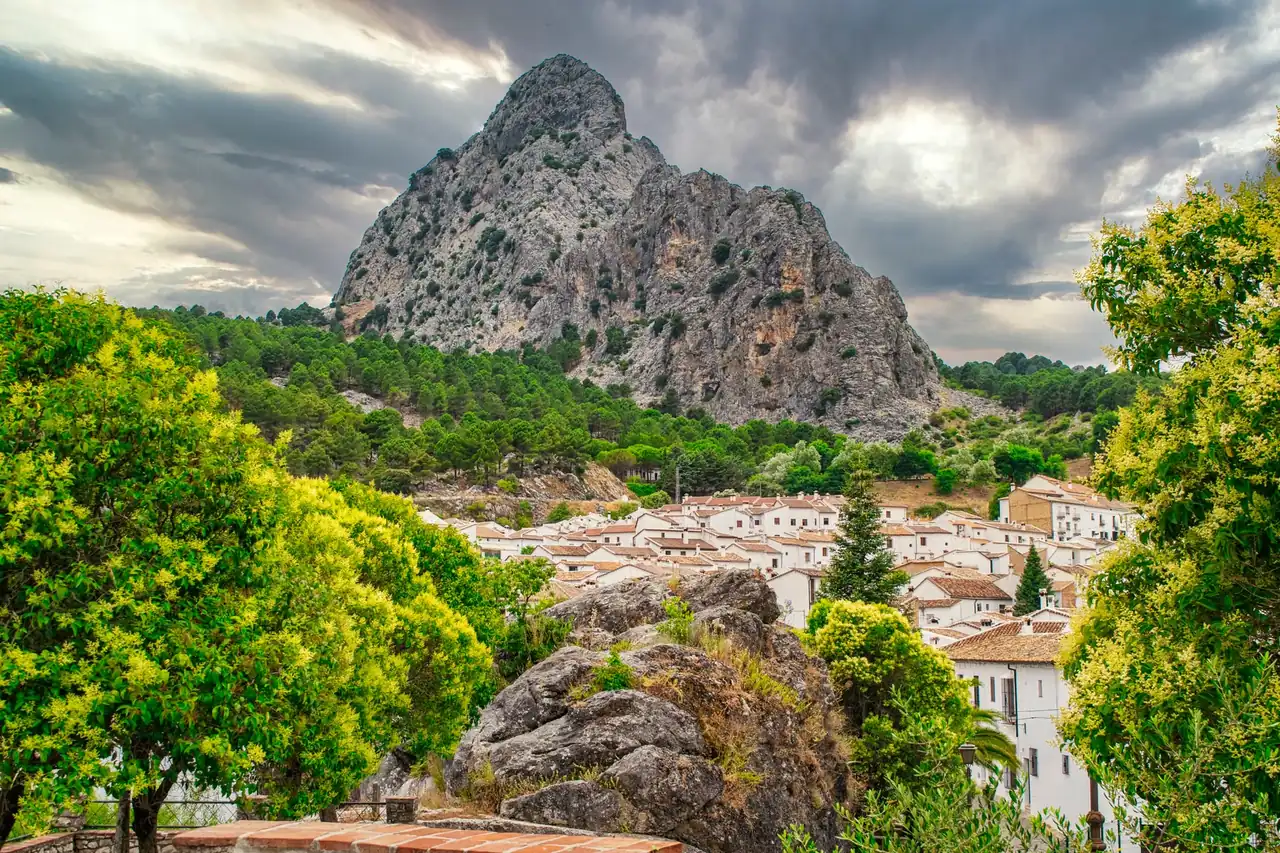
The next edition of the Sierras del Bandolero ultra will take place from March 5 to 7, 2027, with the start and finish in Prado del Rey, Cádiz. Available information lists routes of 40, 81 and 160 kilometres, with the races scheduled to start at 6 p.m. on Friday, March 5. The course crosses mountain paths and trails in the Cádiz and Málaga ranges.
The longest distance will take participants through mountain sections and towns such as El Bosque, Benamahoma, Grazalema, Ronda and Benaoján. For prospective entrants, the essentials are terrain-specific preparation, managing the night and checking the final regulations: schedules, mandatory gear and race conditions must be confirmed with the organisers before travelling.
Dates, start time and announced distances
The event is scheduled to run from Friday, March 5, to Sunday, March 7, 2027. The 160-kilometre race is listed to start at 6 p.m. Friday from Parque Blas Infante, at the fairground in Prado del Rey, and finish at the same location. The finish-line cutoff is scheduled for 11 a.m. on Sunday, March 7, while the awards ceremony is listed for noon or later.
The reference information includes three distances: 40, 81 and 160 kilometres. The amount of detail published for 2027 varies by distance: specific course data is available for the 40-kilometre race, but no verified official profile for the other two appears in the supplied material. Elevation figures from previous editions should therefore not be treated as confirmed data for this event.
The event schedule says bib pickup and drop-bag delivery will take place Friday from 11 a.m. to 5 p.m. The race will start at 6 p.m. The programme may be updated, so it is sensible to check official instructions before arranging travel or deciding when to arrive.
A route through Cádiz and Málaga
The 160-kilometre race links several mountain towns and combines tracks with trails. The described route passes through Prado del Rey, El Bosque, Benamahoma, Villaluenga del Rosario, Montejaque, Ronda, Benaoján, Jimera de Líbar, Cortes de la Frontera and Grazalema before returning toward the start. It is not a uniform loop: surfaces and gradients change as runners cross valleys, slopes and mountain sections.
The setting includes parts of the Sierra de Grazalema and the White Villages route, a landscape that adds appeal without reducing the physical demands. On uneven trails, a climb may require walking, while a rocky descent can consume as much energy as a running section. Strategy must adapt to the terrain, not to a fixed pace calculated for road running.
The towns along the way also help illustrate the ultra’s logistical scale: long stretches between built-up areas and mountain sections make self-sufficiency important. The supplied information does not include the complete itinerary or distances between checkpoints for every race. The final track and route book are the reference for planning each segment and identifying authorised support points.
What is known about each distance
The 40-kilometre race has specific technical details in the reference information: 1,346 metres of elevation gain, 1,755 metres of elevation loss and a maximum elevation of 1,340 metres. It is described as moderately technical and point-to-point. The descent exceeds the climb, which means runners need to prepare their legs for substantial cumulative downhill running, not just uphill sections.
No verified official elevation figure for the 2027 edition is available for the 81-kilometre race. Nor is a confirmed elevation-gain figure provided for the 160-kilometre race. In both cases, the duration and sustained effort are part of the challenge, but older profiles or third-party figures should not become training targets. The organisers should publish definitive information for each distance.
The shortest distance should not be mistaken for an easy event. A 40-kilometre mountain route, with more descent than climbing and changing surfaces, can tax the quadriceps and ankles. In the ultras, the challenge shifts toward endurance, fuelling and the ability to keep moving for hours. Each distance calls for different preparation, even though the start and setting are shared.
March in the mountains: rain, mud and night-time cold
March can bring mild daytime temperatures and considerably colder conditions after dark or at higher elevations. The Grazalema area is known for abundant rainfall compared with other Mediterranean regions, so mud and wet rock are possibilities to plan for, not certainties for race day. A specific forecast will only be useful as the date approaches.
Wind can make exposed sections feel colder, while rain can affect grip. Temperatures also change quickly between towns, mountain passes and valleys. Preparing for these variations means practising with clothing that allows layers to be added or removed without lengthy stops and choosing footwear already tested on similar surfaces. The beauty of the scenery should not obscure the exposure involved in mountain running.
A reliable forecast for March 5, 2027, cannot be provided now. Decisions about waterproofs, gloves and thermal layers will need to rely on forecasts in the days before the race and on the organisers’ guidance. A sound plan accounts for both dry and wet conditions, without assuming that a previous edition’s weather will repeat itself.
Preparation built around useful endurance
Preparation should start with each runner’s background, mountain experience and chosen distance. As a general guide, the reference information suggests 10- to 12-week training cycles for 40 kilometres, 12 to 16 weeks for 81 kilometres and 16 to 24 weeks for 160 kilometres, depending on the runner’s base and ability to handle training load. These time frames are not a substitute for individual planning and do not guarantee adequate preparation.
A training week may combine a long run, easy sessions and strength work, with intensity adjusted to the runner’s level. For this race, it is worth practising a run-walk approach on climbs, since insisting on running can raise effort without producing useful speed. In an ultra, purposeful hiking is also a race skill.
Strength work helps maintain efficient movement when fatigue and descents set in. Squats, lunges, calf raises, glute exercises and stability work may form part of a suitable routine if adapted to fitness level and kept from creating excessive strain. For longer distances, the main goal is to preserve the ability to move for many hours, not chase speed records.
For the 160-kilometre race, experienced runners with a solid base may benefit from some weekends with two consecutive sessions. A long outing followed by a more moderate one can help them get used to running with residual fatigue. It should not become a weekly race: recovery is part of training and helps prevent fatigue from accumulating without allowing the work to be absorbed.
Pacing, technique and night running
With a planned 6 p.m. start, night running will be a major part of the longest distance. Practising with a headlamp, clothing and pack before the event can reveal chafing, fit issues or difficulty navigating in low light. Darkness also changes how runners read the terrain and requires them to look several metres ahead. Night-running equipment should not be used for the first time on race day.
On the first climbs, particularly in the 81- and 160-kilometre races, runners should resist the urge to gain time too early. An effort that feels comfortable at the start may become costly many hours later. Breathing, gradient and surface conditions are more useful guides than pace per kilometre, which constantly changes in the mountains. Consistency means controlling effort, not holding exactly the same speed.
On descents, a short stride and light foot placement help runners respond to loose stones, roots or mud. Braking constantly with the heels puts stress on the quadriceps and may increase impact on the knees. Technique should be practised gradually on different slopes and surfaces, without chasing speed where the terrain is unsafe. Controlled descending also saves energy for the next section.
Food and hydration during a long race
The reference information describes the 160-kilometre race as semi-self-sufficient or fully self-sufficient. It also gives an organisational guideline to start with at least 800 kilocalories of food and one litre of water. These amounts are a logistical reference, not universal nutrition advice or a substitute for the 2027 regulations, which should confirm requirements for each distance.
Runs lasting more than two hours provide an opportunity to test food, drinks and electrolytes in conditions similar to race day. Carrying energy products is not enough: runners should check that they can tolerate them during prolonged effort and consume them easily while walking or running. Fuelling strategy should be practised before the event, because appetite and digestion may change with fatigue, cold and intensity.
The supplied information does not specify what products or quantities will be available at every aid station. For the 40-kilometre race, it identifies stops in Grazalema, around kilometre 11.4; Benamahoma, around kilometre 22.4; and El Bosque before the finish. Those details should not be applied to the other distances: each race’s route book is needed to calculate what to carry between checkpoints.
Equipment to check
For the 40-kilometre race, the listed mandatory equipment includes a long-sleeved hooded windproof jacket, a thermal blanket measuring at least 1.20 by 1.20 metres, a container for at least one litre of water, a charged phone and a whistle. The list also mentions a hat or head covering, GPS with the route, food and electrolytes, sunglasses, sunscreen, gloves and a small first-aid kit. The final list must be checked against the 2027 regulations, as requirements may vary by distance.
A headlamp and spare batteries are described as recommended rather than mandatory for the 40-kilometre race in the available information; a red rear light is also mentioned as an exception for that distance. The evening start makes lighting an important decision even if it is not listed as a requirement. For the 81 and 160 kilometres, runners should not assume the 40-kilometre list applies: everyone should check the rules for their specific race.
Trail shoes should offer suitable grip for the expected surface, but the right choice depends on the terrain and the runner’s experience. A pack, socks and rain layers also need to be tested beforehand to prevent chafing and discomfort. Anyone using poles should practise with them uphill and while carrying a loaded pack. Familiar equipment is usually more reliable than a last-minute first outing.
Safety, navigation and race rules
The reference information says the organisers provide a track and profile for the 40-kilometre route. Loading it onto a watch or GPS and making sure it can be accessed without mobile coverage may help at junctions, although electronic navigation does not replace course markings or official instructions. A charged phone, whistle and thermal blanket take up little space and can matter in an incident.
According to the supplied race information, outside assistance is prohibited except at authorised points. It also warns that leaving litter outside designated areas may result in disqualification. These conditions are part of how a mountain race operates and should be read in full before the event. The regulations determine what assistance is allowed and where.
Cutoff times, checkpoints and withdrawal procedures should not be inferred from previous editions. The organisers may change checkpoints and operating conditions, and old figures can lead to poor planning. Checking the 2027 documentation helps runners prepare their supplies and understand emergency procedures. Safety depends on preparation as well as following current rules.
Paperwork and race-weekend logistics
The supplied organisational information says bib pickup and drop-bag delivery are scheduled for Friday, March 5, from 11 a.m. to 5 p.m., before the 6 p.m. start. It also mentions document submission from the first half of January or on race day, including a sworn declaration, a federation licence if the runner has one, and a medical certificate issued in 2027. These requirements need to be verified against the latest official instructions.
The long-distance finish is scheduled to close at 11 a.m. Sunday, March 7, according to the programme provided, with the awards ceremony beginning at noon or later. There are many hours between Friday’s start and the Sunday cutoff, so pre-race logistics include rest, travel to Prado del Rey and organising equipment for the start. The cutoff and schedule should be confirmed before making travel plans.
The supplied information does not include 2027 entry fees, deadlines, place availability or refund terms. It is also unwise to assume that one distance follows the same entry process as a previous edition. The named organising source is Club de Montaña Tritón; its official communications are the reference for entries, documents and changes. The absence of a listed fee here does not allow the cost to be estimated.
Prado del Rey and the race’s appeal
Prado del Rey serves as the start and finish for the long-distance race, in an event connecting several towns across the Cádiz and Málaga ranges. The link between villages, tracks and trails gives the route a different character from a race confined to a single loop. The landscape is part of the experience, but also part of the challenge: every change of valley or surface requires an adjustment in effort.
The event is presented as one of Andalusia’s longest-running ultras and is associated with the Sierra de Grazalema and the White Villages. That identity helps explain its appeal to long-distance runners, although the difficulty cannot be summed up by kilometres alone. Night running, weather, elevation and self-sufficiency affect each participant differently. In an ultra, moving with good judgment can matter more than running fast.
The 40-kilometre race offers a shorter distance but retains its mountain character and notable cumulative descent. The 81 kilometres increase time on the course, while the 160-kilometre distance means facing a challenge that stretches through the night and into the following day. Choosing a distance means weighing experience, preparation and recovery capacity, not ambition alone.
What is missing and how to read the available information
The available details combine event information with facts that have different levels of confirmation. The date, town, 100-mile start time and start location are specified in the supplied documentation; the official 40-kilometre profile also includes technical figures. However, verified elevation figures for the 81- and 160-kilometre races and entry fees are not provided. Separating confirmed details from pending ones prevents estimates from being mistaken for facts.
Third-party listings also differ over the number of race options and event details. The main reference describes 40, 81 and 160 kilometres, while other pages focus only on the 160-kilometre distance. The most useful information for decision-making will therefore be what the organisers publish for each route, along with updated regulations and route books. A race-calendar listing does not replace official instructions.
Weather forecasts, cutoff times, mandatory equipment and aid-station locations may change or be specified later. Until that documentation is available, it is reasonable to use the current details as general guidance rather than a finished logistics plan. Physical preparation can continue; operational details should wait for 2027 confirmation.
An ultra decided long before the start
The March event in Prado del Rey combines three distances, mountain terrain and a start time that puts night running at the heart of the challenge. The 160-kilometre route links towns in Cádiz and Málaga; for the 40 kilometres, the published elevation loss highlights the importance of downhill training. The final profiles for the 81- and 160-kilometre races still need confirmation. Preparing for the event means separating what is known from what still depends on the regulations.
Endurance, strength, headlamp practice, tested fuelling and caution on descents provide a reasonable foundation for the terrain. That preparation must be paired with a review of mandatory equipment and a close reading of official schedules and checkpoints. When March arrives, the mountains will provide the setting; the ability to adapt to their changing conditions will determine the real pace of the day.
Where to stay in Prado del Rey
Hotels available 3–6 March 2027.
Affiliate links: if you book through this map we earn a commission, at no extra cost to you.



How to prevent thigh chafing: causes and real solutions

Women’s running windbreakers: seven jackets and how to choose

Do more workouts get rid of soreness? A guide for runners

Jaén Half Marathon 2026: Record 3,800 Runners Registered

Men’s short running tights: how to choose the right pair

World Triathlon confirms data breach involving medical data

Izan Edo targets podium at Miyazaki World Cup

María Pérez ranks ninth in World Athletics’ 2026 top ten

Dos Santos, Duplantis and Sawe: World Athlete of the Year finalists

San Silvestre Vallecana 2026: 42,000 places, prices and start times

 Races4 months ago
Valencia Half Marathon 2027: date and registration

 Races4 months ago
Valencia Marathon 2026: entry, ballot and course

 Reviews and Comparisons4 months ago
Asics Gel-Roadmiles 3 for men: review and current price

 Reviews and Comparisons4 months ago
Asics Gel Sonoma 8 Gore-Tex: complete analysis for trail and rain

 Sneakers4 months ago
Saucony Endorphin Pro 4: full review and verdict

 News5 months ago
Strava API 2026: what changes for clubs, challenges and runner apps?

 Reviews and Comparisons5 months ago
Nike Alphafly 3: opinions, sensations, and real key points

 Reviews and Comparisons4 months ago
Under Armour running shoes review 2025-2026: models and key features

 Sports Equipment4 months ago
Shoe sizes in cm: a clear guide to getting the right fit for your footwear

 Sneakers3 months ago
Skechers GO RUN Consistent 2.0 analysis: comfort and limits

 News5 months ago
Valencia Marathon 2026 route: key tips to train and run better

 Sneakers4 months ago
Adidas Adizero Boston 13 for men: review and verdict