Races
ADV Trail 2027: date and location
Alcudia de Veo will welcome mountain runners again in May, though distances and start times are still unconfirmed.

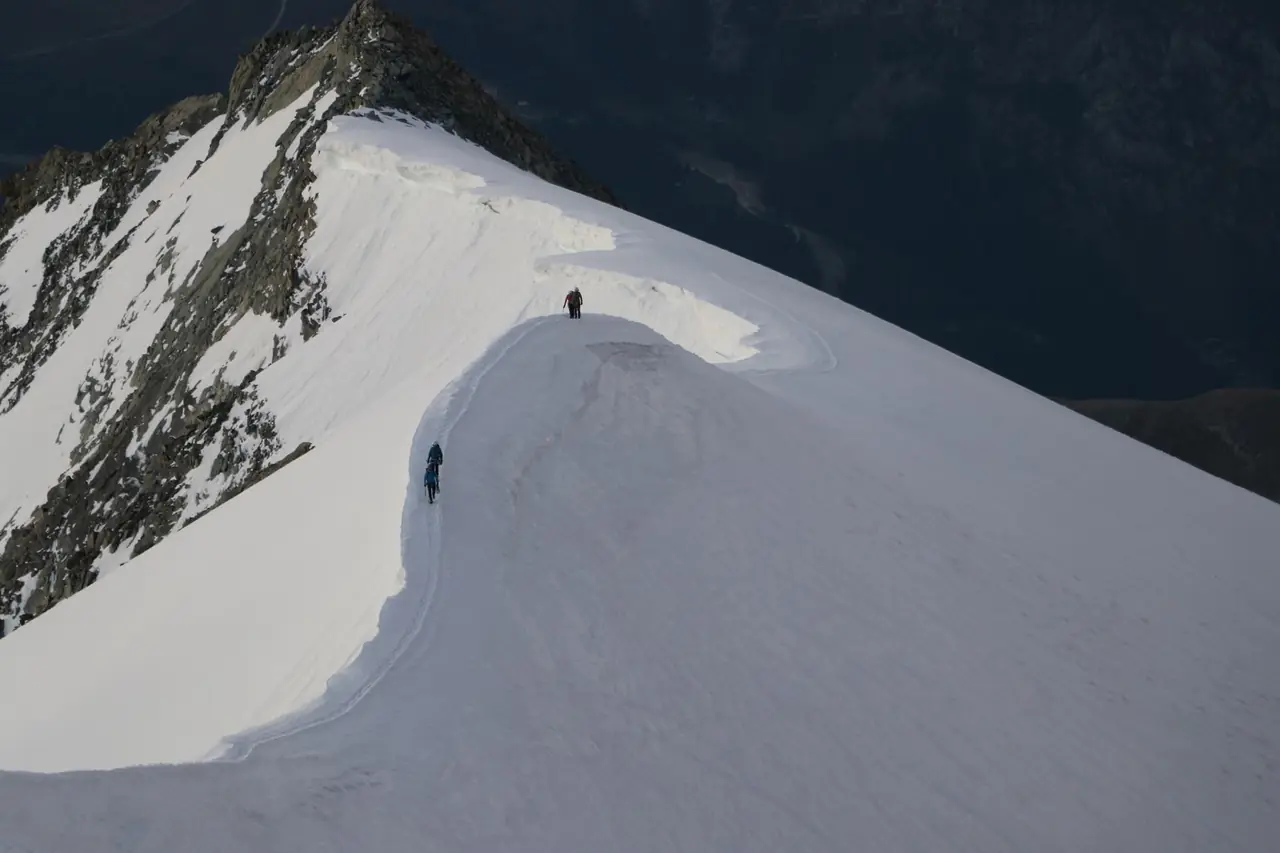
The mountain race in Alcudia de Veo will return in 2027, with a confirmed date of May 14 and an announced event period running from May 13 to 16. The event, associated with the Sierra de Espadán and known for its demanding routes, reaches its 15th edition, according to the available information. The programme, distances, start times and entry fees for this edition have not yet been detailed.
That distinction matters: previous editions help explain the event’s character, but they do not guarantee that the course or format will stay the same. The 2023 event offered 10-, 25- and 45-kilometre routes, while the 25.5-kilometre race in 2024 recorded 2,000 metres of positive elevation gain. These are useful reference points, not confirmed details for 2027.
A mountain event with a confirmed date
Alcudia de Veo, in Castellón province, sits in a landscape shaped by the Sierra de Espadán. For runners following the trail calendar, the clearest detail about the next edition is May 14, 2027. Promotional information also places the event between May 13 and 16, suggesting several days of activity, although it does not indicate which races or events will take place on each day.
The difference between an event date and a complete schedule is significant. At a mountain race, start times, bib collection and the order of distances affect travel, accommodation and preparation. Since the available 2027 reference information does not include these details, past start times should not be carried over to the new edition or treated as a confirmed schedule.
The 15th-edition designation fits the history reflected in the available records: the 11th edition took place in 2023 and the 12th in 2024. That continuity reinforces the identity of a local event that has drawn runners from different places, but it does not establish that every edition has kept the same course, sporting format or number of races.
What previous editions reveal
The 2023 edition featured three distances: 10, 25 and 45 kilometres. The longest had 3,500 metres of positive elevation gain and started at 6 a.m. on a night described as cool and windy. The 25-kilometre course was also demanding, while the 10-kilometre route gained 950 metres, giving the shorter race an unusually steep profile.
In 2024, the 25.5-kilometre race record listed 2,000 metres of climbing and 183 finishers. That provides a specific reference for one race in that edition, but it does not show that an equivalent event will be held in 2027. Nor can it be used to estimate likely times on a new course: terrain, ground conditions, weather and route changes can all affect the effort.
AdvKids was also held in 2023, a noncompetitive children’s activity that climbed towards Alcudia de Veo Castle. Its presence shows that the event has included activities for children as well as adult races. However, the available information does not confirm that it will return in 2027. The new programme will need to clarify both the competitive races and any accompanying activities.
Terrain that demands more than distance
In trail running, distance alone tells only part of the story. A 10-kilometre route with 950 metres of positive elevation gain can be harder than a much longer, flatter course because runners must alternate steep climbs, technical descents and constant pace changes. Alcudia de Veo’s historic figures point to precisely this kind of challenge: substantial elevation on relatively short routes, alongside a long course with a considerable cumulative load.
The Sierra de Espadán provides the event’s mountain setting, but a place name cannot replace an official course profile. Runners will need the 2027 maps, elevation figures, aid-station locations and cutoff times, if any, to assess the real demands. Without them, directly comparing a new distance with the 2023 or 2024 routes would be like judging a route from a line on a page: the terrain would be missing.
Ground conditions matter too. Rain can make rocks slippery and change the feel of the trail; heat, by contrast, increases the strain of an exposed climb and makes water management more important. In a mountain race, these are not minor details. Organisers may change routes or instructions for safety reasons, so the final event information should take precedence over any reference to earlier editions.
Putting the long race’s difficulty in context
The 45-kilometre race in 2023 helps explain why the event is associated with demanding mountain terrain. With 3,500 metres of positive elevation gain, it called for endurance and technical confidence, not just the ability to run for hours. The men’s winner completed that course in 5 hours and 15 minutes, while the women’s winner finished in 7 hours and 32 minutes. Those are results from one edition, not a forecast or target time for 2027.
Positive elevation gain is the sum of all the climbs on a route. It is not the difference between the highest and lowest points: a course can rise and fall repeatedly and accumulate thousands of metres even if it finishes close to where it began. The total helps indicate the workload, but it should be considered alongside the profile, distance, trail surface and cutoff times.
The 25-kilometre race that year also illustrated the local challenge. A leading runner completed the course in 3 hours and 15 minutes after getting lost twice, according to the available report. The incident is a reminder that navigation and attention to course markings are part of mountain running. For 2027, runners should check the route instructions and marking details in the event rules once they are published.
What is still unknown about 2027
The date and town identify the event, but they are not enough to plan an entry or trip with confidence. The available information does not list the 2027 distances, start times, precise start and finish locations, fees, entry deadlines or participant limits. It also does not specify medical requirements, mandatory equipment, or rules for withdrawals and assistance.
Those details can vary between mountain-race distances. A long course may have different checkpoints and mandatory equipment from a shorter one; a children’s activity may be noncompetitive and have its own conditions. Until the regulations for the edition are published, none of these requirements should be treated as confirmed on the basis of what happened in 2023 or 2024.
The key information will be in the organiser’s 2027 event notice: downloadable course maps and profiles, elevation, start times, aid stations, finish cutoffs, entry rules and bib collection procedures. If several distances are announced, those details will make it possible to compare their actual demands. The current lack of detail does not mean the race has been cancelled; it simply means the published calendar does not yet provide all the information expected in a complete race listing.
Reading the calendar without confusing dates
Promotional information places the event between May 13 and 16, while the specific date provided for the race is Friday, May 14, 2027. Both details could fit if activities are spread over several days, but they do not establish which day each distance will take place. May 14 should therefore be treated as the stated confirmed race date, with the wider period understood as the announced event window.
The 2023 edition, by contrast, took place on April 2, and the 2024 event was held on April 7. The move to May in 2027 makes it especially important to wait for that year’s weather information and regulations rather than assuming spring conditions will be identical. In the mountains, a difference of a few weeks can change temperatures, ground moisture and available daylight.
For visitors travelling from outside the area, Alcudia de Veo is a useful location reference, not a start-line address. The precise meeting point and access instructions must be confirmed in the edition’s official information. Until then, it is unwise to make bookings based on a location used in a previous year: an event can change its start area, logistics or format while remaining in the same municipality.
A history tied to the local community
Reports from previous editions describe an event organised by Club Deportivo Alcudia de Veo Team, with Molecor as main sponsor alongside local organisations and partners. In 2023, the organisers highlighted the role of the town council and the people who make the event possible. That community dimension helps explain the appeal of small races: the trails are not only a sporting setting, but paths connecting the village with its landscape.
The participation of runners from several provinces in 2023 shows that interest can extend beyond the local area. That edition included athletes experienced in mountain and ultra-distance races, although those results do not predict the competitive field for the next event. The entrants depend on the announced distances, the wider race calendar and athletes’ interest.
The children’s activity also added a different dimension to the event. A climb towards the castle, organised without rankings, turns the route into an introductory experience and a shared outing rather than a race against the clock. This approach can help families connect with the natural setting, though its return in 2027 is not confirmed. The new programme will show whether the activity returns and under what participation conditions.
The details that will define the new edition
The race’s appeal lies in its combination of mountain terrain and difficulty, but its final character will depend on what the 2027 programme reveals. If there is a long-distance race, it will shape the endurance challenge; the shorter events will show whether the concentrated elevation of earlier courses is retained. It will also be worth checking whether the children’s activity returns and whether the organisers maintain several days of events around the competition.
Until those details are available, the most accurate account is straightforward: the event is announced for Alcudia de Veo, its specific date is May 14, 2027, and the wider published period runs from May 13 to 16. It is presented as the 15th edition, but its distances, start times, fees and participation conditions are not confirmed in the information provided. The 2023 and 2024 courses help explain the event’s reputation for difficulty; they cannot fill gaps in a future rulebook.
In the mountains, every kilometre has a different texture: a slope breaks the rhythm, loose rock draws the eyes to the ground, and a ridge can change the perceived effort in minutes. That is the expectation left by Alcudia de Veo’s previous editions. The official 2027 course will turn that reputation into a specific measure, with its own profiles, distances and rules for a new edition.



How to prevent thigh chafing: causes and real solutions

Women’s running windbreakers: seven jackets and how to choose

Do more workouts get rid of soreness? A guide for runners

Jaén Half Marathon 2026: Record 3,800 Runners Registered

Men’s short running tights: how to choose the right pair

World Triathlon confirms data breach involving medical data

Izan Edo targets podium at Miyazaki World Cup

María Pérez ranks ninth in World Athletics’ 2026 top ten

Dos Santos, Duplantis and Sawe: World Athlete of the Year finalists

San Silvestre Vallecana 2026: 42,000 places, prices and start times

 Races3 months ago
Valencia Half Marathon 2027: date and registration

 Races3 months ago
Valencia Marathon 2026: entry, ballot and course

 Reviews and Comparisons4 months ago
Asics Gel-Roadmiles 3 for men: review and current price

 Reviews and Comparisons4 months ago
Asics Gel Sonoma 8 Gore-Tex: complete analysis for trail and rain

 Sneakers3 months ago
Saucony Endorphin Pro 4: full review and verdict

 News5 months ago
Strava API 2026: what changes for clubs, challenges and runner apps?

 Reviews and Comparisons5 months ago
Nike Alphafly 3: opinions, sensations, and real key points

 Reviews and Comparisons4 months ago
Under Armour running shoes review 2025-2026: models and key features

 Sports Equipment4 months ago
Shoe sizes in cm: a clear guide to getting the right fit for your footwear

 Sneakers3 months ago
Skechers GO RUN Consistent 2.0 analysis: comfort and limits

 News5 months ago
Valencia Marathon 2026 route: key tips to train and run better

 Sneakers4 months ago
Adidas Adizero Boston 13 for men: review and verdict