Races
Alcalá de Henares 10K 2025: time, route and price
The Complutense race returns with a fast 10,000, a Christmas atmosphere, and all the useful information about the start, bib numbers, and route.

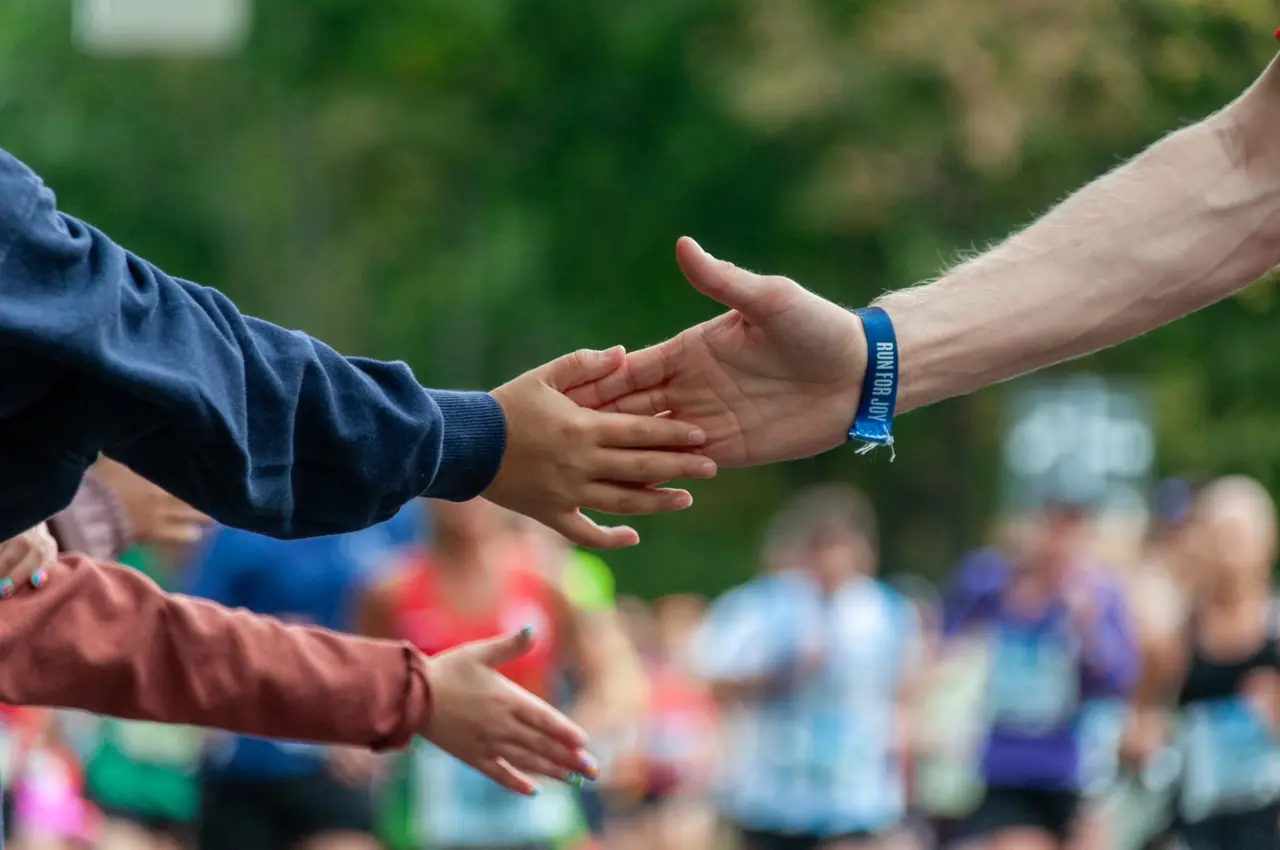
Alcalá de Henares closed 2025 with a 10K full of great atmosphere, a friendly profile, and its very own blend of sport and heritage. The city once again turned its streets into a year-end circuit, with a race designed for competing, running at an easy pace, or saying goodbye to the season with a bib number, running shoes, and the feeling that asphalt can also be a celebration. The event brought together thousands of participants and confirmed the appeal of a race that, thanks to its course and date, has earned a place of its own in the popular running calendar.
The premier distance was 10 kilometers, on a certified urban course with the start at the El Val Municipal Sports City. Around it, the organizers added children’s races, a setup designed to streamline access, and logistics very focused on runners of all levels. This is not a race for mountain epic or impossible climbs: here, controlled speed rules, the pack gradually stretches out, and the historic center serves as the backdrop.
A race made for the season finale
The end of December changes the pulse of popular races. Many runners arrive tired, others are looking for a benchmark time, and there is no shortage of those who just want to wear one last bib before January begins. In Alcalá, the 10K fits right into that middle ground: substantial enough to attract ambitious athletes, yet with a close, welcoming atmosphere that leaves room for families, clubs, and fans dressed with Christmas touches.
The 2025 edition preserved that mix of competitiveness and celebration that often sets year-end events apart. The appeal was not only in the clock, but in the chance to run through a city declared a World Heritage Site, with wide avenues, recognizable urban stretches, and the feeling of a clean race, without roller-coaster turns or climbs that break the rhythm. For anyone looking to run fast, the course matters almost as much as the temperature or the legs.
There was also a clear symbolic dimension: saying goodbye to the year by running through a city that knows how to turn its historic center into a sporting stage without losing respect for its layout and identity. That balance explains why this race has been gaining importance in the regional calendar and why so many runners mark it as a fixed date as winter approaches.
Times, distances, and the starting atmosphere
The organizers structured the day by categories to spread out the effort and avoid congestion. The children’s races started in mid-morning, with different starts by age group, while the main 10K start was set for 11:15. That timing usually works well in December, when the cold bites at dawn but the sun can still soften the atmosphere as the morning goes on.
In the main race, participation comfortably exceeded one thousand runners, and the number of registrants once again placed Alcalá among the liveliest urban 10,000-meter races in the Madrid area. The certified, flat distance helps the pace settle quickly. Those running by feel find a clear reference point; those chasing a time have a course that allows an efficient stride to be sustained without too many interruptions.
The family component also did not disappear. The children’s races brought noise, color, and a cheerful tension that completely changed the image of the start area. For a few minutes, El Val functioned like a miniature starting station: parents, coaches, volunteers, groups of friends, and runners over 14 sharing the same setting, even if their goals were very different.
Registration, price, and bib pickup
Adult registrations were in the €25 range for runners over 14 during the final registration period, with the deadline closing on December 28 at 11:59 p.m. or earlier if bib numbers sold out. In the younger categories, participation was free for ages 8 to 13, with in-person registration at El Corte Inglés. These figures place the event in a typical range for urban races with services and an official T-shirt included.
Bib, chip, and T-shirt pickup was concentrated in the days leading up to the race at El Corte Inglés in Alcalá de Henares, with generous hours to make logistics easier for those who work or travel from outside the city. That detail matters more than it may seem: in winter races, avoiding last-minute queues and sorting out pickup ahead of time reduces stress and improves the overall experience, something especially valuable on a day with such a large turnout.
Administrative registration and bib management were not just a formality. In races like this, organization lives or dies by how smooth the process is. A clear procedure, orderly pickup, and a well-staggered start make the difference between a quick morning and a cumbersome one. Alcalá opted for that efficiency, a feature that also helps explain why so many runners come back.
A flat course that invites fast running
The race’s main sporting appeal was its favorable profile. Anyone familiar with urban 10Ks knows that flat terrain does not guarantee fast times, but it does reduce muscular wear and helps sustain effort better. In Alcalá, the certified urban course and the width of certain avenues make the per-kilometer pace more stable than in other races with constant braking and tight turns.
The start and finish at the El Val Municipal Sports City place the race in a comfortable setting for runners and companions. From there, the route winds through areas of the city where heritage is not just passive scenery, but a visible part of the experience. Running alongside buildings, historic streets, and recognizable spaces adds an emotional layer that is not present in all 10,000-meter races on the calendar.
There was also on-course and finish-line refreshment, essential when temperatures drop and the effort lasts longer than expected. In a distance like this, drinking on time will not turn a race into a miracle, but it does help avoid the typical late-race slump. Popular runners especially appreciate it around kilometer five, when the pace is no longer a trial run and starts to feel like a real commitment.
What changes in a December 10K
The year-end climate changes the way you run. In December, thermal layers, a longer warm-up, and managing the cold matter almost as much as tactics. In a fast urban race, starting too bundled up can turn the first kilometer into a small sauna, but starting cold is even worse. That tension between comfort and performance is part of the script of any Christmas 10K.
Alcalá offered an ideal setting for those kinds of decisions. The wide course, the presence of volunteers, and the festive mood reduce the sense of chaos that sometimes accompanies major events. And yet the race still retains enough demand that no one takes it lightly. Ten kilometers remain a deceptive distance: short in appearance, tough in practice.
The Complutense San Silvestre also works as a fitness benchmark. Some use it to assess the end of the year, others to enjoy the group atmosphere, and many to check whether autumn training paid off. In any case, the race calls for honesty. You start with joy, but you finish with your pulse in your hand and your legs telling you what they have done over the last three kilometers.
Why this race fits the running calendar so well
The success of an urban 10K depends not only on the distance, but on the context. Alcalá brings together a city that is easy to get around, a very recognizable identity, and a date that lends itself to mass participation. Added to that is an established tradition that blends clubs, recreational runners, and people who, once a year, decide to put on a bib and be part of the celebration.
On the Spanish running map, year-end races work as a bridge between seasons. They do not have the pressure of a marathon or the wear and tear of a long half marathon, but they do offer a sensible conclusion for anyone who has trained with some consistency. A 10K in Alcalá lets you run with intention, take real references, and leave with the feeling that the year’s final page was written well.
The race also reinforces a very simple idea: popular athletics does not need great gimmicks to attract people. A course that is good for running, precise organization, a city that helps, and a well-chosen time are enough. When those elements align, the race stops being just an event and becomes a tradition that people look forward to, talk about, and repeat.
Alcalá de Henares, a setting that adds more than postcard scenery
The city is not just a backdrop. Its heritage, its avenues, and its urban scale shape the runner’s experience and make it different from other, more impersonal races. Running in Alcalá means passing through spaces where history is felt without needing to stop. The historic center, the open stretches, and the width of some streets create a race that breathes better than more compressed ones.
That character also affects the atmosphere outside the course. People come out, groups spread along the route, and the runner notices that the city has not closed for sport, but has agreed to live with it for a few hours. At a time of year dominated by shopping, dinners, and traffic, that athletic pause has an almost domestic, familiar value.
And that is where much of this 10K’s appeal lies: it does not try to sell an extreme experience, but rather a well-executed race that is accessible and full of identity. Yes, it is an asphalt race, but it is also a way of seeing Alcalá at another speed. Where a pedestrian sees shop windows and squares, the runner finds rhythms, reference points, and meters that either fly by or drag on forever depending on how the legs are feeling.
A race already looking ahead to next year
The draw of 2025 left a solid foundation for future editions. The organizers and the city know that a 10K like this is sustained not by tradition alone; it needs continuity, improvements, and a recognizable sporting image. The strong participation, the public response, and the overall sense of a well-run race suggest that Alcalá has room to establish itself even more firmly on the national map of fast urban races.
For runners, that means one very concrete thing: continuing to have a date close at hand that combines a good time, atmosphere, and setting. Not every race offers that balance. In some, toughness dominates; in others, folklore. In Alcalá, the year-end 10K tries to unite both without forcing either, with the naturalness of something that already knows its place on the calendar.
And so, amid the crackle of the cold air, the sound of running shoes, and the echo of a historic city, Alcalá de Henares’ 10K left a clear image of what running in December is like: measured effort, shared celebration, and a race that turns the end of the year into a finish line far better than a simple season finale.
Deep down, that is the strength of this race: it does not promise miracles, but it does promise a well-organized, fast morning with personality. And in the world of popular running, that is worth almost as much as a great time.
You may also like: 10K Alcobendas 2025: route, date and key information.



How to prevent thigh chafing: causes and real solutions

Women’s running windbreakers: seven jackets and how to choose

Do more workouts get rid of soreness? A guide for runners

Jaén Half Marathon 2026: Record 3,800 Runners Registered

Men’s short running tights: how to choose the right pair

World Triathlon confirms data breach involving medical data

Izan Edo targets podium at Miyazaki World Cup

María Pérez ranks ninth in World Athletics’ 2026 top ten

Dos Santos, Duplantis and Sawe: World Athlete of the Year finalists

San Silvestre Vallecana 2026: 42,000 places, prices and start times

 Races3 months ago
Valencia Half Marathon 2027: date and registration

 Races3 months ago
Valencia Marathon 2026: entry, ballot and course

 Reviews and Comparisons4 months ago
Asics Gel-Roadmiles 3 for men: review and current price

 Reviews and Comparisons4 months ago
Asics Gel Sonoma 8 Gore-Tex: complete analysis for trail and rain

 Sneakers3 months ago
Saucony Endorphin Pro 4: full review and verdict

 News5 months ago
Strava API 2026: what changes for clubs, challenges and runner apps?

 Reviews and Comparisons5 months ago
Nike Alphafly 3: opinions, sensations, and real key points

 Reviews and Comparisons4 months ago
Under Armour running shoes review 2025-2026: models and key features

 Sports Equipment4 months ago
Shoe sizes in cm: a clear guide to getting the right fit for your footwear

 Sneakers3 months ago
Skechers GO RUN Consistent 2.0 analysis: comfort and limits

 News5 months ago
Valencia Marathon 2026 route: key tips to train and run better

 Sneakers4 months ago
Adidas Adizero Boston 13 for men: review and verdict