Races
Antxintxika Lasterketa 2026: route, times and fee
A 10-kilometre road race connects two towns in the Deba valley on the afternoon of Oct. 31.

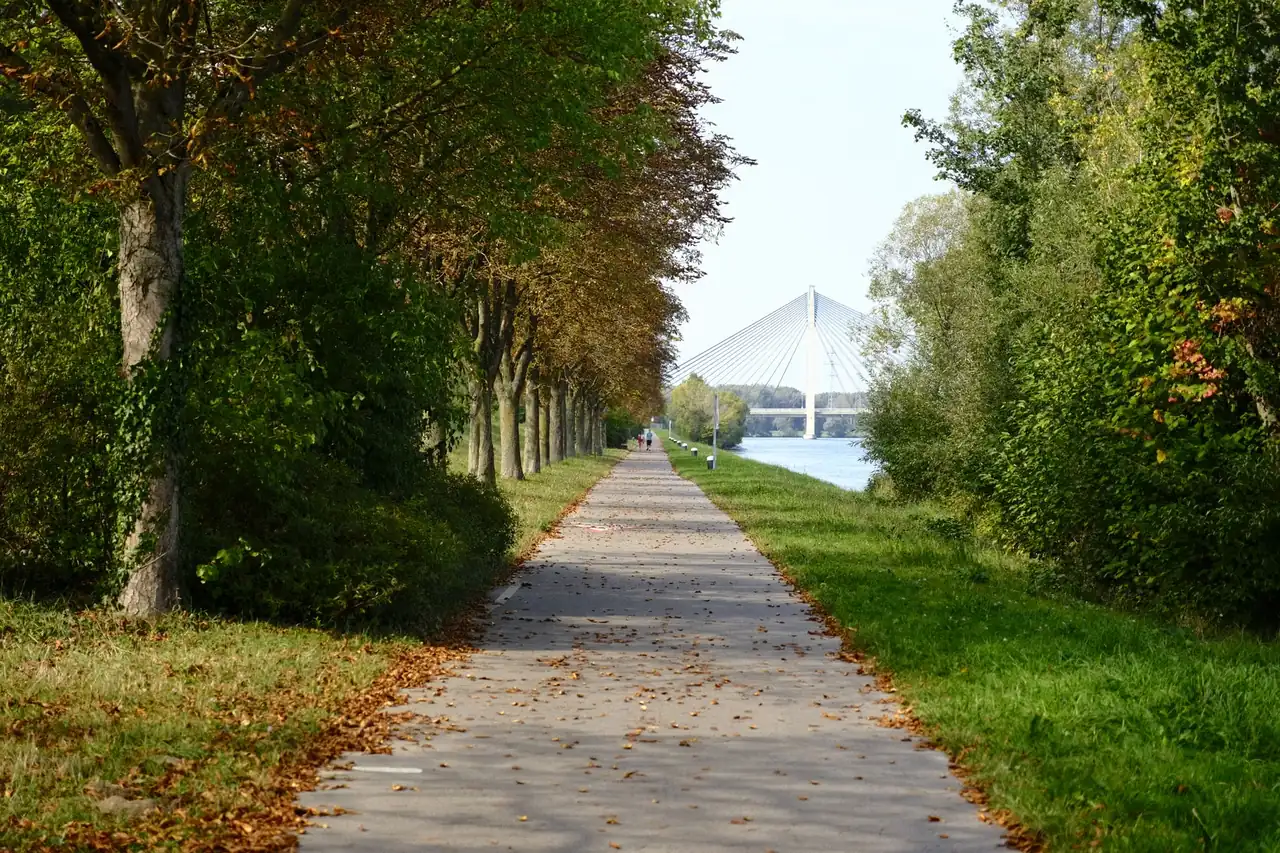
The popular race linking Soraluze and Bergara will take place on Saturday, Oct. 31, 2026, over a 10-kilometre route through the Deba valley. The start is scheduled for 5 p.m. on Etxabarueta Street in Soraluze, with the finish at San Martin Agirre Square in Bergara. Available details put the individual entry fee at 20 euros.
The point-to-point course, participation by recreational runners and the presence of adapted disciplines distinguish this Gipuzkoa event. The day also includes children’s races from 3 p.m., as well as separate starts for skaters and handbike athletes. Because the start and finish are in different towns, organizers plan to provide a bus to the starting point and transport clothing bags to Bergara.
A point-to-point race between Soraluze and Bergara
The 10 kilometres follow the Deba corridor and connect two nearby towns, but logistics differ from a loop that begins and ends in the same place. The start is on Etxabarueta Street in Soraluze; the finish is in central Bergara, at San Martin Agirre Square. The distance between these two points affects both pre-race travel and the collection of belongings, so runners should account for the format when planning their day.
Available information describes a route that leaves Soraluze’s urban centre and continues through the valley toward Bergara. It passes through Osintxu, Mekolalde, San Lorentzo, Zubieta and Irizar before entering Bergara via Ibargarai, Irala and Barrenkale. Kilometre markers are posted, a useful detail for pacing a race that combines quieter sections with an increasingly lively urban finish.
Much of the course follows a bidegorri, a Basque term for a path designed for bicycles, and alternates with some road sections. References describe a mostly flat profile with gentle undulations, although they do not provide a complete official elevation profile. They also say the advertised distance is 10 kilometres and that the route is not listed as officially certified. Runners seeking a certified time should distinguish that from the distance advertised by the organizers.
Schedule and activities
The day’s activities begin before the main race. Children’s races for participants younger than 12 are scheduled from 3 p.m. The handbike start is listed for 4:30 p.m., skaters start at 4:45 p.m. and the running race begins at 5 p.m. The staggered schedule allows different disciplines to share the event and course without starting all at once.
Published timings say clothing bags should be handed in at the start before 4:40 p.m. Bib pickup is listed at Herri Lagunak Street in Bergara, although the information reviewed does not specify a full collection window. The time needed to collect a bib, travel to Soraluze and reach the start deserves careful attention, particularly for participants arriving in Bergara on race day.
The event falls on the eve of All Saints’ Day, in late October, when daylight fades earlier than in summer. With the 5 p.m. start, it is sensible to check the weather forecast and bring clothing suited to autumn conditions rather than assuming the weather will be the same each year. The start time is part of the 2026 schedule, but any later changes should be confirmed through updated information from the organizers.
Race formats and a community feel
The event is not limited to a conventional running start. In addition to the running race, the program includes handbike athletes and skaters, and the registration details list individual, team and adapted categories. The event is presented as a local race with several formats, not a competition reserved for elite athletes. The range of participants is part of its identity and broadens the audience able to take part in the day.
Team entries include women’s, men’s and mixed groups. This format adds a collective element to the 10 kilometres and allows clubs or groups of friends to share the experience, although each participant should check the published conditions for their category. Available details set the minimum age for the main race at 16; children’s races are organized separately for participants younger than 12.
According to the reference information, the race is organized by Antxintxika Triatloi Taldea together with the town councils of Bergara and Soraluze. That municipal connection helps explain why the event links the two towns and uses public spaces in both. The sources reviewed do not provide full rules for each category or technical details for skates and handbikes, so those specifics should not be assumed.
Registration, entry fee and capacity
The published price for 2026 is 20 euros per participant. The same fee is listed for individual entries, each member of women’s, men’s or mixed teams, roller skating and handbike. Reference information says the race is limited to 500 bibs and that registration is scheduled to close on Oct. 30, the day before the event, if places remain.
The cap makes bib availability relevant, but it does not mean the race is sold out or that registration is open at all times. Nor does the information say that entries will be accepted on race day; instead, it says no race-day registrations will be allowed. The published conditions state that entry fees are nonrefundable once registration is completed.
The closing date, capacity and fees may change if organizers update the event information. In particular, the 20-euro figure should be read as the listed price for the categories mentioned, not as a guarantee that there will be no changes or additional charges during registration. The available reference does not identify an explicit official website address, so a specific registration link cannot be confirmed here without risking a link to an unverified page.
Transport, clothing bags and planned services
Because the finish is in a different town from the start, transport is a central part of the logistics. A bus from Bergara to Soraluze is planned to take participants to the starting point. Organizers will also transport clothing bags by van to the finish, a practical option for runners who do not want to carry warm layers or personal belongings over the course. The published instructions say bags should be handed in at the start before 4:40 p.m.
Announced services include refreshments at kilometre 6 and at the finish, showers at the Agorrosin swimming pools, insurance from the time of registration, an ambulance along the route and a sweep van. A participant raffle is also listed. These services are part of the information available for the 2026 edition; their exact operation and access points may depend on the organizers’ final instructions.
The clothing bag requires one simple but important step: the race information says a sticker bearing the bib number is provided with the bib and should be attached to the bag. The bib must be worn visibly, without being folded or covering its advertising. These rules help identify participants during the race and match belongings with the correct number, especially when the finish is far from the starting point.
What the course is like and what to expect
The route crosses a valley landscape and uses developed paths near urban areas rather than repeating laps inside a stadium or closed circuit. Available descriptions point to an opening descent from Soraluze toward the bidegorri, followed by a route with moderate changes in pace. Road sections between the greenways mean runners should pay attention to course markings and staff directions rather than assuming the entire route has the same surface.
The final section takes on a more urban character as it approaches Bergara. Route references place the entrance along Ibargarai, Irala and Barrenkale before the finish at San Martin Agirre Square. The shift from more open, relatively quiet stretches to streets with more spectators can change how the effort feels over the last kilometres. The finish in central Bergara provides a clear destination, while the valley section gives the event its point-to-point character.
The event information does not provide complete figures for total elevation gain, path widths, time limits or detailed checkpoints. A general description of a flat profile should not be taken as a promise that the course is entirely level: gentle undulations and different types of road are mentioned. For runners pacing by feel, the clearest facts are the advertised distance and point-to-point layout; those aiming for a personal best should also remember the lack of official certification noted in the sources reviewed.
A local fixture on Gipuzkoa’s running calendar
The 2026 edition is described as the race’s 20th running. Two decades of continuity provide context for an event connected to the Alto Deba area and cooperation between Soraluze and Bergara. Its value is not measured only by the clock: the race also connects towns, makes room for different disciplines and turns an autumn afternoon into an activity shared by athletes and local spectators.
On the calendar, Oct. 31 falls shortly before the Behobia-San Sebastián race, listed in the reference information for Nov. 8. Some descriptions say local runners use this race as a warm-up, but that is an individual choice, not a universal recommendation. The dates may attract runners looking to compete in October, although each athlete needs to decide how the effort fits their own schedule.
Results from previous editions mentioned by one source indicate several hundred classified participants, but they are not an official entry count for 2026. The 500-bib cap is associated with this edition, while actual participation will depend on entries and final conditions. The community scale, point-to-point route and inclusive formats explain the race’s appeal better than any promise of fast times.
What to check before the start
A useful plan begins with three details: bib pickup in Bergara, the trip to Soraluze and the start time for the chosen discipline. The running race is scheduled for 5 p.m., while handbike athletes and skaters start earlier. Because clothing bags must be handed in before 4:40 p.m., leaving all these arrangements until the last minute could create unnecessary complications, especially for anyone travelling from another town.
It is also sensible to read the participation conditions in effect when registering. Available details state a minimum age of 16 for the main race, a limit of 500 bibs, no refunds after registration and a ban on receiving assistance from bicycles or other vehicles. These rules affect eligibility as well as conduct during the race, and should not be confused with rules for children’s events or other disciplines.
Late-October weather in the valley can change quickly, so a light layer for before or after the race may be more useful than wearing extra clothing over the 10 kilometres. Organizers plan to transport belongings to the finish and provide showers at Agorrosin, but participants should label their bags correctly and follow the instructions issued with their bib. In a point-to-point race, these small details can make the day run more smoothly without taking attention away from the course.
With a start in Soraluze and finish in Bergara, this edition offers an accessible distance in a format that is unusual for a community road race. The advertised price is 20 euros, the main event starts at 5 p.m. and activities for different ages and disciplines begin earlier in the afternoon. The connection between the towns and the finish in central Bergara define an event that brings together sport, landscape and local life, with logistics an inseparable part of the experience.



How to prevent thigh chafing: causes and real solutions

Women’s running windbreakers: seven jackets and how to choose

Do more workouts get rid of soreness? A guide for runners

Jaén Half Marathon 2026: Record 3,800 Runners Registered

Men’s short running tights: how to choose the right pair

World Triathlon confirms data breach involving medical data

Izan Edo targets podium at Miyazaki World Cup

María Pérez ranks ninth in World Athletics’ 2026 top ten

Dos Santos, Duplantis and Sawe: World Athlete of the Year finalists

San Silvestre Vallecana 2026: 42,000 places, prices and start times

 Races3 months ago
Valencia Half Marathon 2027: date and registration

 Races3 months ago
Valencia Marathon 2026: entry, ballot and course

 Reviews and Comparisons4 months ago
Asics Gel-Roadmiles 3 for men: review and current price

 Reviews and Comparisons4 months ago
Asics Gel Sonoma 8 Gore-Tex: complete analysis for trail and rain

 Sneakers3 months ago
Saucony Endorphin Pro 4: full review and verdict

 News5 months ago
Strava API 2026: what changes for clubs, challenges and runner apps?

 Reviews and Comparisons5 months ago
Nike Alphafly 3: opinions, sensations, and real key points

 Reviews and Comparisons4 months ago
Under Armour running shoes review 2025-2026: models and key features

 Sports Equipment4 months ago
Shoe sizes in cm: a clear guide to getting the right fit for your footwear

 Sneakers3 months ago
Skechers GO RUN Consistent 2.0 analysis: comfort and limits

 News5 months ago
Valencia Marathon 2026 route: key tips to train and run better

 Sneakers4 months ago
Adidas Adizero Boston 13 for men: review and verdict