Races
Arrankudiaga-Zollo Trail Herrikoia 2026: date and route
The mountain event in Arrankudiaga-Zollo takes place on October 24, 2026, with two distances and a popular atmosphere.

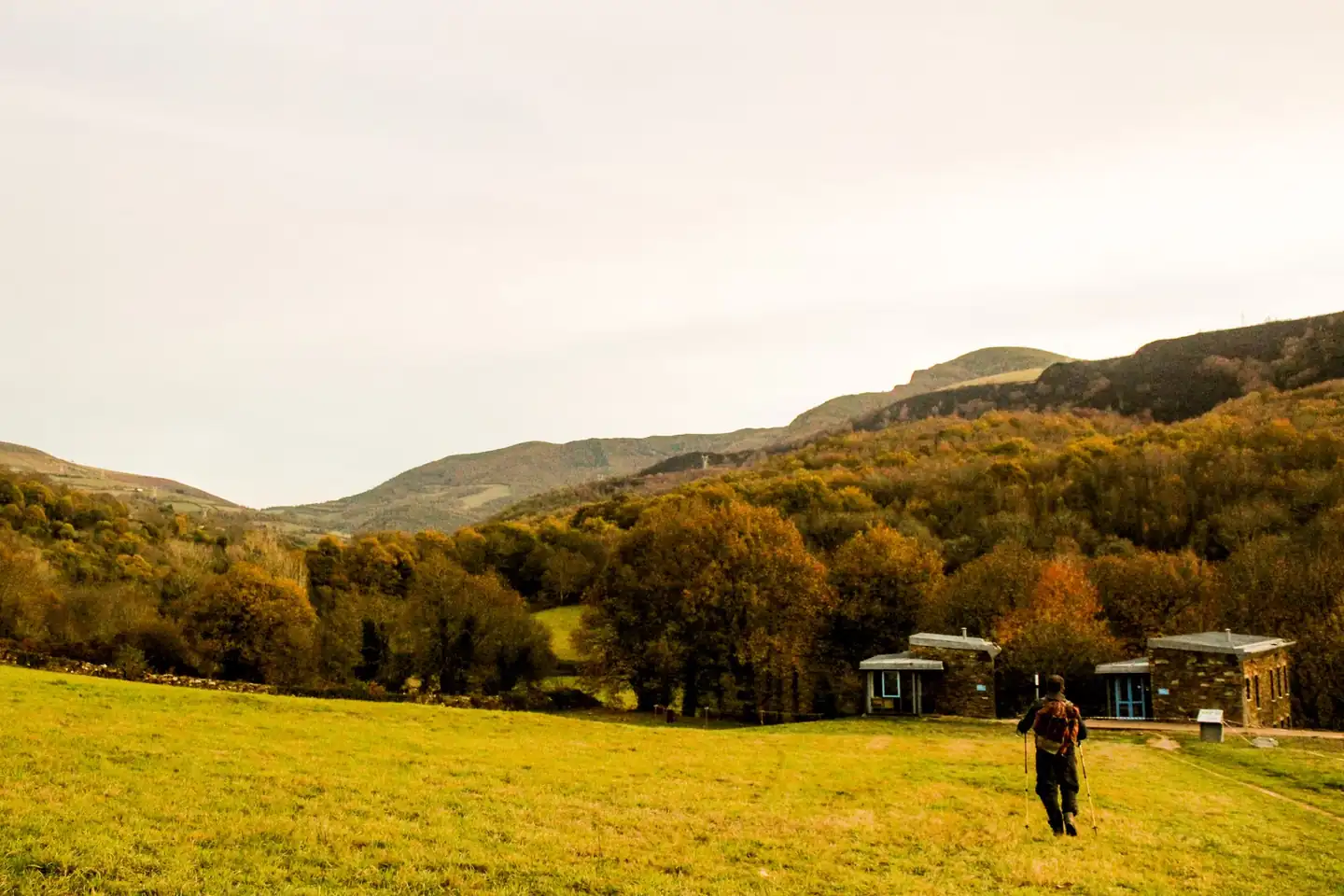
The Arrankudiaga-Zollo trail already has a confirmed date for 2026 and will once again bring runners together in a mountain setting closely linked to the rural character of this Biscayan municipality. The race will take place on Saturday, October 24, 2026 and offers two participation options, one of 8 kilometers and another of 21.1 kilometers, placing it among those short-calendar races that still have enough elevation gain and uneven terrain to demand pace, legs, and focus.
The event keeps the popular format that has made it recognizable in the area: a community-based race, with start and finish at Arrankudiaga Plaza, and a clearly mountainous profile. It is not a race designed for pure speed, but rather for reading the terrain, pacing effort, and handling the climbs, trails, and changes in footing that usually define this kind of route in inland Bizkaia.
A village trail with its own identity
The label of trail herrikoia is not decorative. In this case, it clearly defines the spirit of the race: a local, close-knit event with the presence of neighbors, runners from the area, and enthusiasts who often value the authenticity of the course more than the label of a major event. These kinds of races rely on a very delicate balance between simple organization, real terrain, and a village atmosphere, and Arrankudiaga-Zollo fits naturally into that model.
The town, officially Arrankudiaga-Zollo in Basque, belongs to the Arratia-Nervión region and retains that profile of a small municipality surrounded by hills, paths, and green areas. The race takes advantage of this unembellished landscape, where runners leave the asphalt behind quickly and enter a different logic, rougher and more honest, in which every meter costs something and every downhill is run with a degree of caution.
In this kind of event, the experience does not depend only on distance. The sequence of the terrain also matters, as does the density of trails, the amount of mud if the weather turns bad, and the transition between track, dirt, and open sections. The available technical data points precisely to that variety: 16% asphalt, 10% track or dirt road, 60% trail, and 14% cross-country terrain. That mix explains better than any slogan what kind of race awaits in October.
The official distances and what they mean in the race
The 2026 event is built around two main races. The short one, of 7.9 or 8 kilometers depending on the source consulted, works as a reasonable entry point for those who want a demanding trail without long effort. The long one, of 21.1 kilometers, is presented as a mountain half marathon and already requires much more careful energy management, especially if the course punishes runners from the start with constant changes of pace.
The difference between the two is not just a matter of finish time. In the mountains, eight kilometers can feel like an intense and relatively fast race if the profile is favorable, or like a sequence of short, repeated efforts if the route is tough. In the half marathon, by contrast, fatigue becomes more obvious after the halfway point, when the legs begin to lose snap and the terrain no longer feels forgiving. That is why the choice between one distance and the other depends not only on fitness, but on the type of experience each runner is looking for.
The technical data published by Runedia places the positive elevation gain at 310 meters for the 2026 edition. While not an excessive figure, it is enough to alter the runner’s script, especially if the starting pace gets too high because of narrow sections or the usual dynamics of popular races. In trail running, a few concentrated climbing meters at the wrong time weigh more than higher numbers spread out smoothly.
Start, finish, and schedule for a tightly packed day
Arrankudiaga Plaza will be the operational center of the race, both for the start and the finish. That detail is not minor: it concentrates logistics, allows the race to be followed without major movement, and reinforces the idea of a compact event, almost like a town-square race, where people watch the runners pass before and after the effort. For local spectators, that closeness is often part of the appeal; for runners, it also adds a sense of belonging that is hard to replicate in larger events.
The scheduled start time is 4:00 p.m., an afternoon time slot that significantly affects preparation. In October, daylight starts to behave differently, and runners must take into account the transition toward sunset, especially if the effort lasts longer than expected. That detail means thinking not only about performance, but also about simple and decisive things like warming up, choosing clothing, and managing time before lining up at the start.
The afternoon also changes the atmosphere. It is not the same to run under a high sun and more stable temperature as it is to run when the day begins to wind down. The colors of the surroundings change, humidity may become more noticeable, and the ground, if it has rained, becomes heavier. In a mountain race of this kind, the start time is part of the sporting story just as much as the distance or elevation gain.
A course that rewards reading the terrain
The route combines trail, cross-country, and track sections, a mix that favors those who know how to interpret the ground over those who try to impose a uniform stride. The 60% trail section defines the race’s character: yes, you run, but you run while paying attention to foot placement, support, and balance. In that context, the runner who knows how to slow down at the right time usually loses less than the one trying to maintain an asphalt pace where that pace does not exist.
The cross-country terrain adds the most uncertain element. It is not always an extreme challenge, but it does make the race more technically demanding, because it breaks the rhythm of the trail and forces quick route choices. When the ground is wet, that section can feel like a deceptive carpet; when it is dry, the hardness of bare ground appears and the muscular cost of each footstrike becomes noticeable in the final stages.
The accumulated climb of 310 meters may seem moderate compared with major mountain races, but in a compact popular event it is usually enough to sort out effort levels. A wall is not necessary for a race to become selective; sometimes it is enough to chain together short climbs and descents where the legs tighten like ropes. That is when a village trail stops being anecdotal and becomes a serious sporting experience.
What the 2026 edition says about the race’s level
The available information describes the event as the 13th edition, which speaks of continuity and an established base. Races that last more than a decade on the calendar usually have found their own language: they know who they are aimed at, what kind of runner they attract, and what landscape they want to showcase. They do not always need to grow outward; sometimes their strength lies precisely in not losing their human scale.
There is also a detail that helps explain the event’s profile: the entry fee is listed as starting at 13 euros in the source consulted. That price range places it within the usual bracket for many popular mountain races, where the cost is meant less to exclude than to support a basic organization covering timing, aid stations, course marking, and the minimum services runners expect to find.
The race is associated with services such as bag check, chip timing, showers, children’s race, aid stations, and trophy presentation, as well as a finish-line atmosphere that usually ends with food or sandwiches for participants. These are simple details, but in a local event they matter a lot: they extend the race beyond the purely sporting effort and help make the day feel like a shared celebration rather than a collection of isolated bib numbers.
How this race fits into the autumn calendar
The October 24, 2026 date places Arrankudiaga-Zollo right in the middle of the mountain racing season, when the calendar starts to tighten and runners look for more technical races before winter. It is a time of changing terrain, cooler temperatures, and a higher chance of humidity, two factors that alter both running style and the type of shoes that are best to wear. In the mountains, autumn does not make the challenge easier; it just makes it more variable.
Within that context, races like this serve a very specific function in the Basque racing calendar: they connect runners who do not always travel to major events and strengthen the network of nearby competitions. For many enthusiasts, that map of small but well-placed races makes more sense than a schedule crowded with big names. Here, the mountains are not experienced as a showcase, but as nearby territory.
In addition, the evening schedule and mixed course require attention to factors that are less noticeable in other races. Hydration management, staying warm before the start, and controlling pace in the first minutes are practical elements that become more important when the race combines trail and open ground. This is not a race for going out on impulse; the reward usually comes to the patient runner.
The value of a local race in a mountainous region
Arrankudiaga-Zollo does not sell an empty postcard. Its sporting interest comes from the real landscape and the relationship between the town and its immediate surroundings. That is one of the reasons popular races still have such appeal: runners are not just logging kilometers, they are also connecting with a specific geography, with paths that hold memory, and with a community that recognizes its own outline in the event.
The municipality, with its small population and an area of just over 23 square kilometers, offers a manageable setting for a race like this. The plaza start, the route over hills and paths, the return to the same point, and the concentration of services create a simple but effective narrative. Everything happens nearby, and yet the sensation while running can be that you have gone much farther than the map suggests.
That combination of closeness and challenge gives the race a different reading from more media-heavy events. It does not need a big stage to be relevant: its value lies in the terrain, the consistency of the event, and the coherence between what it promises and what it delivers. In a landscape of increasingly crowded calendars, that coherence matters more than it seems.
A trail that measures more than the clock
On October 24, 2026, Arrankudiaga-Zollo will once again test the pulse of its mountains with a race that combines accessibility, local identity, and enough toughness not to confuse popular with easy. The 4:00 p.m. start, the two distances, the moderate but real elevation gain, and the weight of the trail sections create a race that leaves clear memories: mud on the shoes, heavy legs, and the feeling of having run in a place with character.
Beyond the specific calendar date, this trail confirms that small races remain an essential part of mountain running in Spain. They may not make noise, but they sustain much of the culture of popular sport. And when a race keeps its personality, time does not wear it down: it sharpens it. Arrankudiaga-Zollo seems to be moving precisely in that direction, with the quiet solidity of events that know their place.



How to prevent thigh chafing: causes and real solutions

Women’s running windbreakers: seven jackets and how to choose

Do more workouts get rid of soreness? A guide for runners

Jaén Half Marathon 2026: Record 3,800 Runners Registered

Men’s short running tights: how to choose the right pair

World Triathlon confirms data breach involving medical data

Izan Edo targets podium at Miyazaki World Cup

María Pérez ranks ninth in World Athletics’ 2026 top ten

Dos Santos, Duplantis and Sawe: World Athlete of the Year finalists

San Silvestre Vallecana 2026: 42,000 places, prices and start times

 Races4 months ago
Valencia Half Marathon 2027: date and registration

 Races4 months ago
Valencia Marathon 2026: entry, ballot and course

 Reviews and Comparisons4 months ago
Asics Gel-Roadmiles 3 for men: review and current price

 Reviews and Comparisons4 months ago
Asics Gel Sonoma 8 Gore-Tex: complete analysis for trail and rain

 Sneakers3 months ago
Saucony Endorphin Pro 4: full review and verdict

 News5 months ago
Strava API 2026: what changes for clubs, challenges and runner apps?

 Reviews and Comparisons5 months ago
Nike Alphafly 3: opinions, sensations, and real key points

 Reviews and Comparisons4 months ago
Under Armour running shoes review 2025-2026: models and key features

 Sports Equipment4 months ago
Shoe sizes in cm: a clear guide to getting the right fit for your footwear

 Sneakers3 months ago
Skechers GO RUN Consistent 2.0 analysis: comfort and limits

 News5 months ago
Valencia Marathon 2026 route: key tips to train and run better

 Sneakers4 months ago
Adidas Adizero Boston 13 for men: review and verdict