Races
Barcelona Half Marathon 2027: date and course
Date, distance, course, start time and key facts about Barcelona’s major urban half marathon in 2027.

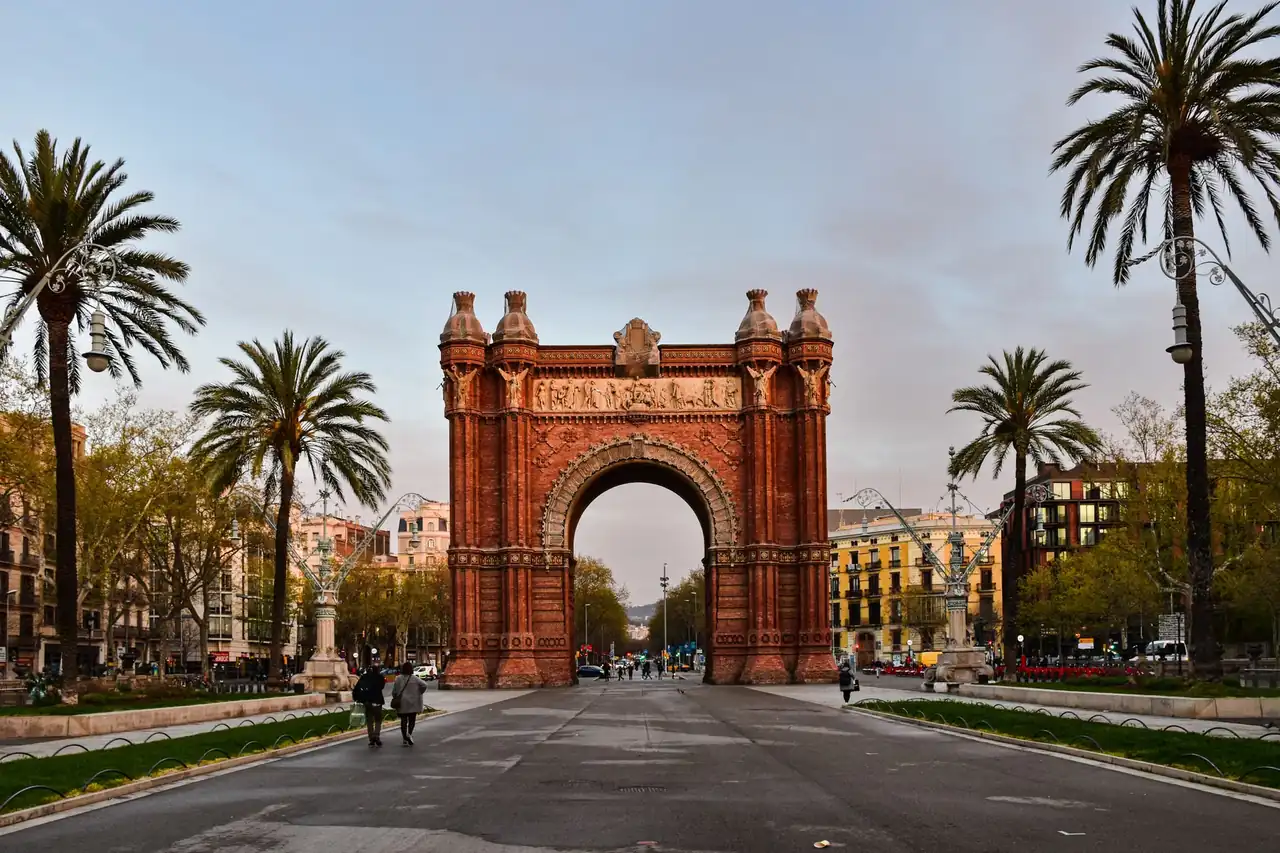
Barcelona will once again become one of Europe’s major running venues on Sunday, Feb. 14, 2027, the date selected for its popular half marathon. Officially known as the Hyundai Mitja Marató Barcelona by Brooks, the event will bring thousands of runners together on a 21.0975-kilometer urban course designed to support fast paces and a strong sporting spectacle.
The organizers expect to make 40,000 bibs available for the 2027 edition, which will be the race’s 37th running. The course retains its reputation as a flat and fast route, while the city provides a combination that is difficult to match elsewhere: broad avenues, historic buildings, the seafront, music in the streets and a finish area around Parc de la Ciutadella. Practical details should always be checked on the official website and in the organizers’ documents before making travel plans.
The event is included in Running Valencia’s popular race calendar and can also be located through our race map, alongside other notable events in Spain’s running calendar.
Date, distance and registration status
The confirmed date for the next edition is Feb. 14, 2027. The start is scheduled for 8:30 a.m., according to the race information available in the reference data, although final corral, access and service schedules should be checked in the official regulations. The official distance is a half marathon: 21.0975 kilometers on asphalt.
This is a specific, dated race rather than a general description of the event. That distinction matters to runners planning travel, booking accommodation or fitting the competition into a training calendar. The race will take place in Barcelona, Catalonia, in a fully urban setting that traditionally attracts recreational runners, elite athletes and international participants.
The organizers have announced capacity for up to 40,000 bibs, placing the event among Europe’s largest half marathons. The analyzed information also lists tiered prices of 36, 40 and 50 euros depending on the bib range, although the final fee, service charges and registration conditions may change. Any payment should therefore be completed only through the official registration channel for the 2027 edition.
An urban course built for speed
The race’s main sporting attraction is its profile. Barcelona’s half marathon has established itself as a largely flat course, a feature that makes it easier to maintain a steady stride and control effort without the sharp changes found on hilly routes. That does not mean the pace comes for free: the distance demands careful management, especially when runners reach the final kilometers with tired legs.
Recent editions have taken the field past some of the Catalan capital’s best-known landmarks. The Arc de Triomf, the Ciutadella area, Plaça de Colom, Plaça d’Espanya, Torre Glòries and the seafront are part of the visual identity of a race that turns the city into an open-air stadium. The exact 2027 route should be checked once the organizers publish the final version, as urban courses can change because of traffic, construction or operational requirements.
The course combines long straights with turns and changes of direction that demand attention. Wide avenues provide space for much of the race, but the concentration of participants can make the opening kilometers difficult. An orderly start, respect for the corrals and a position that matches the expected pace can prevent slowdowns that eventually affect more than expected.
Which parts of Barcelona does the race cross?
The race starts and finishes in the area of Parc de la Ciutadella and Arc de Triomf, one of Barcelona’s most recognizable settings for runners. From there, the route moves into the urban grid and offers a sequence of scenes that changes almost like a film played at racing speed. The landscape is not merely decoration: wide avenues, modernist buildings and the proximity of the Mediterranean shape how the effort feels.
Landmarks commonly associated with the route include Plaça de Colom and the vicinity of La Rambla, as well as Plaça d’Espanya and Torre Glòries. The course also approaches the Fòrum and follows several kilometers beside the sea along Avenida del Litoral and Passeig de Garcia Fària. In these open sections, wind can be more noticeable than on interior streets, a detail worth considering when interpreting pace and sensations.
The final section returns the spotlight to the monumental surroundings of the Ciutadella. Reaching the closing kilometers with physical reserves is one of the route’s key challenges, because the apparent ease of the straights can lead runners to spend too much energy early. A fast half marathon is still a half marathon: running economy and discipline matter more than the excitement of the opening stages.
A race with an international outlook
The event’s scale is not measured only by its number of bibs. Barcelona is a sports destination with air, rail and road connections that make it easy for runners from other parts of Spain and abroad to attend. That profile turns the race into a weekend experience, with the competition at the center of a visit to one of the Mediterranean’s most popular cities.
The 2026 edition drew 36,000 runners, according to information released by the organizers. For 2027, the race expects to surpass previous figures with capacity for up to 40,000 bibs. That number also creates logistical challenges: travel, bib collection, accommodation, waste management, traffic closures and staggered access to the corrals require more planning than a medium-sized race.
The presence of elite athletes has strengthened the event’s competitive reputation. In a recent edition, Hagos Gebrhiwet won in 58:05 and Loice Chemnung took the women’s race in 1:04:00 during a day marked by high-level performances. These results should not be confused with the expected performance of most participants, but they explain why Barcelona frequently appears on the radar of runners seeking a personal best.
Atmosphere, music and mass participation
The festive character is another defining feature. The organizers announce more than 25 entertainment points along the course, with music, performances and spectator areas that break the sense of isolation found on some urban routes. The sound of a crowded avenue, the movement of the runners and music echoing between buildings create a recognizable soundtrack for first-time participants.
That atmosphere can provide psychological support, but it can also become a distraction. The emotion of the first kilometers, pace changes caused by other runners and the temptation to accelerate at every entertainment zone can disrupt a strategy. Runners chasing a personal best usually benefit from maintaining a stable effort and saving capacity for the final five kilometers, when the race stops feeling like a sequence of avenues and becomes a true test of endurance.
Mass participation also explains the variety of goals. For some athletes, the clock will be the priority; for others, finishing the distance, running beside family or enjoying Barcelona will matter just as much. The same starting line can bring together very different sporting ambitions, and that mixture is part of the personality of a large-scale half marathon.
Bib collection and Expo Sports
The bib and timing chip are not distributed on race day. Available information indicates that collection must take place at Expo Sports during the days before the race, with schedules set by the organizers for each edition. It is also possible for another person to collect the material on a runner’s behalf, provided that person meets the requirements and presents the required documentation.
The official shirt is collected after the bib and depends on size availability. The organizers warn that they cannot guarantee a specific size because the garments are produced before registration closes. This apparently minor detail can prevent surprises for runners traveling from outside Barcelona who assume every service will be handled at the start area.
Expo Sports also serves as a meeting point for runners, brands and sponsors. It should not, however, replace a review of the practical information: exact location, opening hours, documents, public transport and possible last-minute changes. In a race with tens of thousands of participants, arriving with an uncollected bib can turn a sporting morning into a logistical problem.
How to approach the half marathon
A flat course favors speed, but it does not remove the need for preparation. The 21.0975-kilometer distance requires the body to tolerate sustained effort and the muscles to be used to running for a prolonged period. General training should combine easy runs, quality sessions and a sensible progression in volume, without concentrating all the workload in the final weeks.
Pacing depends on each participant’s level and goal. Runners seeking a controlled finish can start conservatively and assess their condition after kilometer 12. Those aiming for a personal best usually benefit more from running evenly than from alternating accelerations and slowdowns. Average pace is built patiently, especially in a crowded start where the first minutes rarely offer ideal conditions.
Preparation also includes less visible details: sleeping well, testing race nutrition during training, knowing the equipment and checking the weather forecast. Barcelona can offer mild temperatures in February, but wind, humidity or a warmer-than-expected morning may change how the effort feels. Clothing should allow comfortable movement and should not be worn for the first time on race day.
Aid stations, effort control and weather
The reference data indicates aid stations approximately every five kilometers, with water, fruit or energy drinks depending on the system planned by the organizers. Exact locations and available products should be confirmed in the runner guide. Hydration does not need to become a series of long stops: runners can drink in an orderly way and adapt the amount to temperature, pace and individual needs.
A flat profile can create a false sense of ease. On a climb, effort is obvious; on a flat avenue, runners may hold an excessive pace without noticing until fatigue appears. The halfway point is a useful boundary: maintaining controlled breathing and an economical stride there is usually more important than gaining a few seconds in the opening kilometers.
February weather in Barcelona is often favorable for running, but it is impossible to make a firm prediction so far in advance. Exposure to the seafront and open straights can make a moderate breeze feel stronger. The race forecast should be checked in the days before the event, not months earlier, and clothing should reflect the actual conditions that morning.
Access, transport and race-morning logistics
For an event of this size, public transport is generally the most practical way to reach the start area. The metro and rail networks can help runners avoid some of the traffic closures affecting central Barcelona, although available stations and lines may vary according to the security plan. The organizers should publish recommended access routes and restrictions as the date approaches.
Race morning begins before the starting gun. Runners must allow time for travel, entry into the corral, bag drop and a warm-up or meeting with companions. The start area can hold thousands of people within a few minutes, so arriving early is more sensible than cutting it close. Punctuality is part of race strategy when an event gathers such a large field.
Participants should respect their assigned corral and follow the instructions of race staff. Moving between zones affects flow and increases the risk of trips during the opening meters. It is also worth checking in advance where the cloakroom is located, which items are allowed and how bags are identified, since these procedures are normally defined in the regulations.
The experience after the finish line
The finish does not represent the only ending to the event. The race includes PaRUNda by Brooks, a post-race celebration at Poble Espanyol featuring music, DJ sets, food options and brand activities, according to information released for the event. This space extends the experience for runners and companions and turns the day into something closer to a sports festival than an isolated competition.
After completing 21 kilometers, the priority should be to regain composure, hydrate and collect equipment calmly. Walking for a few minutes helps make the transition gradual, while a normal, sufficient meal supports energy replacement. The medal and shirt are visible memories, but the most important recovery takes place in the hours afterward, as the body begins repairing the effort.
The city also offers many ways to complete the weekend: walking along the waterfront, visiting modernist architecture or exploring nearby parks. After a demanding race, it is sensible to adapt sightseeing plans to the condition of the legs. Barcelona is best enjoyed when the sporting effort leaves room for recovery, not when the day becomes a second walking competition.
Practical questions to settle before traveling
The stated minimum age is 18 on race day. The analyzed information also indicates that Spain does not require a medical certificate for participation, although every runner should assess their health and consult a medical professional if they have symptoms, relevant medical history or concerns. Specific conditions for visually impaired, intellectually disabled or mobility-impaired athletes should be reviewed in the regulations.
The event offers services for participants with different needs, but registration and documentation may require additional procedures. For visually impaired runners, the organizers provide for participation with a guide and specific classification processes. These details should not be handled on race day: they require advance coordination and document submission within the established deadlines.
Cancellations, transfers and corral changes depend on the regulations for each edition. The reference information lists a corral-change deadline of Jan. 3, 2027, and a bib-transfer deadline of Dec. 28, 2026, but those conditions should be confirmed before taking action. The official regulations are the only valid reference for determining which procedures remain open and which charges may apply.
A major date on Barcelona’s running calendar
The February half marathon and the Zurich Marató de Barcelona, scheduled for March 14, 2027, will once again place the Catalan capital at the center of the international calendar. The one-month gap allows each event to retain its own identity, while many runners can use the first race as a speed target or as part of a longer preparation cycle.
The race’s importance comes from a combination of elements that rarely appear together with such intensity: a 21.0975-kilometer urban course, fast profile, mass participation and a city fully involved. The result is an event capable of attracting runners chasing a time and those looking to experience a day of running in a recognizable setting.
For 2027, the organizational challenge will be maintaining a high-quality experience with a field that could reach 40,000 bibs. Safety, mobility and runner services will matter as much as the stopwatch. In large races, every detail counts, from the first entrance to the final turn before the finish.
Barcelona measures its speed on the asphalt once again
The next edition arrives with a clear date, an established distance and expectations of one of the largest fields in the European calendar. The urban course, the landmarks and the street atmosphere explain its appeal, but the central challenge remains the 21 kilometers each runner must manage with their own legs.
On Feb. 14, 2027, Barcelona will once again offer a familiar image to running fans: thousands of bibs moving along avenues, groups finding their pace and elite athletes racing the clock. On paper, the event will be fast; in the streets, festive; and in the decisive section, demanding. Between the crowd noise and the final effort, every half marathon’s lasting memory is decided.
You may also like: Cursa de la Mercè Bimbo Global Race 2026: date and races.
Where to stay in Barcelona
Hotels available 12–15 February 2027.
Affiliate links: if you book through this map we earn a commission, at no extra cost to you.



How to prevent thigh chafing: causes and real solutions

Women’s running windbreakers: seven jackets and how to choose

Do more workouts get rid of soreness? A guide for runners

Jaén Half Marathon 2026: Record 3,800 Runners Registered

Men’s short running tights: how to choose the right pair

World Triathlon confirms data breach involving medical data

Izan Edo targets podium at Miyazaki World Cup

María Pérez ranks ninth in World Athletics’ 2026 top ten

Dos Santos, Duplantis and Sawe: World Athlete of the Year finalists

San Silvestre Vallecana 2026: 42,000 places, prices and start times

 Races3 months ago
Valencia Half Marathon 2027: date and registration

 Races3 months ago
Valencia Marathon 2026: entry, ballot and course

 Reviews and Comparisons4 months ago
Asics Gel-Roadmiles 3 for men: review and current price

 Reviews and Comparisons4 months ago
Asics Gel Sonoma 8 Gore-Tex: complete analysis for trail and rain

 Sneakers3 months ago
Saucony Endorphin Pro 4: full review and verdict

 News5 months ago
Strava API 2026: what changes for clubs, challenges and runner apps?

 Reviews and Comparisons5 months ago
Nike Alphafly 3: opinions, sensations, and real key points

 Reviews and Comparisons4 months ago
Under Armour running shoes review 2025-2026: models and key features

 Sports Equipment4 months ago
Shoe sizes in cm: a clear guide to getting the right fit for your footwear

 Sneakers3 months ago
Skechers GO RUN Consistent 2.0 analysis: comfort and limits

 News5 months ago
Valencia Marathon 2026 route: key tips to train and run better

 Sneakers4 months ago
Adidas Adizero Boston 13 for men: review and verdict