Races
II Villanueva del Campillo Charity Race 2026
A 5-kilometer urban course, an evening start and a charitable purpose in a popular Ávila race.

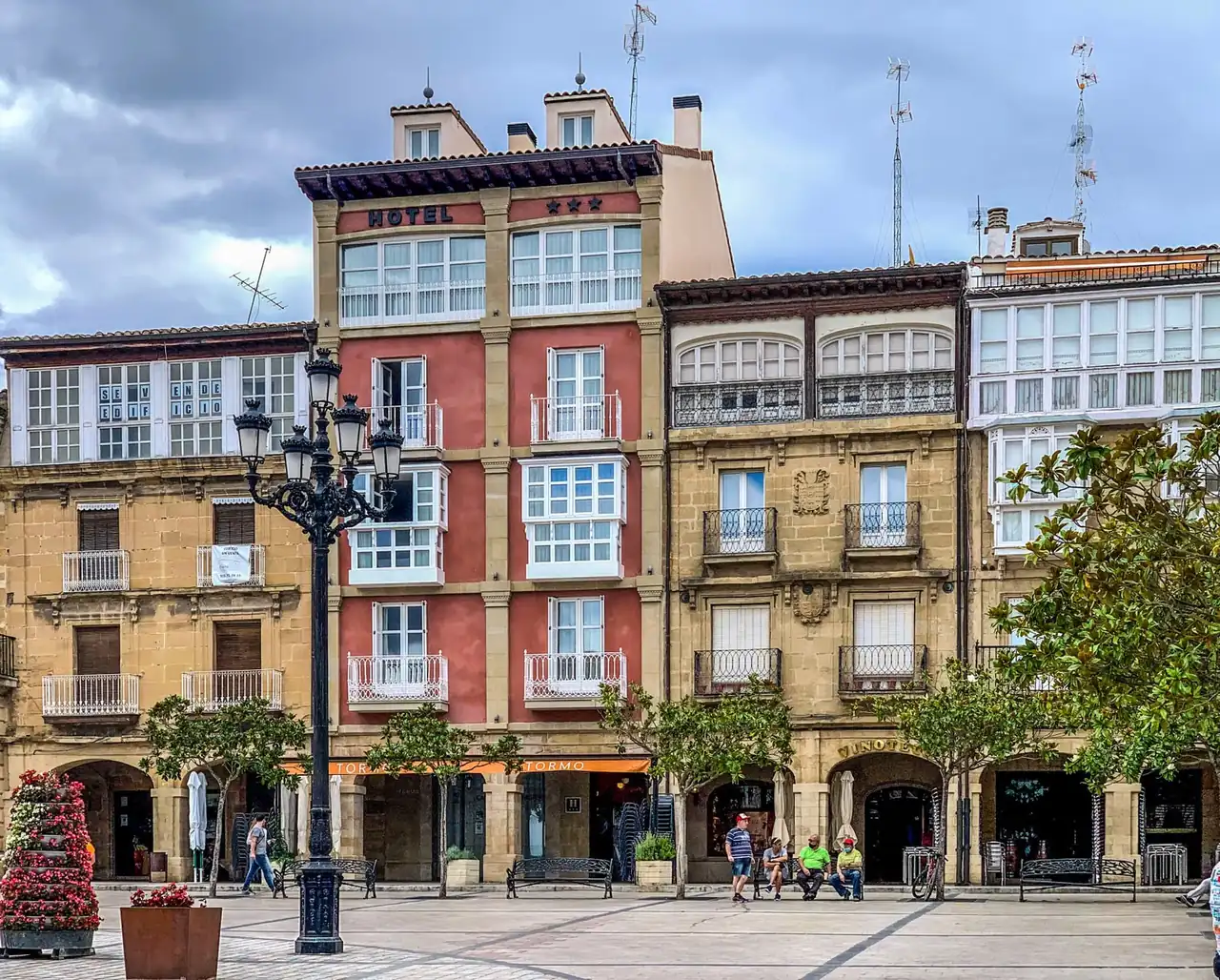
Villanueva del Campillo will host a new edition of its charity road race on Saturday, July 25, 2026. The start is scheduled for 8 p.m., bringing runners and participants in the walking event onto the same course. Entry for the running category costs 18 euros, the same fee listed for walkers, while the solidarity bib without sports participation costs 5 euros.
The course will be entirely urban and asphalted, with the start and finish located at Plaza de la Constitución. The circuit is approximately 2.5 kilometers long and runners must complete two laps to reach a total distance close to 5 kilometers. The event is presented as an accessible popular race, designed both for people who want to compete and for those who want to join an activity connected to a charitable cause.
The available information places the race in Villanueva del Campillo, in the province of Ávila. Registration is scheduled to open on April 1, 2026, at midnight and close on July 23, 2026, at 11:59 p.m., although the final times and conditions should be confirmed through the organizer before registering. A popular race calendar can be used to review this event alongside other races in Spain, while the popular race map provides a geographical reference for locating it.
An urban race with two laps of the course
The event’s main sporting feature is its straightforward format: a short, urban and fully asphalted course repeated twice. Rather than covering five kilometers from the first meter, participants first complete a circuit of around 2.5 kilometers and then pass through the same streets again on the second lap. This layout makes navigation easier and allows spectators to follow the race from different points.
For an experienced runner, a 5-kilometer distance leaves room to run at a brisk pace without turning the event into an excessively long effort. In a popular race, however, the result does not depend only on speed. The streets, turns, presence of other participants and shared start with walkers can all affect the planned rhythm. Reading the course will matter from the first few hundred meters, particularly where the group begins to spread out.
The fact that the race takes place entirely on asphalt also changes preparation compared with a mountain or dirt event. The surface usually allows a more regular stride, but it increases repeated impact on every foot strike. Shoes with a sound outsole, a comfortable gait and controlled intensity matter more than any sophisticated plan. Over five kilometers, starting too quickly can become obvious during the second lap.
Date, schedule and event center
The race will take place on Saturday, July 25, 2026, in the middle of summer. The 8 p.m. start avoids the hours of greatest sunlight, although temperature will remain a factor each participant should assess according to the conditions on the day. In July, asphalt may still retain some of the heat accumulated during the afternoon, and the body may need more time to adapt to the effort.
Plaza de la Constitución is listed as the start and finish area. This location concentrates the most important moments of the day: gathering the group, starting the race, crossing the finish line and the atmosphere afterward. It is also an easy reference for spectators, since the two-lap design allows them to see runners pass the main area more than once.
The event belongs to Villanueva del Campillo, in Ávila, and should not be confused with other races or towns with similar names. The province includes popular races of very different scales, from short urban courses to mountain events. In this case, the information published by the organizer points to a local activity open to different ability levels, although no specific accumulated elevation or detailed technical map has been released in the material reviewed.
Registration and available formats
The RaceTime platform shows three participation options. The running entry costs 18 euros, the walkers’ category has the same fee, and the solidarity bib is available for 5 euros. The latter option is intended for people who want to support the charitable nature of the day without taking part in the course. Several formats broaden the event’s reach and ensure that participation does not depend only on physical condition.
The stated registration period begins on Wednesday, April 1, 2026, at midnight and ends on Thursday, July 23, at 11:59 p.m. This period may be changed by the organizers, so registration information should be reviewed on the event page before payment. Checking in advance also makes it possible to see whether participation limits, age categories, bib collection rules or specific instructions for the walking event have been added.
An entry fee does not always describe everything included in a race. In an event of this size, the amount may cover bib management, timing, logistical support and a contribution connected to the charitable purpose. The reference information confirms the prices but does not explain the exact destination of the proceeds, the included services or whether prizes will be awarded. These points should be treated as unconfirmed until the final rules are published.
What is known about the course and what remains open
The clearest route detail is its approximate length: 2.5 kilometers per lap and close to 5 kilometers after completing the full course. It is also known that the route runs through the town streets and uses asphalt throughout. This description gives a general picture, but it does not replace a map showing streets, turns, aid stations or possible changes in elevation.
The lack of a detailed map makes it impossible to anticipate the width of the road, the number of bends or any slight climbs with precision. In a short race, these factors can matter more than expected. A tight turn requires braking and acceleration; a narrow street can compress the group; a long straight supports a steady pace and makes differences between participants more visible.
The location of aid stations, medical services, toilets, bib collection and traffic-control measures has also not been confirmed in the information reviewed. The organization should clarify these matters in the event documents. Once available, the rules will be the reference for age groups, minimum age, timing system and participation conditions.
A format for runners and walkers
The shared start for runners and walkers makes the event broader than a five-kilometer competition. Runners can complete the two laps at a sustained pace, while walkers have the same start and finish points and share the route. Moving together requires orderly circulation, particularly during the opening meters, when the field is most concentrated.
Runners with a time goal will generally benefit from keeping a small reserve at the beginning. The first lap can be used to identify turns, assess the atmosphere and see how the body responds. On the second lap, once the course is familiar, it becomes easier to decide whether to hold the pace or increase it gradually. Over 5 kilometers, the margin between sustainable effort and an uncontrolled start can be narrow.
Walkers do not need to turn the day into a speed contest. The event also matters because of collective participation and support for its charitable purpose. Comfortable footwear, light clothing and adequate hydration are enough for this type of activity, while temperature and organizational instructions should always be taken into account. Different paces are a natural part of a local popular race.
Its place in the Ávila race calendar
The Villanueva del Campillo event is part of Castilla y León’s summer popular-race calendar. Its distance and route place it apart from major half marathons and mountain races that require specific preparation. It can serve as a first competitive experience for new runners, a fast session during a summer season or a sporting activity for groups and families.
The appeal of small races is not measured only by participant numbers. In towns, the route is often integrated into everyday street life, and the relationship between spectators and runners feels closer. Greetings from sidewalks, volunteers moving around the square and runners passing through the center create a scene unlike a crowded city circuit. The short distance makes the event easy to understand even for people who do not regularly follow popular athletics.
The 2026 edition will be the second of this event, following the first celebration on August 2, 2025. Continuity gives the race an identity, but it also means checking each year whether the route, fees, schedule and formats remain the same. A local race can retain its name while changing operational details that are not immediately visible in early event listings.
Practical information before taking part
Date and time should be central to planning. Arriving with enough time allows participants to collect a bib if it is distributed on race day, find the square and complete a relaxed warmup. The information reviewed does not give a specific bib-collection schedule, so this detail should be checked in the rules or in organizer announcements.
It is also sensible to review the weather forecast for Villanueva del Campillo during the hours before the race. An evening start reduces sun exposure but does not remove heat or the need to drink normally. Clothing should allow free movement and shoes should be suited to asphalt. Wearing new equipment on race day adds an unnecessary variable, particularly when the course requires the same foot strikes over two laps.
Race behavior should reflect the shared nature of the event. Overtaking requires attention to the available space and avoiding sudden changes of direction. On the second lap, groups may meet participants moving at different speeds. Following volunteer instructions, keeping turning areas clear and respecting the marked direction are simple decisions that protect both the sporting result and everyone’s experience.
The available information clearly establishes the essential details: date, time, town, approximate distance, surface, start point and fees. Other matters remain to be specified, including the complete rules, age groups, prizes, final map, race services and the exact destination of the proceeds. The organizer’s page will be the main reference for updating these details before the event.
A second edition built around community
The Villanueva del Campillo race represents the kind of event that keeps the calendar alive beyond major cities. Five kilometers, two laps and a town square as the center of the day are enough to bring together people with different motivations: racing the clock, walking with friends or supporting a cause through a solidarity bib. That mixture gives much of popular athletics its meaning.
On July 25, 2026, the town streets will once again become a sporting space for several hours. The race will offer a short asphalt challenge, but its scale will be broader than the stopwatch: participation, community and solidarity will share the same setting. The second edition will have the chance to establish a local event whose strength depends not on distance, but on its ability to bring people together through sport.



How to prevent thigh chafing: causes and real solutions

Women’s running windbreakers: seven jackets and how to choose

Do more workouts get rid of soreness? A guide for runners

Jaén Half Marathon 2026: Record 3,800 Runners Registered

Men’s short running tights: how to choose the right pair

World Triathlon confirms data breach involving medical data

Izan Edo targets podium at Miyazaki World Cup

María Pérez ranks ninth in World Athletics’ 2026 top ten

Dos Santos, Duplantis and Sawe: World Athlete of the Year finalists

San Silvestre Vallecana 2026: 42,000 places, prices and start times

 Races3 months ago
Valencia Half Marathon 2027: date and registration

 Races3 months ago
Valencia Marathon 2026: entry, ballot and course

 Reviews and Comparisons4 months ago
Asics Gel-Roadmiles 3 for men: review and current price

 Reviews and Comparisons4 months ago
Asics Gel Sonoma 8 Gore-Tex: complete analysis for trail and rain

 Sneakers3 months ago
Saucony Endorphin Pro 4: full review and verdict

 News5 months ago
Strava API 2026: what changes for clubs, challenges and runner apps?

 Reviews and Comparisons5 months ago
Nike Alphafly 3: opinions, sensations, and real key points

 Reviews and Comparisons4 months ago
Under Armour running shoes review 2025-2026: models and key features

 Sports Equipment4 months ago
Shoe sizes in cm: a clear guide to getting the right fit for your footwear

 Sneakers3 months ago
Skechers GO RUN Consistent 2.0 analysis: comfort and limits

 News5 months ago
Valencia Marathon 2026 route: key tips to train and run better

 Sneakers4 months ago
Adidas Adizero Boston 13 for men: review and verdict