Races
Chulilla Trail 2026: route, time and key details
Chulilla hosts a short and demanding race, with 11 km, 280 m of elevation gain, and a late-afternoon start.

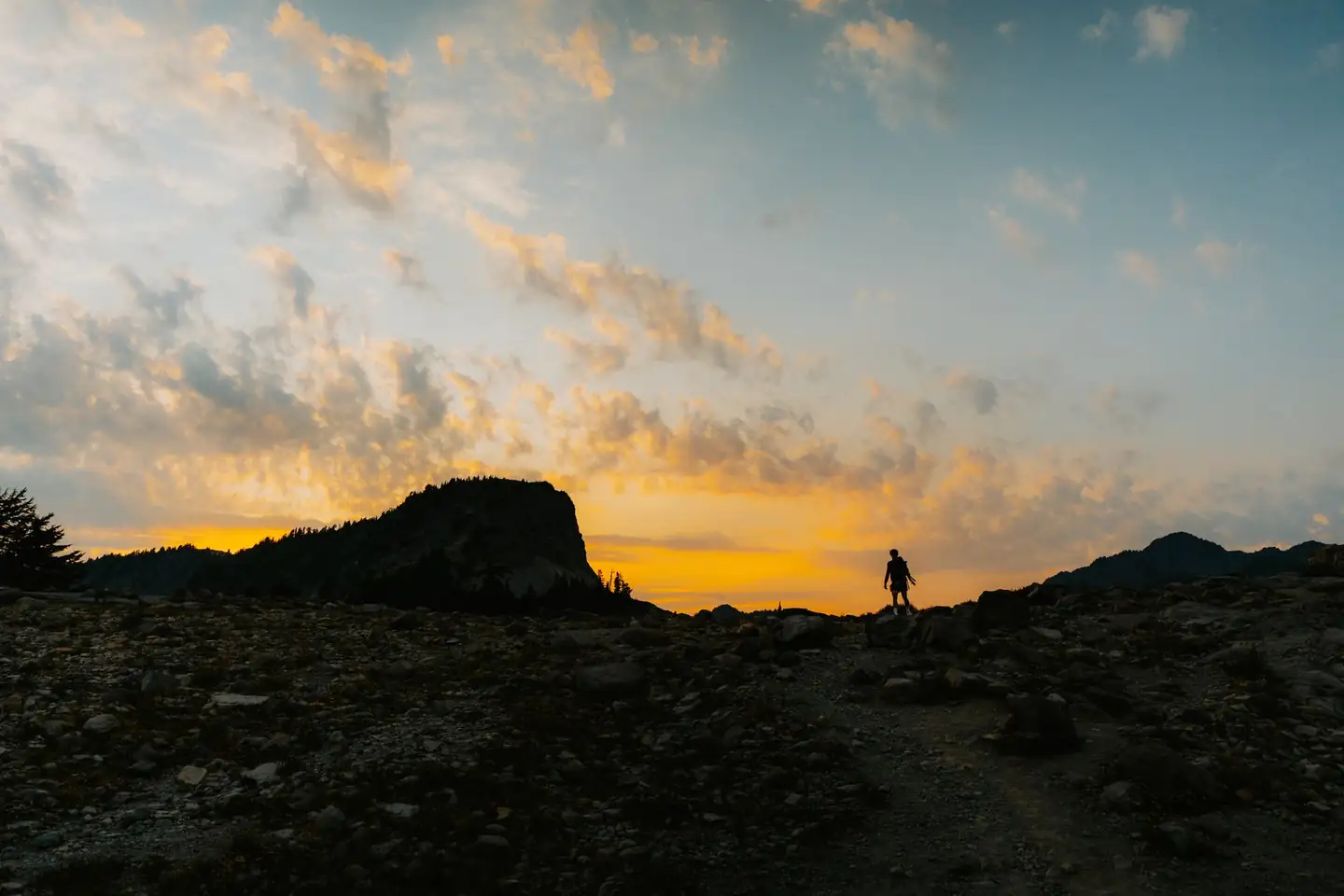
The Chulilla Trail once again puts the Valencian town on the trail running map with an edition scheduled for Saturday, June 20, 2026, starting at 19:30, and a 11-kilometer course with 280 meters of positive elevation gain. It is not a long event, but it is enough to test legs, head, and pace in an environment that punishes any excess of confidence.
The race takes place in Chulilla, in the province of Valencia, and keeps that format so typical of Mediterranean mountain races: a limited distance, changing terrain, and an end-of-afternoon atmosphere that usually makes the effort feel more manageable, though no less intense. The combination of potential heat, rolling profiles, and technical trails makes it especially interesting for those looking for a fast race with a mountain feel.
A short event, but with the character of the mountains
The 11,000 meters of the course are not deceptive. In trail running, distance is never measured only in kilometers: the type of terrain, the turns, the inclines, the ability to run and to brake, and the sum of small details that gradually empty the legs all matter. A course like Chulilla’s usually demands constant changes of pace and forces runners to manage the opening stages well in order not to pay for it at the end.
The positive elevation gain, set at 280 meters, points to an event that is accessible for runners used to road running, but serious enough to distinguish those who know how to move in the mountains. That figure does not represent a long continuous climb, but rather a succession of short rises and sections that break your stride and force you to stay alert to the terrain. In this kind of race, technique matters almost as much as physical condition.
By design, the Chulilla Trail sits in a very attractive zone for recreational runners: it does not require ultra-technical preparation or hours of self-sufficiency, but it does call for respect. It is the kind of event where a pace that is too ambitious in the first section can turn into a long bill on the climbs and on the more awkward foot placements. The mountains rarely forgive haste.
Chulilla, a setting that explains part of the appeal
Chulilla has its own weight on the Valencian trail calendar. The town, nestled among rocky formations and highly recognizable canyons, offers a landscape that needs no embellishment. Stone walls, narrow paths, and a strongly inland atmosphere create a visual setting that elevates the racing experience, even in a short format like this one.
That environment helps explain why the event retains its appeal year after year. Trail running is not just about accumulating elevation gain; the place where you compete also matters, as does the feeling of leaving the urban area and entering rougher, more alive, almost tactile terrain. In Chulilla, that transition is usually clear and quick, and that strengthens the race’s identity.
In addition, the town has become a benchmark for those looking for mountain races in the Valencian Community with a recognizable signature. An event does not need to be massive to leave its mark: sometimes all it takes is a course well integrated into the landscape and a date that, because of temperature and light, allows for a different experience from a morning or midday race.
Start time, pace, and tactical reading of the course
The 19:30 start completely changes the way the race is approached. In June, that time slot partly reduces the day’s thermal challenge, but it does not eliminate it. The light still matters, the air can remain hot, and humidity, when it appears, forces careful pacing. For recreational runners, that means hydration and pace control are not add-ons, but a central part of the strategy.
On an 11-kilometer course, the usual temptation is to start above a reasonable threshold. It is a common mistake in short races, especially when the bib makes you think everything will be over quickly. However, in the mountains, meters accumulate differently: a short climb feels long if tackled without margin, and a descent can sharply increase fatigue if run with too much tension. Energy efficiency usually matters more than misjudged bravery.
The late-afternoon schedule also changes the way the atmosphere is experienced. The light drops, shadows lengthen, and the landscape takes on a more visual, almost cinematic tone. For many runners, that detail is not minor: running as the sun begins to fade makes the effort feel different, seemingly kinder, even though the legs still notice every meter.
What its official data reveals
The available information places the race on Saturday, June 20, 2026, with a 19:30 start in Chulilla, Valencia. The official distance is 11,000 meters and the profile shows 280 meters of positive elevation gain, a figure that helps better understand its real demands. It is a short race within the trail universe, but not a flat race or a disguised road event.
An registration period open from March 23, 2026 to June 18, 2026 at 23:59 is also listed. That relatively wide window fits the logic of popular mountain races: opening well in advance to organize logistics and closing before the event to finalize bibs, participant control, and organizational needs. In the calendar of a race like this, registration closure often marks the most operational stage of the project.
The organization is listed as linked to the Chulilla Town Council and Coratge Missions, a reference that connects the race with the municipality itself and with a specialized event structure. That link is often relevant because a mountain race depends not only on the course; it also requires road closures, signage, volunteers, safety measures, and a deployment that is consistent with the terrain. In mountain areas, logistics matter almost as much as the route.
What kind of runner best fits this race
The Chulilla Trail fits very well with runners looking for an intermediate event: more demanding than an urban 10K, but much less extreme than a long trail race. It is a useful distance for those who want to compete intensely without dedicating an entire morning or full day. That format also makes it easier to read technical differences without pure endurance overshadowing everything else.
It is also suitable for those coming from road running who want to try the mountains with a sensible introduction. The 11 kilometers offer a complete first experience, with climbs, descents, and surface changes, but without the complexity of a very long course. In other words: it is enough to show what trail running is about, but not so much that it turns into a survival test.
For more experienced runners, the race offers a different setting. Because it is a contained distance, intensity rises and tactical reading becomes more important. There is less room to hide, greater importance in early positioning, and a stronger need to know when to push and when to conserve. In races like this, trail running becomes almost a game of chess in running shoes.
Mediterranean mountains, heat, and effort management
June in Valencia calls for caution. Even if the start is at dusk, the body arrives at the race carrying prior heat load that should not be underestimated. The central hours of the day can leave their mark on hydration and fatigue levels, especially if the runner has been exposed to the sun or has arrived with little recovery. In that context, trail running is not only a contest against elevation gain, but also against the environment.
The Mediterranean mountains have a particular texture. This is not cold high mountain terrain or Atlantic mud; it is a drier landscape, with rocks, dust, changing traction, and sometimes sections where the sole feels for support as if probing the ground. That combination favors explosive, lively races, but it also requires precise footwork. A clean foot placement saves energy; a clumsy one spends it immediately.
That is why, in an event like this, the correct reading is not to obsess over the total elevation gain, but to imagine the sum of small efforts: accelerating after each turn, stabilizing on each descent, controlling breathing on short ramps, and not letting the excitement of the start hide the accumulated fatigue. The race is often decided by details that do not appear on the official entry.
The sporting value of a race like this
11-kilometer mountain races occupy a very useful place in the calendar. They allow competition without major logistical preparation, help assess true season form, and offer a format that mixes intensity and scenery. Big numbers are not always necessary to create a race with identity; sometimes a good balance between toughness, accessibility, and context is enough.
The Chulilla Trail clearly fulfills that role. Its course does not need to be sold as an epic adventure to be interesting. The race stands on a more restrained, and perhaps for that reason more solid, idea: run fast in a real mountain environment, with a profile that forces you to think and a schedule that adds a different layer to the experience. That is, to a large extent, the logic of well-understood popular trail running.
There is also a territorial component worth noting. Events like this help establish the sports calendar of small municipalities and strengthen their relationship with hiking, active tourism, and outdoor sports culture. When a race fits well into its surroundings, the result goes beyond the standings and leaves a broader, almost collective habit-like footprint.
What to keep in mind before checking your bib
Registration closes on June 18, 2026 at 23:59, so the window to confirm participation is clearly defined. In this type of event, logistical details can change easily depending on the organization, so the official entry remains the most reliable reference. Even so, the key elements already outline a very recognizable race: Chulilla, June 20, 19:30, 11 kilometers, and 280 meters of positive elevation gain.
That set of data makes it immediately clear what kind of event this is. We are not talking about an ultra, nor a flat circuit, nor a day marked by prolonged endurance. Here, concentrated intensity rules, along with the ability to adapt to rock and elevation gain and to read effort at a time of day when the light still helps, but the heat has not fully given up. The apparent simplicity of its format is precisely part of its appeal.
In the Valencian trail calendar, the Chulilla Trail maintains a clear profile: a short mountain race, with a strong geographical identity and enough demand for each edition to have its own personality. Those who come to it will not find a neutral backdrop, but a course that speaks the language of the mountains and turns a few kilometers into a complete experience.
You may also like: Chera Trail 2026: date, route and distances.



How to prevent thigh chafing: causes and real solutions

Women’s running windbreakers: seven jackets and how to choose

Do more workouts get rid of soreness? A guide for runners

Jaén Half Marathon 2026: Record 3,800 Runners Registered

Men’s short running tights: how to choose the right pair

World Triathlon confirms data breach involving medical data

Izan Edo targets podium at Miyazaki World Cup

María Pérez ranks ninth in World Athletics’ 2026 top ten

Dos Santos, Duplantis and Sawe: World Athlete of the Year finalists

San Silvestre Vallecana 2026: 42,000 places, prices and start times

 Races3 months ago
Valencia Half Marathon 2027: date and registration

 Races3 months ago
Valencia Marathon 2026: entry, ballot and course

 Reviews and Comparisons4 months ago
Asics Gel-Roadmiles 3 for men: review and current price

 Reviews and Comparisons4 months ago
Asics Gel Sonoma 8 Gore-Tex: complete analysis for trail and rain

 Sneakers3 months ago
Saucony Endorphin Pro 4: full review and verdict

 News5 months ago
Strava API 2026: what changes for clubs, challenges and runner apps?

 Reviews and Comparisons5 months ago
Nike Alphafly 3: opinions, sensations, and real key points

 Reviews and Comparisons4 months ago
Under Armour running shoes review 2025-2026: models and key features

 Sports Equipment4 months ago
Shoe sizes in cm: a clear guide to getting the right fit for your footwear

 Sneakers3 months ago
Skechers GO RUN Consistent 2.0 analysis: comfort and limits

 News5 months ago
Valencia Marathon 2026 route: key tips to train and run better

 Sneakers4 months ago
Adidas Adizero Boston 13 for men: review and verdict