Races
Colldejou Christmas Race 2026: date, distances and course
A festive mountain race near Colldejou combines several distances, challenging trails and a winter atmosphere.

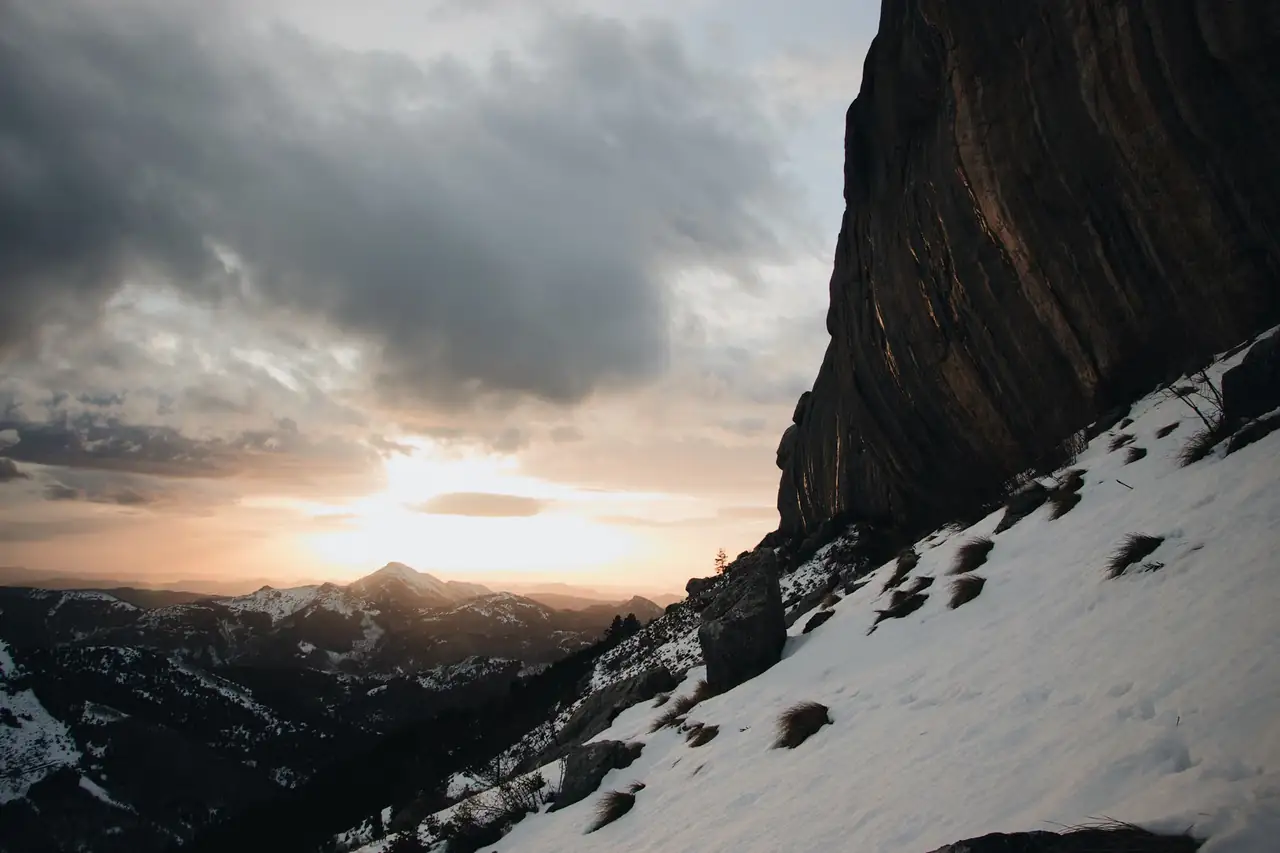
Colldejou will host a new edition of its winter mountain race on Sunday, December 20, 2026, with the start and finish in the Baix Camp municipality. The event brings together several formats, from an introductory route to a 21.5-kilometer trail, as well as an option for walkers. The landscape of Mola de Colldejou and the Serra de Llaberia makes this more than a winter race: it is a demanding route over paths, tracks and rocky ground, with open views toward the Costa Daurada and Montsant.
The long course is listed in the available information as 21.5 kilometers with 1,385 meters of elevation gain; other options include a 12.2-kilometer trail and walk, plus a 5.6-kilometer Start Trail. A special hill-climb time trial to La Miranda is also announced. Published figures differ slightly between race listings, so runners should confirm the final distance, start times and rules in the official documents for this edition before travelling.
A winter fixture in the mountains of Baix Camp
The race takes place in Colldejou, a small municipality at the foot of Mola, in Tarragona province. In December, the setting brings together Mediterranean vegetation, stony paths and slopes exposed to the wind. The event is part of the Costa Daurada trail calendar and uses the Christmas season to combine competition with a festive atmosphere, without letting its popular character soften the demands of mountainous terrain.
The routes pass through the area around Mola de Colldejou and the Serra de Llaberia, where climbs can be prolonged and the surface changes frequently. On trail sections, rock and compact dirt call for careful footing; on tracks, the pace may feel smoother, although the accumulated elevation still shapes the effort. Altitude and exposure to the wind can also make conditions feel different from those in the village.
The views are part of the race’s identity. From the higher points, the Costa Daurada and Montsant come into view, but the scenery should not distract from a route alternating between climbs, descents and uneven ground. Winter daylight is limited and conditions can change; fitness, caution and respect for one’s own pace matter as much as speed.
Distances and elevation: four formats for different paces
The main event is listed as the Trail 21K, although the most detailed published distance is 21.5 kilometers with 1,385 meters of elevation gain. It is the most demanding option because of the combination of distance and climbing. Race listings describe it as intermediate, but that label is no substitute for personal judgment: elevation, terrain and completion time can make it tough for anyone without mountain-running experience.
The Trail 12K covers 12.2 kilometers and accumulates about 855 meters of elevation gain. The same distance is offered as a Trek, intended for participants completing the route on foot. Sharing a course does not necessarily mean both formats have the same pace or start time; the organizers must confirm schedules, cutoffs and rules for each category. Available information also states a three-hour limit for the 12K.
The Start Trail, aimed at beginners and families, is listed as 5.6 kilometers with 232 meters of elevation gain. It is the shortest option, though it still takes place on natural terrain rather than a flat city course. The listing also gives this format a three-hour time limit and mentions a finisher item for participants under 18. Minimum age and participation requirements should be checked in the current rules.
Some platforms round distances or show different figures for the routes. One listing describes the long course as 21 kilometers, while another source gives alternative figures for some formats. These numbers therefore offer a sense of the effort, but the official 2026 race rules are the definitive reference for measured distance, elevation and any course changes.
The climb to La Miranda adds a challenge of its own
The event includes a special timed climb toward La Miranda, on Mola de Llaberia. Available information describes a segment of 3.23 kilometers with 496 meters of climbing, from about 470 to 919 meters above sea level. Its appeal lies in concentrating a demanding ascent into one defined segment, separate from the overall standings for the main race formats.
The gradient makes this a test of pacing and endurance: going out too fast can take its toll before reaching the top. In a hill-climb time trial, effort management and stable footing matter more than chasing an even pace. Mountain terrain may require shorter strides or walking on some sections, which is common even among experienced runners when the slope becomes steep.
Available information says awards go to the first male and female participants to reach the summit. It does not specify the scoring system, schedule or exact relationship between this segment and each race format, so those details should be checked in the race rules. The hill-climb should not be treated as a separate distance until the organizers explain how it fits into the program.
A course of trails, tracks and rock
Colldejou’s landscape creates varied terrain. Narrow trails may alternate with tracks and rocky sections, while climbs to the higher ground account for much of the effort. Distance alone does not describe the difficulty: on the long course, 1,385 meters of elevation gain in just over 21 kilometers make for a mountain day with significant climbs and descents that also tax the legs.
The long route is described as passing Coll de Colivassos twice and climbing toward Llaberia. One platform places aid stations at approximately kilometers 4.1, 10.7 and 13.4, plus a water point around kilometer 18.8. These are figures published in third-party listings, not a guarantee that they will remain unchanged in 2026. The official course map and aid stations may change for safety, weather or environmental reasons.
On a hilly race, a technical descent can demand as much attention as a long climb. Loose rock and uneven trail call for looking a few steps ahead, adjusting speed and leaving room for other runners on narrow sections. Poles may help some participants on prolonged climbs, but their use and any permission depend on the rules; they should not be assumed to be allowed on every section.
The route crosses a natural environment, so participants should stay on the marked course and avoid shortcuts. A mountain is not a closed track: ground conditions, recent rain and wind can change how it feels within hours. Following organizers’ instructions and respecting the natural surroundings are part of race safety for competitors, walkers and spectators alike.
Gear and the conditions typical of December
Race information lists mandatory equipment including a reusable cup—with an exception noted for the Start Trail—a water reserve of at least 0.5 liters and a waterproof windproof layer. Four safety pins for the race bib are also mentioned. Since published lists do not agree on every detail, participants should check the rules for this edition, especially before packing or travelling.
Clothing should suit the effort and expected conditions, not just the temperature at the start. A breathable layer combined with protection from wind and rain may offer more flexibility than a very heavy garment. Gloves or a neck gaiter can be comfortable on a cold morning, but the temperature on a future date cannot be known precisely this far ahead.
A third-party listing gives a historical climate reference of between 5 and 12 degrees Celsius for nearby dates, with an average of about 8 degrees. This is an indicative average, not a forecast for December 20, 2026. In the mountains, temperatures can also fall with altitude and wind; sun, rain and humidity affect how it feels. The actual weather forecast should be checked closer to race day.
Footwear should provide grip on dirt and rock and feel familiar to the runner. Wearing new shoes in a race with climbs and descents can lead to rubbing or blisters, while an overly worn outsole reduces stability on uneven ground. Hydration and food should also be planned around expected duration; published aid stations do not replace checking the rules or considering individual needs.
Services, atmosphere and practical information
The race description mentions aid stations on the course and at the finish, a runner’s bag, timing, medical assistance, changing rooms and showers. It also refers to music and entertainment, adding a festive touch to a winter event. The availability of each service may depend on the edition and race format, so participants should check which provisions remain in the 2026 program.
The option to walk the 12.2-kilometer route broadens the event beyond competition, while the short format offers an introduction to trail running for those who meet the age and participation requirements. The race has been described as family-friendly and festive, with Christmas hats and an end-of-year atmosphere. That mood goes hand in hand with the conditions of a mountain activity: each participant should assess their experience and fitness before choosing a distance.
Available information places registration on an external platform and says fees may vary according to registration date, but provides no verifiable amounts. Start times for the different formats are also not specified. Colldejou is a small village, so accommodation and transport may require planning; nearby towns mentioned in listings include Mont-roig del Camp, Cambrils, Reus and Falset. Travel times and availability should be checked with up-to-date information before the trip.
The program also includes a botifarrada for accompanying guests, subject to reservation, according to the available description. It is a social detail that could make the event a full-day outing for groups and families, but reservation arrangements, price and timing are not confirmed in the information provided. The date is confirmed as December 20, 2026; the remaining operational details should be checked with the organizers as final information becomes available.
An end-of-year run that calls for reading the mountain
The festive race in Colldejou offers several ways to experience the same landscape: run a long course with substantial elevation, take on an intermediate route, walk in the mountains or try an introductory trail. Variety does not remove the demanding nature of the area. Mola and the Serra de Llaberia offer broad views, but also climbs, rock and exposure to winter conditions.
The 2026 edition is scheduled for Sunday, December 20, in Colldejou, with formats that, according to published information, range from 5.6 to 21.5 kilometers and a timed climb to La Miranda. Distance figures and some course details differ slightly between sources, making the final rules essential for confirming the exact route, mandatory gear and time limits. The most reliable preparation reference will be updated official information, not a weather average or an old listing.
At a mountain event just days before the holidays, the atmosphere may be light and celebratory, but the terrain demands attention. Choosing a format suited to experience, saving energy for the climbs and respecting one’s own pace can help runners enjoy a landscape that changes with every slope. Colldejou sees out the year among trails, stone and Mediterranean views: a Christmas scene earned one step at a time.
Where to stay in Colldejou
Hotels available 18–21 December 2026.
Affiliate links: if you book through this map we earn a commission, at no extra cost to you.



How to prevent thigh chafing: causes and real solutions

Women’s running windbreakers: seven jackets and how to choose

Do more workouts get rid of soreness? A guide for runners

Jaén Half Marathon 2026: Record 3,800 Runners Registered

Men’s short running tights: how to choose the right pair

World Triathlon confirms data breach involving medical data

Izan Edo targets podium at Miyazaki World Cup

María Pérez ranks ninth in World Athletics’ 2026 top ten

Dos Santos, Duplantis and Sawe: World Athlete of the Year finalists

San Silvestre Vallecana 2026: 42,000 places, prices and start times

 Races3 months ago
Valencia Half Marathon 2027: date and registration

 Races3 months ago
Valencia Marathon 2026: entry, ballot and course

 Reviews and Comparisons4 months ago
Asics Gel-Roadmiles 3 for men: review and current price

 Reviews and Comparisons4 months ago
Asics Gel Sonoma 8 Gore-Tex: complete analysis for trail and rain

 Sneakers3 months ago
Saucony Endorphin Pro 4: full review and verdict

 News5 months ago
Strava API 2026: what changes for clubs, challenges and runner apps?

 Reviews and Comparisons5 months ago
Nike Alphafly 3: opinions, sensations, and real key points

 Reviews and Comparisons4 months ago
Under Armour running shoes review 2025-2026: models and key features

 Sports Equipment4 months ago
Shoe sizes in cm: a clear guide to getting the right fit for your footwear

 Sneakers3 months ago
Skechers GO RUN Consistent 2.0 analysis: comfort and limits

 News5 months ago
Valencia Marathon 2026 route: key tips to train and run better

 Sneakers4 months ago
Adidas Adizero Boston 13 for men: review and verdict