Races
Coslada Night Race 2026: date, route and schedule
Coslada once again brings runners together for a fast, urban race with a nighttime start.

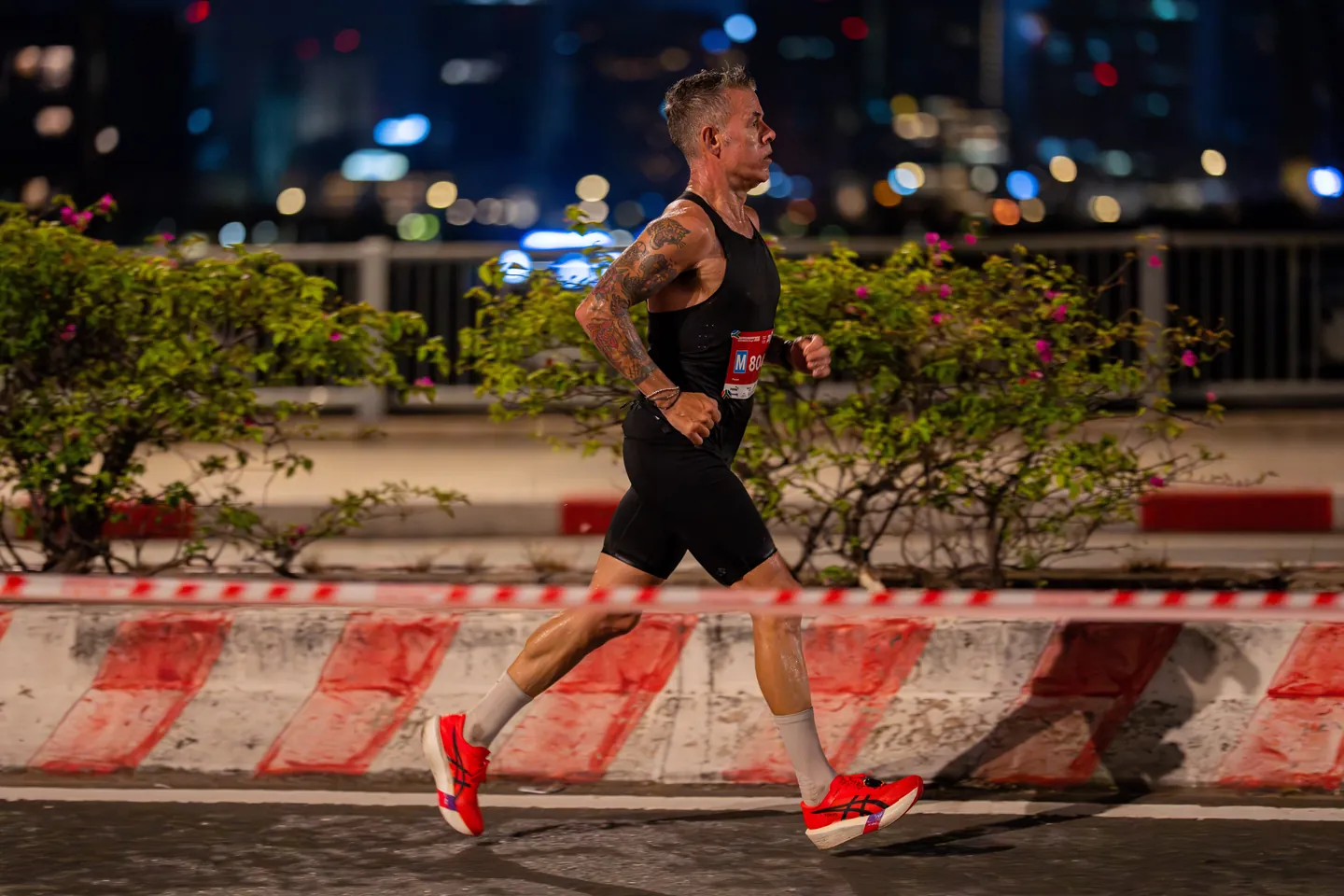
Imagen: VANNGO Ng / Pexels
Coslada will light up its streets again on Friday, June 26, 2026 with an event that has already become established on the popular calendar: a 6-kilometer urban race that starts at 9:00 p.m. and is run on asphalt. The race combines a summer atmosphere, a flat course and that touch of darkness that completely changes how the race is perceived, from the start to the final turn.
The third edition of the Coslada night race arrives with a clear format that is instantly recognizable to recreational runners: a short circuit, a demanding distance in terms of pace, and the first part of summer, when temperatures already force you to run smart. Part of its appeal lies in that balance between speed and control, because it does not require mountains or major elevation changes, but it also gives nothing away if you go out too fast.
An urban event that gains strength as evening falls
The appeal of this race is not only about the clock. The start time, set at 9:00 p.m., gives the event a different atmosphere from a conventional morning race. The fading light, the long shadows and the pulse of summer create an almost cinematic setting, with runners sharing the asphalt, neighbors watching from the sidewalks, and a town that turns for a couple of hours into an open track.
Coslada, in the Community of Madrid, also adds a practical element that many participants appreciate: a flat urban course, more predictable than other races with elevation changes. That does not mean it is easy, because 6 kilometers are raced at high intensity and leave little room for recovery. At distances like this, the pace is either clean or it falls apart quickly; there are not many middle-ground nuances.
The structure of the race also helps explain why it attracts interest from very different types of runners. Some are looking for a personal best, others want to kick off the summer season with a short competition, and others simply find this kind of event a different way to experience recreational running. Nighttime, in that context, works as an amplifier: it makes the effort more visible, but also makes the setting feel more welcoming.
Date, time and details that define the 2026 edition
The 2026 race is set for a very specific date: Friday, June 26, with the start at 9:00 p.m. That schedule places the race in a still-bright time slot, but already with a nighttime feel, which helps reduce the day’s thermal impact. In late June, that detail matters more than it seems; starting late can be a clear advantage over other events in the season.
The course is described as a night circuit of two laps totaling approximately 6 kilometers, with a final phase reserved for those at the front. The reference information also points to a second competitive segment of about 3 additional kilometers for the leading men and women, which adds a tactical element to the finish. This is not a simple out-and-back race; there is sport-specific reading of the race, positions opening up, and a natural selection that comes when the pack starts to break apart.
Entry fees appear in several sources ranging from 12 to 14 euros, placing the race within the usual range for a local urban popular race. It is not an eye-catching amount, but it is enough to fit within an event that combines logistics, course control and club atmosphere. In races like this, the value is not only in the distance, but in the context: safety, signage, and a well-rounded experience for the runner.
A fast course, but with its own traps
The 6 kilometers on asphalt invite you to think of it as an easy race, almost flat in the runner’s mind. And yet, short, flat courses punish any overexertion. If you go out above the right threshold, the body pays for it before the final straight. If you start with extreme caution, it can feel like you are already late from the first kilometer. That tension is part of the appeal of fast urban races.
The fact that it takes place in Coslada, in an area of streets and urban spaces, also suggests a route where attention to detail matters just as much as fitness. The turns, the small changes in the road surface, and the passage through more open or more enclosed areas all change the perception of effort. In a night race, visual reference matters more: running at night requires reading the ground, the lights and your own pace with a precision that daytime usually takes for granted.
This kind of race is especially useful for those who want to gauge their sensations in a competitive environment without going to longer distances. Over 6 kilometers, cruising speed becomes the star, and breathing, arm swing and the ability to maintain technique under fatigue take center stage. This is not a race to hide in; it is a race to sustain.
The sporting value of a short summer race
In the popular race calendar, June night races have an obvious advantage: they allow you to compete in milder temperatures than an afternoon race. That nuance, which may seem minor, completely changes the runner’s experience. The asphalt stops radiating the heat stored throughout the day, and the body handles the effort better, although humidity can still be present depending on the day.
That is why this type of event works well for both experienced runners and those approaching a short race for the first time. The distance does not carry the mental grind of a long 10K or the metabolic commitment of a half marathon, but it still demands serious effort management. You run fast, but not blindly: there is little room to correct mistakes.
In addition, the Coslada night race sits in a very attractive spot for city runners. It does not require complicated travel or specific mountain preparation, and it concentrates the kind of stimulus many people look for in June in just a few kilometers: intensity, atmosphere and a finish with a competitive feel. It is a short race, yes, but not a minor one.
Organization, atmosphere and the role of the local club
The organizational reference points to Unión Atlética Coslada, a name linked to local athletics and the town’s sporting activity. In races like this, the organizer’s role is crucial: not only for managing registrations, but also for designing the course, controlling the timetable and shaping the overall participant experience. An urban race works when everything seems to flow quietly, like a machine you do not see but can feel.
The community aspect also matters. The night races are not limited to runners in motion; they attract family members, fans, neighbors and curious onlookers who come to watch the pack pass by. That setting gives the event texture. The sound of applause, the murmur on the sidewalks and the points of light scattered along the street turn a simple competition into a shared scene.
In Coslada’s case, the 2026 edition is linked to a very specific location: El Cerro, on Calle Moscú, next to the summer pool. That detail provides a clear reference point for the start area and the overall atmosphere. For the runner, having a specific location helps imagine the logistics of the day, from arrival to the minutes before the starting gun.
Which type of runner usually benefits most from this kind of event
The race is especially well suited to those who enjoy high paces on asphalt. A 6-kilometer course, in addition to being short, allows for intense concentration without the prolonged wear of longer distances. It is fertile ground for those with a speed base, but also for recreational runners who want to test how their body responds to a sustained, short effort.
It is also appealing for those who are starting to compete regularly. The distance is not overwhelming, the format is simple, and the atmosphere of a night race reduces some of the tension that a large mass start can create. Even so, it is worth remembering: the fact that it is short does not make it easy. In a 6K, the margin for technical disorder or going out too hard is almost as small as the air left at the end of a steep climb.
Races of this profile usually leave a very recognizable picture: concentrated runners, packs separating early, and a final straight where every second counts. The night adds a subtle but effective emotional layer. There is no forced epic feeling; there is asphalt, breathing and the sense of being in a familiar place that, for a few hours, is seen with different eyes.
What to keep in mind before getting to the start
The 9:00 p.m. start calls for a different management of the day. It is not an early-morning race or a mid-afternoon event, so the runner arrives with several hours of food, heat and waiting already behind them. Hydrating well and not leaving the last meal too late is usually more important than it seems in a short race. In summer, the margin for improvisation narrows quickly.
Clothing also matters. A June night race is not the same as a cool autumn event, and the asphalt in a city can still give off heat even as evening falls. Choosing lightweight clothing, avoiding unnecessary layers and accepting that the start temperature will not be like the early hours of the morning is part of common runner sense. Thermal comfort matters as much as pace, especially when the effort ramps up from the first kilometer.
The race’s own setup, with a fast and presumably dynamic course, invites you to run focused and without too many distractions. The clock, over distances like this, tends to become the immediate judge. But the interest of these races does not end with the finishing time: it is also about the feeling of control, the ability to maintain technique, and the experience of competing in a city that, at night, seems to beat to a different rhythm.
Coslada and the appeal of races that come alive at dusk
The rise of night races in urban settings is no coincidence. Runners increasingly seek complete experiences, not just times. They want more comfortable summer schedules, understandable courses, accessible races and an atmosphere that is not limited to a bib number and a finish line. The Coslada night race fits that map because it offers exactly that combination of logistical simplicity and recognizable atmosphere.
In addition, this type of event has a virtue that is not flashy, but very valuable: it makes popular athletics visible in the heart of the city. It does not need a grand landscape or a technical profile to leave a mark. A well-designed circuit, a well-organized start and the feeling that the neighborhood is participating in some way are enough. Urban asphalt, under the night light, changes character and stops being a backdrop to become the star.
That is why the third edition in Coslada should not be understood as just another race. It is a calendar reference, a short event with its own identity and a clear example of how popular races keep finding ways to attract runners: less artifice, more context, and a time of day when summer no longer presses quite as hard. In that in-between space between day and night, effort looks different, and it is remembered differently too.
A short race that concentrates atmosphere, pace and city
The 2026 Coslada night race brings together date, time and course in a very recognizable format: June 26, 9:00 p.m. start, 6 kilometers on asphalt and an urban setting that favors both speed and atmosphere. It does not aim to stand out for its distance, but for the way it turns a June evening into a compact, well-defined sporting event.
Its appeal lies in the mix. There is competition, but also the neighborhood; there is pace, but also heat; there is a short course, but enough demand not to lose concentration. That balance explains why urban night races keep growing: because they allow you to run hard without giving up the feeling that you are experiencing something broader than a simple time on the clock.
On that June night, Coslada is no longer just a municipality in the Madrid metropolitan area and becomes a small stage for recreational running. What happens there does not last long, but it leaves a clear image: runners moving forward under the remaining light, the asphalt responding under their shoes, and a city that, for a few hours, beats to the rhythm of a short, direct race.



How to prevent thigh chafing: causes and real solutions

Women’s running windbreakers: seven jackets and how to choose

Do more workouts get rid of soreness? A guide for runners

Jaén Half Marathon 2026: Record 3,800 Runners Registered

Men’s short running tights: how to choose the right pair

World Triathlon confirms data breach involving medical data

Izan Edo targets podium at Miyazaki World Cup

María Pérez ranks ninth in World Athletics’ 2026 top ten

Dos Santos, Duplantis and Sawe: World Athlete of the Year finalists

San Silvestre Vallecana 2026: 42,000 places, prices and start times

 Races3 months ago
Valencia Half Marathon 2027: date and registration

 Races3 months ago
Valencia Marathon 2026: entry, ballot and course

 Reviews and Comparisons4 months ago
Asics Gel-Roadmiles 3 for men: review and current price

 Reviews and Comparisons4 months ago
Asics Gel Sonoma 8 Gore-Tex: complete analysis for trail and rain

 Sneakers3 months ago
Saucony Endorphin Pro 4: full review and verdict

 News5 months ago
Strava API 2026: what changes for clubs, challenges and runner apps?

 Reviews and Comparisons5 months ago
Nike Alphafly 3: opinions, sensations, and real key points

 Reviews and Comparisons4 months ago
Under Armour running shoes review 2025-2026: models and key features

 Sports Equipment4 months ago
Shoe sizes in cm: a clear guide to getting the right fit for your footwear

 Sneakers3 months ago
Skechers GO RUN Consistent 2.0 analysis: comfort and limits

 News5 months ago
Valencia Marathon 2026 route: key tips to train and run better

 Sneakers4 months ago
Adidas Adizero Boston 13 for men: review and verdict