Races
Cursa de Sant Galderic 2026: date and location
Tavèrnoles will host the race on November 1; the course, schedule and registration details have not yet been announced.

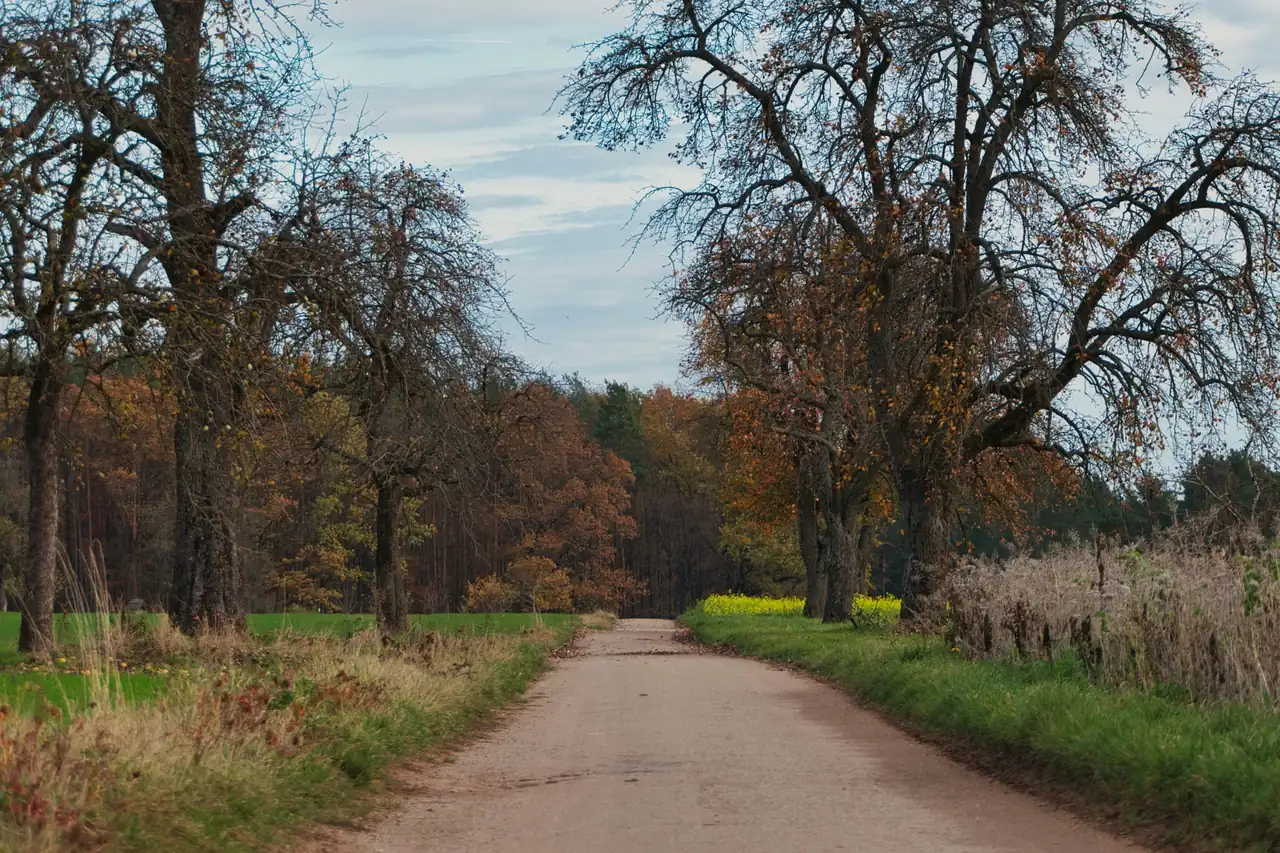
The popular race associated with Sant Galderic will take place on November 1, 2026, in Tavèrnoles, in Barcelona province. Those are the confirmed details for this edition. The information currently available does not specify the distance, course, start time, entry fee or registration process, so none of those details should be taken for granted.
The date and town place the event on the calendar, but they are not enough to plan full participation. The route and access arrangements are essential details in deciding whether a race suits each runner, particularly in a rural setting where surface and elevation can significantly shape the experience. Here is what is known, along with context that helps explain the announcement without confusing expectations with official information.
Confirmed date and venue for 2026
The event is scheduled for Sunday, November 1, 2026, in Tavèrnoles, a municipality in the Osona area of Barcelona province. A specific date and named town provide a useful first reference for people following Catalonia’s race calendar. They do not, however, mean that every practical detail of the day has been published.
The distinction matters: a confirmed date indicates when the event is expected to take place, while the schedule, exact start point and participation conditions require separate information. No start time or specific address is available in the details provided. There is also no indication of whether there will be one format or several, so distances and categories cannot be anticipated without risking the spread of inaccurate information.
The name Sant Galderic gives the race a recognisable identity and places it within a Catalan cultural tradition associated with rural life. Saint Galderic is considered the patron saint of farmers in Catalonia, and his feast day is October 16. The race announced for November does not coincide with that date, so the feast-day calendar should not be confused with the event date.
What is known and what remains undecided
The confirmed information answers the basic questions of when and where: the event is scheduled for November 1, 2026, and will take place in Tavèrnoles. Beyond those two points, there are no verifiable details about the organisation, course or registration. For a calendar report, distinguishing published facts from pending details is more useful than filling gaps with assumptions.
Questions still requiring a specific announcement include the official distance, the course profile and the type of surface. The exact start and finish locations, schedule, price and registration period are also unknown. Without those details, the sporting demands cannot be assessed reliably, nor can runners estimate how long the event will take or whether it is aimed at experienced competitors, occasional participants or several ability levels.
The lack of detailed information does not mean those elements will not be published; it means only that they are not included in the details currently available for this event. It is a simple but important distinction, preventing an estimate from circulating as an official announcement. For people checking the calendar in advance, the reliable approach is to note the announced date and wait for technical details before arranging travel or making firm plans.
Tavèrnoles, a rural setting for race day
Tavèrnoles is in Osona, an inland area of Barcelona province characterised by small towns, fields and varied terrain. That context suggests a day different from an urban race, although it does not confirm what the course will be like. The route could use streets, paths or a mixture of surfaces; without a published itinerary, none of those options should be presented as fact.
At races held in small municipalities, the landscape can be part of the experience, but it also affects practical considerations. A dirt path calls for a different stride from asphalt; a sustained climb changes pace, and a narrow section can affect the start of a large group. These are general considerations, not a description of this event. The official map and profile will show the actual terrain, its elevation and where runners may need to manage their effort.
The town also shapes race-day logistics. Parking availability, public transport, the distance between the start area and other services, and possible traffic restrictions can only be assessed once the locations used by the organisers are known. Until then, it is best not to assume that the start will be in the town centre or that a particular transport plan will be in place. The host town is known; the meeting point is not.
The name Sant Galderic and its connection to the area
Sant Galderic holds a distinctive place in Catalan agricultural culture. Tradition recognises him as the patron saint of farmers, a connection that feels natural in a region where rural life has shaped local festivals, names and celebrations. That reference explains the race’s name, although it does not establish a festival programme or a particular theme unless one has been announced.
The link between sport and local celebrations often gives popular races a distinct identity. Rather than serving only as a time on a stopwatch, an event can bring residents and visitors together around a place and a date. But the format, accompanying activities and involvement of local organisations depend on each edition. In this case, the known information does not describe those features, so the saint’s tradition provides context, not a confirmed programme.
It is also important to separate the cultural significance of the name from the sporting conditions. A race named after a figure associated with agriculture is not necessarily an asphalt, trail or mountain event, and its distance cannot be inferred from the name. The surface, difficulty and format can only be established through the rules and course details. The local context helps explain the event’s identity; it does not fill in missing information.
Course, distance and level: key details still pending
Distance is one of the first details runners need when deciding whether an event fits their goals. A short race may call for a fast, demanding start; a longer one requires runners to manage pace and energy over more time. Without an official figure, this event cannot be classified as a 5K, 10K, half-marathon or another format. The distance has not yet been specified.
Elevation and surface add another layer of information. Two courses of equal length can feel very different if one is flat and paved while the other includes climbs, descents or uneven ground. To prepare appropriately, runners need the profile and, if available, a course map. Without those details, any assessment of difficulty would be premature, even though Tavèrnoles is in a rural setting.
The race rules also clarify details that can otherwise be overlooked until race day: categories, minimum age, time limits, recommended equipment and bib collection arrangements. That information has not yet been provided for the 2026 edition. Once published, it will explain not only how far participants run, but also how the event is organised and what each participant needs to know. A complete technical guide will be needed to compare the race with others on the calendar.
Registration and organisation: no fees or deadlines published
The information provided does not include a registration link, fee or opening and closing dates. It is therefore not possible to say how much entry will cost or to confirm that registration is open. Fees for popular races can vary by registration period, format or included services, but that general pattern does not allow the entry price for this event to be estimated.
Before registering, it is useful to check what the fee covers and what conditions apply to changes, withdrawals or bib transfers. It can also matter how race numbers are collected and what documents are required. These are common questions for any sporting event, but no confirmed details are available for this race. The price and rules should be checked in the organisers’ official information once it is published.
The identity of the organising body is also absent from the details provided. That information matters because it helps runners find the rules, resolve logistical questions and distinguish official announcements from third-party posts. Until the organiser is identified, figures or conditions that are not accompanied by verifiable information should be treated cautiously. Neither the race manager nor its registration platform has been confirmed here.
Preparing without getting ahead of the announcement
While details of the course are pending, training can remain part of a regular plan without turning the date into a reason for an abrupt change in workload. November 1 is on the calendar, but event-specific preparation depends on distance and profile. Without knowing what the race involves, there is no training plan specific to this event; maintaining a routine suited to a runner’s experience and fitness is still reasonable.
Once the route is published, it will be easier to adjust training. If climbs dominate, strength work and effort management on hills will matter more; if the course is fast and flat, consistent pacing will be more important. These are general pointers, not predictions about Tavèrnoles. Shoe choice should also wait until the surface is known, because appropriate footwear depends on the terrain and expected conditions, not on the race name.
Recovery and health should accompany every sporting goal. A sudden increase in mileage or the addition of hard sessions without a sufficient base can increase the risk of discomfort or injury. Gradual progression, adequate rest and attention to the body’s signals are sound principles for runners at different levels. A confirmed date helps organise the calendar, but it does not replace sensible individual preparation or reveal how demanding the event will be.
The November calendar and the runner’s experience
Taking place on the first day of November puts the race at the start of a month when weather can be changeable in inland Catalonia. That is a reason to plan flexibly, not a description of conditions on race day. Temperature, wind and rain depend on forecasts issued closer to the event. The weather for the day will only be known much nearer the time, so broad seasonal averages should not be treated as a forecast.
The date may also coincide with travel associated with a holiday weekend, but that does not reveal anything about the organisation or expected attendance. Information about road closures, access times or parking will need to come from the responsible body. Once those details are known, participants can better estimate arrival times and avoid last-minute decisions. Travel planning depends both on the starting point and on the announced logistics.
For people drawn to races with a local character, Tavèrnoles may be an attraction in its own right. A sporting event can introduce runners to towns that are not part of their usual routes. Even so, the appeal of the course will depend on its actual design and how it uses the surrounding area. The town provides the setting; the route will shape the sporting experience.
An event that still needs its technical guide
The reliable information about the 2026 Sant Galderic race is specific, although still brief: it is announced for November 1 in Tavèrnoles. Details that usually turn a calendar date into a complete event listing are still missing, from the distance and course to the fee, categories and schedule. That distinction describes the current state of the information and avoids presenting unannounced details as official.
A technical guide will answer many practical questions and make it possible to assess the event on sporting grounds. It will also clarify who is organising the day, where the start and finish are, how to register and what services will be available. For now, the date and town are the only confirmed references, and any additional details should wait for a verifiable announcement.
A popular race is shaped by its course as much as by the place that hosts it. In Tavèrnoles, the reference to Sant Galderic connects the event with a recognisable rural identity, but the rules will reveal what the day will actually involve. The next useful update will be the course and registration conditions; once those details are available, the race can take a clearly defined place in the 2026 sporting calendar.



How to prevent thigh chafing: causes and real solutions

Women’s running windbreakers: seven jackets and how to choose

Do more workouts get rid of soreness? A guide for runners

Jaén Half Marathon 2026: Record 3,800 Runners Registered

Men’s short running tights: how to choose the right pair

World Triathlon confirms data breach involving medical data

Izan Edo targets podium at Miyazaki World Cup

María Pérez ranks ninth in World Athletics’ 2026 top ten

Dos Santos, Duplantis and Sawe: World Athlete of the Year finalists

San Silvestre Vallecana 2026: 42,000 places, prices and start times

 Races3 months ago
Valencia Half Marathon 2027: date and registration

 Races3 months ago
Valencia Marathon 2026: entry, ballot and course

 Reviews and Comparisons4 months ago
Asics Gel-Roadmiles 3 for men: review and current price

 Reviews and Comparisons4 months ago
Asics Gel Sonoma 8 Gore-Tex: complete analysis for trail and rain

 Sneakers3 months ago
Saucony Endorphin Pro 4: full review and verdict

 News5 months ago
Strava API 2026: what changes for clubs, challenges and runner apps?

 Reviews and Comparisons5 months ago
Nike Alphafly 3: opinions, sensations, and real key points

 Reviews and Comparisons4 months ago
Under Armour running shoes review 2025-2026: models and key features

 Sports Equipment4 months ago
Shoe sizes in cm: a clear guide to getting the right fit for your footwear

 Sneakers3 months ago
Skechers GO RUN Consistent 2.0 analysis: comfort and limits

 News5 months ago
Valencia Marathon 2026 route: key tips to train and run better

 Sneakers4 months ago
Adidas Adizero Boston 13 for men: review and verdict