Races
Desafío Cántabro OCR 2026: date, distances and course
Viérnoles will host an obstacle-course event in August, with 8- and 4-kilometer routes for different participants.

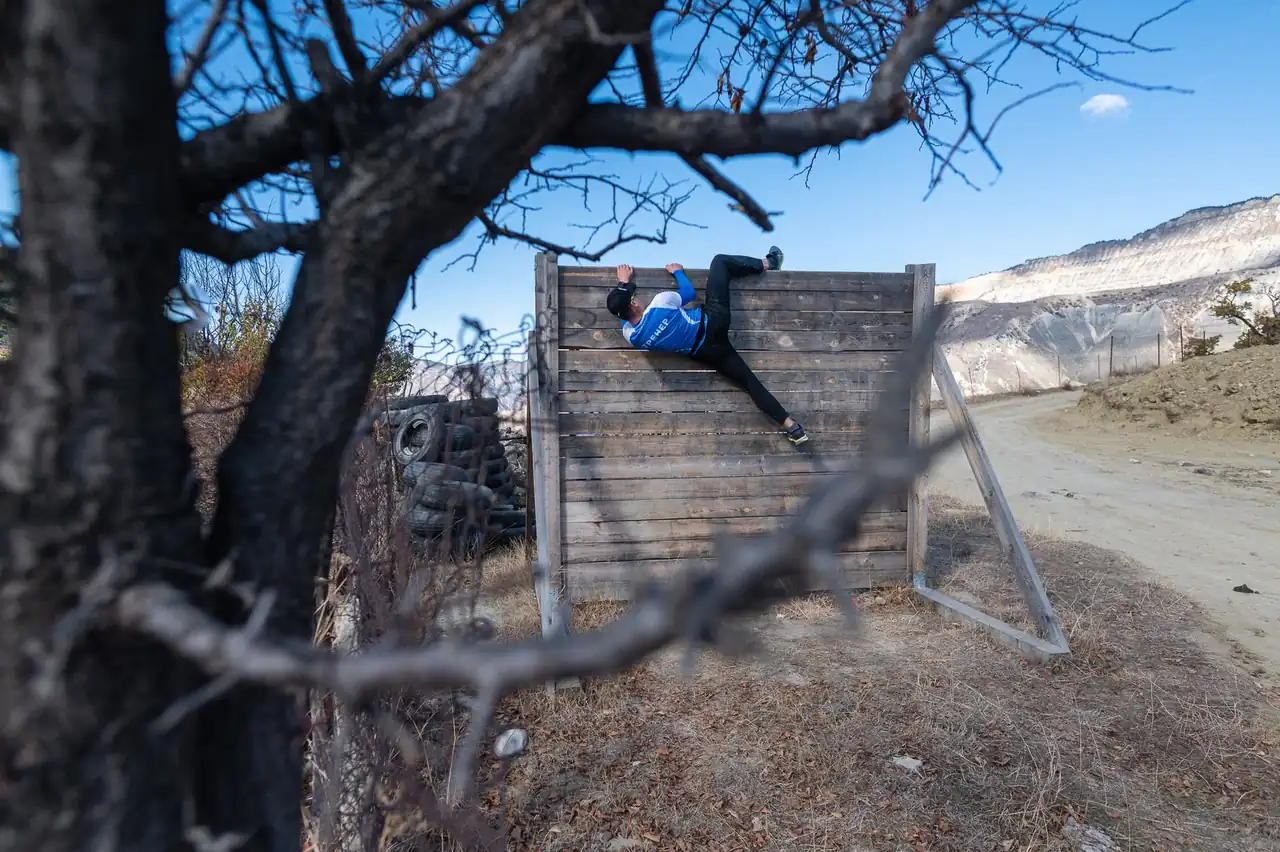
The fifth edition of Desafío Cántabro OCR will take place on Aug. 1, 2026, in Viérnoles, a locality belonging to the municipality of Torrelavega in Cantabria. The event features obstacle-course racing, with a main 8-kilometer race and a shorter 4-kilometer distance, as well as activities designed for a broader audience.
The event combines running, strength, balance and obstacle skills in northern Spain, where the terrain and weather may matter as much as physical condition. The information published so far identifies both distances, but it does not yet publicly confirm the start time, entry fee, exact address or a dedicated official website. The popular race calendar helps place the event alongside other races in Spain, while the race map provides geographical context.
Popular race calendar and popular race map are useful references for understanding the event, although final details should be checked with the organizers once registration opens.
An OCR event with several distances
OCR, short for obstacle course racing, is different from a conventional road race. Participants must run while negotiating walls, ropes, carries, balance sections, climbs and surfaces that continually force changes of pace. Instead of holding one steady stride, the body alternates accelerations, stops and short high-intensity efforts.
The 8-kilometer distance is the main challenge announced for 2026. It is long enough to require endurance, yet compact enough for obstacles to have a decisive influence on the result. In this kind of race, losing time on a climb or stopping at a wall can completely change the standings, even when the running sections have been fast.
The 4-kilometer option broadens the event’s reach. According to the available information, it is intended for walkers, recreational runners and younger participants. Its shorter length reduces accumulated aerobic demand, but it does not automatically make the course easy: a technical obstacle can still require grip strength, coordination and confidence.
Date and setting
Viérnoles will be the center of activity on Saturday, Aug. 1, 2026. The locality lies within Torrelavega, in Cantabria, an area known for its green landscape, Atlantic humidity and more irregular terrain than many urban races in Spain. That setting may give the course a distinctive character, although the final route has not been described in the available information.
The date places the event in the middle of summer. In Cantabria, August can be mild compared with other Spanish regions, but conditions may shift between sunshine, cloud and rain. General climate references for the area point to a warm atmosphere, with an approximate average high of 77 degrees Fahrenheit and a low of 57, together with around 60 millimeters of monthly rainfall. These are not event-day forecasts, only broad guidance.
In an OCR race, weather affects more than comfort. Rain can make wooden surfaces slippery, muddy footholds and increase the difficulty of balance sections. Heat raises fluid loss during running segments and makes arriving properly hydrated more important. Organizers will need to clarify aid stations and safety measures as the event approaches.
What is known about the categories
The main race includes separate categories for teams, recreational participants and elite runners or age-group competitors. This allows different goals to coexist: completing the course together, enjoying the experience without classification pressure or competing for positions against athletes with specific preparation.
Team categories change the way obstacles are approached. In an individual race, each participant manages their own energy and decides when to take risks. In a team, coordination becomes as valuable as speed: one person may help another over a climb, set the pace or wait at a technical section. Some parts therefore become exercises in cooperation rather than simple tests of power.
Elite and age-group categories usually require stricter obstacle execution and an exact reading of the rules. However, the specific regulations, penalties and criteria for validating each obstacle have not yet been published. That is important because touching a structure, skipping an element or receiving outside assistance may have different consequences under different event formats.
The role of family and youth activities
Desafío Cántabro OCR is not limited to runners seeking a time. Available information also mentions Desafío Kids and a Familia Amara race, described as a fully charitable initiative. These activities make the day broader, combining sport with a recreational and social dimension.
In children’s formats, difficulty must be adapted to age and height. An obstacle that demands upper-body strength from an adult may require a different setup for a child, with lower supports, close supervision and surfaces prepared to soften falls. Safety depends not only on equipment, but also on access control, staff presence and clear instructions.
The family race adds another layer. Sharing a course can be an attractive way to introduce running and physical activity to people who do not usually enter public races. The charitable purpose gives the event a social objective, but participants still need to know the distance, entry conditions, minimum age and registration process, details that are not yet complete for 2026.
How preparation differs from an urban race
Preparing for an OCR requires more than increasing mileage. Running remains the foundation, but it must be combined with exercises that develop pulling strength, stability and the ability to produce intense efforts in short bursts. A runner used to an even pace may arrive at a wall feeling fresh but lack the grip needed to climb it.
Hand and forearm strength matter greatly on ropes, bars and climbing sections. Shoulders, back and the core are also important because they connect the legs and upper body. Training does not need to reproduce every obstacle exactly: carrying moderate loads, climbing safely, using suspension exercises or moving across unstable surfaces can improve overall coordination.
Endurance is trained differently when the route includes frequent interruptions. Short intervals with incomplete recovery, pace changes and circuits alternating running with strength exercises better reproduce the feeling of breathing hard between obstacles. The workload should still progress gradually. Arriving in August with accumulated fatigue can be more harmful than arriving with slightly less volume.
Technique matters too. Learning to distribute weight over a barrier, keep three points of contact during a climb and avoid unnecessary jumps can improve control. In mud, a short, careful step often provides more security than a long stride. Trail shoes with pronounced lugs may improve traction on wet ground, although no footwear replaces caution or guarantees grip on wet wood.
Equipment, clothing and effort management
An obstacle race tests equipment in ways that a conventional run does not. Shoes encounter mud, water, sand and abrasive surfaces, while clothing can catch or become heavy when soaked. Close-fitting, durable garments that allow free movement through the shoulders and hips are generally practical.
Shoes should hold the foot securely and drain water quickly. A smooth outsole may compromise grip on slopes, while an overly aggressive tread can feel uncomfortable on compact ground. The best choice depends on the actual terrain, which has not yet been described in enough detail. Gloves may protect the hands, but they can also reduce sensitivity and grip; they should be tested beforehand, not worn for the first time at the start.
Effort management begins before the first obstacle. Starting too fast may leave the legs empty by the climbs, while saving too much can waste time on running sections. A sensible approach is to move under control during the first kilometers, assess the structures and increase intensity once the body has adapted to the changing rhythm.
Hydration deserves attention during an August event. Requirements depend on heat, duration, sweat rate and aid-station availability. Drinking excessively is not a solution either. Official information should clarify where water points and medical services will be located, particularly for youth and family distances.
Registration and details still pending
The event has a date, general location and distances, but not every operational detail has been confirmed. The entry fee, start time, exact venue address, bib pickup procedure and field limit are not publicly available in the reference material. No dedicated official event URL appears there either.
These details are often released in stages. In an OCR race, fees may vary by category and registration date, while the rules should explain penalties, permitted assistance, medical requirements and what happens when an obstacle cannot be completed. Responsible registration means reviewing that information before making any payment.
It is also important to distinguish this event from other races with similar names. The available event calendar places the 2026 race in Viérnoles on Aug. 1, while another reference mentions a Desafío Cántabro event in Noja on Sept. 6. They should not be treated as the same event without express confirmation: they may be separate events under one brand, or outdated records on external platforms.
What participants should check before traveling
The general location in Viérnoles makes it possible to plan travel to Torrelavega, but it is not enough to reach the start venue. The exact address, parking, pedestrian access and bib pickup area can change travel times. At events with several waves, arriving late for check-in may prevent a start even when registration is complete.
Regulations should specify the minimum age for each distance, required documents and category-change conditions. For family and youth races, guardian authorization is usually essential. It is also useful to know whether closed shoes are required, whether gloves are allowed and what happens when a participant cannot clear an obstacle.
Weather information from the preceding week will be more useful than any monthly average. Rain may call for spare clothing and a bag for wet equipment; sunshine may make skin protection and pace adjustment advisable. In either case, the priority should be maintaining mobility, avoiding unnecessary risks and following course staff instructions.
An event combining competition and participation
The appeal of this race lies in its range of formats. The 8-kilometer course offers a sporting challenge with separate categories, while the 4-kilometer race, children’s format and family event open the day to people with very different goals. Not everyone arrives to win; some want to complete a new course, share it with friends or take part in a charitable activity.
That open character can be an advantage, but it also requires clear organization. When fast athletes, large groups and children share spaces with obstacles, signage, wave separation and supervision become central. A good OCR event is not judged only by spectacular walls, but also by smooth access, useful information and the ability to handle incidents.
Viérnoles will therefore host a day unlike a conventional road race. Among Cantabria’s greenery, mud and course structures, each participant may find a challenge suited to their level, provided the final information maintains the announced distances and categories. The date is set; the remaining details must be consolidated before registration opens.
Viérnoles prepares a distinctive challenge
On Aug. 1, 2026, Desafío Cántabro OCR will bring obstacle racing and family participation to Viérnoles. The 8-kilometer race will carry the main sporting demand, while the 4-kilometer course and complementary activities will provide a broader entry point to the format.
The event already has the essential calendar details: date, locality, province, distances and competitive direction. Registration, schedules, exact route and category rules remain to be confirmed. That information will be decisive in turning an initial listing into a reliable participation plan, especially in a discipline where every meter may hide a different challenge.



How to prevent thigh chafing: causes and real solutions

Women’s running windbreakers: seven jackets and how to choose

Do more workouts get rid of soreness? A guide for runners

Jaén Half Marathon 2026: Record 3,800 Runners Registered

Men’s short running tights: how to choose the right pair

World Triathlon confirms data breach involving medical data

Izan Edo targets podium at Miyazaki World Cup

María Pérez ranks ninth in World Athletics’ 2026 top ten

Dos Santos, Duplantis and Sawe: World Athlete of the Year finalists

San Silvestre Vallecana 2026: 42,000 places, prices and start times

 Races3 months ago
Valencia Half Marathon 2027: date and registration

 Races3 months ago
Valencia Marathon 2026: entry, ballot and course

 Reviews and Comparisons4 months ago
Asics Gel-Roadmiles 3 for men: review and current price

 Reviews and Comparisons4 months ago
Asics Gel Sonoma 8 Gore-Tex: complete analysis for trail and rain

 Sneakers3 months ago
Saucony Endorphin Pro 4: full review and verdict

 News5 months ago
Strava API 2026: what changes for clubs, challenges and runner apps?

 Reviews and Comparisons5 months ago
Nike Alphafly 3: opinions, sensations, and real key points

 Reviews and Comparisons4 months ago
Under Armour running shoes review 2025-2026: models and key features

 Sports Equipment4 months ago
Shoe sizes in cm: a clear guide to getting the right fit for your footwear

 Sneakers3 months ago
Skechers GO RUN Consistent 2.0 analysis: comfort and limits

 News5 months ago
Valencia Marathon 2026 route: key tips to train and run better

 Sneakers4 months ago
Adidas Adizero Boston 13 for men: review and verdict