Races
FalcoTrail 2026: start times, entry fees and distances in Cehegín
Cehegín hosts trail races and hikes on November 28, with routes from 11 to 53 kilometers and entry fees starting at €32.

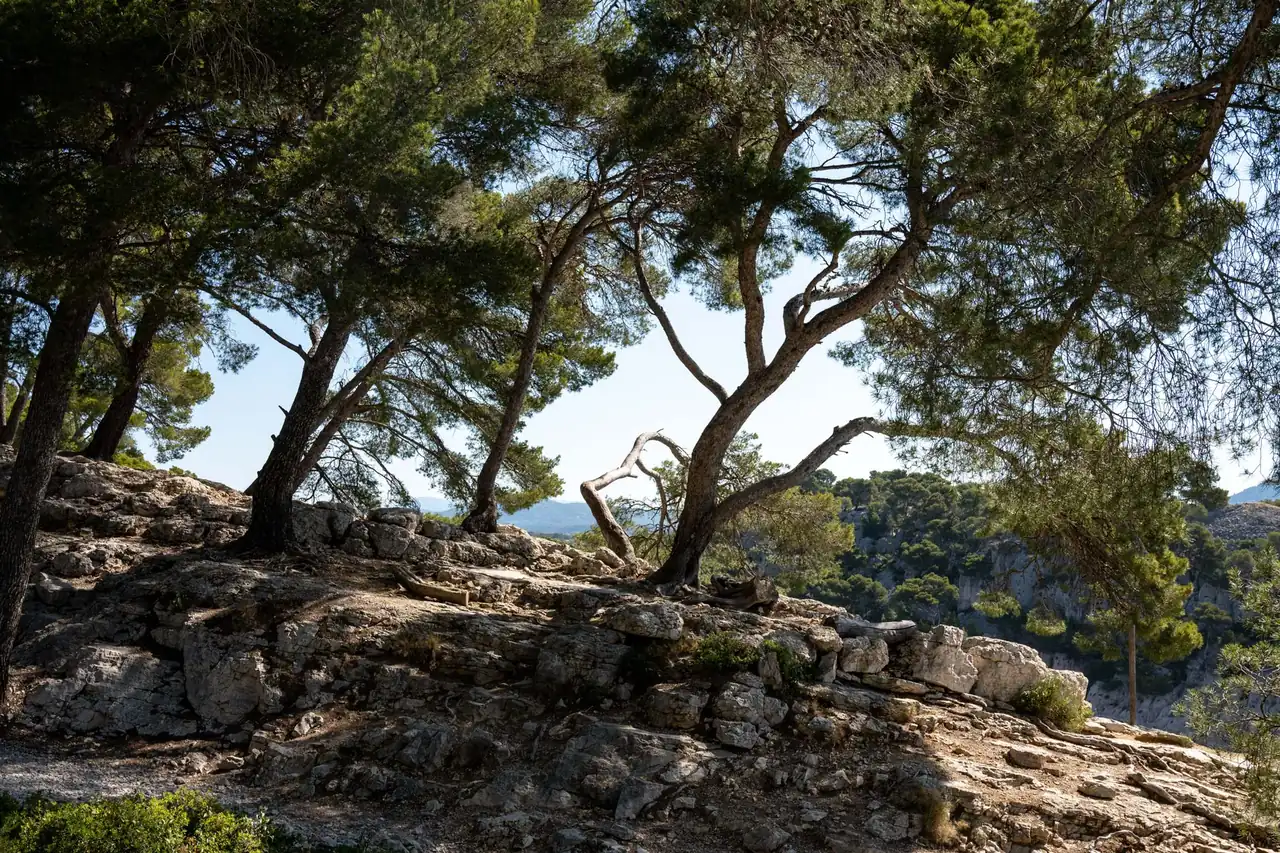
FalcoTrail will hold its 2026 edition on Saturday, November 28 in Cehegín, Murcia, with four race distances: 11, 22, 31 and 53 kilometers. The day will begin at 7 a.m., with the Arco Romano listed as the starting point. Organized by Club Deportivo Quípar, the event also includes 11- and 22-kilometer hiking options and is listed as the Regional Segment Trail and Long Trail Championship of the Athletics Federation of the Region of Murcia.
The published registration deadline is Friday, November 20, at 11:59 p.m., with entry fees starting at €32 for the shortest distance, €42 for 22 kilometers, €50 for 31 kilometers and €65 for the 53-kilometer ultra. These are starting prices, not a guaranteed final fee whenever a participant registers. Each route has its own start time and elevation gain, a crucial distinction when assessing the actual demands of taking part.
The schedule gives the 53-kilometer Ultra Trail a 7 a.m. start; the 31-kilometer Quípar Trail starts at 8 a.m.; the 22-kilometer events at 9 a.m.; and the 11-kilometer events at 10 a.m. This staggered start schedule means the 7 a.m. time should not be treated as a shared start for everyone. For participants traveling from the Valencian Community, their own event’s start time is what matters for the journey, rather than the time heading the general listing.
The sporting program brings together different kinds of participants in a single day. There is a short distance for runners seeking a more contained effort, two intermediate routes and an ultra that goes well beyond marathon length. The hiking options open participation to people who do not want to race, although their advertised distance and climbing figures match the corresponding running events. Walking in the mountains changes the pace, but it does not remove the climbs or the time spent on the terrain.
The longest route, named Ultra Trail 53K, lists 3,100 meters of elevation gain and entry fees starting at €65. That combination describes an endurance event in which horizontal distance tells only part of the story. The accumulated climbing adds to the demands of moving for many hours and managing fatigue. No detailed elevation profile has been provided to show how those climbs are distributed or where the most demanding sections lie.
In an ultra of this kind, running every step is not necessarily the most useful benchmark. Alternating running and walking on climbs is a normal part of trail-race management, even among experienced athletes. Sustained endurance includes reaching the final climbs still able to move well, staying attentive to foot placement and handling the descents. The 53-kilometer distance needs to be considered alongside the 3,100 meters of ascent, not simply as an extended road race.
The Quípar Trail has a distinctive place in the program: 31 kilometers, an 8 a.m. start and entry fees from €50. Its 2,000 meters of climbing make it far from a lightweight alternative simply because it is shorter than a marathon. It is an intermediate route in terms of distance, but carries a substantial vertical workload. For a runner used to flat races, that climbing can completely change expectations about finishing time and the muscular fatigue anticipated from the distance alone.
There is also an interesting detail when comparing the longer routes. Dividing the advertised ascent by distance gives approximately 65 meters of climbing per kilometer for the 31-kilometer race and about 58 for the 53-kilometer race. This climbing-to-distance ratio does not automatically make one event harder than the other: the distribution of slopes, the terrain and other factors remain unknown. It does show that the Quípar Trail packs in proportionally more climbing, while the ultra adds greater duration and more total ascent.
The event named Medio Maratón Trail 22K will start at 9 a.m., with 1,200 meters of elevation gain and entry fees from €42. Its event name should not be confused with the standard road half-marathon distance of 21.0975 kilometers. Here, the advertised distance is 22 kilometers and the setting is mountainous. The half-marathon reference gives a sense of the route’s scale, but does not make a personal best achieved on flat ground directly transferable.
The Senderismo Medio Maratón hiking event is scheduled for the same time, also over 22 kilometers, with the same published ascent and entry fees from €42. The main difference is the type of participation, rather than the advertised distance and climbing figures. Without detailed regulations, it cannot be stated that the two options share every condition, checkpoint deadline or service. What the announcement confirms is that they have the same start time, distance, listed elevation gain and starting fee.
The shortest race is listed as Promo Trail 11K and will start at 10 a.m. With 450 meters of climbing and entry fees from €32, it reduces both distance and ascent compared with the other races. That makes it the lowest-volume option in the program, rather than an event that is necessarily easy for everyone. Experience on uneven ground, the ability to descend with control and familiarity with slopes still matter, even on a shorter route.
The Senderismo Promo hiking option shares the 11-kilometer distance, 450 meters of ascent, 10 a.m. start and entry fee from €32. Compared with the 22-kilometer hike, it involves less distance and climbing, a useful distinction when assessing the expected effort without assigning conditions that have not yet been described. No minimum age or technical difficulty rating is provided either. The word promo identifies the advertised event, but does not by itself guarantee universal accessibility.
The four distances form a scale of effort, although the jumps between them are not uniform. Moving from 11 to 22 kilometers doubles the distance and increases climbing from 450 to 1,200 meters; moving from 22 to 31 adds nine kilometers and 800 meters of ascent. These are measurable differences that help place each option in context. The step from 31 to 53 kilometers adds another 22 kilometers and 1,100 meters of climbing, with a much more prolonged endurance demand.
Elevation gain is the sum of all the meters climbed along a route. It does not indicate the highest altitude or mean there is one continuous climb of that height. This total accumulated ascent may be spread across numerous short rises or long slopes, with different effects on pace and fatigue. The announcement provides the total for each event, but not the shape of the climbs. The figures therefore allow comparisons of climbing volume, not a reconstruction of the course.
Descents deserve as much attention as climbs when assessing a mountain race. Running downhill requires braking, adjusting stride and absorbing impacts, muscular work that can become noticeable even when breathing feels easier. Downhill muscular fatigue helps explain why training based entirely on flat mileage does not reproduce every demand of trail running. No descent total or description of the downhill sections has been supplied for this edition, so a specific level of technical difficulty should not be assigned to them.
The competitive element of the 2026 event is explicitly linked to FAMU’s Regional Segment Trail and Long Trail Championship. This regional championship status distinguishes the announcement from an exclusively recreational event, although both aspects can coexist. The available information does not specify which route awards each title, which categories are included or the federation requirements for eligibility. Entering an event and being eligible to contest a championship are separate matters that must be settled by the specific rules.
The announcement also lists the 2026 FAMU Trail Tour TTF-Classic league, the 2026 FAMU Trail Tour TTF-Short Trail league and the 2026 FAMU XTrail Ultra TTF UTTF league. The inclusion of these three federation series places FalcoTrail within a wider competitive season. It is not enough, however, to establish how each distance scores, what requirements each runner must meet or whether additional standings apply. Those details are absent from the available extract and should not be inferred solely from the abbreviations.
FalcoTrail’s history includes references to championships and events from different seasons, but each edition has its own announcement. In 2026, the listing concerns regional Segment Trail and Long Trail titles; assigning a national championship mentioned in earlier reports to this event would be incorrect. The current edition determines the date, distances and competitive framework. November 28, 2026, must also be kept separate from November 29, which appears in information about the 2025 edition.
The published registration deadline leaves eight calendar days between Friday, November 20, and race Saturday. Registration closes at 11:59 p.m. on November 20, a more precise detail than a general reference to the preceding week. That deadline does not by itself indicate how many entries are available or guarantee that places will remain until the last moment. No entry cap, waiting list or race-day registration policy is stated.
The starting-at wording attached to the prices requires a clear distinction between the initial fee and the final amount. The announcement does not provide a table of pricing periods, surcharges, discounts or possible processing fees here. The final registration cost therefore cannot be calculated precisely for every situation. Nor can it be claimed that entry includes clothing, a meal, additional insurance or particular services unless those items are explicitly detailed in the information for this edition.
The confirmed logistical reference is Cehegín’s Arco Romano as the starting location. Bib collection points and opening times, parking areas and a separately identified finish location have not been supplied. The announced starting point helps locate the event, but does not replace the remaining access instructions. In particular, administrative addresses appearing on municipal websites should not be confused with race facilities or equipment collection locations.
For runners traveling from Valencia, Alicante or Castellón, starts between 7 a.m. and 10 a.m. have different implications for arranging the journey. Ultra participants need to be in Cehegín early; the shorter events begin three hours later. Travel planning also depends on bib collection times and any pre-race checks established by the organizer. Without those details, it would not be accurate to set a universal arrival time or calculate a mandatory buffer for everyone.
The late-November date introduces another variable: environmental conditions must be assessed close to race day, not assigned in advance to a particular edition. There is no sufficiently reliable forecast weeks ahead to describe rain, wind or temperatures on November 28. Race-day weather can change how the effort feels, grip underfoot and clothing needs. Any account of a freezing dawn, a dry course or a sunny day would currently be an imagined scene rather than confirmed information.
Preparing for an event with elevation gain is not simply a matter of adding mileage. Climbs change intensity, descents add muscular load and uneven ground demands sustained attention. Adapting to the terrain helps explain why two runners with similar road times can perform very differently in the mountains. There is no reliable conversion that produces a FalcoTrail finishing time by adding a fixed number of minutes to a 10-kilometer, half-marathon or marathon result.
In the longer events, nutrition and hydration are part of managing the effort, but aid-station locations have not been published here. Without that information, the distances between water points cannot be calculated and no particular product can be assumed to be available. Self-sufficiency between aid stations will depend on the final course and the organizer’s instructions. It also varies with the time each participant takes to cover a section: the same distance can create different needs for runners moving at different speeds.
Footwear should suit the terrain and expected conditions, not simply the name of the event. In trail running, grip, stability and a fit that prevents the foot from shifting become important on slopes and uneven footing. However, choosing suitable running shoes for this edition cannot be narrowed down without a description of the surfaces and course conditions. Claiming that particular lugs, a waterproof membrane or a specific model are necessary would go beyond the available information.
The same applies to the rest of the equipment. No mandatory kit list has been supplied, so a headlamp, emergency blanket, specified water reserve or phone should not be presented as confirmed requirements. Equipment required by the rules must be distinguished from items a runner considers prudent to carry. The ultra’s early start deserves attention when preparing logistics, but does not justify inventing a lighting rule or other requirements absent from the supplied announcement.
Maximum finishing times, intermediate cutoffs, rules on poles and conditions for changing events or obtaining refunds are also not stated. These issues have real consequences, particularly when an injury, travel problem or mountain pace changes the original plan. Participation conditions not yet detailed limit what can safely be said, without diminishing the value of the published date and program. Their absence from the extract does not mean the organizer has no rules; it means those rules are not available here.
The hiking events provide a different experience from racing for a finishing position. Walking allows participants to tackle the route without pursuing a competitive pace, but 22 kilometers with 1,200 meters of climbing remains a lengthy and physically demanding activity. The effort of mountain hiking includes maintaining movement and attention for hours. Without confirmed time limits, it cannot be assumed that participants have unlimited time to finish or that every service will remain available regardless of duration.
Choosing among the six advertised events therefore involves more than distance alone. Accumulated climbing, experience on slopes, manageable duration and whether participation involves racing or hiking all matter. The match between experience and route is more important than choosing the longest event for prestige. For someone accustomed to road running, the 11-kilometer race can provide a complete sporting experience; for another runner with a mountain background, the 31-kilometer route can pose a substantial challenge without extending to an ultra.
On November 28, Cehegín will host an event combining a regional championship, federation series and hiking participation. Its central figures are specific: four distances, climbing totals from 450 to 3,100 meters, starts from 7 a.m. to 10 a.m. and initial fees from €32 to €65. The true scale of FalcoTrail lies in that range of efforts. The challenge is defined not solely by the distance on the bib, but by how the advertised route meets each participant’s ability to sustain it.
Where to stay in Cehegín
Hotels available 26–29 November 2026.
Affiliate links: if you book through this map we earn a commission, at no extra cost to you.



How to prevent thigh chafing: causes and real solutions

Women’s running windbreakers: seven jackets and how to choose

Do more workouts get rid of soreness? A guide for runners

Jaén Half Marathon 2026: Record 3,800 Runners Registered

Men’s short running tights: how to choose the right pair

World Triathlon confirms data breach involving medical data

Izan Edo targets podium at Miyazaki World Cup

María Pérez ranks ninth in World Athletics’ 2026 top ten

Dos Santos, Duplantis and Sawe: World Athlete of the Year finalists

San Silvestre Vallecana 2026: 42,000 places, prices and start times

 Races3 months ago
Valencia Half Marathon 2027: date and registration

 Races3 months ago
Valencia Marathon 2026: entry, ballot and course

 Reviews and Comparisons4 months ago
Asics Gel-Roadmiles 3 for men: review and current price

 Reviews and Comparisons4 months ago
Asics Gel Sonoma 8 Gore-Tex: complete analysis for trail and rain

 Sneakers3 months ago
Saucony Endorphin Pro 4: full review and verdict

 News5 months ago
Strava API 2026: what changes for clubs, challenges and runner apps?

 Reviews and Comparisons5 months ago
Nike Alphafly 3: opinions, sensations, and real key points

 Reviews and Comparisons4 months ago
Under Armour running shoes review 2025-2026: models and key features

 Sports Equipment4 months ago
Shoe sizes in cm: a clear guide to getting the right fit for your footwear

 Sneakers3 months ago
Skechers GO RUN Consistent 2.0 analysis: comfort and limits

 News5 months ago
Valencia Marathon 2026 route: key tips to train and run better

 Sneakers4 months ago
Adidas Adizero Boston 13 for men: review and verdict