Races
Fiesta Deportiva Medal 2026: date and distance
A medal race with 10K, minors, full services, and cash prizes for the absolute category.

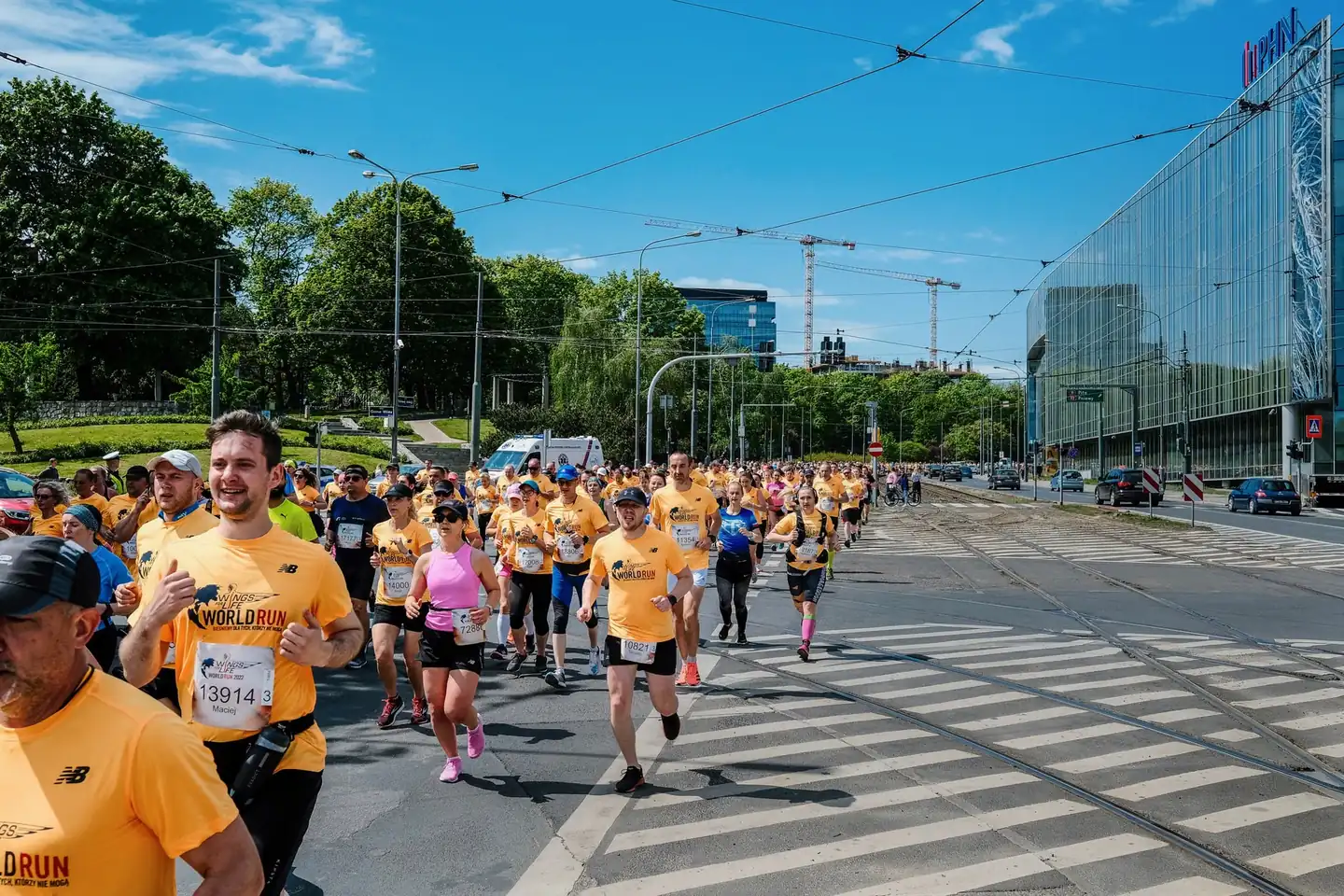
The XXI Medal Sports Festival 2026 will once again bring together in Coaña a very recognizable day from the Asturian popular race calendar: youth races, an open 10-kilometer race, and a village atmosphere that blends competition, community, and straightforward logistics. The event is set for Sunday, June 28, 2026, with the children’s categories starting at 10:30 and the popular race at 11:00, at the Medal football field.
The adult race comes with a clear and fairly straightforward format: 10 kilometers, a 7-euro entry fee, a limit of 300 bibs for the open race, and registration closing at 11:59 p.m. on Wednesday, June 24. The event is organized by the Medal Sports Society, with the collaboration of the Coaña Town Council and the Brisas del Mar de Medal Neighborhood Association, and it maintains a structure designed to accommodate both runners and youth categories as well as Nordic walking participants.
A 10K with its own identity in western Asturias
Medal is not aiming for a showcase race, but rather a local-rooted sports festival that has gained continuity and, with it, a permanent place on the summer running map. The 21st edition preserves that blend of simplicity and solidity that many popular races have lost over time: understandable schedules, specific distances, bib pickup close to the start, and a course that takes place within the village itself.
That character is part of its appeal. The runner finds an unpretentious setting, with liquid refreshments at kilometer 5, ambulance service, showers, a race bag, and designated parking. These are not minor details: in a summer race, with a date deep in June, the combination of shade, water, logistics, and access matters as much as the clock. The result is a race that looks more to the real runner than to a postcard image.
The competitive side is not symbolic either. The organizers reserve 100 euros and a trophy for the overall men’s and women’s winners, 50 euros for the runners-up, and 25 euros for third place, always with a trophy and without prize stacking. In addition, the top three finishers in each category receive recognition, which keeps the competitive spirit alive without breaking the family-friendly tone of the day.
Schedules, location, and a staggered start that keeps the day organized
The race is designed with a precise sequence, almost like a well-tuned fairground clock. The youth categories start first, from 10:30 a.m., and the 10K popular race starts at 11:00 a.m. That separation avoids unnecessary overlap and allows the event to unfold at a clear pace, especially useful for families, companions, and runners who want to arrive with time to spare.
The key location is the Medal football field, while bib pickup is located at the Medal Schools starting at 9:30 a.m. on race day. The location is not a secondary detail: it reduces travel, simplifies arrival, and concentrates activity within a short radius, something especially appreciated in races with a strong neighborhood component and youth participation.
That setup also explains why Medal works more as a community event than as a simple race. The morning is organized around sport, yes, but also around waiting, supporting the youngest participants, and socializing before and after the start. In practical terms, the schedule distribution avoids crowding and leaves room for the 10K to remain the main event without eclipsing the rest of the program.
Registration, price, and the real deadline if you do not want to miss out
Registration for the open race costs a fixed 7 euros, a reasonable amount for a race with chip timing, a race bag, medical support, and prizes. The youth categories take part free of charge, a decision that reinforces the sporting and educational purpose of the event. Online registration closes at 11:59 p.m. on June 24, 2026, and there will be no same-day registration.
That time limit matters more than it may seem. It is not only about organizing bib production and service planning; it also defines the type of participant the race is aimed at. Medal does not operate with the flexibility of a large urban event, where windows are often extended or fields expanded. Here the rule is simple: short deadline, limited capacity, and concentrated organization. Once the 300 bibs for the open race are taken, the margin disappears.
The refund policy is also clear: there is no possibility of cancellation or reimbursement once 24 hours have passed since the end of the registration period. That condition forces people to read the timing carefully and confirms the practical orientation of the race. No ambiguity. Whoever signs up does so with a specific day in mind, a fixed date, and logistics already set.
Course, categories, and a race designed for different profiles
The category structure shows Medal’s organization very clearly. The youth races include beginners, benjamin, alevin, infant, and cadet, with distances adapted to the circuit format, from one lap around the field to 900- and 1,800-meter events. In the adult race, junior, senior, and veterans A, B, and C are included, all over two laps of a 5-kilometer circuit to complete the official distance.
The organizers also maintain the option of Nordic walking, although the main focus for runners is the 10K. That combination makes Medal not a monolithic event, but a sports morning with several speeds. Some come to compete, others to accompany, and others see the race as an excuse to cover an accessible distance in a controlled environment.
From a purely athletic point of view, the two-lap format usually appeals to different types of runners. For the experienced runner, it makes it easier to pace and manage effort. For the debutant or regular recreational runner, it offers a more readable race, where reaching the halfway point already gives a clear benchmark. Two 5-kilometer laps rarely deceive: from the start, they show whether you are feeling comfortable, overcooking it, or simply having an off day.
Services that make a difference in a popular race
Some races are defined by their technical profile and others by how they care for the experience. Medal belongs to this second group. The service package is extensive for a local event: chip bib timing, race bag, ambulance, showers, parking, and liquid refreshments at kilometer 5. Bib pickup on the same day is also included, a practical option for those traveling from nearby.
There is also a detail that is increasingly valued in the popular race scene: access to a relatively organized space for parking and moving around without excessive stress. That is no small matter in a summer race, where heat, start time, and short transfers can add friction to the day. Logistical comfort does not improve a performance by itself, but it does reduce the friction that often ends up mattering more than the course’s elevation gain.
Chip timing and race control provide that competitive layer runners look for even in modest events. Knowing your exact time, comparing sensations with results, and having a well-resolved classification remains an essential part of popular running. Medal understands that expectation and integrates it without dressing it up as a major urban spectacle.
Prizes, recognition, and the value of racing at home
The prize table gives a fairly clear idea of the event’s spirit. 100 euros and a trophy for the overall men’s and women’s winners, 50 euros for second place, and 25 euros for third place, plus trophies for the top three in each category. In the youth races, the organizers plan medals for all participants whenever possible, a gesture that reinforces the educational value of the gathering.
That balance between incentive and participation means Medal does not rely solely on the local elite or on those chasing a podium finish. The race keeps one foot in competition and the other in celebration. In journalistic terms, that places it in a very interesting middle ground: it is not a big mass-brand event, but it is not just a lap around a field either. It is popular sport with real prizes, neighborhood memory, and a human scale.
For a runner, racing at home or near home usually carries an extra value that does not appear in the results tables. You compete in front of familiar faces, you recognize the course by sight, you feel the encouragement differently, and the race gains a very specific emotional weight. Medal makes the most of that factor without overplaying it and turns it into part of its own identity.
Weather, context, and why June matters as much as the bib
The date, now well into the last week of June, places the race in a demanding but still reasonable weather window for northern Spain. General forecasts for the area point to a mild environment, with an average of around 23 degrees and lows of around 13, although with the humidity and chance of rain typical of the Asturian summer. This is not an ornamental detail: weather affects pace, hydration, and gear choice.
For a popular 10K, starting at 11:00 a.m. means accepting that the body is already beginning to feel the late morning. That is why the basics matter: drink wisely, arrive with time to spare, do not improvise the warm-up, and accept that the race may require a bit more caution than usual. A runner coming from the plateau, the Mediterranean coast, or even a drier urban setting will immediately notice that mix of pleasant temperature and heavy air that defines so many Cantabrian summers.
In this kind of race, weather does not just affect your time; it also changes how effort is perceived. A course that looks manageable on paper can feel long if the air is oppressive or if you start too fast. In Medal, as in so many summer popular races, the day matters as much as the training. And that is one of the reasons the race remains attractive to very different profiles.
A small event in scale, but big in sporting significance
The XXI Medal Sports Festival 2026 captures well what still has value in the running calendar: clear organization, a recognizable distance, a reasonable price, and an environment where running has not been pushed aside by spectacle. Faced with overblown events, this proposal sticks to the foundation of popular sport: run, measure, share, and go home with the feeling of having taken part in something real.
In Coaña, on June 28, the 10K shares the day with youth races, Nordic walking, trophies, bibs, and enough infrastructure to keep the morning moving smoothly. You do not need much more to understand why this kind of event survives and, in many cases, becomes established. The formula is still the same as always, but that does not mean it has stopped working: community, distance, timing, and a specific place where everything happens.
In an increasingly crowded calendar, Medal presents itself as a clear option for anyone looking for a true popular race, without extra noise and with well-solved practical details. Fixed date, fixed time, limited field, and essential services. The rest is up to the runner: legs, pace, and the way they read a course that, for a few hours, turns Medal into the center of its small athletic map.



How to prevent thigh chafing: causes and real solutions

Women’s running windbreakers: seven jackets and how to choose

Do more workouts get rid of soreness? A guide for runners

Jaén Half Marathon 2026: Record 3,800 Runners Registered

Men’s short running tights: how to choose the right pair

World Triathlon confirms data breach involving medical data

Izan Edo targets podium at Miyazaki World Cup

María Pérez ranks ninth in World Athletics’ 2026 top ten

Dos Santos, Duplantis and Sawe: World Athlete of the Year finalists

San Silvestre Vallecana 2026: 42,000 places, prices and start times

 Races4 months ago
Valencia Half Marathon 2027: date and registration

 Races4 months ago
Valencia Marathon 2026: entry, ballot and course

 Reviews and Comparisons4 months ago
Asics Gel-Roadmiles 3 for men: review and current price

 Reviews and Comparisons4 months ago
Asics Gel Sonoma 8 Gore-Tex: complete analysis for trail and rain

 Sneakers4 months ago
Saucony Endorphin Pro 4: full review and verdict

 News5 months ago
Strava API 2026: what changes for clubs, challenges and runner apps?

 Reviews and Comparisons5 months ago
Nike Alphafly 3: opinions, sensations, and real key points

 Reviews and Comparisons4 months ago
Under Armour running shoes review 2025-2026: models and key features

 Sports Equipment4 months ago
Shoe sizes in cm: a clear guide to getting the right fit for your footwear

 Sneakers3 months ago
Skechers GO RUN Consistent 2.0 analysis: comfort and limits

 News5 months ago
Valencia Marathon 2026 route: key tips to train and run better

 Sneakers4 months ago
Adidas Adizero Boston 13 for men: review and verdict