Races
Gran Fondo Vitoria 2026: route, schedule, and key details
The Vitoria-Gasteiz ride returns with two distances, a tough profile, and services designed for a full day on the bike.

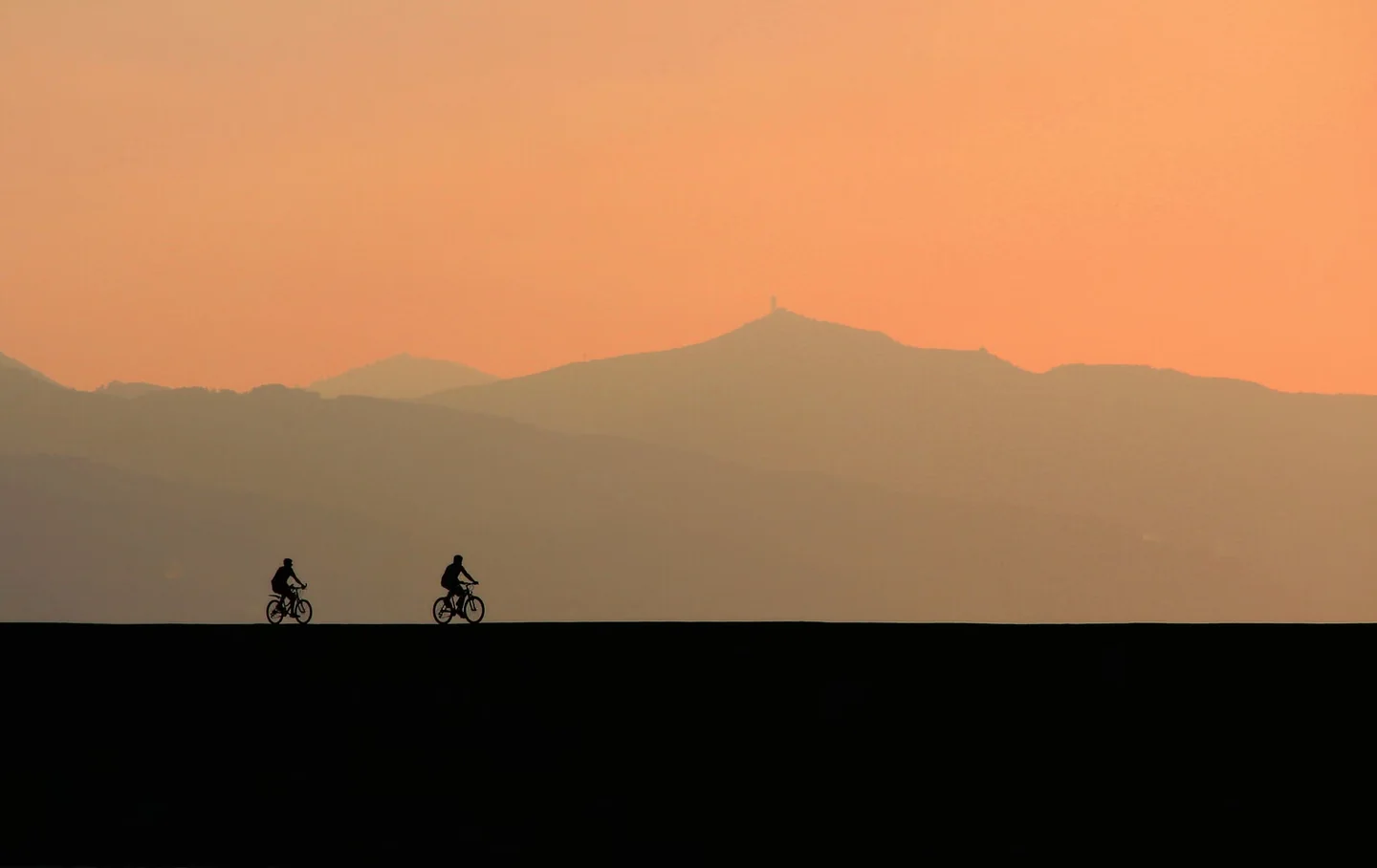
Vitoria-Gasteiz once again becomes, every June, a meeting point for long-distance cycling in the northern part of the Iberian Peninsula. The event brings together two routes that are very different in length and effort, but united by the same idea: riding on demanding roads, with elevation gain, climbs, and stretches where the pace breaks down easily.
The 2026 edition takes place on Saturday, June 20 and confirms the importance of this event within the Basque cycling-tourism calendar. The long course reaches 207 kilometers and is presented as the longest in Euskadi, while the intermediate version keeps 100 kilometers as a shorter alternative, though not exactly easy. Both options start from Mendizorrotza, in Vitoria-Gasteiz, with a schedule designed for challenge and an organization focused on the participant’s full experience.
A march with the character of a major challenge in Euskadi
Vitoria’s gran fondo is not a showcase event or a simple group ride. Its identity is tied to the terrain, the distance, and the idea of sustained challenge. The main route adds up to 3,300 meters of positive elevation gain and outlines a long day, one of those in which the body reads the landscape through short climbs, fast descents, and mountain passes that force pacing from the very first kilometers.
The event’s own design places it in a very specific category within amateur cycling: that of events requiring endurance, effort management, and some prior experience on long routes. It is not just about accumulating kilometers. It also matters to know how to eat on the bike, keep a steady pace, and save legs for the final sections, where fatigue usually takes its toll with almost mechanical precision.
The organization stresses that challenging profile and the singularity of the course. The long route is designed for those seeking a full day of cycling, with sustained climbs, changes of pace, and a succession of landscapes that turn the event into a kind of living map of Álava and its surroundings. The intermediate distance, by contrast, preserves part of the sporting character but reduces the hours of exposure and accumulated wear.
Two distances, two ways to test the legs
The 2026 edition offers two official options. The first is the Gran Fondo of 207 kilometers, with an elevation gain of around 3,300 meters according to references published in different event listings. The second is the Medio Fondo of 100 kilometers, with a much lower elevation gain, around 1,170 positive meters in the reference information gathered by specialized platforms.
Both distances share the start and much of the spirit of the event, but they differ in ambition, duration, and accumulated punishment. The long route is the one that concentrates the greatest mountain load and demands the most refined pacing. The short route reduces exposure to fatigue and opens the door to cyclists who want to experience the event without facing a day of more than two hundred kilometers.
That split in distances also helps explain why the event attracts very different profiles. Some see it as a race to complete with competitive intent, while others treat it as a ride to enjoy the surroundings without losing sight of the difficulty. In both cases, the key is the same: do not confuse a cycling-tourism outing with an easy route. Here the terrain sets the rules and, when the wind or heat intensifies, sensations can change within minutes.
Start in Mendizorrotza and early clues of the route
The start is set at Mendizorrotza, Vitoria-Gasteiz, at 8:00 a.m. in the 2026 edition information. That early start is not a whim, but a logical necessity for a march that can last many hours and in which the thermal schedule matters as much as cadence. June in Álava usually offers more pleasant conditions early on, although the course of the day can change the picture quite a bit.
The opening stretches lead toward Landa and the area of the Ullíbarri-Gamboa reservoir, a highly recognizable landscape reference on the route. From there, the itinerary enters roads that alternate rolling sections with more broken stretches, which means staying alert from the start. This is not the kind of event where it pays to hold back too many legs out of pride; the route usually demands that toll too early.
In the case of the Gran Fondo, the return to Vitoria-Gasteiz around kilometer 100 does not mean rest. Rather, it marks the change in script. The route heads back out toward areas such as Lapoblación, Meano, Urizaharra, and Treviño, before facing the final outcome. That second block is usually what separates those who have managed the day well from those who have made overly optimistic calculations in the first half.
A mountain profile that gives no respite
The event is classified as a route with extreme terrain, frequent climbs, and long sustained ascents. That description sums up well what awaits the participant: a course in which you almost never pedal on the flat for long and where the breaks, when they come, are usually brief. The overall design is not meant for high average speeds, but for a constant battle with the elevation and the management of effort.
On several specialized platforms, it appears as an advanced-level march, on asphalt and with a clearly mountainous vocation. The Gran Fondo often includes a recommended minimum speed and time cutoffs, which makes it clear that the organization intends to regulate circulation so the route does not lose structure. This is not a free ride, but a day with passing rules and an implied pace.
The toughness of the route also explains its appeal. In endurance cycling, the challenge does not come only from the number of kilometers. It comes from how they are distributed. A 207-kilometer route over favorable terrain may seem long; over a rolling profile with more than three thousand meters of climbing, the story changes completely. Distance turns into accumulated wear, and wear into a constant conversation with the legs.
Services in this edition and the participant experience
The organization of the march has refined over the years a range of services aimed at a well-cared-for experience. Planned elements include the official jersey, feed zones, breakfast, mechanical support, photographers, participant bag, bike storage, changing rooms, post-finish dining area, and showers. These are not minor extras: in a long event, each of those details affects the final perception of the day.
The official Gobik jersey is included with registration in the 2026 edition, a detail that reinforces the sense of a complete event beyond the route itself. In these kinds of rides, the official garment does not just serve as a souvenir; it also acts as a sign of identity for a community of participants who share the start, the effort, and the finish. The final photo at the finish often carries as much symbolic weight as any classification data.
Also noteworthy is the presence of a photographer service and an image platform associated with the event, which shows the interest in documenting the event with a broader visual approach. For the amateur cyclist, that added layer matters: the day becomes not only a sum of watts and heartbeats, but a memory of road, landscape, and fatigue.
Registrations, access, and participation windows
The 2026 reference mentions last bib numbers and an active registration process in the period leading up to the event. In external listings consulted, the starting fee appears from 58 euros, although the final amount may vary depending on the purchase stage or the associated service package. That price range fits an event that includes a jersey, support, and several complementary services.
Registration activity for events of this type usually concentrates in specific windows, and demand can shift depending on the reputation of the course, the date on the calendar, and the appeal of the participation package. In Vitoria’s case, the combination of mountain terrain, long distance, and a recognizable starting city usually works in its favor in terms of visibility. The cyclist is not just buying a bib number; they are buying a structured day with its own identity.
The 2026 edition is also accompanied by notices about cutoff times and minimum and maximum speed guidelines. That information is relevant because it places the march among organized events with time and traffic control. For the participant, knowing those limits is not an administrative detail: it is a central part of the day’s strategy, just like reviewing the profile or figuring out where to eat and drink more calmly.
What to expect on the road: pace, mountains, and effort management
A 207-kilometer march with more than 3,000 meters of climbing forces you to think in terms of pedaling economy. The start can be an illusion for those who begin too enthusiastically. Fresh legs at the beginning can give a false sense of control. But the accumulation of short climbs, changes in gradient, and sections of sustained effort ends up making a difference much sooner than it may seem from the outside.
That is why Vitoria’s Gran Fondo has a reputation for being demanding even for cyclists accustomed to long distances. The surroundings of the Basque Country and Álava offer a beautiful landscape, yes, but also a topography that punishes inertia. Beauty and mathematics coexist here: every climb must be paid for, every excess is charged, every pacing mistake eventually shows up in the final mileage.
The 100-kilometer version shares that same DNA, albeit on a different scale. It is a more manageable distance for many enthusiasts, but it preserves the mountainous essence and the weight of the elevation gain. It is not a soft learning route; rather, it is a different way into the same scene, with fewer hours of exposure and greater tolerance for sustained effort.
The appeal of Vitoria-Gasteiz as a cycling host city
The capital of Álava offers a very solid setting for this kind of event. Vitoria-Gasteiz combines reasonable access, sporting tradition, and a natural relationship with the rural environment that surrounds it. Unlike other cities where the march feels like a graft onto the urban map, here the cycling territory almost organically opens onto roads, reservoirs, hills, and small towns that fit well with the event’s narrative.
That fit between city and landscape gives the Gran Fondo a special texture. The start from Mendizorrotza, the passage through reference areas such as Landa or Ullíbarri-Gamboa, and the return to the urban center build a round-trip story that works very well from both a sporting and visual standpoint. Some rides are remembered for a single climb; this one is remembered for its succession of scenes.
In addition, the event benefits from the cultural weight of cycling in Euskadi. In a region where the bike has deep roots, long-distance events are experienced with a mix of respect and familiarity. That combination makes Vitoria a credible venue for a long-distance challenge. It is not a backdrop; it is a territory that understands the language of the bicycle.
What this edition leaves behind and why interest keeps growing
The 2026 edition arrives with the momentum of an established event, already in its 43rd edition according to the history listed on the event’s own website. That longevity matters. In amateur cycling, few things generate as much confidence as a march that has learned to correct details, improve services, and maintain a recognizable identity without losing its original toughness.
Interest in this event is also understood through its balance between sporting demand and overall experience. There is the ride, but also the participant bag; there is effort, but also breakfast, mechanical support, photos, showers, and a jersey that captures the memory of the day. That combination makes the event more than a line on a map. It is a complete day, with its own rhythm and a finish that usually feels as meaningful as the attempt itself.
The Gran Fondo Vitoria has earned its place because it does not sell ease. It sells the opposite: a long route, a tough landscape, and a sense of accomplishment that comes precisely from having managed the effort well. In a calendar crowded with events, that sporting honesty is its best calling card. Those who cross the finish line remember not only the kilometers; they remember the way the route emptied and filled the legs at the same time.
A benchmark of long-distance cycling in the northern part of the peninsula
On the map of Spanish cycling-tourism events, Vitoria occupies a clear place thanks to the combination of distance, elevation gain, and setting. The long route is, in practical terms, a test of endurance; the short route, a less abrupt but equally serious entry point. Both share the same logic: pedaling on terrain that gives nothing away and demands presence from the first ramp to the last corner.
The information available for 2026 also confirms an organization attentive to event details. From the 8:00 start to the post-finish services, including the included jersey and feed zones, everything points to a march that wants the rider to think about just one thing: pedaling. And that, in an event of this kind, is probably the highest compliment possible.
That is why the interest generated by the Vitoria Gran Fondo Race does not depend only on the date or the distance. It depends on its personality. It is an event that brings together city, mountains, and endurance in a formula very recognizable to long-distance cycling enthusiasts. And in that formula, as simple as it is hard, lies much of its lasting appeal.
You may also like: La Indurain 2026: route, distances, and key details of the ride.



How to prevent thigh chafing: causes and real solutions

Women’s running windbreakers: seven jackets and how to choose

Do more workouts get rid of soreness? A guide for runners

Jaén Half Marathon 2026: Record 3,800 Runners Registered

Men’s short running tights: how to choose the right pair

World Triathlon confirms data breach involving medical data

Izan Edo targets podium at Miyazaki World Cup

María Pérez ranks ninth in World Athletics’ 2026 top ten

Dos Santos, Duplantis and Sawe: World Athlete of the Year finalists

San Silvestre Vallecana 2026: 42,000 places, prices and start times

 Races4 months ago
Valencia Half Marathon 2027: date and registration

 Races4 months ago
Valencia Marathon 2026: entry, ballot and course

 Reviews and Comparisons4 months ago
Asics Gel-Roadmiles 3 for men: review and current price

 Reviews and Comparisons4 months ago
Asics Gel Sonoma 8 Gore-Tex: complete analysis for trail and rain

 Sneakers4 months ago
Saucony Endorphin Pro 4: full review and verdict

 News5 months ago
Strava API 2026: what changes for clubs, challenges and runner apps?

 Reviews and Comparisons5 months ago
Nike Alphafly 3: opinions, sensations, and real key points

 Reviews and Comparisons4 months ago
Under Armour running shoes review 2025-2026: models and key features

 Sports Equipment4 months ago
Shoe sizes in cm: a clear guide to getting the right fit for your footwear

 Sneakers3 months ago
Skechers GO RUN Consistent 2.0 analysis: comfort and limits

 News5 months ago
Valencia Marathon 2026 route: key tips to train and run better

 Sneakers4 months ago
Adidas Adizero Boston 13 for men: review and verdict