Races
Guerrera Valentina Trail 2027: date and location
The race will once again bring sport and research support together in Jerez, although full details have not yet been released.

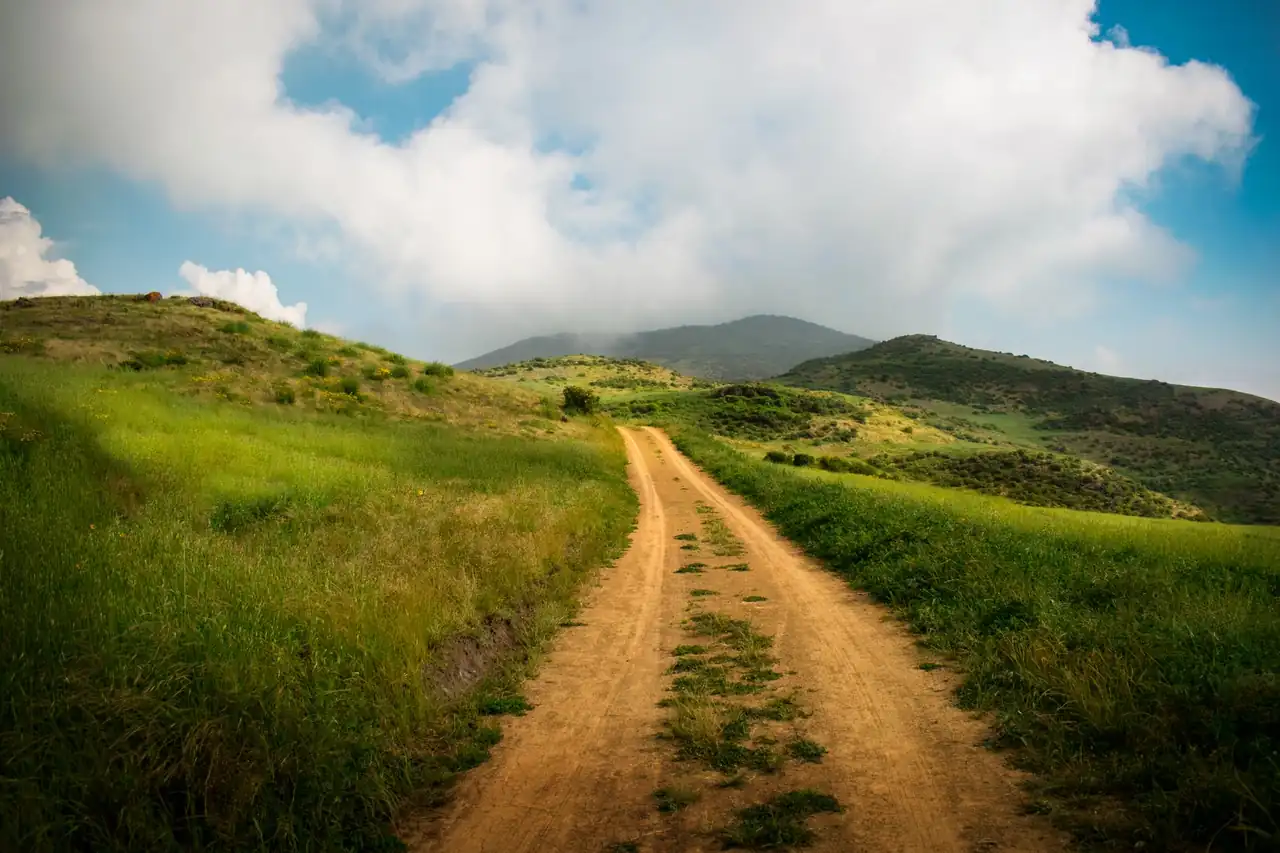
The next edition of Jerez’s charity event now has a date: it will take place on February 13, 2027. The race will once again be linked to Valentina and to raising awareness of fibrodysplasia ossificans progressiva, a rare disease. However, the available information does not yet confirm the start time, distances, route, entry fees or registration opening date for that year.
The previous edition offered two options in the Sierra de San Cristóbal: a 15-kilometer trail race and a 10-kilometer walk. Those details help explain the event’s original format, but they should not be treated as the confirmed program for 2027. The new date places the event on the calendar; its sporting and logistical details have yet to be announced.
A confirmed date, with several details still pending
Saturday, February 13, 2027, is the main confirmed detail about the new edition. The event is associated with Jerez de la Frontera and retains the charitable purpose that shaped its first running. But a confirmed date is not the same as a published set of full race rules: no start time, exact starting point, final route or 2027 entry fee is currently available.
That distinction matters because a race depends on more than the day marked on the calendar. Ground conditions, permits, available services and the choice of distances can change from one edition to another. Information from 2026 is historical context, not a guarantee that the route or conditions will be repeated.
The registration opening date is also unknown, as is whether there will be a noncompetitive option such as the walk held during the inaugural event. Until the 2027 rules are published, categories, minimum ages, start-and-finish services and post-race activities cannot be assumed to remain unchanged. Presenting those details as final could mislead people planning their sporting calendar in advance.
The race’s charitable origins
The initiative was created to support Valentina, a girl from Jerez diagnosed with fibrodysplasia ossificans progressiva, known by the abbreviation FOP. The event set out to use sport to raise awareness of a rare disease and build support for research. That connection between physical activity and a charitable cause is what sets it apart from a competition focused solely on results.
FOP is a rare genetic disease that causes bone to form progressively in soft tissues such as muscles, tendons and ligaments. The condition can limit mobility over time and requires specialist care. Its progression and effects vary from person to person, so general explanations should not present one individual’s experience as representative of every case.
Valentina’s family has connected the initiative with hopes of advancing research and the need to make the disease better known. The race has also drawn involvement from local people and organizations. Its charitable purpose does not replace medical information or mean that a race can fund a clinical solution by itself; it does provide a public setting for sharing information and directing support in line with what organizers communicate.
That purpose helps explain why the event can bring together different participants: runners seeking a mountain route, people who would rather walk, and local residents who want to support the cause without competing. Charitable participation does not necessarily require running, although the ways to contribute in 2027 will need to be confirmed in the event announcement.
What the inaugural edition offered
The program announced for the first edition included a competitive 15-kilometer race and a noncompetitive 10-kilometer walk through the Sierra de San Cristóbal. The start and finish were planned in Jerez, near the Estadio Pedro S. Garrido and the Antonio Vega Veguita sports center. The trail route was described as having approximately 279 meters of cumulative elevation gain and loss, a figure that applied to that course and should not automatically be carried over to 2027.
The 15-kilometer race was open to participants aged 16 and older, with age-group categories and a category for participants with functional diversity. The walk had a stated minimum age of 10, and minors had to be accompanied by an adult. Those conditions belonged to the inaugural edition, so the minimum age and category system for 2027 can only be established once its own rules are published.
The previous event announcement listed separate starts for the two options: the trail at 10:30 a.m. and the walk a few minutes later. It also mentioned facilities near the start, including changing rooms, toilets, showers and a bag drop, as well as a charity bar and social activities. These details offer a useful picture of the original format, but do not confirm that the same services will return.
Entry to that edition cost 23 euros for the 15-kilometer route and 18 euros for the walk. A zero-number donation option was also offered. Those are historical prices, not the 2027 fee; they do not establish whether the next event will keep the same options or a donation entry.
The Sierra de San Cristóbal as a trail setting
The Sierra de San Cristóbal offers a landscape unlike Jerez’s urban streets: dirt tracks, open stretches and changing surfaces give the route a mountain character without taking it far from town. That combination made it possible for the inaugural event to offer both a trail race and a walking distance. Terrain and surface conditions, however, shape the real difficulty far more than the name of a race category.
In the days before the first event, organizers reported work in areas prone to becoming muddy. That intervention highlighted a practical issue for any event in a natural setting: conditions can change with rain and trail maintenance. An advance description cannot replace organizers’ instructions or guarantee that every section will be dry, clear or in exactly the same condition on race day.
The exact start and finish location for 2027 has not been confirmed. If the Sierra de San Cristóbal remains the setting, the race rules will need to specify the meeting point, route and terrain. Until then, runners should not prepare as if the earlier course had already been approved. In a trail race, knowing the elevation profile, surface and crossings helps participants choose suitable shoes and pace sensibly.
The area is also a regular place for running and walking, but an organized event requires participants to follow course markings and day-of instructions. Shared paths, other walkers and possible environmental restrictions are all part of planning. Respecting the landscape is part of the sporting experience, especially when an event uses public trails and tracks.
What participation and local support looked like
Before the inaugural edition, organizers set a goal of reaching 1,000 participants. That figure was a target, not a result. After flooding in the area forced a postponement, the event eventually brought together 374 trail runners, 213 walkers and 22 people who contributed through the zero-number option: 609 recorded supporters in total, according to coverage of the event.
The change of date showed how a race in a natural setting can depend on circumstances beyond the sporting calendar. Rain and trail conditions prompted a review of the event and work to repair and mark the course. For a future edition, any notice about changes, postponements or safety conditions should be checked through the channels specified by organizers.
Jerez’s response also rested on the event’s community dimension. Runners, walkers, families, local organizations and businesses took part in different ways, while the meeting area let the day continue beyond the finish line. That shared atmosphere was part of the event’s purpose, although the activities planned for 2027 have not yet been outlined.
The inaugural race also renewed discussion about trail running in the area, after local enthusiasts and representatives recalled the disappearance of another well-known event. This is not simply a matter of adding a competition to the calendar: an event can encourage runners and residents to see local trails as shared spaces for recreation. Its future will depend on several factors, including organization, safety and participant response.
How to read upcoming announcements
The definitive details for the 2027 edition will come from the rules and announcements published by the organizers. Those should specify the schedule, distance, route type, minimum age, categories, fee and registration process. They will also confirm whether there will be a walk, a charitable entry option or services at the start and finish areas.
The date of February 13 makes it possible to reserve the day, but it is not enough to plan every aspect of participation. Runners will need to check the distance and elevation once they are announced; people who want to walk will need to confirm whether that option returns and what requirements apply. The previous edition’s program offers context, but cannot replace the new rules.
For a charity race, it is also worth paying attention to how the use of funds is explained. The event announcement may clarify who receives contributions, which expenses are deducted and what research project or activity receives the money. That information helps explain the initiative’s scope without confusing sporting participation with a guarantee of medical results.
It is also useful to distinguish confirmed facts from announcements that are still pending. For now, the date and city are known; the 2027 fee, schedule and distances have not been supplied here. Separating verified details from information yet to be announced prevents figures from an earlier edition being repeated as current, particularly while registration arrangements remain unknown.
Community sport with a cause behind it
An event like this brings together two kinds of effort. There is the individual challenge of tackling trails, elevation and distance, and the wider movement of a community seeking to support a little-known cause. Distance alone cannot measure charitable impact, but a race can bring a rare disease into public discussion, where such conditions often receive little attention.
The inaugural edition offered a 15-kilometer reference for runners and a 10-kilometer walk for people seeking a less demanding day. That variety widened the range of potential participants. Whether the same format returns in 2027 has yet to be confirmed, and waiting for the rules avoids assuming that an option from the first edition will necessarily remain available.
Preparation will also depend on the information eventually released. In a trail race, distance does not tell the whole story: a firm track, an uneven path and a technical descent all demand different responses. If a route through the sierra is confirmed, its elevation profile and surface notes will be more useful than a simple comparison with a road race. For the walk, knowing the estimated time and trail conditions will help families assess whether to take part.
The charitable side can coexist with careful race organization. A clear schedule, a marked course and accessible rules protect both runners and walkers. The cause deserves a well-organized event, and the event needs precise information: the two strengthen one another rather than compete.
A new edition that starts with the calendar
Confirmation of February 13, 2027, places Jerez back on the charity-race calendar and keeps alive an initiative created around Valentina and research into FOP. The date gives the announcement a clear starting point, but much remains unknown about the day itself, from distances and the course to registration and available services.
The inaugural event provides context: a 15-kilometer race, a 10-kilometer walk and 609 supporters after a postponement. But each edition has its own conditions, and the rains that changed the previous schedule are a reminder that the landscape also has a say. The 2027 event will be easier to plan once its full rules are published.
For now, the confirmed date carries the immediate meaning of the announcement: there will be another opportunity for community sport to raise awareness of a rare disease and bring people together around a shared cause. The event’s reach will depend on the information released and the participation it attracts. On the trails of the Sierra de San Cristóbal, every kilometer may be part of a sporting day; its charitable value will also depend on clearly explaining what support is sought and how it will be directed.
Where to stay in Jerez de la Frontera
Hotels available 12–14 February 2027.
Affiliate links: if you book through this map we earn a commission, at no extra cost to you.



How to prevent thigh chafing: causes and real solutions

Women’s running windbreakers: seven jackets and how to choose

Do more workouts get rid of soreness? A guide for runners

Jaén Half Marathon 2026: Record 3,800 Runners Registered

Men’s short running tights: how to choose the right pair

World Triathlon confirms data breach involving medical data

Izan Edo targets podium at Miyazaki World Cup

María Pérez ranks ninth in World Athletics’ 2026 top ten

Dos Santos, Duplantis and Sawe: World Athlete of the Year finalists

San Silvestre Vallecana 2026: 42,000 places, prices and start times

 Races3 months ago
Valencia Half Marathon 2027: date and registration

 Races3 months ago
Valencia Marathon 2026: entry, ballot and course

 Reviews and Comparisons4 months ago
Asics Gel-Roadmiles 3 for men: review and current price

 Reviews and Comparisons4 months ago
Asics Gel Sonoma 8 Gore-Tex: complete analysis for trail and rain

 Sneakers3 months ago
Saucony Endorphin Pro 4: full review and verdict

 News5 months ago
Strava API 2026: what changes for clubs, challenges and runner apps?

 Reviews and Comparisons5 months ago
Nike Alphafly 3: opinions, sensations, and real key points

 Reviews and Comparisons4 months ago
Under Armour running shoes review 2025-2026: models and key features

 Sports Equipment4 months ago
Shoe sizes in cm: a clear guide to getting the right fit for your footwear

 Sneakers3 months ago
Skechers GO RUN Consistent 2.0 analysis: comfort and limits

 News5 months ago
Valencia Marathon 2026 route: key tips to train and run better

 Sneakers4 months ago
Adidas Adizero Boston 13 for men: review and verdict