Races
Gandía Half Marathon and 10K: registration, start and details
Two distances, a beach start, and limited bibs in an event that attracts thousands of runners.

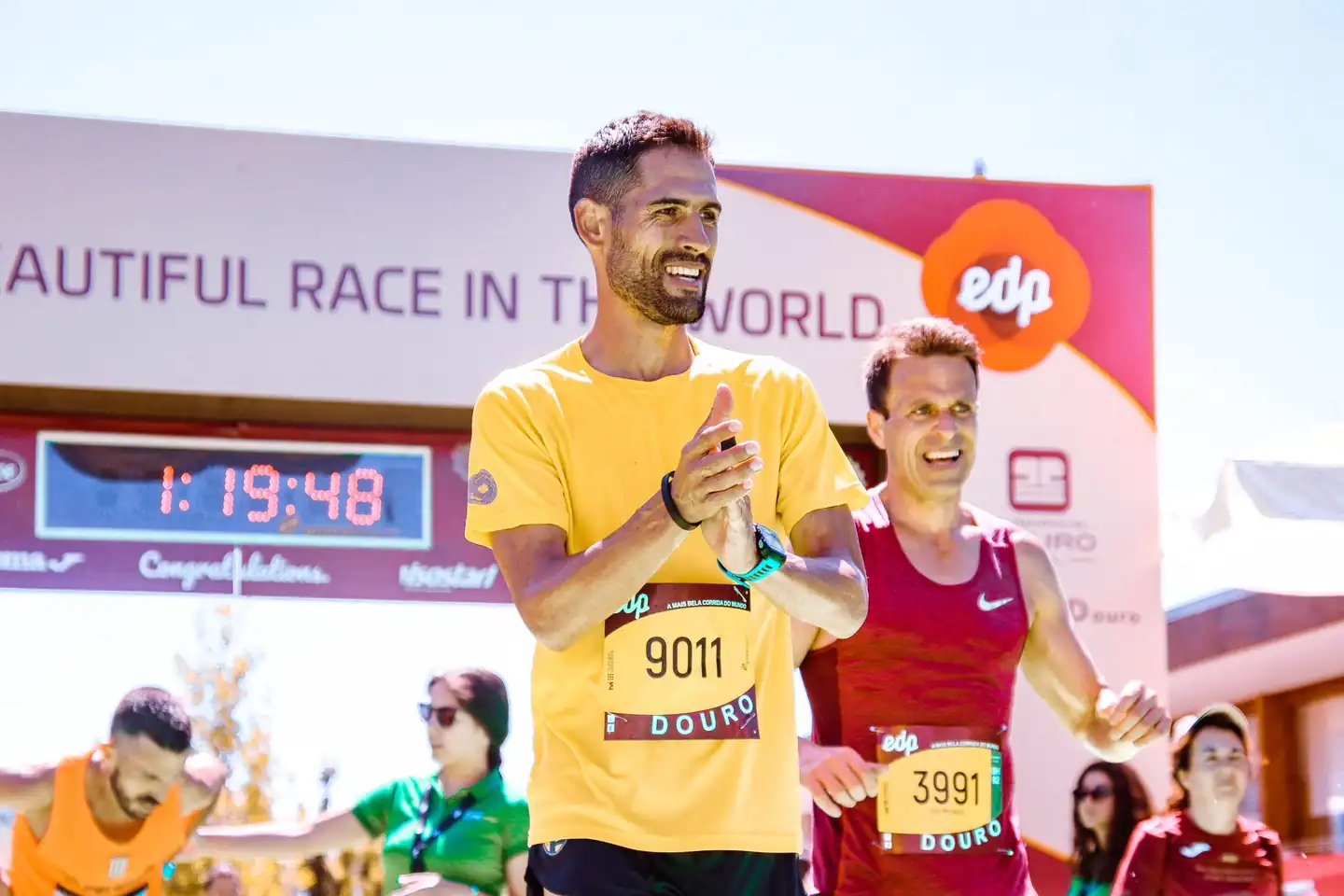
The Gandia event once again confirmed its appeal: an urban, fast race with a major showcase atmosphere that brings together a half marathon and 10 kilometers on the same Sunday. The combination of a flat course, a start by the sea, and organization designed to attract runners from within and outside the Valencian Community has made the event a benchmark of late autumn.
Demand usually exceeds supply quickly. In the 2026 edition, the organizers set 2,500 bibs for the half marathon and a price schedule by tiers that started at 24 euros, rose to 27 euros, and ended at 29 euros. That structure, together with the popularity of the course and the presence of the certified 10K, explains why the race often sells out before registration closes.
A race that blends tourism, speed, and a coastal atmosphere
Gandia does not just sell a race, it sells a competitive experience. The start from the Playa de Gandia area and the stretch along Passeig Marítim Neptú create a highly recognizable image: asphalt, sea breeze, and a large pack moving forward with the sea as a backdrop. That postcard helps explain the event’s magnetism, but also its sporting value. It is a setting well suited to chasing a personal best, measuring fitness, and running with clear references.
The race has also established itself as a showcase for sports tourism. In different editions, the organizers have highlighted the number of runners coming from outside the province of Valencia, even from other countries. That translates into higher hotel occupancy, more life on the seafront promenade, and a long-weekend atmosphere that goes far beyond the finish arch. In a city with a beach, hospitality options, and an increasingly visible sports calendar, the race serves as a seasonal showcase.
The coexistence of a half marathon and a 10K broadens the participant profile. It is not just about the classic 21.097-kilometer distance, but also about a more accessible race for those seeking a competitive challenge without taking on the wear and tear of the half marathon. That double entry point explains the diversity of bibs: elite athletes, recreational runners, first-timers, clubs, and participants who return year after year because of the course’s ease and the appeal of the setting.
Certified distances and a course designed for fast running
The 10K gained importance when its course was certified, a technical detail that does not always attract the general public’s attention, but is crucial for those seeking official times. Certification allows results to be validated under regulated conditions and turns the route into a more serious benchmark for the calendar. In practice, it means the course is not just a stroll: it is measured precisely and serves as a more reliable performance comparison.
The organizers have described the half marathon and the 10K as loop courses, with a start in Playa de Gandia and an initial stretch along the seafront promenade. That kind of layout usually favors steady pacing and a straightforward tactical approach. When the profile is gentle and the route helps, the race becomes something like a long track under the open sky. For runners, that has an almost musical value: repeated strides, controlled breathing, and a sequence of streets and avenues that reduces surprises.
In the half marathon, the event has also included specific categories and age groups, with a local classification and another for athletes competing in a racing wheelchair or handbike. That approach broadens the competitive scope and gives the day a fuller reading. It is not just about absolute times; it is also about the event as a broad gathering of recreational athletics, with room for different profiles and sporting realities.
Registration, prices, and bibs: the moving target
Tiered pricing is one of the biggest reasons to sign up early. In the 2026 reference information, the first tier ran from February 21 to April 27 at a cost of 24 euros. The second, from April 28 to August 31, rose to 27 euros. And the final tier, from September 1 to November 4, closed at 29 euros. In other words, those who wait pay more, a common approach in races with strong demand.
The figure of 2,500 bibs available for the half marathon also sets the real scale of the race. It is not an uncontrolled mass event, but rather a race with limited capacity that seeks a balance between participation and organizational quality. That cap, in practice, adds pressure to registration and means planning ahead. When the entry list fills quickly, the room for improvisation narrows.
In the previous edition referenced in the coverage, the race exceeded 3,000 registered runners across all events, which gives a clear indication of the interest the event generates. Its appeal depends not only on the race’s name, but also on the combination of course, date, and location. November usually offers milder temperatures than the Valencian summer and conditions that are still pleasant for an ambitious run.
Start, schedule, and bib pickup
The start time has been one of the most repeated details in the race coverage. In one of the references consulted, the race on November 12 started from Playa de Gandia at 9:30 a.m., beginning on Passeig Marítim Neptú. That morning slot makes sense for a road race on the coast: it avoids the hottest part of the day and leaves time for the city to regain its rhythm after the finish.
Bib collection is also part of the race’s visible logistics. In the information analyzed, the Fira Mercat del Corredor, located in Prado, handled distribution on Friday afternoon and on Saturday morning and afternoon. That model, now common in major recreational races, concentrates the pre-race atmosphere and creates a small ecosystem of runners, companions, brands, and volunteers that brings the weekend to life.
The runner expo is not merely an administrative formality. It is the point where the race takes physical shape: the bib is checked, schedules are reviewed, nerves are exchanged, and the next day’s strategy is sharpened. Anyone who has been there knows the mix of cardboard smell, technical fabric, and early coffee, with people browsing gear displays while quietly reviewing their target paces.
Prizes, records, and competitive level
The serious sporting side also carries a lot of weight in Gandia. The organizers have offered prize money for the top finishers and additional rewards for anyone breaking the half marathon record. In the information reviewed, that bonus was 500 euros and was tied to established benchmark times: around 1 hour and just under 5 minutes in the men’s category and 1 hour, 18 minutes, and 25 seconds in the women’s. The data speaks to a notable level, with aspirations for fast times and runners capable of sustaining high pace on a favorable course.
The presence of athletes with notable credentials reinforces that profile. In the men’s field, names with the potential to challenge records were mentioned, while in the women’s field there were last year’s winner and other high-level runners. That kind of participation raises the race’s technical interest and adds an extra layer of appeal for the fan base, who not only run: they also watch, compare, and follow the favorites’ progress.
The 10K, for its part, featured athletes with recognized times between 30:00 and 34:00 minutes. That sets the bar very high for a recreational race and confirms that Gandia also attracts fast runners, not just those aiming to finish the distance. The result is a demanding lead pack, capable of adding tension to the early kilometers and turning the finish into a battle for seconds.
A favorable course, but not a free one
Fast does not mean simple. A flat course, with an urban layout and favorable atmosphere, can make runners underestimate the race. Coastal breezes, pace management in large groups, and stretches that are more exposed or more sheltered can affect sensations. In Gandia, as in any well-run race, apparent ease can be deceptive: the key is not to get carried away by the euphoria of the opening stages.
The certified 10K adds an important nuance. Those going for a personal best will find a useful course here, but also a real race environment, with athlete traffic, possible pace changes, and the need to read the start well. It is only short in appearance; in practice, it demands focus from the very first kilometer and a finely tuned ability to suffer.
The half marathon, on the other hand, requires a different kind of patience. The 21.097 kilometers punish overcooked starts, poorly judged surges, and improvised hydration. In a race with so much visibility, the urge to go fast appears early. But races run by the sea often reward those who manage their energy best, as if the wind and the asphalt were two invisible clocks that force you to think before accelerating.
Why Gandia has earned a stable place on the calendar
The race has built prestige through accumulation, not through a single flash of brilliance. Year after year it has added participation, sporting level, and presence on the Valencian running map. The involvement of the Club de Córrer el Garbí and the municipal environment has been key to sustaining a race that combines solid organization, a recognizable course, and the ability to attract both elite and recreational runners.
The date also matters. November usually falls in an ideal spot on the calendar for those preparing for autumn or the end of the season. The temperature is more favorable, the humidity is more manageable than in the middle of summer, and the beach setting gives the day a sporting getaway feel. It is no coincidence that many runners choose it as a target to gauge fitness after weeks of volume or to close the year with a strong performance.
The double distance also allows for a more flexible view of effort. Some approach it as a serious half marathon, others use it to test speed in the 10K, and others join for the atmosphere, their club, or tradition. That mix supports the race’s growth and keeps it alive, because each edition adds different profiles without losing its own identity: sea, asphalt, and well-calibrated competition.
What this race leaves in the city and in the runner
The Gandia Half Marathon and 10K is not just another date on the calendar; it is a way of understanding how recreational athletics can connect with a coastal city. The organization, the turnout of participants, and the media interest turn the event into something bigger than a race. It is a day when the local economy, grassroots sport, and individual ambition meet on the same seafront promenade.
For the runner, the value lies in the sum of the details: a clear start, a recognized distance, the chance to choose between two efforts, and a course that invites a good time. For the city, the return comes in the form of visitors, hotel activity, and an image associated with sport done right. When both pieces fit, the race stops being an isolated event and becomes part of the emotional calendar of an entire area.
Its success is explained by that mix of stopwatch, sea, and city. Gandia has found a simple formula to say and a difficult one to sustain: a race that is run, watched, and remembered. That is, in the end, the difference between an event that passes and one that stays.



How to prevent thigh chafing: causes and real solutions

Women’s running windbreakers: seven jackets and how to choose

Do more workouts get rid of soreness? A guide for runners

Jaén Half Marathon 2026: Record 3,800 Runners Registered

Men’s short running tights: how to choose the right pair

World Triathlon confirms data breach involving medical data

Izan Edo targets podium at Miyazaki World Cup

María Pérez ranks ninth in World Athletics’ 2026 top ten

Dos Santos, Duplantis and Sawe: World Athlete of the Year finalists

San Silvestre Vallecana 2026: 42,000 places, prices and start times

 Races3 months ago
Valencia Half Marathon 2027: date and registration

 Races3 months ago
Valencia Marathon 2026: entry, ballot and course

 Reviews and Comparisons4 months ago
Asics Gel-Roadmiles 3 for men: review and current price

 Reviews and Comparisons4 months ago
Asics Gel Sonoma 8 Gore-Tex: complete analysis for trail and rain

 Sneakers3 months ago
Saucony Endorphin Pro 4: full review and verdict

 News5 months ago
Strava API 2026: what changes for clubs, challenges and runner apps?

 Reviews and Comparisons5 months ago
Nike Alphafly 3: opinions, sensations, and real key points

 Reviews and Comparisons4 months ago
Under Armour running shoes review 2025-2026: models and key features

 Sports Equipment4 months ago
Shoe sizes in cm: a clear guide to getting the right fit for your footwear

 Sneakers3 months ago
Skechers GO RUN Consistent 2.0 analysis: comfort and limits

 News5 months ago
Valencia Marathon 2026 route: key tips to train and run better

 Sneakers4 months ago
Adidas Adizero Boston 13 for men: review and verdict