Races
Ironman 70.3 Alcudia – Mallorca 2027: complete guide
Dates, route, registration, and logistical details for the middle-distance triathlon in Alcúdia, with all the essentials.

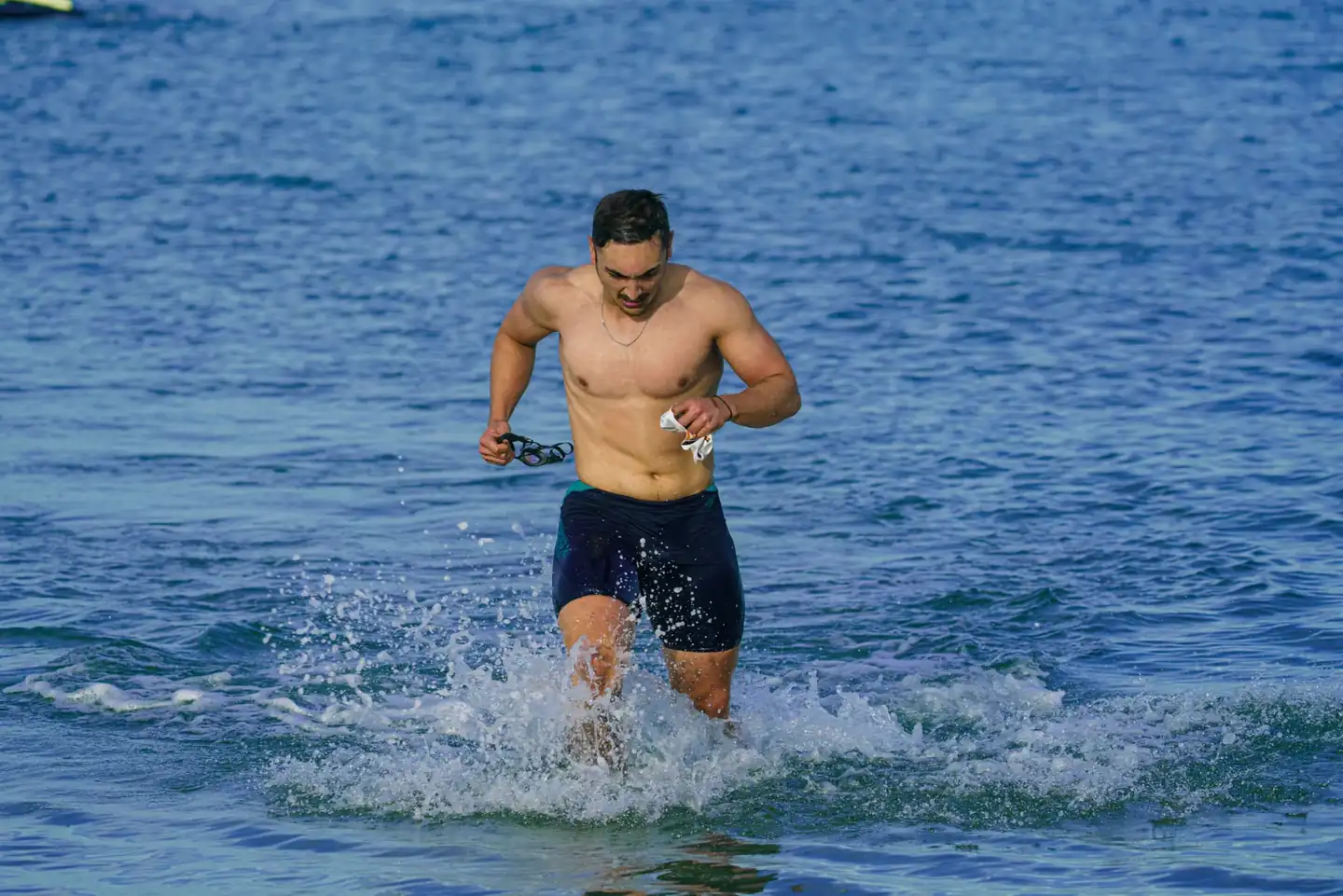
Alcúdia’s middle-distance triathlon once again puts Mallorca on the international map of the most coveted races on the calendar. The combination of a swim in Mediterranean waters, a hilly cycling segment, and a half marathon by the sea has turned this event into a benchmark for those seeking a fast, demanding race with postcard-worthy scenery.
The 2027 edition is scheduled for early May and keeps the formula that has made this venue so recognizable: a 1.9-kilometer swim, 90 kilometers of cycling, and 21.1 kilometers of running. This is not a showcase event with nothing behind it; it is a complete test of pacing, effort management, and logistics, where the beauty of the surroundings coexists with a course that punishes any overconfidence.
A venue that blends sea, mountains, and a culture of endurance
Alcúdia offers something uncommon in a single day: a start by the coast, roads opening onto the landscape of the Serra de Tramuntana, and a final running section that restores an urban and seaside rhythm. That blend explains why this race keeps coming up in conversations among triathletes of different levels, from those looking to debut at the distance to those chasing an ambitious time.
The appeal is not limited to the scenery. The course requires a careful distribution of effort because the cycling segment includes approximately 800 meters of positive elevation gain, a figure that completely changes the script of the day. In a middle-distance race, that data matters as much as average speed; it means the race is not decided by power alone, but by control, patience, and the ability to read the terrain.
The 1.9-kilometer swim takes place in an environment often described as clear and calm, although the actual experience always depends on sea conditions. For the triathlete, that means a first filter of positioning and technique. Starting too hard can turn the first minutes on the bike into a physiological debt that is hard to pay back later, precisely when the course calls for judgment rather than euphoria.
The course and its numbers, without embellishment
The official distance is the classic middle distance: 1.9 kilometers of swimming, 90 kilometers on the bike, and 21.1 kilometers of running. The race is completed with a half marathon run in three laps of 7.0333 kilometers, a format that provides constant reference points for the runner and also a sense of partial control, very useful when the legs begin to demand air and order.
The cycling segment usually takes up most of the pre-race conversation. That is no coincidence. Changes in pace, climbing sections, and the need to maintain an efficient position make those 90 kilometers a breaking point for many bib numbers. In triathlon, the bike is rarely won by sheer strength; it is won by economy. Here that idea becomes especially clear because the elevation gain turns every mistake into a small cumulative toll.
The run, by contrast, presents a layout that is friendlier for spectators and harsher on the legs. The terrain invites thoughts of steady pacing, but muscle reality is often different: arriving with reserves, stabilizing your stride, and surviving the changes in temperature and humidity that can appear in the final stretch. That is why this race demands a complete profile, closer to an artisan of effort than to a specialist in a single segment.
A calendar designed to arrive with a solid base
The 2027 event is set for early May, a typical window at the start of the international middle-distance season. That calendar placement matters because many triathletes arrive with winter work already consolidated, but still without the accumulated wear of the toughest summer months. The result is usually a large and competitive field, with athletes from different backgrounds looking for a high-level season opener.
For the local area, May usually offers more stable weather than midsummer, although Mallorca always retains that Mediterranean ability to change the character of a day within hours. Wind, humidity, and solar intensity must be treated as real variables, not side notes. In a middle-distance race, the body does not forgive improvisation: hydration and heat management can separate a solid performance from a messy afternoon.
The timing also favors the presence of companions and spectators. Alcúdia combines beach, historic center, and enough hotel capacity to absorb an event of this scale. That infrastructure, far from being a minor detail, is part of the success of a race that does not exist in isolation, but is embedded in a tourism and sports economy that activates with each edition.
Registration, slots, and the reality of a highly sought-after bib number
Demand for bib numbers is usually high in races like this, especially when the venue already has prestige and the course has a strong reputation. That means registration is perceived not just as an administrative task, but as a gateway to an event that combines serious competition with a strongly defined travel experience.
For Ironman 70.3 events, the registration process is usually handled through the event’s official channels and associated travel services. Interest is not limited to the race entry: many participants look to secure accommodation, transport, and technical support in advance to reduce uncertainty. That logic is understandable in an island race, where the bike, transfers, and schedules have a decisive impact on pre-race stress levels.
The logistical component should not be underestimated. A triathlon of this category means arriving early, learning the transition area, checking equipment, and understanding the course topography before stepping onto the start line. Those who travel under time pressure often pay for it in nerves, and here nerves quickly turn into poor decisions.
How the terrain shapes race strategy
The swim clears the field, but the bike defines the day. In a race like this, the first goal is not to shine, but not to spend too much. The sea introduces the first tactical reading, because a poorly positioned start can force extra meters and raise the heart rate too early. Then comes the bike, where the course profile rewards those who understand that sustaining effort is more valuable than chasing spectacular peaks.
Rolling roads change the way effort is measured. On flat terrain, triathletes tend to think in watts or average pace; on a rolling course, by contrast, what matters is the ability to absorb changes and not be carried away by the adrenaline of the descents. The result is a much more cerebral race than it appears from the outside, almost a game of chess at racing speed.
The final half marathon, with its lap format, adds a second layer of tension. Each pass by a reference point tells the runner about their real condition. That can build confidence or break it. The virtue here is to tolerate discomfort without dramatizing it, because the hardest part of a 70.3 is not always the climb or the heat: often it is the internal conversation when the legs no longer respond with the freshness of the start.
Alcúdia as a sports and hotel destination
The race also works as a sporting getaway. Alcúdia has a broad hotel offer, accommodation close to the race area, and infrastructure designed to receive visitors arriving with bikes, bulky luggage, and schedules shaped by check-in, registration, and course reconnaissance. That explains why nearby accommodations are so important in the planning process.
For the racer, sleeping nearby is not a whim but a way to save mental energy. Every shorter transfer, every avoided queue, and every minute gained on race morning help you reach the start with more calm. In a middle-distance race, calm has competitive value. It does not show up on the bib, but it is visible in the breathing before the swim and in the way you mount the bike.
The Bay of Alcúdia setting also adds a visual factor that is far from minor. The feeling of racing by the sea, with the island as a constant backdrop, gives the event a recognizable character. It is not just a contest for times; it is also a way of inhabiting, for a few hours, a landscape that combines tourism, sport, and an endurance tradition.
Why this race attracts triathletes with such different profiles
The race has a reputation for balance: it is hard, but not impossible; fast, but not easy; appealing, but demanding enough to reward serious preparation. That mix explains why it interests both ambitious first-timers and veterans who already know the distance and are looking for a reliable venue to measure months of work.
The prestige of the Ironman brand also plays a role, bringing a well-established competitive narrative. The bib does not just open the door to a race; it connects the participant to a global circuit where the format, organization, and transition structure are recognizable anywhere in the world. For many athletes, that brings a sense of belonging and continuity that matters almost as much as the clock.
The participant profile usually reflects that diversity. Some come seeking experience, some for a personal best, and others treat it as a social and sporting appointment in a coastal destination. That variety does not weaken the race; on the contrary, it adds depth, because it turns each edition into a collection of different stories that eventually cross under the same finish arch.
Practical details that often make the difference
Bike equipment and travel logistics are two of the most delicate points. Transporting a bike to an island requires planning, proper packing, and enough time margin to avoid surprises. A pre-race mechanical check is also important: a course with elevation changes and pace shifts does not forgive a poorly adjusted drivetrain, unbalanced brakes, or worn tires.
Pre-race and in-race nutrition deserves another calm look. It is not about eating more, but about eating with purpose. In a middle-distance race with a demanding bike, the risk is usually not being under-fueled the day before, but going too hard in the swim and paying for it later. The best strategy is often the most boring one: consistency, prudence, and respect for digestion timing.
Weather can, in turn, alter the script significantly. A mild day by the sea does not feel the same as a windy morning or a bike segment with rising heat. That is why the race has a permanent adaptation component. Those who understand that conditions are part of the challenge reach the final kilometer in better shape; those who expect a tamed course end up arguing with the setting.
A final look at an event that already has real weight
Ironman 70.3 Alcudia – Mallorca stands out not only because of its name, but because of the way it brings together sporting demand, scenic beauty, and the logistics of an international event in a compact, recognizable venue. The combination of sea, elevation gain, and a half marathon over three laps creates a race with a distinct identity, easy to remember and difficult to master.
On the middle-distance calendar, few races combine the appeal of the destination and the demands of the course so clearly. That explains why the early-May event continues to grow in interest among those looking for a complete race, well placed in the season, and with the kind of setting that turns a hard day into a lasting memory. Alcúdia gives nothing away, but it leaves a clear imprint on anyone who crosses its finish line.
In the end, the race is a map of decisions: how to swim, how much to spend on the bike, what pace to hold in the run, and how much margin to keep for the decisive stretch. That balance, as technical as it is human, is what keeps alive the magnetism of a race that is already part of the essential middle-distance calendar in Europe.
Where to stay in Alcúdia
Hotels available 29 April – 2 May 2027.
Affiliate links: if you book through this map we earn a commission, at no extra cost to you.



How to prevent thigh chafing: causes and real solutions

Women’s running windbreakers: seven jackets and how to choose

Do more workouts get rid of soreness? A guide for runners

Jaén Half Marathon 2026: Record 3,800 Runners Registered

Men’s short running tights: how to choose the right pair

World Triathlon confirms data breach involving medical data

Izan Edo targets podium at Miyazaki World Cup

María Pérez ranks ninth in World Athletics’ 2026 top ten

Dos Santos, Duplantis and Sawe: World Athlete of the Year finalists

San Silvestre Vallecana 2026: 42,000 places, prices and start times

 Races3 months ago
Valencia Half Marathon 2027: date and registration

 Races3 months ago
Valencia Marathon 2026: entry, ballot and course

 Reviews and Comparisons4 months ago
Asics Gel-Roadmiles 3 for men: review and current price

 Reviews and Comparisons4 months ago
Asics Gel Sonoma 8 Gore-Tex: complete analysis for trail and rain

 Sneakers3 months ago
Saucony Endorphin Pro 4: full review and verdict

 News5 months ago
Strava API 2026: what changes for clubs, challenges and runner apps?

 Reviews and Comparisons5 months ago
Nike Alphafly 3: opinions, sensations, and real key points

 Reviews and Comparisons4 months ago
Under Armour running shoes review 2025-2026: models and key features

 Sports Equipment4 months ago
Shoe sizes in cm: a clear guide to getting the right fit for your footwear

 Sneakers3 months ago
Skechers GO RUN Consistent 2.0 analysis: comfort and limits

 News5 months ago
Valencia Marathon 2026 route: key tips to train and run better

 Sneakers4 months ago
Adidas Adizero Boston 13 for men: review and verdict