Races
Kangas Mountain 2027: date and distances
Four distances and a start scheduled from 6:30 a.m. shape the next edition of this Asturian mountain race.

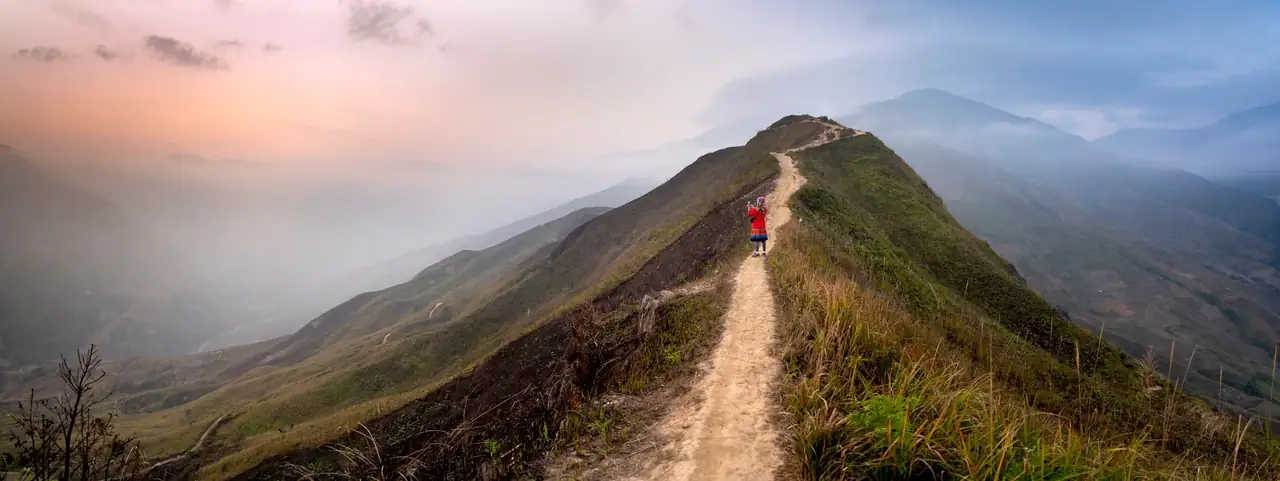
The next edition of Kangas Mountain will take place on Saturday, March 6, 2027, in Cangas de Onís, Asturias. Available information places the start of proceedings from 6:30 a.m. and lists four distances: 13, 21, 33 and 60 kilometers. The event is organized by C.D. Komty Sport and is classified as a mountain race.
The date and distances already outline the event, but they do not answer every practical question. Confirmed details about the course, elevation gain, entry fees, aid stations or exact start location are not yet available. Separating announced facts from unpublished information is essential for planning sensibly and avoiding treating an incomplete listing as a promise about the route.
A confirmed date in Cangas de Onís
The calendar points to March 6, 2027, a Saturday that places the race in early March. The listed town is Cangas de Onís, in Asturias, and the organizer is C.D. Komty Sport. These are the details that identify this edition; they should not be confused with general calendar listings that group races across different provinces and disciplines.
The start is listed as taking place from 6:30 a.m. That is the published time reference, although it does not clarify whether all distances start together or whether each course has its own time. Events with several formats may stagger their starts, so it is sensible not to assign 6:30 to every distance until the organizers release the full schedule.
The wording from also leaves open the possibility that the schedule includes more than one start. For now, the safe reading is simple: the race day begins early, but the start order and individual start times are not included in the available information. For visitors, that distinction could affect accommodation, transport and arrival time at the start area.
Four distances for different runners
The event lists courses of 13, 21, 33 and 60 kilometers. The range runs from a relatively short mountain-race option to an ultradistance challenge. That variety gives participants different levels of challenge to consider, but mileage alone is not enough to compare the demands of the courses.
In the mountains, two races of similar length can feel very different depending on elevation gain, gradient, surface and how climbs are distributed. Those details are not yet specified in the reference information, so none of the four options can be responsibly described as fast, technical, manageable or especially tough. The kilometer figure is a starting point, not a complete measure of effort.
The 13-kilometer distance may appeal to those seeking a shorter route, while 21 kilometers is close to the usual half-marathon reference on roads. The 33- and 60-kilometer options involve longer periods of activity and different preparation needs. Even so, the actual difficulty will depend on the final design of each route, which is not included in the published details.
What is known and what remains unpublished
The confirmed information covers the basics: date, town, organizer, race type, general start time and distances. It does not describe the profile or identify specific trails, tracks or sections. It also gives no figures for total elevation gain, cut-off times, mandatory gear, categories, participant services or assistance rules. Presenting those details as facts would go beyond what is known.
Other common questions before registration remain unanswered, including entry fees, registration dates, available places and cancellation terms. No exact start or finish address has been provided, and the reference listing does not include a verifiable official domain. It is therefore not possible to say with confidence where bibs will be collected, how to reach the start or what policy will apply to last-minute changes.
The absence of these details does not mean the organizers will not publish them; it simply means they should not be treated as confirmed now. At a mountain race, an updated set of rules can change important logistical and safety details. The final edition information should be reviewed when released, especially for start times, gear, cut-offs or participation requirements.
A mountain race, not a route already described
The event is identified as a mountain race, but that general classification does not reveal the exact course. There is no information confirming which peaks, valleys, trails or settlements the event will pass through. Nor is it specified whether every kilometer will be on natural terrain or whether other types of surface will be included.
A race name or a town’s location may suggest a landscape, but neither is a substitute for a map or course description. To assess a route, runners need at least the measured distance, elevation gain and an account of the terrain. Until those details are available, any specific description of the scenery would be speculative.
This matters because a runner’s preparation changes considerably with the profile. A route with long climbs calls for a different approach from one with short rises; a technical descent demands different skills from a broad track descent. With current information, all that can be said is that this is a mountain event offering four distance options, not how any of them will feel underfoot.
An early start shapes the day
The scheduled start from 6:30 a.m. makes morning logistics an important consideration for participants. The time means factoring in rest, travel to Cangas de Onís and the margin needed before the start. Without a published address, it is not yet possible to calculate precisely how long it will take to reach the gathering area from nearby accommodation.
An early start can also change the race experience: light and temperatures at first light differ from conditions at midday. However, there is no weather forecast for a date this far ahead, nor information about required equipment. It would be wrong to turn seasonal possibility into a forecast for the event; clothing and gear decisions will need to reflect the date, course and later instructions.
The general time also does not establish how long the event will last or when runners in each distance will finish. Estimating those times requires, among other details, the profile and cut-off limits. For now, the most useful approach is to treat 6:30 as a reference for the start of the day and wait for the schedule to specify individual starts.
How to interpret the 13, 21, 33 and 60 kilometers
The four figures represent challenges that should not be chosen solely by comparison with road-race distances. A 21-kilometer mountain route is not necessarily equivalent to an urban half marathon: elevation, surfaces and pauses can significantly affect pace. Time on the trail is often a more useful measure than pace per kilometer in this kind of event, although it cannot yet be estimated for this edition without a known route.
The 13-kilometer course is the shortest announced option. It may suit runners with previous trail experience, but distance alone does not guarantee an easy race: a steep climb or technical descent can pack considerable effort into a few kilometers. Without profile data, the sensible choice is to avoid assigning a difficulty label until the route is published.
At the longer end, 60 kilometers falls into ultradistance territory, while 33 kilometers substantially extends the effort compared with the shorter options. Those distances generally call for pacing, hydration and fueling plans based on the rules and actual conditions. The event has not yet published details that would support specific requirements, so final recommendations will depend on the route and planned services.
Responsible preparation while the course is pending
Before the technical course details are available, runners can work on general abilities without pretending to know the route. Aerobic endurance, leg strength and gradual exposure to uneven surfaces are common foundations for mountain running. Training volume and intensity should suit each person’s experience and fitness; no single plan can be derived from the announced distance alone.
Choosing one of the four formats should involve more than a desire to tackle the greatest number of kilometers. It is worth considering available training time, experience with elevation and the ability to sustain prolonged effort. The right distance is one that matches both preparation and the actual course profile, two factors that will be clearer once technical information is released.
It is also sensible to leave the most specific decisions until the elevation, terrain and race rules are known. No mandatory gear list or water and food requirements for particular sections can be set out now. Prudence does not make the challenge less appealing; it prevents an isolated distance figure from becoming a misleading description of what runners will face.
Registration, entry fees and availability
The information provided includes no entry fees or registration dates. It also does not say whether places are open, how many are available or whether prices change by registration period. As a result, it is not possible to give a reliable cost estimate or confirm that registration is active, even though the race date is confirmed.
For events with several distances, registration terms may differ between formats. There could be differences in price or capacity, but nothing confirms that this applies to this event. The same is true of bib collection, refunds and distance changes: these are matters for the race rules, not details to assume.
The listing names C.D. Komty Sport as organizer but does not provide an official website address. For that reason, this information should not be replaced by aggregator calendars that may show incomplete or outdated fields. The responsible summary for now is that the date is confirmed and administrative details are absent from the available reference.
Cangas de Onís as the meeting point
The host town is Cangas de Onís, in Asturias. That locates the event, but does not identify the start or finish, which could be within the municipality or at another event-related location. Without an exact address, it is not possible to recommend an access route, parking area or accommodation zone as though it were part of the organizers’ arrangements.
For visitors, the municipal location is an initial travel reference, not a complete logistics guide. The early start makes it especially important to know the gathering point and any transport services. Those details should be confirmed before finalizing travel plans, rather than inferred from the race name.
The event’s location in Asturias places it in a region with a strong outdoor tradition, but that regional context does not establish the characteristics of the course. Each route has its own combination of terrain, elevation and exposure. Until a map is released, Cangas de Onís is the reliable geographic detail; any more specific account of the race scenery would remain conjecture.
A race listing worth updating
The essential details already identify the edition: March 6, 2027, in Cangas de Onís, with starts from 6:30 a.m. and four distances. The organizer, C.D. Komty Sport, and the mountain-race classification are also listed. For readers comparing calendars, that is enough to locate the event and get an initial sense of the available options.
The information will become more useful when the rules, map and course profile are published, along with registration and service details. Those announcements will turn a basic listing into a practical tool for choosing a distance, arranging travel and assessing the effort. Until then, accuracy means reporting both what is confirmed and what is still missing.
The race now has a date, but its precise character still depends on information not included in the available details. The calendar provides the first milestone; the route and conditions will give the challenge its context. In mountain running, knowing where an event begins matters, but understanding the terrain is what will make it possible to measure the March 2027 challenge.
Where to stay in Cangas de Onís
Hotels available 4–7 March 2027.
Affiliate links: if you book through this map we earn a commission, at no extra cost to you.



How to prevent thigh chafing: causes and real solutions

Women’s running windbreakers: seven jackets and how to choose

Do more workouts get rid of soreness? A guide for runners

Jaén Half Marathon 2026: Record 3,800 Runners Registered

Men’s short running tights: how to choose the right pair

World Triathlon confirms data breach involving medical data

Izan Edo targets podium at Miyazaki World Cup

María Pérez ranks ninth in World Athletics’ 2026 top ten

Dos Santos, Duplantis and Sawe: World Athlete of the Year finalists

San Silvestre Vallecana 2026: 42,000 places, prices and start times

 Races3 months ago
Valencia Half Marathon 2027: date and registration

 Races3 months ago
Valencia Marathon 2026: entry, ballot and course

 Reviews and Comparisons4 months ago
Asics Gel-Roadmiles 3 for men: review and current price

 Reviews and Comparisons4 months ago
Asics Gel Sonoma 8 Gore-Tex: complete analysis for trail and rain

 Sneakers3 months ago
Saucony Endorphin Pro 4: full review and verdict

 News5 months ago
Strava API 2026: what changes for clubs, challenges and runner apps?

 Reviews and Comparisons5 months ago
Nike Alphafly 3: opinions, sensations, and real key points

 Reviews and Comparisons4 months ago
Under Armour running shoes review 2025-2026: models and key features

 Sports Equipment4 months ago
Shoe sizes in cm: a clear guide to getting the right fit for your footwear

 Sneakers3 months ago
Skechers GO RUN Consistent 2.0 analysis: comfort and limits

 News5 months ago
Valencia Marathon 2026 route: key tips to train and run better

 Sneakers4 months ago
Adidas Adizero Boston 13 for men: review and verdict