Races
Llanera 10K 2027: date and location
The Asturian event is set for February 6; its 2027 rules and registration details are still pending.

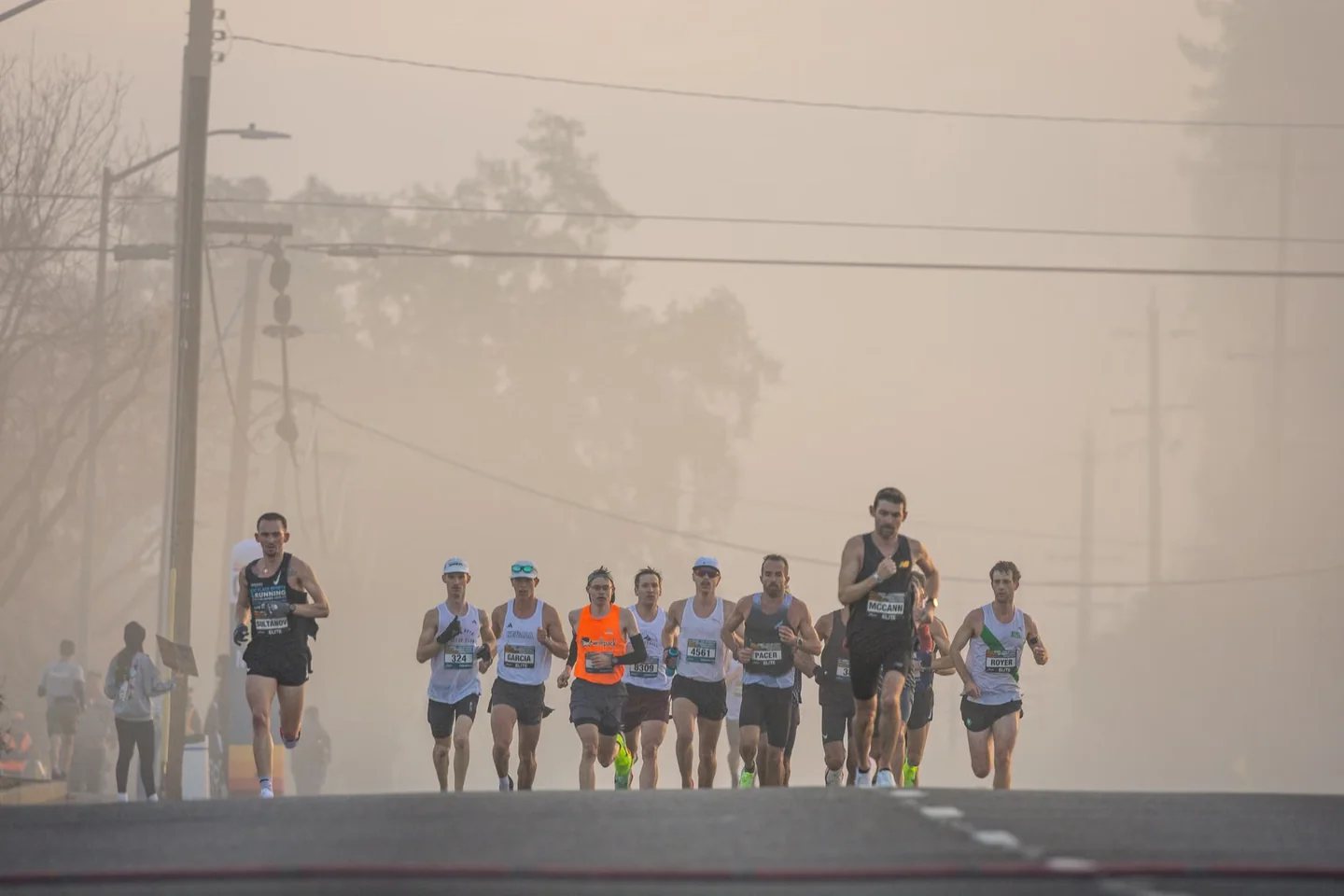
Imagen: Stephen Leonardi / Pexels
The popular race in Posada will return on February 6, 2027, a date confirmed for the next edition of the event known as Llanera10k. The available information identifies Posada, in Asturias, as the host town, but does not yet specify the start time, exact starting point, course or registration conditions.
The 2026 edition had downloadable rules, and the event is listed as being organised by Cronelec Eventos Deportivos. That document can help explain the kinds of issues usually covered, but it does not replace the 2027 rules: until a new version is published, the next edition’s schedule, services, prices and other conditions should be considered unconfirmed.
A confirmed date in Posada
The firmest detail for those following the race is the calendar: the next event is scheduled for February 6, 2027, in Posada. The town belongs to the municipality of Llanera in Asturias, and its name is associated with the race in the event information. No specific address has been provided for the start or finish, so there is no basis for assuming that a point used in earlier editions will be used again.
The date places the event in the middle of winter, something that may affect clothing, warm-up routines and travel plans. It does not, however, predict the weather on the day or reveal the condition of the road surface. Rain is mentioned in a comment related to the 2025 results, but that reference describes one participant’s experience at that edition and is not a forecast for 2027.
The next race listing is also missing practical details that can be decisive: the start time, bib collection point, collection hours, access to the event area and any traffic restrictions. Those details cannot be inferred from the date. They will need to be added through the rules and specific notices from the organisers when they are published.
What is known and what remains pending
For now, the confirmed information is limited to three elements: the event date, the town of Posada and its status as a popular race organised by Cronelec Eventos Deportivos. The event name suggests a 10-kilometre distance, but the supplied information does not include an official distance schedule for 2027. For accuracy, the exact distance should be checked in the entry information for that edition, along with any additional options.
The entry fee, opening and closing dates, participant limit and registration process are also unknown. There is no published information here about age categories, prizes, bag drop, refreshments or timing. Such features are common at popular races, but that does not confirm they will be offered at this event: each set of rules can specify different conditions.
The absence of those details does not mean the race will lack services or particular categories; it only means they are not included in the available information. To avoid confusion, it is important to distinguish between announcements and details that have no documentary support yet. For a race with a date set in advance, the calendar may be confirmed before registration opens and before the rest of the event information is complete.
The 2026 rules are not the 2027 rules
The available reference shows a page dedicated to the rules for the 2026 edition, with an option to download a PDF. This indicates that the organisers publish the race conditions in a dedicated document, but it does not allow those clauses to be carried over automatically to the next event. Courses, schedules, requirements and services can change from one year to the next.
Rules usually bring together the essentials for taking part: who can register, how a race number is validated, what conduct is required during the event and under what circumstances it may be changed. They may also cover incident management, results, cut-off times or participants’ responsibilities. For this edition, those provisions can only be treated as confirmed once the document for 2027 is published.
Checking the correct version matters, especially when using an old saved copy or a shared link that does not identify the edition. The date on the cover and the event year make it possible to check whether the document is current. Relying on an old rule can lead to mistakes about bib collection, access to the course or the terms for requesting a withdrawal.
The distance and course need confirmation
The event name suggests a 10-kilometre course, but that is not enough to describe its route or confirm that the 2027 edition will have only one distance. No map, technical information, elevation profile or number of laps is available. It is therefore impossible to determine whether the course follows streets, roads, paths or a combination of surfaces.
The difference between a distance suggested by an event name and an officially measured course matters both to runners chasing a time and to those preparing for their first race. An officially measured course offers a more reliable benchmark, while an urban route may involve turns, changes of pace or gradients that affect perceived effort. In this case, those features have not been specified for 2027.
When the course is published, a map should clarify the start and finish points, major crossings and any areas with sharp turns or bottlenecks. A description of the surface and elevation changes will also be useful. Until then, any detailed profile or claim that the course is fast would be speculation rather than confirmed information.
Registration, race number and participation rules
The available information does not say when registration will open or how much it will cost. It also does not specify whether there will be different price tiers, discounts, a deadline or a particular registration platform. The 2026 rules page refers to an event-management service, but that alone does not confirm which system will be used for the 2027 edition or what its fees will be.
Before registering, the rules and entry form are usually the documents that explain what the race number includes and what personal information is required. They can also clarify whether it is possible to transfer an entry, correct details or request a refund, if those options exist. For this event, the reference information contains no financial or administrative terms, so it is not possible to say whether a transfer or refund is allowed.
Bib collection deserves separate attention because its time and location may differ from the start area. Some races offer collection on the day before; others allow it only on race day, within a limited window. The procedure in Posada is not known. Waiting for the official announcement avoids planning a trip around assumptions and makes it possible to check whether identification, proof of entry or authorisation is required to collect someone else’s bib.
What the official event information should clarify
The new event listing should answer the questions that directly affect race day: start time, address, course, official distance and registration schedule. It will also be important for it to identify categories, minimum age, timing system and how results will be published. For now, those details have not been confirmed for the next edition.
Logistics can matter just as much as the course itself. Participants may need to know where to park, whether public transport is nearby, which streets will be affected and whether changing or bag-storage facilities will be available. None of this appears in the information provided for 2027. Proximity to other towns does not establish transport schedules, parking areas or specific road closures.
It is also worth checking the provisions for bad weather or last-minute changes. The rules may explain who announces a change and through which channels, as well as what happens if the race is postponed or cancelled. There is no information about those contingencies for this event, so no refund policy or alternative date can be anticipated.
A race with a history, but no complete listing yet
The event has documented activity in previous years. The reference material includes a 2025 results page and a rules page for 2026. This places the race within a sequence of editions, although it does not provide participation figures, times, winners, records or course changes. The available history confirms continuity in event information, not every sporting detail for each year.
A comment from a participant appears on one of the 2025 results pages, mentioning rain and describing the race positively. It is an individual account, not a weather record, an overall assessment or an official description from the organisers. It offers a brief impression of one particular day, but it cannot show that the event is usually held in rain or that conditions in 2027 will be similar.
The existence of published results for an earlier edition does point to one detail many runners check after competing: the standings. To find out whether the next race will have interactive results, which categories will be shown or when times will be published, the 2027 information will be needed. The fact that an earlier edition had a results page does not guarantee that the format will remain unchanged.
Preparing for a winter race without guessing the weather
February places the event at a time of year when temperatures and surface conditions can vary widely. That seasonal context is a reason to check the forecast close to race day and avoid decisions based on the weather at previous editions. The mention of rain in 2025 may recall one day, but it cannot predict the weather on February 6, 2027.
In general, winter running calls for attention to warm-up and clothing. The body may take longer to settle into a pace in cold weather, while too many layers can become uncomfortable after a few minutes of effort. The right choice depends on the actual forecast, expected intensity and individual preference; without weather information, there is no specific recommendation for that morning.
Footwear should also match the confirmed terrain. A shoe designed for asphalt may not provide the same grip on mud or wet paths, but the course surface is not yet known. Before changing familiar equipment, it makes sense to wait for the organisers to publish the map or route description. Course information should guide preparation, not assumptions about the area.
Posada as the meeting point
The race is associated with Posada, in the Asturian municipality of Llanera. That identifies the town, but not the exact start line or finish area. In a town with several possible venues, a general location is not enough to plan parking or estimate the walk to the event. The address should appear in the edition’s listing.
Travel planning depends on that precision. A runner arriving from another municipality needs to know the start time, how long is available to collect a bib and how early to arrive. Without those details, it would be unreasonable to recommend transport times or claim which access route is most convenient. Posada provides the geographical setting for the race, but the practical arrangements have not yet been detailed.
Once the address is confirmed, access maps and possible traffic impacts will also help spectators. Popular races can temporarily affect traffic on streets along the course, although the impact depends on the route design. There is no information about closures for 2027, so residents and visitors will need to wait for the relevant notices before planning trips in the area.
Useful information will be released in stages
In race organisation, not every detail is usually published at the same time. The date may be announced months before the course, entries or full schedule. In this case, confirmation of February 6, 2027, provides a firm calendar reference, while the rest of the event listing remains incomplete. A confirmed date does not mean registration is open or that all practical details are available.
The rules will be central to checking the conditions, but they may not answer every logistical question on their own. A map, registration page and pre-event notices can provide more information on access, bib collection or last-minute changes. The key is to make sure all those details refer to the 2027 edition and come from communication connected to the organisers.
Based on what is known so far, the race has a set date, an identified location and an organiser named in the reference information. The course, official distance, price, start time and participation conditions still need confirmation. Keeping confirmed facts separate from expectations makes it possible to follow the event without turning current gaps into invented details: the next information milestone will be publication of the complete 2027 listing.



How to prevent thigh chafing: causes and real solutions

Women’s running windbreakers: seven jackets and how to choose

Do more workouts get rid of soreness? A guide for runners

Jaén Half Marathon 2026: Record 3,800 Runners Registered

Men’s short running tights: how to choose the right pair

World Triathlon confirms data breach involving medical data

Izan Edo targets podium at Miyazaki World Cup

María Pérez ranks ninth in World Athletics’ 2026 top ten

Dos Santos, Duplantis and Sawe: World Athlete of the Year finalists

San Silvestre Vallecana 2026: 42,000 places, prices and start times

 Races3 months ago
Valencia Half Marathon 2027: date and registration

 Races3 months ago
Valencia Marathon 2026: entry, ballot and course

 Reviews and Comparisons4 months ago
Asics Gel-Roadmiles 3 for men: review and current price

 Reviews and Comparisons4 months ago
Asics Gel Sonoma 8 Gore-Tex: complete analysis for trail and rain

 Sneakers3 months ago
Saucony Endorphin Pro 4: full review and verdict

 News5 months ago
Strava API 2026: what changes for clubs, challenges and runner apps?

 Reviews and Comparisons5 months ago
Nike Alphafly 3: opinions, sensations, and real key points

 Reviews and Comparisons4 months ago
Under Armour running shoes review 2025-2026: models and key features

 Sports Equipment4 months ago
Shoe sizes in cm: a clear guide to getting the right fit for your footwear

 Sneakers3 months ago
Skechers GO RUN Consistent 2.0 analysis: comfort and limits

 News5 months ago
Valencia Marathon 2026 route: key tips to train and run better

 Sneakers4 months ago
Adidas Adizero Boston 13 for men: review and verdict