Races
Los Anejos Race 2026: date, course and distances
The Ávila mountain race returns in August with two distances and a course through villages and mountain ranges.

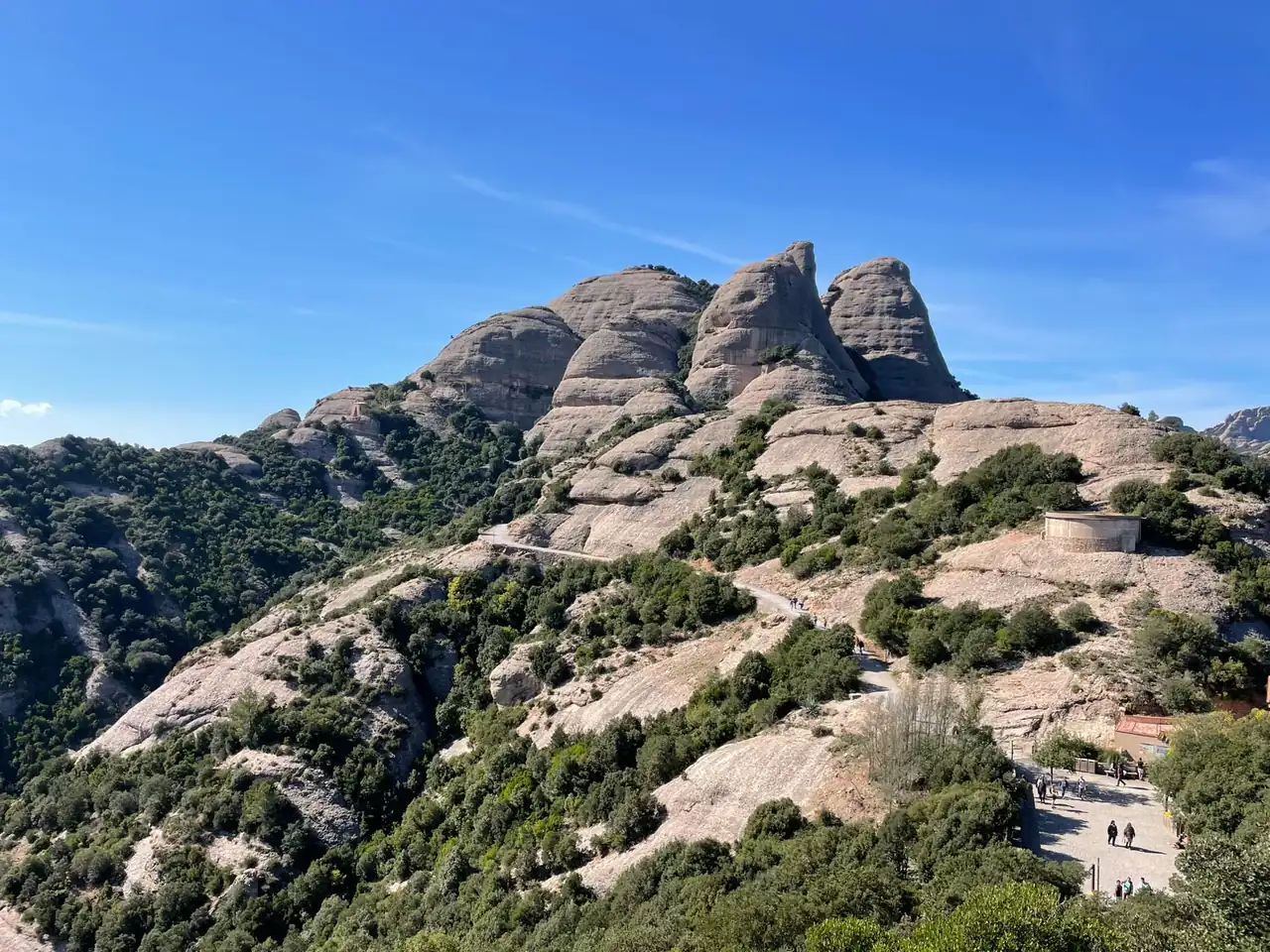
The X Carrera Los Anejos will take place on Sunday, Aug. 16, 2026, in La Aldehuela, Ávila, with the start scheduled for 10 a.m. The race keeps the popular mountain character that has defined previous editions and offers two courses: a long 17-kilometer route and a short route of approximately 8.75 kilometers.
The event is part of the summer calendar of mountain races in Castilla y León and draws its appeal from a rural setting of mountain ranges, paths and small communities historically linked to La Aldehuela. Available information confirms the distances, town and start time, although operational details such as the entry fee, accumulated elevation and exact start location still need to be checked in the organizer’s official communication.
The race is also listed in our popular race calendar and on the race map, two useful resources for locating nearby events and organizing a competition season around the dates.
A mountain race with two possible paces
The defining feature of this edition is the coexistence of two routes. The 17-kilometer course is designed for runners seeking a more complete mountain experience, while the short distance of 8.75 kilometers allows participation with a lower physical demand without giving up the scenery or the atmosphere of race day.
The difference between both options should not be measured only in kilometers. In a mountain race, gradient, surface, temperature and the continuity of climbs can greatly change the final effort. A route of less than 9 kilometers may be intense if it includes elevation gain or technical sections, just as a long distance can feel more manageable when the terrain allows a steady running rhythm.
The two options broaden the participant profile. The short route may suit popular runners with limited mountain experience, people returning to competition or those who prefer a demanding but contained activity. The long course requires more specific preparation, particularly to manage the pace during the first climbs and preserve energy for the final section.
Date, schedule and location
The race is scheduled for Sunday, Aug. 16, 2026. Both distances are expected to start at 10 a.m., according to the event listing. A mid-August race makes weather one of the key factors: heat can turn a seemingly simple climb into a slow section and increase the need to hydrate beforehand.
La Aldehuela is in Ávila province, in Castilla y León, within a mountain landscape marked by low urban density and rural roads. The start and finish are located in the town, although the exact address of the start area is not included in the available information. That detail will matter for those traveling from other municipalities and arranging parking, bib pickup or access to the competition area.
The 10 a.m. start provides a clear reference, but it does not remove the need to review the instructions before traveling. Mountain races may set an earlier time for bib collection, establish a cutoff for reaching the start or introduce safety-related changes because of weather conditions.
What is known about the course
Previous editions describe a route starting and finishing in La Aldehuela, crossing nearby mountain ranges and several hamlets, some of them abandoned. This gives the event a distinctive identity: it is not simply a race around an urban center, but a journey through a territory where old connections between villages form part of the sporting setting.
The long course, at 17 kilometers, can be seen as an approach to the area’s full landscape. Paths linking small communities, slopes and changes in direction create a more varied race than an asphalt event. Runners alternate between continuous running and sections where shortening the stride, watching the ground and saving energy for later recovery are sensible choices.
The published information does not include the official track, positive elevation gain or a detailed kilometer-by-kilometer description. It would therefore be irresponsible to assign climbs, aid stations or technical sections that have not been confirmed. The safest reference is its status as a mountain race and the previous route through the surrounding ranges and hamlets.
How to understand the two distances
The 17-kilometer option is the longer and more demanding course and requires careful pacing. In a mountain race, starting beyond one’s ability is often paid for in the middle climbs, when fatigue has built up and the heat begins to matter. A controlled start allows runners to read the terrain, find a comfortable cadence and retain the ability to run during the second half.
The 8.75-kilometer route can be an entry point to this type of competition. The distance is accessible to many road runners, although moving onto uneven paths requires a technical adjustment. Foot placement must be more deliberate, the arms help with balance and the gaze moves several meters ahead to anticipate rocks, roots and changes in surface.
The choice should not depend only on fitness. Previous mountain experience, heat tolerance, available training time and the ability to move safely off-road also matter. A fast road runner will not necessarily handle a broken trail better than someone slower but accustomed to climbing and descending on paths.
Preparing for an August race
The date places the event in a period when heat adaptation becomes especially important. Training early in the morning or late in the afternoon reduces direct sun exposure, but it is also useful to understand how the body responds in warm conditions. Thirst appears later than fluid loss, so drinking only when the need becomes intense may not be enough.
General preparation should combine steady running, pace changes and hill work. Climbs strengthen the muscles involved in propulsion, while descents require control and the ability to absorb impact. There is no need to turn every workout into a race; the goal is for the body to recognize the type of effort it will encounter in La Aldehuela.
The surface also deserves attention. Training only on smooth ground does not reproduce the instability of a mountain path. Gradually introducing dirt tracks, compact trails and moderate slopes can improve confidence. Volume and difficulty should rise progressively because a sudden jump may overload the calves, ankles or plantar fascia.
Equipment suited to the terrain
The choice of footwear will depend on the actual condition of the course, but the mountain nature of the event makes a shoe with a sole offering grip on dirt and rock advisable. A road shoe may work on firm, dry paths, although it may provide less security if loose ground or uneven descents appear.
The shoe should hold the foot without compressing it. Toes should not repeatedly hit the front on descents, and the heel needs to remain stable. August races can cause swelling, so wearing new shoes for the first time on race day is a poor decision.
Light, breathable clothing helps release heat, while a cap can protect the head on exposed sections. Sunglasses may be useful in open areas, provided they fit securely. Any mandatory equipment will depend on the final rules and should be checked before attending.
Safety, heat and effort management
Safety is central to a mountain race. Runners should follow organizer instructions, preserve course markings and avoid leaving the marked route. On rural paths, a mistake of only a few minutes can take a participant away from the course and make locating them more difficult, especially where phone coverage is limited.
August temperatures make a moderate start advisable. The body needs time to warm up and find a balance between effort and heat dissipation. The first climbs are not the place to prove speed; keeping a reserve helps when the course becomes harder or the sun grows stronger.
Hydration should be planned around official information about aid stations. As a general reference, many runners tolerate between 400 and 800 milliliters of fluid per hour, but the exact amount depends on body weight, sweat rate, temperature and pace. Excessive drinking can also be harmful, so forced quantities should be avoided.
Registrations and pending information
The listing places the registration period between July 11 and Aug. 14, 2026, until 11:59 p.m. The entry fee is not included in the available information, so no amount should be treated as confirmed. The organizer may also set limits, payment conditions or specific requirements that will only be valid once published through its official channel.
The absence of some details does not mean the event lacks planning. In many small races, information is updated in stages: the date is announced first, registration opens later and the rules, map and bib-pickup schedule are published closer to race day. Checking the latest version helps avoid unnecessary travel and mistakes.
The landscape as part of the experience
Los Anejos is not an urban race moved into the countryside. Its interest comes from the relationship between sport and territory. Passing along paths linking hamlets, slopes and abandoned settlements turns each kilometer into a reading of the landscape, with rural architecture and vegetation changing the perception of effort.
In these settings, pace is no longer a constant number. A dirt straight allows relaxed running; a climb requires shorter steps; a descent demands concentration to avoid stressing the joints. That alternation can be more enriching than a uniform sequence of kilometers because it requires continuous decisions.
A rural event with a clear identity
The 10th edition of the Carrera Los Anejos arrives with a simple and recognizable proposal: two distances, a morning start and a mountain route beginning and ending in La Aldehuela. The lack of some final details calls for caution, but the available references clearly establish the date, location, character and two distance options.
The event’s value lies in a combination that is uncommon in large races: physical challenge, local scale and direct contact with a landscape of old paths. Those choosing 17 kilometers will face a test of endurance and pacing; those selecting 8.75 kilometers will have a shorter approach, still shaped by terrain and heat.
The essential information is therefore clear: La Aldehuela will host the race on Aug. 16, 2026, at 10 a.m., with courses of approximately 17 and 8.75 kilometers. The final rules and organizer communication will complete the information needed to plan the trip safely.
In an era dominated by mass races, this event recalls that running is also built in small towns, on trails and along paths rarely seen in the spotlight. Mountain racing does not offer a uniform clock: it offers a landscape that demands attention, adaptation and respect.



How to prevent thigh chafing: causes and real solutions

Women’s running windbreakers: seven jackets and how to choose

Do more workouts get rid of soreness? A guide for runners

Jaén Half Marathon 2026: Record 3,800 Runners Registered

Men’s short running tights: how to choose the right pair

World Triathlon confirms data breach involving medical data

Izan Edo targets podium at Miyazaki World Cup

María Pérez ranks ninth in World Athletics’ 2026 top ten

Dos Santos, Duplantis and Sawe: World Athlete of the Year finalists

San Silvestre Vallecana 2026: 42,000 places, prices and start times

 Races3 months ago
Valencia Half Marathon 2027: date and registration

 Races3 months ago
Valencia Marathon 2026: entry, ballot and course

 Reviews and Comparisons4 months ago
Asics Gel-Roadmiles 3 for men: review and current price

 Reviews and Comparisons4 months ago
Asics Gel Sonoma 8 Gore-Tex: complete analysis for trail and rain

 Sneakers3 months ago
Saucony Endorphin Pro 4: full review and verdict

 News5 months ago
Strava API 2026: what changes for clubs, challenges and runner apps?

 Reviews and Comparisons5 months ago
Nike Alphafly 3: opinions, sensations, and real key points

 Reviews and Comparisons4 months ago
Under Armour running shoes review 2025-2026: models and key features

 Sports Equipment4 months ago
Shoe sizes in cm: a clear guide to getting the right fit for your footwear

 Sneakers3 months ago
Skechers GO RUN Consistent 2.0 analysis: comfort and limits

 News5 months ago
Valencia Marathon 2026 route: key tips to train and run better

 Sneakers4 months ago
Adidas Adizero Boston 13 for men: review and verdict