Races
Los Lagos night race 2026: date, time and course
Alginet hosts a rolling night race with a headlamp requirement and a newly announced October date.

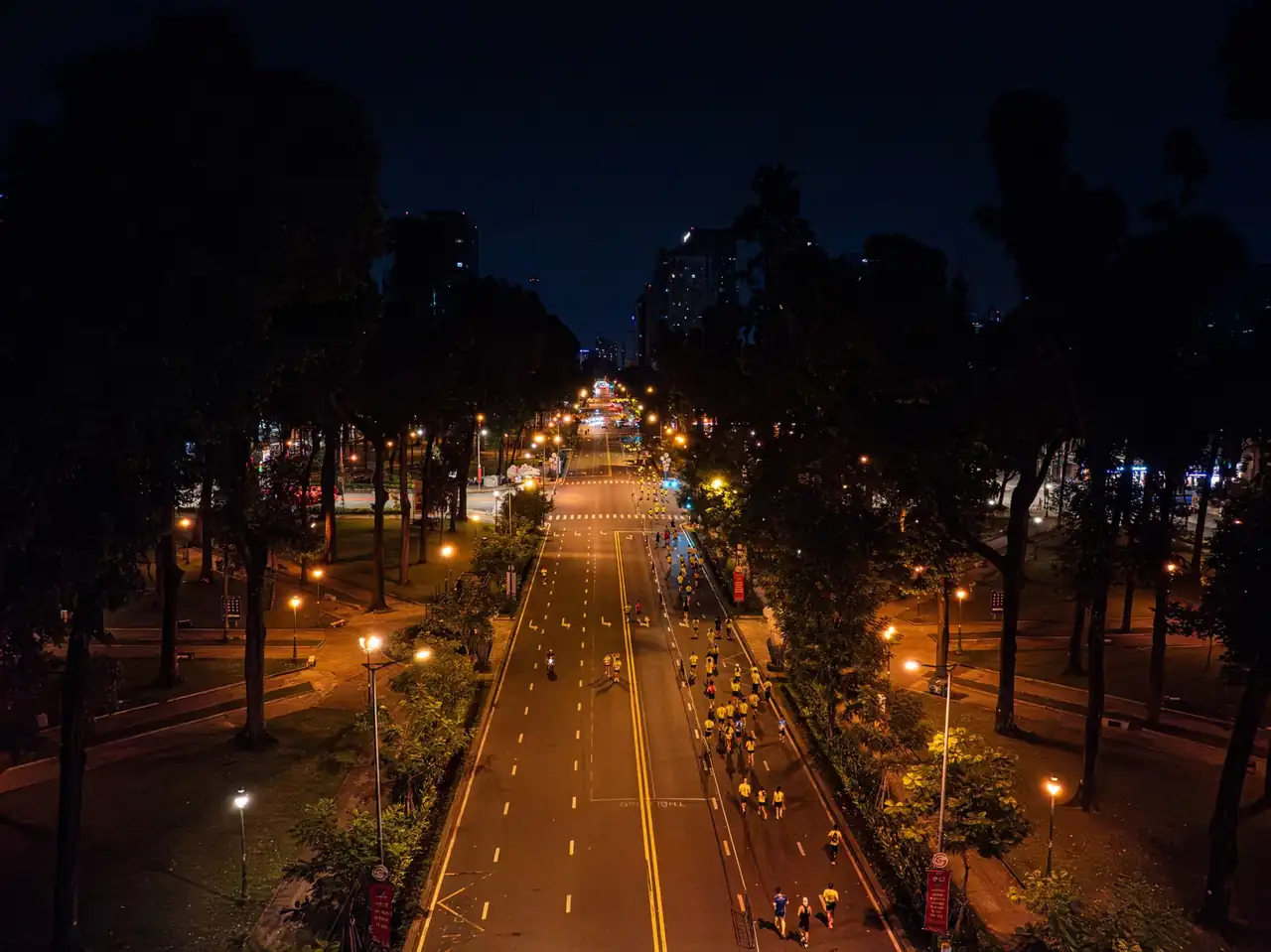
The second edition of the Los Lagos night race is scheduled for October 30, 2026, at 7 p.m. in Alginet, according to the updated event information. The announced course covers 8.2 kilometres with about 200 metres of positive elevation; entry costs 10 euros and includes a technical shirt. Organizers also consider a headlamp essential.
The date matters because earlier posts listed July 18 at 9:30 p.m. as the start. The latest information identifies October 30 as the new date, so it is worth distinguishing the updated schedule from initial announcements that may still be circulating. The race takes place around Los Lagos and combines a popular event format with elevation changes and the conditions of a night race.
Date, start time and event status
The race is now listed for Friday, October 30, 2026, at 7 p.m. in Los Lagos, Alginet. The change from the original announcement — July 18, with a 9:30 p.m. start — explains why some pages and posts may show different details. For travel planning, the day and time in the updated listing are the latest available reference.
The difference between the two start times is significant: late October gets dark earlier than July, so a 7 p.m. start will take place in low light or after dark. That context helps explain why a headlamp is central to the event, not an optional extra for runners who prefer more illumination. Temperatures and trail conditions may also differ from those of a summer race.
The information provided keeps the entry fee at 10 euros and says registration remains open. No specific capacity or detailed policy for transfers and refunds is confirmed here. Runners who registered for the previous date should check the organizer’s instructions, particularly whether their entry carries over to the rescheduled event.
A short course with climbs and descents
The proposed 8.2-kilometre distance makes the race accessible to many recreational runners, although the profile means it should not be treated like a flat 10K. The course description highlights a succession of rolling rises, climbs and descents, with about 200 metres of positive elevation. It is not a long mountain race, but those changes in gradient can increase effort and disrupt a steady pace.
On a rolling route, the watch does not tell the whole story. Trying to hold the same speed on a climb and a favourable section can lead to using too much energy too early. It is more sensible to regulate effort, slightly shorten the stride on climbs and avoid braking sharply on descents. In darkness, it is also harder to read the ground in advance, so every footfall calls for attention.
The distance may look modest on paper, but the difficulty will depend on the placement of the hills, the surface and the conditions that night. Runners who usually train on flat roads will feel a different load in their calves and quadriceps; for those already accustomed to trails, the challenge will be adjusting to limited visibility and keeping their footing secure as the profile changes.
Entry, price and included shirt
The announced entry fee is 10 euros per participant and includes a technical shirt. The available information says participants choose a size during registration. The shirt is part of the fee, but it does not replace the equipment needed for running at night: a technical top does not light the course or make its wearer visible on its own.
The event listing says registration is still open. It does not specify a confirmed number of available places or details such as administration charges, deadlines for changing registration details or refund terms. Because the date has changed, these points may be particularly relevant to runners who completed registration before the update. Final information about their entries depends on the organizer’s instructions.
The fee gives runners the entry cost, but not every logistical detail for race day. The time and place for bib collection, the precise start location, available services and shirt distribution are not specified in the reference information. Those details should not be assumed: the published start time and fee do not, by themselves, settle all the logistics.
Categories and recreational-race format
The race includes Under-20, Elite and Veterans categories and is presented as open to different ability levels. This format can bring young, adult and older runners together in one event, although the category names alone do not establish their age limits. The available information does not specify the birth years assigned to each division.
Runners who want to compete in a particular category should therefore check the current regulations before registering or preparing for the race. Nor should awards, age requirements or classification rules be inferred unless they have been expressly announced. These details can affect both registration and results in recreational events, so they need confirmation from the organizer.
An open format does not mean the course will feel equally straightforward to everyone. Experience on hills, familiarity with trails and confidence running at night may matter more than the total distance. For a first night race, previous practice on uneven ground and knowing how to use a headlamp are more useful than focusing only on race pace.
Why a headlamp is essential
The event recommends a headlamp, and its race information describes one as essential. A light helps runners see changes in gradient, bends and obstacles, while reflective details make them easier for others to spot. A stable, well-fitted lamp with enough battery is more useful than a device that bounces with every stride or switches off before the finish.
It is worth testing the equipment during a training run rather than trying it for the first time at the start. That makes it possible to check that the strap does not bounce, the beam reaches a comfortable distance and the controls are easy to use without stopping. The light should illuminate the ground nearby and help runners anticipate changes in surface. Reflective clothing complements a light but does not replace it.
Shoes should also match the actual surface. The description mentions a natural setting and a rolling profile, but does not detail every surface on the course. It is therefore not possible to say that a specific trail shoe is required: a grippy outsole may help if the route includes paths, but the choice depends on the final course. Avoiding new shoes or socks on race day is sensible, since rubbing can become more noticeable during the event.
Alginet and the atmosphere of an evening race
Los Lagos in Alginet offers a different setting from an urban race on straight, fully lit streets. The combination of a natural environment, short climbs and an evening start may make runners more aware of sounds and changes in the ground. The appeal of running at night does not remove the demands: low light changes how runners anticipate each footfall.
The event is designed as a popular race over a manageable distance, not a long-duration competition. That format may appeal to both road-racing regulars and runners looking for a route with more elevation. A relaxed atmosphere, however, does not replace basic precautions or the rules announced for the start, course and interaction between runners.
The surroundings also call for respect for shared spaces. Following signs and staff instructions on paths and residential roads helps prevent wrong turns and unsafe crossings. Runners should not leave wrappers or other waste on the course. When visibility falls, staying on the route and paying attention to people nearby helps make the experience safer for the whole field.
What changes when the race moves from July to October
The original announcement placed the race in July at 9:30 p.m.; the updated information moves it to October 30 at 7 p.m. The change affects more than the calendar. October has fewer daylight hours and temperatures may be cooler, although conditions will depend on the day. An earlier start does not mean the course will be as bright as it is in full daylight.
The seasonal shift also affects preparation. In summer, heat retained after sunset can be the main discomfort; in autumn, cool air and humidity may influence how the temperature feels and how the ground grips. The exact weather cannot be predicted weeks ahead, so clothing should be chosen according to conditions closer to race day, not the July announcement.
It is also worth checking any post that still shows the former start time. A listing with July 18 and a 9:30 p.m. start describes the initial plan, not the later update. The announced new date is the reference for calendar planning, although operational details may change if the organizers issue further instructions.
A race whose appeal also depends on safety
The event brings together several less common features for a short race: a night start, 8.2 kilometres and around 200 metres of accumulated ascent. That combination offers a different experience, but calls for attention to the profile and equipment. Speed matters less if it means running blind or descending without control; on a night like this, steady effort and visibility are part of performance.
The date change addresses the main uncertainty in the initial announcements, which placed the event in July. Some details still need to be checked with the organizers, including bib collection, arrangements for runners already registered and any later course changes. The 10-euro entry fee, shirt, categories and distance describe the published event, but they do not replace full race regulations.
With the event scheduled for October 30 at 7 p.m., Los Lagos joins Alginet’s popular race calendar with a course that calls for changing pace and looking beyond the stopwatch. The best image of the race is not a straight road under floodlights, but a line of lights moving over rises and descents. To enjoy it, the night should be part of the course, not a surprise no one prepared for.



How to prevent thigh chafing: causes and real solutions

Women’s running windbreakers: seven jackets and how to choose

Do more workouts get rid of soreness? A guide for runners

Jaén Half Marathon 2026: Record 3,800 Runners Registered

Men’s short running tights: how to choose the right pair

World Triathlon confirms data breach involving medical data

Izan Edo targets podium at Miyazaki World Cup

María Pérez ranks ninth in World Athletics’ 2026 top ten

Dos Santos, Duplantis and Sawe: World Athlete of the Year finalists

San Silvestre Vallecana 2026: 42,000 places, prices and start times

 Races3 months ago
Valencia Half Marathon 2027: date and registration

 Races3 months ago
Valencia Marathon 2026: entry, ballot and course

 Reviews and Comparisons4 months ago
Asics Gel-Roadmiles 3 for men: review and current price

 Reviews and Comparisons4 months ago
Asics Gel Sonoma 8 Gore-Tex: complete analysis for trail and rain

 Sneakers3 months ago
Saucony Endorphin Pro 4: full review and verdict

 News5 months ago
Strava API 2026: what changes for clubs, challenges and runner apps?

 Reviews and Comparisons5 months ago
Nike Alphafly 3: opinions, sensations, and real key points

 Reviews and Comparisons4 months ago
Under Armour running shoes review 2025-2026: models and key features

 Sports Equipment4 months ago
Shoe sizes in cm: a clear guide to getting the right fit for your footwear

 Sneakers3 months ago
Skechers GO RUN Consistent 2.0 analysis: comfort and limits

 News5 months ago
Valencia Marathon 2026 route: key tips to train and run better

 Sneakers4 months ago
Adidas Adizero Boston 13 for men: review and verdict