Races
Madrid También Solidario race 2026: date and course
The Madrid event combines road races and inclusive sport, though several practical details are still to be confirmed.

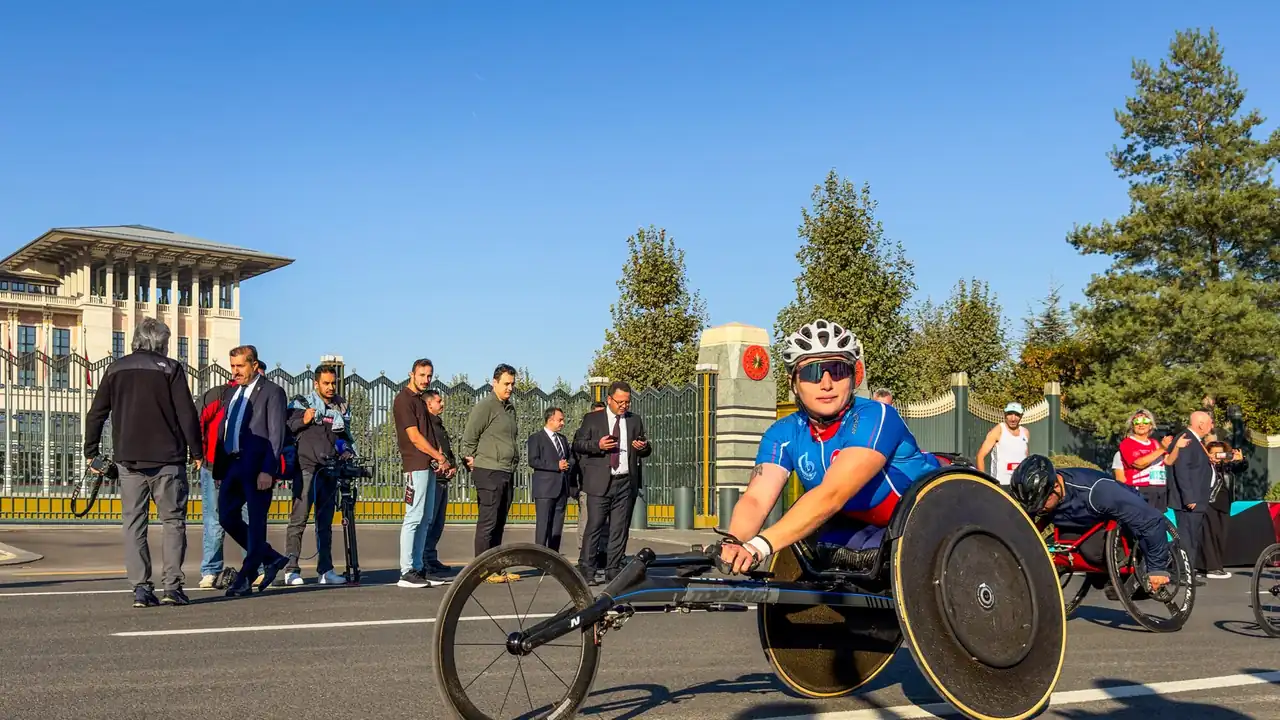
The 15th edition of the Madrid También Solidario Popular Race is scheduled for Sunday, Nov. 15, 2026, in Madrid. Available information places the event in Valdebebas and lists 5- and 10-kilometer races, as well as an inclusive 1-kilometer activity. The two adult races are listed with a shared 10 a.m. start; the 1-kilometer event is expected to start at 11:45 a.m.
The event stands out for bringing popular races and inclusive sport together on the same day. However, not all practical details are confirmed to the same degree: the final course map, entry fee, registration process and exact start and finish addresses have not been provided. Some calendars also publish a different date. The Nov. 15 date should therefore be considered alongside the recommendation to check the official event announcement before arranging travel.
A popular event with an inclusive purpose
The event’s name reflects its dual character: a race open to everyday runners and an initiative linked to the participation of people with disabilities in sport. The information reviewed connects the event with Fundación También, an organization focused on adapted sport. The day is intended to bring participants with different abilities and experience levels together, making running a shared activity rather than only a timed challenge.
At a conventional race, attention tends to focus on pace, elevation or a personal best. Here, inclusion is part of the event’s stated purpose: descriptions refer to runners and athletes using handbikes, as well as a 1-kilometer activity designed to make it easier for people with different abilities and families to take part. Accessibility is not an extra detail; it is one of the event’s defining features.
The name indicates that the event will reach its 15th edition in 2026, although the available information does not provide a complete history of previous years or show how each distance has evolved. Nor should the event’s charitable character be taken to mean that a specific amount of every entry will go to a cause: the information provided does not specify donation amounts, percentages or terms. Those details should appear in the rules or the organizer’s communications.
Date and expected November start times
The date listed for the event is Nov. 15, 2026. The race schedule places the 5- and 10-kilometer events at 10 a.m., while the 1-kilometer event is expected to start at 11:45 a.m. These times help participants plan the morning, but the reference information does not say when access areas will open, when starting corrals will close or when race bibs can be collected.
One discrepancy deserves attention: some sports-calendar listings mention Nov. 8, a week earlier, while other event information places the race on the 15th. The date provided for this edition is Nov. 15 and is described as confirmed, but the conflicting listings make it advisable to verify the date through official channels before booking transportation or accommodation. A date repeated across several aggregators is no substitute for the organizer’s latest announcement.
It has also been reported that the 5- and 10-kilometer races would share a start arch. If that format remains, the common start time could affect how participants are arranged and how the opening section flows, but starting corrals, start order and rules for participants using mobility devices have not been published. The later 1-kilometer start would separate that activity from the adult races, although the full schedule may include other times not described in the available information.
Distances and race formats: what has been announced
The published plan includes 5- and 10-kilometer asphalt races, together with an inclusive 1-kilometer event. The two longer distances offer different challenges: the 10K is a sustained effort for those aiming to compete or complete a familiar distance on the popular-race calendar; the 5K is shorter, while the inclusive kilometer puts the emphasis on taking part together.
References to handbikes and athletes with reduced mobility indicate that the event aims to accommodate different ways of moving around the course. Still, an inclusive intention does not confirm specific accessibility features. There is not enough published detail on minimum course width, surface, turns, ramps, passing areas, companions or assistance. Anyone who needs specific accommodations should check the rules when they are published.
Some listings describe the event only as a 10-kilometer race, while others include the 5- and 1-kilometer distances. This may reflect incomplete listings or the fact that each platform highlights a different event. For now, the more detailed information describes all three options, but the final schedule should clarify whether each will take place in this edition, whether separate registration is required and which categories or conditions apply.
A Valdebebas course still awaiting full details
Available descriptions place the course in Valdebebas, a neighborhood in northern Madrid with broad avenues and green spaces. The event is presented as an asphalt race on roads in the area. However, there is no complete official map or verifiable information about the elevation profile, turns, checkpoints or final finish-line location.
One listing mentions Calle de las Fuerzas Armadas as the usual start and finish location, but that wording is not enough to confirm it as the exact 2026 venue. The information also does not specify which parts of the area around Felipe VI Forest Park would be included. The reference to Valdebebas identifies the neighborhood; it does not replace a final map or address, details that matter for getting there, parking or coordinating with others.
Wide avenues may make it easier for participants to share the route, but accessibility depends on much more than road width: pavement quality, gradients, separation of traffic flows and the handling of crossings also matter. Without a published course, it is not possible to say with precision whether the route is flat, circular or suitable for every type of device. The organizers will need to provide those details so participants can assess each option with adequate information.
Registration, entry fees and services: details still missing
The available information does not include a verifiable registration link, an official entry fee or a closing date. A third-party listing estimates that adult races may cost between 10 and 15 euros, but that figure has not been confirmed as the price for this edition and should not be treated as current. The number of race bibs, categories, transfer or refund policies and age requirements have also not been specified.
Another page describes services such as chip timing, a commemorative T-shirt, insurance and refreshments. Without direct confirmation for the 2026 event, it would be unwise to assume these are included in registration. What comes with a race bib can vary by distance and fee, and services may change from one year to the next. The official rules and registration form should state what each participant receives.
Before registering, participants should verify the responsible organization, participation conditions and race-bib collection process. For an event with several formats and inclusive participation, administrative information should also explain how to request an accommodation and whom to contact about logistical needs. Until those details are published, there is not enough basis to recommend a particular platform or describe the payment process.
Preparing for a 5K or 10K without confusing the goals
Preparation depends on the chosen distance, a runner’s experience and physical condition. For completing a 5K, a steady base of easy running and gradual progression are generally more useful than packing several demanding sessions into a few days. Someone planning to run 10K may need to become accustomed to sustaining effort for longer, but training volume and intensity should suit their current fitness. Consistency and recovery matter more than one isolated week of hard training.
In the weeks beforehand, controlled-pace sessions can help runners recognize a sustainable effort, provided they are already part of an established routine. It is not a good idea to start a demanding plan close to race day or compensate for missed workouts with sudden increases in training load. Anyone with persistent pain, a recent injury or a medical condition affected by exercise should consult a health professional before increasing activity.
On race day, starting too fast can turn the opening minutes into an invisible hill: the pace feels easy until accumulated effort catches up. A conservative approach makes it easier to assess how the body feels and save some energy for the final stretch. For those returning after a break, finishing comfortably may be a more sensible goal than chasing a time. There is no universal pace that works for every participant.
Gear, weather and accessibility on race day
An urban asphalt course usually favors road-running shoes, but the choice should be based on a model that has already been tested and feels comfortable, not a new pair. Changing shoes on race day can cause blisters or discomfort that would have been caught during training. It is also worth checking the forecast as November approaches: mornings may be cool and conditions can change, so clothing should allow runners to warm up without feeling overdressed during the race.
Pre-race hydration and food depend on the expected duration and each person’s habits. Many runners can complete these distances without consuming products during the course, but there is no single rule. It makes sense to avoid experiments on race day and stick with a familiar routine. Breakfast and any drink or supplement should have been tried beforehand under similar conditions, especially for anyone with digestive sensitivities.
Participants using a handbike, sports wheelchair or another device will need specific information about the surface, turns, shared sections and start rules. The same is true for people taking part with children or anyone who needs support. The general event description points to an inclusive approach, but practical conditions can only be assessed using the final rules and map. Clear information on assistance, access and evacuation is also part of accessible event planning.
What to verify when the schedule is published
The first detail to confirm is the date, because external calendars differ between Nov. 8 and Nov. 15. Participants should then check the final distances, start times, starting point and finish address. A downloadable map would make it possible to review the route in advance and distinguish each event’s course, which matters for estimating finish times and planning transportation.
Entry fees, what they include, registration deadlines and the terms for changing or canceling an entry will also need to be reviewed. If a charitable contribution is offered, the rules should explain which organization receives it and how it is handled. Accessibility information on permitted devices, companions, assistance and pavement conditions is essential as well. Clear details help make participation safer and allow everyone to decide with confidence.
The Madrid También Solidario Popular Race brings together elements that set it apart from an event focused solely on personal times: several distances, an inclusive format and an urban setting in Valdebebas. The 2026 event is listed for Nov. 15, but some practical information has yet to be published or appears in conflicting versions. The value of the day will depend not only on its purpose but also on an organizer able to translate it into clearly explained, accessible courses, schedules and conditions.
Where to stay in Madrid
Hotels available 14–16 November 2026.
Affiliate links: if you book through this map we earn a commission, at no extra cost to you.



How to prevent thigh chafing: causes and real solutions

Women’s running windbreakers: seven jackets and how to choose

Do more workouts get rid of soreness? A guide for runners

Jaén Half Marathon 2026: Record 3,800 Runners Registered

Men’s short running tights: how to choose the right pair

World Triathlon confirms data breach involving medical data

Izan Edo targets podium at Miyazaki World Cup

María Pérez ranks ninth in World Athletics’ 2026 top ten

Dos Santos, Duplantis and Sawe: World Athlete of the Year finalists

San Silvestre Vallecana 2026: 42,000 places, prices and start times

 Races3 months ago
Valencia Half Marathon 2027: date and registration

 Races3 months ago
Valencia Marathon 2026: entry, ballot and course

 Reviews and Comparisons4 months ago
Asics Gel-Roadmiles 3 for men: review and current price

 Reviews and Comparisons4 months ago
Asics Gel Sonoma 8 Gore-Tex: complete analysis for trail and rain

 Sneakers3 months ago
Saucony Endorphin Pro 4: full review and verdict

 News5 months ago
Strava API 2026: what changes for clubs, challenges and runner apps?

 Reviews and Comparisons5 months ago
Nike Alphafly 3: opinions, sensations, and real key points

 Reviews and Comparisons4 months ago
Under Armour running shoes review 2025-2026: models and key features

 Sports Equipment4 months ago
Shoe sizes in cm: a clear guide to getting the right fit for your footwear

 Sneakers3 months ago
Skechers GO RUN Consistent 2.0 analysis: comfort and limits

 News5 months ago
Valencia Marathon 2026 route: key tips to train and run better

 Sneakers4 months ago
Adidas Adizero Boston 13 for men: review and verdict