Races
Mahora Popular Race 2026: date, price, and key details
Mahora is preparing an 8 km race with schedules, bib numbers, capacity, and key services for runners.

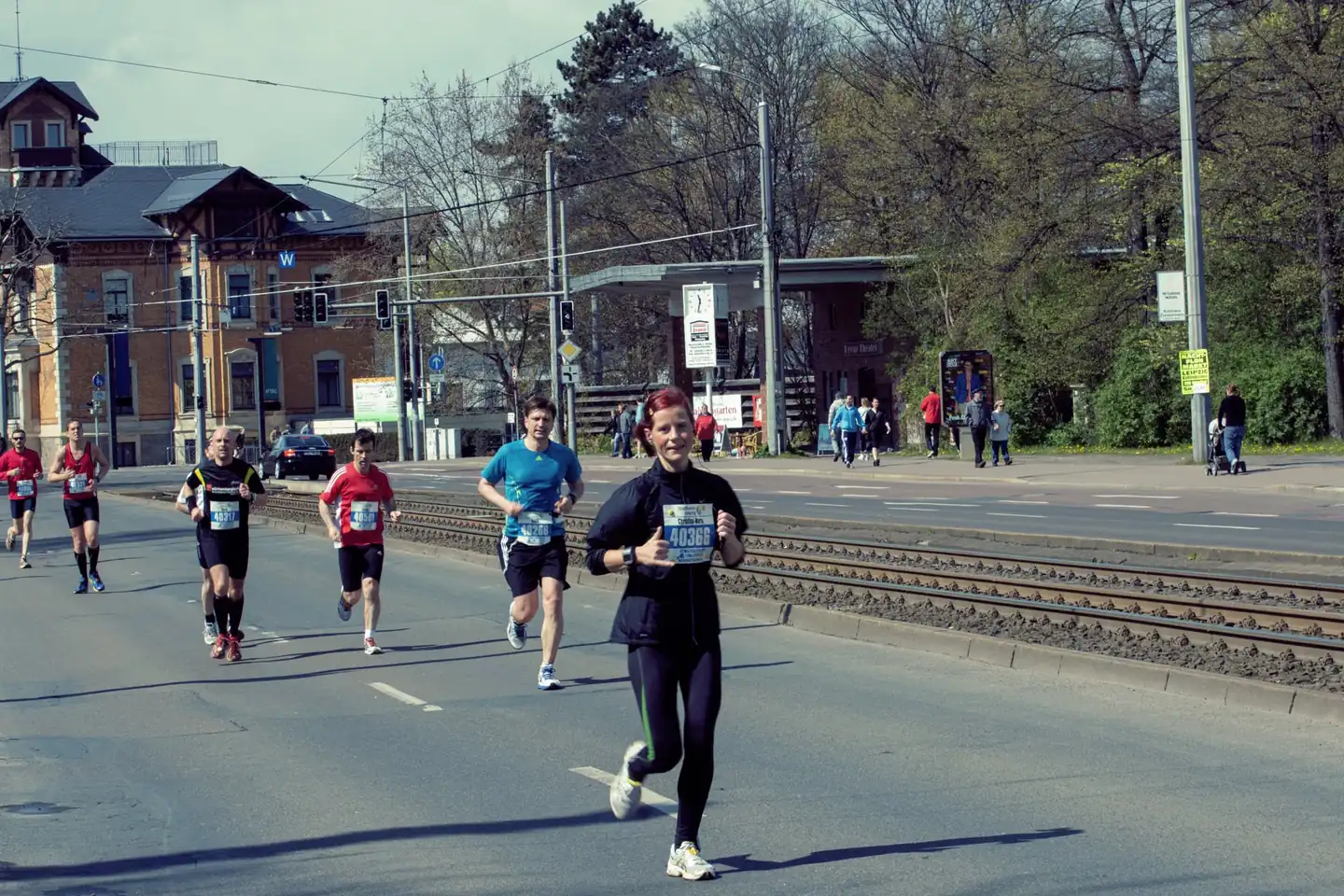
The Mahora race in the Albacete provincial circuit once again puts on the map an 8-kilometer course that combines village atmosphere, July heat, and an organization designed to absorb hundreds of runners on a summer night. The event is set for July 18, 2026, at 9:00 p.m., with start and finish at Plaza de la Mancha, a central point that concentrates both the logistics and the social pulse of the race.
Registration for the 2026 edition is set at 10 euros for runners registered in the circuit and 13 euros for non-registered runners, while the kids’ area is listed at no cost, at 0 euros. The field is capped at 700 participants, a figure that helps measure the interest generated by this popular event, quick to identify on the calendar and highly recognizable within the province’s summer athletics scene.
A short, demanding race that is very much part of the provincial calendar
Mahora’s course belongs to that family of events that do not deceive: 8 kilometers with a difficulty level classified as short and middle distance, type C. It is not a long distance, but neither is it a stroll. On July nights, when the body is still carrying the day’s accumulated heat, every kilometer weighs a little more and managing effort ends up mattering as much as raw speed.
That balance between accessibility and demand explains much of the race’s appeal. For regular circuit runners, Mahora works as a very measurable appointment: it allows you to push, compare sensations, and chase paces without the fatigue of a longer race. For those approaching a popular race for the first time, the format is less intimidating than a big 10K, but it still retains the competitive atmosphere and classic stamp of road running.
The date matters too. July 18 places the race right in the middle of summer, with a night start at 9:00 p.m. that tries to avoid the hottest hours. Even so, the Albacete summer sets the tone: hydration, light clothing, and a cautious reading of pace remain part of the script, even for those arriving with fresh legs and eager for a fast time.
Schedules, start, and finish in the heart of Mahora
The organizers set the start at Plaza de la Mancha and use that same location as the finish line, a decision that simplifies public follow-up and organizes the logistical flow of runners and volunteers. When start and finish share the same setting, the race gains narrative clarity: the town becomes a loop, a square, and a point of return, with the runner always crossed by the presence of neighbors, encouragement, and urban landmarks.
The finish line closing time is set for 10:15 p.m., a window that fits an 8-kilometer race and leaves a reasonable amount of time to complete the effort without excessive rush. That timeframe also reveals the popular character of the event: it is not a race designed only for the fastest, but an open call to different paces, always within a controlled and clearly defined format.
Bib pickup is concentrated on the Paseo de la Plaza de la Mancha, from 7:00 p.m. to 8:30 p.m.. Collection will be done through the Check-In Sport system, a formula that is already common in many races and streamlines the handout process. In events with a good turnout, that pre-race stage is almost as important as the start itself: avoiding queues, arriving with time to spare, and having the bib ready reduces unnecessary stress before the effort.
Price, field size, and minimum age: the numbers that shape registration
The administrative picture of Mahora is quite clear. The price for participants already registered in the circuit is 10 euros, while the fee for non-registered runners is 13 euros. The difference is not huge, but it does reflect the usual logic of provincial circuits: rewarding continuity for those who follow the calendar and making it easier for runners who join on a one-off basis.
The limit of 700 runners adds another key detail. It is not a symbolic figure; it affects the registration pace and helps explain why these races tend to combine loyalty with opportunity. Popular races with a defined cap have their own clock: those who arrive late may be left out, and those who register on time usually find a more orderly experience, with less congestion in basic services.
A minimum age of 16 is also listed, a threshold that places the event within the category of popular participation with a certain level of physical maturity in mind. This is no small detail. In races of this type, the minimum age acts as a safety filter and also as recognition that 8 kilometers in summer require a reasonable base of preparation, even if the goal is not competitive.
Refreshment points and course: three liquid stations for a July night
The most useful clue for understanding the course comes in the form of support: three liquid refreshment stations. In an 8-kilometer race that may seem modest, but in reality it says a lot about the attention given to the day’s conditions. In July, water is not an accessory; it is a central part of the race design and a factor that can make the difference between a solid run and a tough experience.
The distance, though not long, usually calls for a simple and sensible strategy. The initial pace may feel comfortable because of the excitement of the start, but heat and accumulated effort eventually reveal whether the race is being managed well. Mahora fits that classic summer-popular-race pattern: familiar streets, a close-knit atmosphere, and a route where consistency often matters more than sudden bursts.
The label of short and middle distance sums up the kind of challenge very well. This is neither a technical mountain race nor a half marathon built on endurance, but a road race that leaves room for speed while demanding composure. In athletic terms, it is a very rewarding format for those looking to work on threshold, race feel, and pace changes without entering long distances.
Mahora’s place within the Albacete provincial circuit
The event does not exist in isolation. It is part of the 25th Provincial Popular Race Circuit 2026, a structure that gives continuity to the calendar and turns each race into a piece of a larger story. In this context, Mahora is not just a local race: it is a stop on a map of competitions spread across different municipalities in the province and sustaining a deeply rooted running culture in Albacete.
That fit within the circuit also explains the interest in standings, participants, and results. Provincial competitions do not end on race day; they generate follow-up, comparisons, and a season-long memory that interests runners, clubs, and fans. In Mahora, as in other venues on the calendar, sporting value blends with community value, giving the event a depth that goes beyond the stopwatch.
The presence of teams, clubs, and local runners reinforces that dimension. Provincial popular races often function as a shared fabric where regular athletes, first-timers, and neighbors watching the pack all cross paths. In Mahora, that mix is part of the event’s identity and helps explain why an 8-kilometer race can generate so much loyalty year after year.
What kind of runner is best suited to this race
Mahora favors very specific profiles: runners looking for a fast, manageable race with a circuit atmosphere. Anyone arriving with a solid aerobic base will find an ideal distance to push hard, but also enough to suffer if they go out above their means. That dual nature makes it a very useful race for gauging summer fitness.
It is also an appealing event for those who value the experience more than the result. The night setting, the square as the operational center, the closeness of the public, and the village format give the event a recognizable texture, almost like an old clock: the race advances through streets that seem to measure effort at a different tempo, more human, less mechanical. In that setting, even those not fighting for the podium find a reason to return.
The 2026 edition also arrives with competitive references already known from the previous season. In 2025, the race was held on July 26 and also kept the 8-kilometer distance, although with a slightly lower registration fee for those already registered. That kind of continuity helps read the race as a well-established event, with a stable base and no abrupt changes in its essential structure.
What the results reveal and the sporting reading of the race
The standings of a popular race say much more than a simple list of times. In Mahora, the men’s and women’s podiums show the variety of profiles that converge in an event like this: athletes with very different paces, reference clubs, and runners using the circuit to gauge months of training. That overlap between performance and mass participation is what gives depth to a well-established popular race.
In 2025, for example, the race showed fairly compact times at the front, with finishes around thirty minutes on the women’s podium and a little over 26 minutes in the men’s race. Those figures are consistent with an 8-kilometer course and with a race where heat can toughen even the most controlled paces. The message is clear: Mahora rewards consistency and punishes improvisation.
That is why, for the average runner, the interest in the race does not end with the overall standings. Categories, local results, and the chance to join a provincial competition network that offers continuity throughout the summer also matter. In that sense, Mahora is a race that does not end at the finish line; it remains alive in the table, in the circuit, and in the later conversation among clubs and participants.
A summer night with its own identity in the province
The Mahora popular race has the virtue of being precise without becoming cold. Its data are clear, its format is brief, and its context is well defined: 8 kilometers, a night start, a central square, a cap of 700 bibs, and three liquid refreshment stations to support the effort in July. With that combination, the race maintains a very recognizable profile within the Albacete calendar.
In a landscape where many races resemble one another, Mahora keeps its own accent thanks to the weight of the circuit, its location, and the way it blends participation with community. Logistical information matters, of course, but so does the whole scene: the warm asphalt at dusk, the murmur before the start in the square, the sound of the group moving forward, and the finish under the same urban landmark where it all began.
That is, in the end, the value of a good summer popular race. It not only measures legs; it also organizes the time of a town and gives the runner a short but intense story. Mahora does so with the sobriety of a well-known race and with the exact pulse of those events that, without making too much noise, end up becoming an essential part of the province’s calendar.



How to prevent thigh chafing: causes and real solutions

Women’s running windbreakers: seven jackets and how to choose

Do more workouts get rid of soreness? A guide for runners

Jaén Half Marathon 2026: Record 3,800 Runners Registered

Men’s short running tights: how to choose the right pair

World Triathlon confirms data breach involving medical data

Izan Edo targets podium at Miyazaki World Cup

María Pérez ranks ninth in World Athletics’ 2026 top ten

Dos Santos, Duplantis and Sawe: World Athlete of the Year finalists

San Silvestre Vallecana 2026: 42,000 places, prices and start times

 Races3 months ago
Valencia Half Marathon 2027: date and registration

 Races3 months ago
Valencia Marathon 2026: entry, ballot and course

 Reviews and Comparisons4 months ago
Asics Gel-Roadmiles 3 for men: review and current price

 Reviews and Comparisons4 months ago
Asics Gel Sonoma 8 Gore-Tex: complete analysis for trail and rain

 Sneakers3 months ago
Saucony Endorphin Pro 4: full review and verdict

 News5 months ago
Strava API 2026: what changes for clubs, challenges and runner apps?

 Reviews and Comparisons5 months ago
Nike Alphafly 3: opinions, sensations, and real key points

 Reviews and Comparisons4 months ago
Under Armour running shoes review 2025-2026: models and key features

 Sports Equipment4 months ago
Shoe sizes in cm: a clear guide to getting the right fit for your footwear

 Sneakers3 months ago
Skechers GO RUN Consistent 2.0 analysis: comfort and limits

 News5 months ago
Valencia Marathon 2026 route: key tips to train and run better

 Sneakers4 months ago
Adidas Adizero Boston 13 for men: review and verdict