Races
Marabana 2026: date, distances and route in Havana
The iconic Cuban race marks 40 editions with four distances and a route linked to Havana’s most emblematic landmarks.

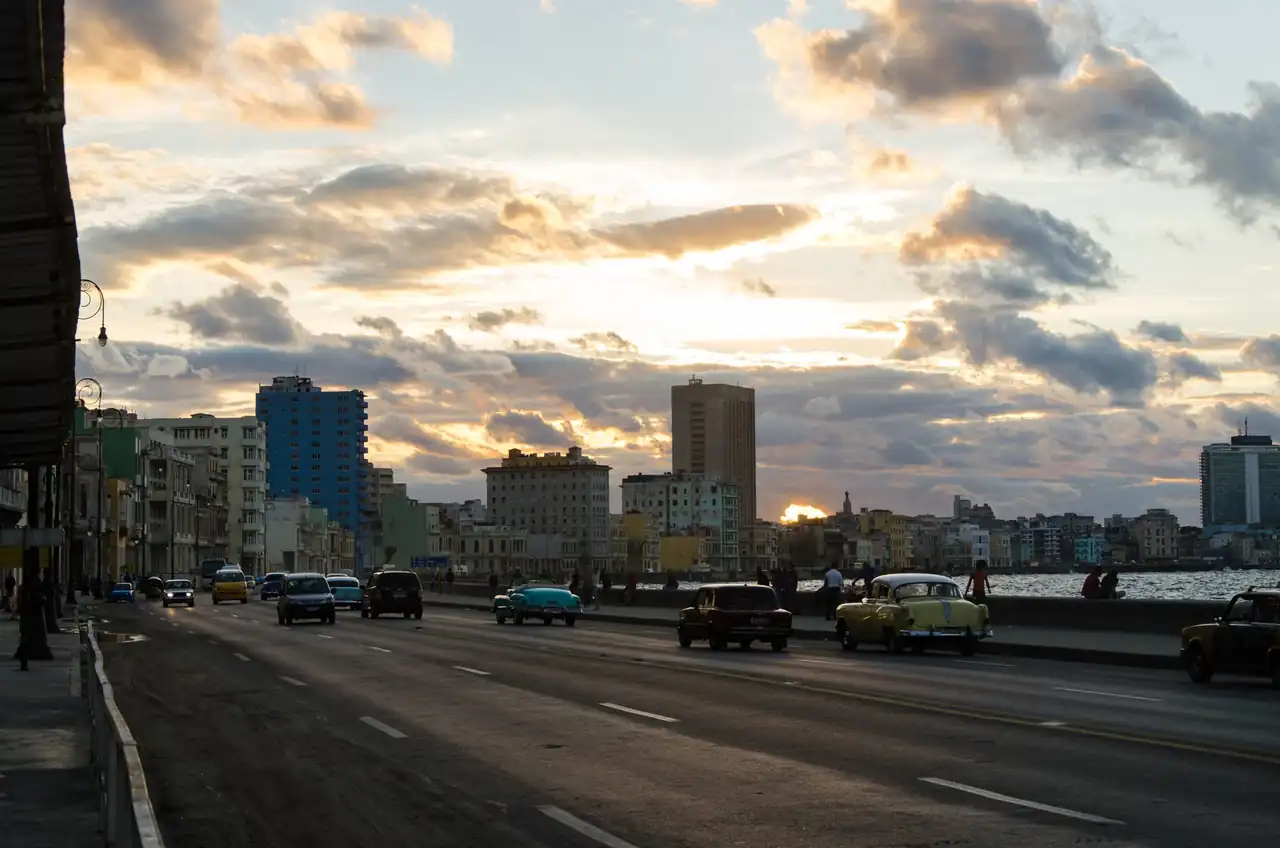
The Cuban capital will once again be transformed by running on Sunday, November 15, 2026, when the 40th edition of Marabana takes place. The event is one of the Caribbean’s best-known road races. Its start and finish will be located at Avenida Independencia and 19 de Mayo in Havana, with four options for different types of participants: marathon, half marathon, 10K and 5K.
The 42.195-kilometer race is scheduled to start at 6:00, followed by the half marathon at 6:15 and the 10K and 5K races at 7:00, according to the information published for this edition. The program also includes adapted categories for athletes with disabilities, reinforcing the open and international character of an event that combines competition, urban heritage and a popular atmosphere.
The popular race calendar places this event within the international autumn calendar. This is not just another city race: its route passes through Havana’s historic landmarks and has international certification that gives particular importance to the times achieved in the marathon and half marathon.
A 40th edition shaped by history
Marabana reaches four decades in 2026, an unusual lifespan among major popular races in the region. The anniversary makes the event a sporting celebration, but also a snapshot of the evolution of Cuban athletics and the city’s relationship with long-distance racing. For years, Havana’s streets have brought together local runners and visitors from other countries.
The anniversary arrives at a time when international races seek to offer more than a measured distance. In Havana, the appeal comes from the combination of physical effort and a recognizable urban landscape: old façades, broad avenues, the Malecón waterfront and neighborhoods with a strong cultural identity. The 40th anniversary adds symbolic value to an event that is already part of the island’s sporting tradition.
The organizers present the race as an event connected with peace, solidarity and fraternity among athletes. This explains why participation is not limited to those chasing a personal time. Some runners come for the challenge of completing a marathon, others choose the half distance, while many find in the shorter courses a way to join the citywide celebration without taking on the strain of 42.195 kilometers.
Race date, start times and distances
The event will take place on November 15, 2026, keeping the race within its traditional autumn period. The 42.195-kilometer marathon is scheduled for 6:00, an early start intended to limit initial exposure to heat and take advantage of the first hours of daylight. The half marathon will begin 15 minutes later, while the 10K and 5K courses will start at 7:00.
The time difference is not a minor detail. In a tropical city, every minute can change the thermal sensation and the level of humidity felt by the body. Participants in the longer distances will need to manage their effort from the first kilometer instead of being carried away by the start-line atmosphere. On the shorter courses, the pace may be faster, but there is still a need to regulate intensity in conditions unlike those found in much of Europe.
Four distances broaden the potential audience and allow athletes with very different goals to share the same day. The marathon requires specific preparation and mature race strategy; the half marathon is demanding but more accessible; the 10K allows fast racing, and the 5K provides an entry point for less experienced participants. Categories for people with disabilities are part of the sporting program, not an unrelated addition.
Start and finish on Avenida Independencia
The start and finish will be located at Avenida Independencia and 19 de Mayo, an area that will concentrate much of the race logistics. It will be the meeting point before dawn and the place where the day closes as the final runners arrive. In an event of this scale, the location also makes it easier for spectators and visitors to identify the competition area.
Avenida Independencia, known in much of the city for its connection with the Boyeros area, links the sporting setting with a broad road network. The information provided by the organizers places the start and finish near the intersection with 19 de Mayo. Final travel information should be checked before departure, since access routes, road closures and bib-collection times may be detailed in later announcements.
The finish has a special meaning in an urban race. After several hours of effort, participants return to the same area from which they started, but with a completely different perception of the route. The sound of groups, music and spectators transforms an avenue that began under the soft morning light. The finish line is both the operational and emotional center of the day.
A course between the Malecón and historic Havana
The longer-distance routes pass through some of Havana’s most representative spaces. The Malecón is one of the most recognizable sections, with the sea accompanying runners for several kilometers. The open landscape contrasts with the dense architecture of other areas and creates a characteristic image of the city: the waterfront wall, the Caribbean horizon and the façades facing the water.
The route also approaches neighborhoods and avenues that form part of Havana’s identity, including Vedado and the area around Revolution Square. In the marathon, this succession of settings can provide motivation when the legs begin to accumulate fatigue. Visual appeal, however, does not remove the physical challenge. Distance, heat and humidity still demand a careful distribution of effort.
Old Havana adds another layer to the course. Its buildings, squares and fortifications form part of a historic ensemble recognized by UNESCO as a World Heritage Site. Running near this heritage creates a different experience in every section, almost like moving through layers of the same city: the colonial capital, the republican city, the modern district and the waterfront appear connected by the course. The landscape is one of the race’s main distinguishing features.
International certification and the value of race times
The marathon and half-marathon courses are presented as certified by AIMS and World Athletics, previously known in historical references as the IAAF. The Association of International Marathons and Distance Races brings together events from around the world, and its certifications help confirm that a course meets specific measurement and control conditions.
In practical terms, this certification is important for runners seeking an official time in an international race. A mark achieved on a certified course may be valid for certain qualification procedures, rankings or sporting records, provided that the rules of the relevant competition are also met. Certification does not make the course easy; it provides a recognized technical and regulatory framework.
The difference between a certified race and a purely recreational route can be seen in course measurement, the management of turning points and the control of the start and finish. In a 42.195-kilometer race, a few hundred meters can change the planned pace and comparisons with other results. Homologation matters especially to runners racing against the clock, while for others its value is mainly documentary.
Heat, humidity and pacing in November
November does not mean cool weather in Havana. Available race information warns of temperatures that can approach or exceed 30 degrees Celsius, together with humidity that may make breathing feel heavier and increase thermal stress. These conditions require realistic expectations: a comfortable pace in an autumn race in Spain may be too ambitious on Cuba’s coast.
Adaptation begins before the start line. Adequate sleep, regular drinking and avoiding dehydration are basic measures, but it is equally important not to experiment with unfamiliar products during the trip. Pre-race food should remain within what each runner usually tolerates. An excessive breakfast, a new drink or a short night can matter more than a few seconds gained during the first kilometers.
During the race, the body provides signals that should be taken seriously. Dizziness, chills, confusion, very hot skin or a clear loss of coordination are not merely ordinary discomfort. The goal should be to complete the distance safely, not to reproduce a pace achieved in another climate. Heat can turn an aggressive strategy into a health problem, especially in the marathon.
Sun protection also deserves attention. A lightweight cap, sunglasses and sweat-resistant sunscreen can reduce discomfort that accumulates over time. Clothing should allow ventilation and dry quickly, while shoes must be tested beforehand. The image of a race beside the Caribbean is appealing, but humidity does not care about scenery: it clings to the skin, soaks the shirt and changes the perception of effort.
Refreshments and participant services
Information published for 2026 indicates that refreshment stations will be available approximately every 2.5 kilometers, in addition to services at the start and finish. This frequency allows runners to spread their intake and avoid drinking large quantities at once. Individual tolerance, chosen distance and conditions on race day will determine how much each participant needs.
In a hot marathon, drinking should not become a race against thirst. Hydration starts beforehand and continues during the event with reasonable amounts, without forcing consumption. Electrolyte replacement may also matter when effort is prolonged and sweating is heavy, although any nutrition strategy should have been tested during training. Refreshment stations provide logistical support, not a replacement for planning.
Bib collection for this edition is scheduled at the Tryp Habana Libre Hotel, at 23 and L in Vedado, from November 11 through 14, between 9:00 and 19:00. These details help with travel planning, but they should be confirmed in the organizers’ final information, particularly regarding documents, schedules and requirements for international participants.
Logistics can make a major difference in a race held outside a runner’s home country. Arriving with time to spare, understanding the route between accommodation and start, and checking available transport reduces unnecessary decisions on race day. It is also sensible to keep the bib, documents and race equipment in an accessible place. Logistical preparation starts before arriving in Havana.
International participation and the urban atmosphere
Marabana is open to Cuban and international athletes, and this mix is part of its identity. At the start line, runners who know every avenue stand alongside visitors discovering the city through their strides. The race becomes a meeting point for sporting communities with different motivations but the same bib.
Spectators and music add a dimension that does not appear in time tables. In the urban sections, runners may move from a broad avenue to historic façades, then hear the waterfront or spontaneous support from local residents. This variety breaks the monotony of longer distances and turns the event into a visual narrative. The city is not only a backdrop; it also shapes the race atmosphere.
The presence of adapted categories expands that idea of participation. Historical information about the event mentions options for athletes with disabilities, including categories related to wheelchair users, visual impairment and hearing impairment. The specific conditions, start times and technical requirements for each category should be checked in the 2026 regulations.
International travel also requires attention to matters beyond training. Travelers should check entry documentation for Cuba, insurance conditions, accommodation availability and rules governing sports equipment. Regulations can change and should not be assumed from previous editions. Sports registration and travel planning are two separate processes.
Which distance suits each runner?
The marathon is intended for runners who have built specific endurance and can sustain several hours of effort. Running regularly is not enough: the distance requires long runs, practice with moving nutrition and an understanding of how pace changes as fatigue appears. In Havana, heat management must also be part of the strategy from the opening kilometers.
The half marathon offers a balance between challenge and duration. It can be a sensible choice for runners experienced over 10 kilometers who have not yet completed a marathon, although it is not an easy event. Twenty-one kilometers require control, especially as temperatures rise and exposed sections take their toll. The half marathon allows runners to enjoy the course without taking on the full burden of the main distance.
The 10K usually attracts participants seeking an intense race or a fitness benchmark on an international course. The distance makes it possible to sustain a lively pace, but heat may require more cautious time expectations. The 5K, meanwhile, opens the day to those who prefer a shorter experience, groups of friends and runners who want to share the atmosphere without specific long-distance preparation.
Choosing a distance should not depend only on prestige. Completing a marathon with insufficient preparation can turn a special experience into a series of physical problems. A well-enjoyed short distance is also part of the event. The shared course does not require everyone to pursue the same challenge.
A race connecting sport and heritage
The strength of this event lies in the relationship between athletic effort and the city. Havana offers a setting that is difficult to reproduce: the sea stretches beside the Malecón, historic buildings appear on the horizon and major squares recall decisive episodes in Cuban history. Runners are not moving through a neutral course, but through a place with memory, sounds and contrasts.
Old Havana contains one of the most visible parts of this heritage. Its streets and buildings form an architectural ensemble of exceptional value, but the race also reveals other faces of the capital, from Vedado to Revolution Square. This mosaic prevents the event from becoming merely a tourist postcard. The course allows runners to observe a diverse city while pushing their bodies to their limits.
For spectators, race day offers options beyond following every kilometer. Areas near the start and finish, the Malecón and central points make it possible to watch runners without constantly moving around. Music and urban activity mean that the experience does not depend solely on the sporting result.
There is also a difference between visiting Havana and running through it. Tourism usually moves at a leisurely pace, with stops and short transfers; a race makes distances feel different. An avenue that looks close on a map can become demanding after 30 kilometers. The marathon turns the city’s geography into a physical experience.
Information to confirm before traveling
The main details of the edition are defined: date, distances, start times and general location. However, operational information may be updated in the months before the race. Bib collection, required documents, exact routes, cut-off points, medical services and rules for each category should be checked in the regulations and official announcements.
Registration is listed as open for international participants in the reference information, but no verifiable official 2026 price is provided. Fees from previous years should not be treated as current, since they may vary according to distance, country of residence, registration date or included services. The lack of a confirmed fee means old figures should not be used to budget the trip.
It is also wise to distinguish the official race website from pages belonging to agencies, hotels or travel companies. Accommodation and transport offers may be useful, but sporting information should be checked with the organizers. A date published on a commercial page does not replace the regulations, just as a schedule from a previous edition does not confirm the 2026 timetable.
The popular race map helps place the event within a broader view of available races. In this case, the geographic reference is Havana, but the trip requires specific planning because it is an international race outside Spain. Accurate logistical information matters as much as physical preparation.
Havana prepares for another running sunrise
When the first group starts, several hours of daylight will still lie ahead and the city will begin to change its rhythm. Marathon runners will face a long, demanding race shaped by the climate; those taking part in the 21K, 10K or 5K will share part of the atmosphere and the same urban reference. The 40th edition will therefore bring together different ways of understanding competition.
The Cuban race cannot be explained only by its distance, certification or place on the calendar. Its identity comes from the sum of several elements: the Malecón, Old Havana’s architecture, music, spectators, humidity and the meeting of local and international athletes. Each participant will decide how competitively to approach the race, but everyone will cross a city that leaves a different impression when experienced on foot and under sustained effort.
On November 15, 2026, Marabana will once again place long-distance running at the center of Havana. The anniversary will provide a chance to look back, but the experience will be built kilometer by kilometer, from the start on Avenida Independencia to the return to the finish. Four decades later, the race retains its ability to turn the Cuban capital’s streets into an international meeting point.
Where to stay in La Habana
Hotels available 13–16 November 2026.
Affiliate links: if you book through this map we earn a commission, at no extra cost to you.



How to prevent thigh chafing: causes and real solutions

Women’s running windbreakers: seven jackets and how to choose

Do more workouts get rid of soreness? A guide for runners

Jaén Half Marathon 2026: Record 3,800 Runners Registered

Men’s short running tights: how to choose the right pair

World Triathlon confirms data breach involving medical data

Izan Edo targets podium at Miyazaki World Cup

María Pérez ranks ninth in World Athletics’ 2026 top ten

Dos Santos, Duplantis and Sawe: World Athlete of the Year finalists

San Silvestre Vallecana 2026: 42,000 places, prices and start times

 Races3 months ago
Valencia Half Marathon 2027: date and registration

 Races3 months ago
Valencia Marathon 2026: entry, ballot and course

 Reviews and Comparisons4 months ago
Asics Gel-Roadmiles 3 for men: review and current price

 Reviews and Comparisons4 months ago
Asics Gel Sonoma 8 Gore-Tex: complete analysis for trail and rain

 Sneakers3 months ago
Saucony Endorphin Pro 4: full review and verdict

 News5 months ago
Strava API 2026: what changes for clubs, challenges and runner apps?

 Reviews and Comparisons5 months ago
Nike Alphafly 3: opinions, sensations, and real key points

 Reviews and Comparisons4 months ago
Under Armour running shoes review 2025-2026: models and key features

 Sports Equipment4 months ago
Shoe sizes in cm: a clear guide to getting the right fit for your footwear

 Sneakers3 months ago
Skechers GO RUN Consistent 2.0 analysis: comfort and limits

 News5 months ago
Valencia Marathon 2026 route: key tips to train and run better

 Sneakers4 months ago
Adidas Adizero Boston 13 for men: review and verdict