Races
Medina de las Torres Half Marathon: date, route, and details
The Medina de las Torres race combines 21.1 km, an 8K, and a rural course starting from Plaza de España.

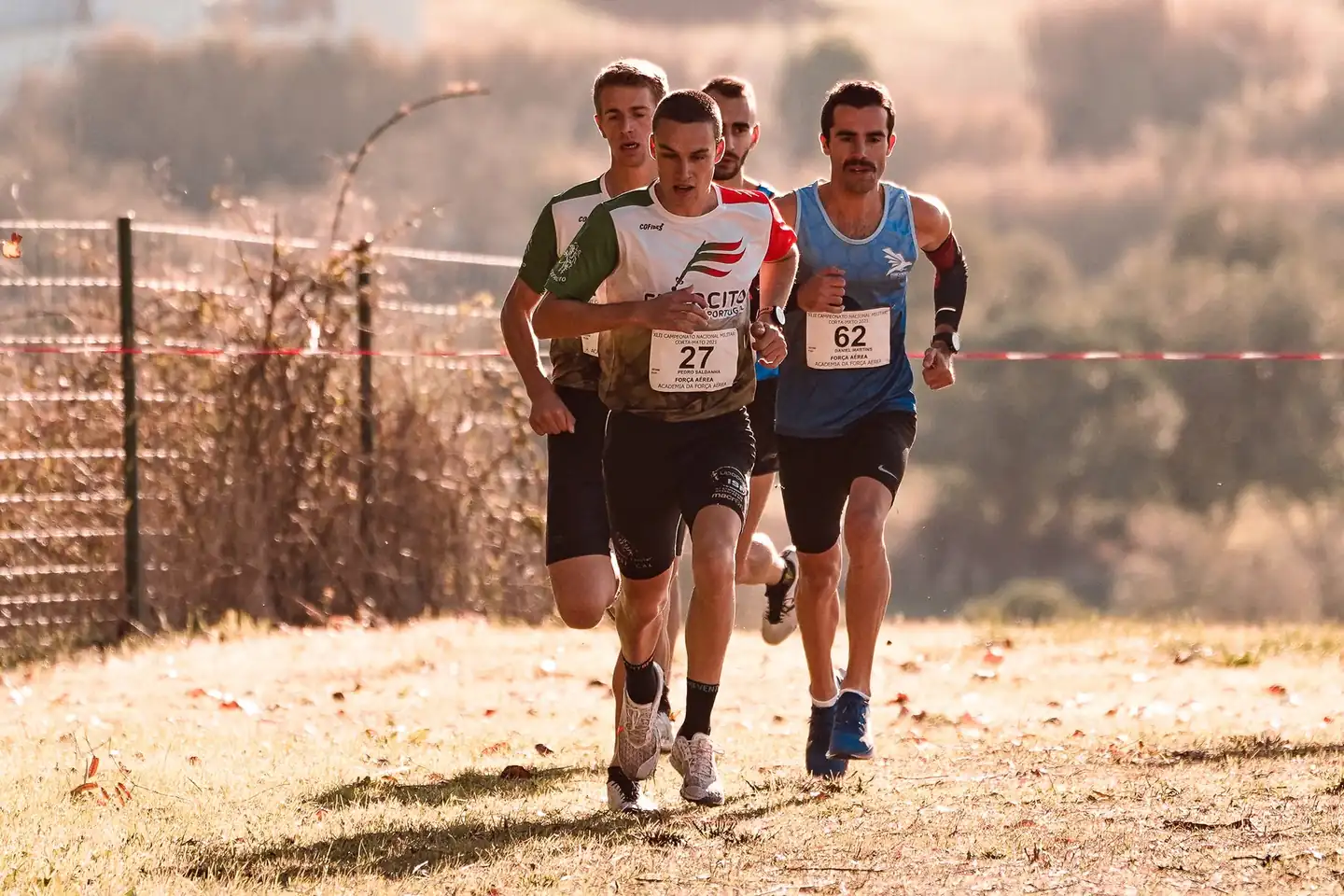
Imagen: RUN 4 FFWPU / Pexels
The Medina de las Torres half marathon reaches its fifth edition with a proposal very different from that of the major urban circuits: start and finish in Plaza de España, stretches on dirt roads, and a route that extends into the municipality beyond the historic center. The main race goes beyond 21 kilometers and shares the spotlight with a 8-kilometer promotional race, designed to broaden participation without losing the competitive edge.
The Medina de las Torres Town Hall is listed as the organizer of an event that, according to the reference information, expects several hundred runners and limits both the long and short distances to 300 bibs. That combination of a compact scale and rural route gives shape to a race with its own identity, closer to a sporting day rooted in the territory than to a simple stroll along paved streets.
A race with a municipal stamp and a regional spirit
Medina de las Torres, in the province of Badajoz, is not trying to compete with the big showcases of the Spanish calendar, but rather to offer a very recognizable running experience for those who value the scenic component and direct treatment. The start and finish in Plaza de España, next to the town hall, concentrate the atmosphere in an easy-to-identify spot that is used to serving as the civic heart of many popular races.
The race is presented as an edition with a vocation for continuity. Reaching the fifth edition matters more than it may seem: when a race survives and grows over several years, it tends to consolidate not only a distance, but also a way of understanding participation. In this case, the result is a half marathon that ventures into the municipality’s tracks and trails, with a more varied profile than that of a pure asphalt circuit.
That detail transforms the experience. The runner does not find a closed-block layout or a simple out-and-back along avenues, but an itinerary with a rural feel, where the ground and the geography matter. The type of surface and exposure to the surroundings condition the effort, the pace, and even the reading of the race, because each kilometer can feel different from the last.
Official distances and limited spots
The main race is listed at a distance of 21.1 kilometers, the usual reference for a half marathon. Alongside it appears an 8K promotional race, a useful distance for those who want to take part in the day without committing to a long effort. The organizers set a limit of 300 entrants per race, a figure that gives an idea of the manageable scale of the event and the intention to avoid overcrowding.
That limit also influences the sporting character of the event. In a rural setting, with sections of tracks and roads, the race needs a reasonable flow of athletes so as not to congest the start or passage through the narrowest areas. Lower runner density usually means more comfort in finding a rhythm, although it also requires respect for shared space in the opening stages.
The coexistence of 21.1 km and 8 km opens the door to very different profiles: runners chasing a time, beginners wanting to try a friendlier format, and local participants drawn by the sporting celebration. That mix is often one of the strengths of municipal races, because it allows the day to be more than just the preserve of endurance elites and instead function as a broad snapshot of running enthusiasm.
Start in Plaza de España and a circuit that leaves the asphalt
Plaza de España, next to the town hall, concentrates both the start and the finish. That is no minor detail: when a race begins and ends on the same symbolic axis of the town, the day takes on an almost ceremonial reading. The runner sets off between facades, empties out onto the roads, and returns to the same point, as if closing a circle that is both geometric and emotional.
The route, according to the reference documentation, combines tracks and roads within the municipal area, not just streets in the urban center. That structure turns the race into something like a moving map, with changes in footing, possible irregularities in the terrain, and a less uniform pace than on asphalt. For running enthusiasts, that detail is often decisive: the race is measured not only by the kilometers, but by how those kilometers are made.
In races like this, the body reads the ground more carefully. The stride becomes a little more cautious, the gaze moves ahead looking for references, and pacing gains nuance. Mixed terrain may seem secondary from the outside, but inside the race it affects cadence, positioning, and even the way runners drink at aid stations.
An event designed for hundreds of runners, not thousands
The forecast of several hundred participants places the race on a human scale. We are not talking about a major urban marathon with avenues packed from early morning, but about an event where runners can still recognize faces, hear a neighbor’s name, and feel the presence of the organizers at every key point. That closeness is often a value in itself, especially in towns and mid-sized cities where running blends with local life.
The limited capacity also has a practical effect: it makes for a less chaotic start and a more orderly finish. On routes with roads and tracks, excessive density can break the flow and reduce safety. For that reason, the entry limit does not seem like an arbitrary barrier, but rather a tool to protect the sporting experience and keep the event within a size the municipality can handle.
Moreover, that contained volume suggests a race with room for direct treatment of runners. Smaller or medium-sized races usually take better care of basic logistics, from signage to the finish-line atmosphere. Scale matters, because it defines the texture of the day just as much as the route itself.
October in Badajoz: moderate heat and still-changing weather
The October climate reference for Medina de las Torres points to an approximate average of 25 degrees Celsius for the high and 13 for the low, with around 35 millimeters of average rainfall. These are useful figures because they place the race in that transitional window where intense heat has already eased, but the weather can still change quickly between a cool morning and a mild midday.
In running terms, that scenario usually favors performance as long as temperatures do not rise too much during the central hours. A mild October can feel friendlier than an Extremaduran summer, but it does not eliminate the need to pace oneself and plan hydration. On a circuit with outdoor sections and mixed terrain, wind and humidity can also play a more important role than monthly averages suggest.
The race takes place at a time of year that usually offers good conditions for competition, although the statistics should not be overread. A specific day can defy the average. Even so, the temperature range in the reference suggests a reasonable context for a long effort, especially if the runner starts sensibly and avoids the too-fast opening that so often gets paid for at the end.
What kind of runner fits this route best
This type of race favors patient runners, capable of sustaining effort without obsessing over every split. Asphalt invites regularity; roads and tracks, on the other hand, demand adaptation. Those who arrive with a flexible mindset usually have the edge, because they understand that not all kilometers weigh the same and that the ideal pace is not always a straight line.
It is also an attractive race for those who enjoy the local side of running. Small municipalities often make it easier to see public support, volunteer work, and the involvement of the surroundings. In Medina de las Torres, the start and finish in the town center reinforce that sense of community that is often lost in larger, more anonymous races.
The 8-kilometer distance adds another layer of interest. It is a useful entry point for those who do not want to tackle a full half marathon, but still want to take part in an event with identity and atmosphere. Two distances, two experiences, one sporting day.
Logistics matter as much as the bib number
In races like this, the organization around the runner is often as decisive as the circuit itself. The available reference stresses that the event is promoted by the town hall and that the start and finish share the same location in Plaza de España, a setup that simplifies travel and concentrates activity in a space that is easy for participants to understand.
It also matters that the route is not limited to urban streets. When a race moves along roads within the municipal area, mental preparation changes: the runner has to think about footing, stability, and pacing, not just the stopwatch. Reading the terrain becomes part of the effort, just like in a lighter cross-country race rather than a pure trail event.
The number of available spots, the municipal character, and the mix of distances suggest an organization aimed at serving a broad public without losing control of the event. In that balance lies much of the event’s appeal: big enough to be interesting, contained enough not to get out of hand.
Why this race stands out among local half marathons
The Medina de las Torres half marathon stands out for its territorial identity. It does not copy the model of major cities or pursue an international elite profile. Its proposal is different: a town race with enough ambition to organize a full sporting day, but with a personality shaped by the landscape and institutional closeness.
Compared with asphalt circuits where everything seems predictable, here variables come into play that change the reading of the effort. The type of surface, the feeling of running through the municipal surroundings, and the coexistence with a shorter distance turn the race into something more than a date on the calendar. It is a race with a place, and that still matters today.
For the runner, that difference can be as important as the final time. There are races remembered for the clock and others for what they say about the place where they were born. Medina de las Torres belongs to this second family: races that measure not only kilometers, but also local identity and the ability to bring the community together around sport.
A finish that returns to the town center and leaves a memory
The finish image in Plaza de España has a very particular force. Returning to the same point where it all began, with tired legs and an elevated pulse, creates a sense of closure that fits the popular format well. The town center then becomes both stage and witness, like a square that gathers the effort accumulated over more than 21 kilometers.
That finish also sums up the race’s logic: a medium-scale event, with a clear municipal vocation, open to different levels, and very attentive to the territory. The Medina de las Torres half marathon does not pretend to be anything else. Its value lies precisely in being what it is: a specific race, with its own route, a recognizable setting, and an organization adapted to its size.
And that is where its journalistic and sporting interest lies. In an increasingly homogeneous calendar, races that retain a local accent stand out because they are unlike any other. Medina de las Torres offers that: a 21K with a regional feel, an accompanying 8K, and a network of roads that turns endurance into a way of reading the landscape.
You may also like: Medina del Campo Half Marathon 2026: Complete Guide.



How to prevent thigh chafing: causes and real solutions

Women’s running windbreakers: seven jackets and how to choose

Do more workouts get rid of soreness? A guide for runners

Jaén Half Marathon 2026: Record 3,800 Runners Registered

Men’s short running tights: how to choose the right pair

World Triathlon confirms data breach involving medical data

Izan Edo targets podium at Miyazaki World Cup

María Pérez ranks ninth in World Athletics’ 2026 top ten

Dos Santos, Duplantis and Sawe: World Athlete of the Year finalists

San Silvestre Vallecana 2026: 42,000 places, prices and start times

 Races3 months ago
Valencia Half Marathon 2027: date and registration

 Races3 months ago
Valencia Marathon 2026: entry, ballot and course

 Reviews and Comparisons4 months ago
Asics Gel-Roadmiles 3 for men: review and current price

 Reviews and Comparisons4 months ago
Asics Gel Sonoma 8 Gore-Tex: complete analysis for trail and rain

 Sneakers3 months ago
Saucony Endorphin Pro 4: full review and verdict

 News5 months ago
Strava API 2026: what changes for clubs, challenges and runner apps?

 Reviews and Comparisons5 months ago
Nike Alphafly 3: opinions, sensations, and real key points

 Reviews and Comparisons4 months ago
Under Armour running shoes review 2025-2026: models and key features

 Sports Equipment4 months ago
Shoe sizes in cm: a clear guide to getting the right fit for your footwear

 Sneakers3 months ago
Skechers GO RUN Consistent 2.0 analysis: comfort and limits

 News5 months ago
Valencia Marathon 2026 route: key tips to train and run better

 Sneakers4 months ago
Adidas Adizero Boston 13 for men: review and verdict