Races
Navy Christmas Cross-Country Race 2026: date and distance
A festive 7.2-kilometre race will bring civilian and military runners together in Cartagena.

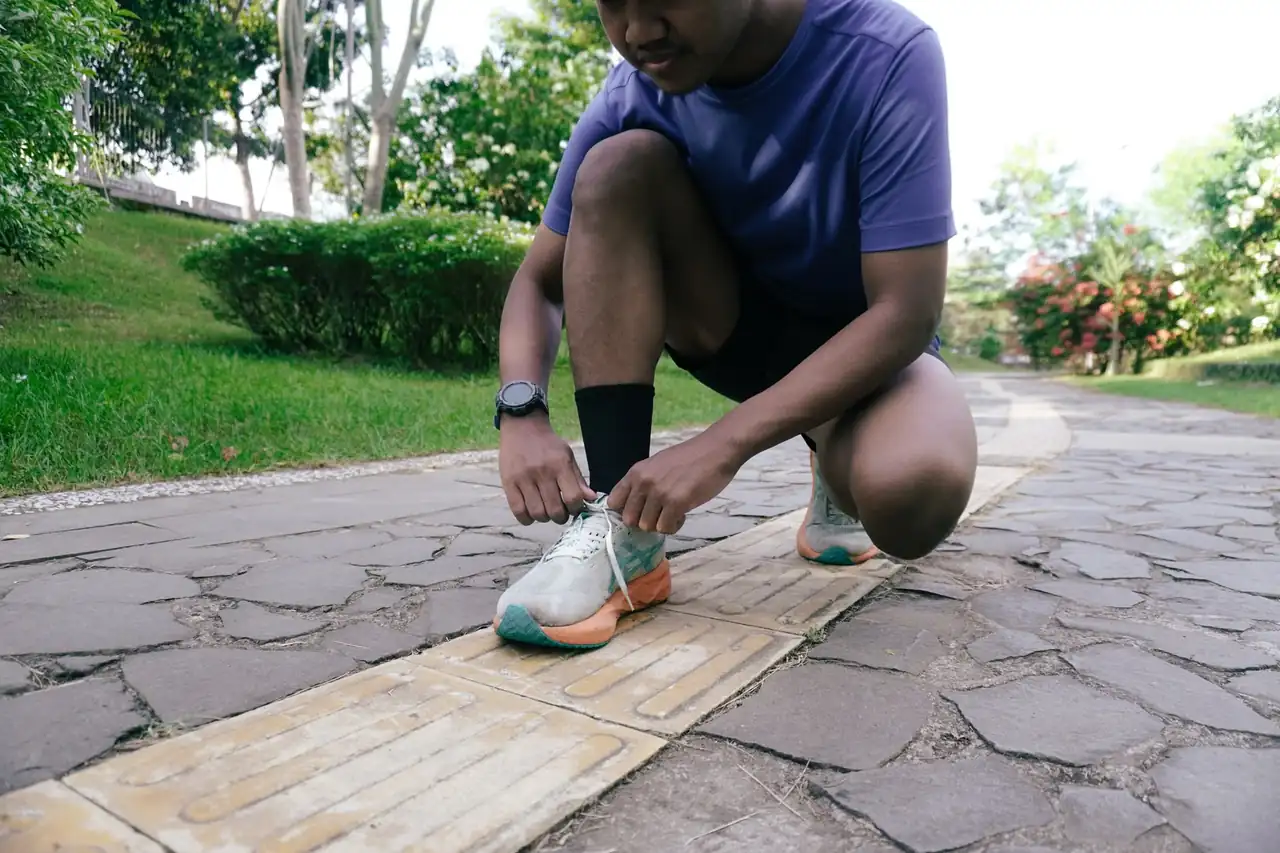
The 18th Navy Christmas Cross-country Race is scheduled for Thursday, December 10, 2026, at 10:30 a.m. at Los Exploradores Park, in the Polígono de Santa Ana area of Cartagena. The event features an approximate 7.2-kilometre course split into three laps inside the park and is intended for adult participants.
The race combines the format of a popular community event with its civil-military character. Available information lists a €12 entry fee and age-group categories, as well as a special category for military personnel and law enforcement. To read the details accurately, it is important to separate confirmed information from details that differ across event listings.
A December race at Los Exploradores Park
The 2026 edition is scheduled for Thursday, December 10, on a weekday morning, with a 10:30 a.m. start. The stated meeting point is Los Exploradores Park, in the Polígono de Santa Ana area of Cartagena. The urban setting shapes the event: the course stays within a park rather than following a long route through several neighbourhoods or along roads.
The announced course is approximately 7,200 metres and consists of three laps of the park circuit. It is short compared with a half-marathon, but long enough for pace and effort management to matter. Since the distance is described as approximate, the 7.2 kilometres should not be treated as a certified measurement or used to compare times directly with a sanctioned race.
The date and start time establish the basic schedule, but the reference information does not specify logistics such as bib pickup, vehicle access, available facilities or a course map. It also does not say whether construction, weather or other organisational needs could lead to route changes. The park and its three laps are the key published details; other arrangements will need confirmation from the organisers as race day approaches.
The kind of race on offer
The event is presented as a community cross-country race with a civil-military character. The cross-country label describes its format and park setting, but available information does not identify the surface or say whether the course includes dirt, grass, compacted paths or paved sections. It would therefore be inaccurate to assume that the entire course is grass or that it has the technical features of a traditional cross-country course.
The lap format keeps the race within a defined space. For runners, repeating the same circuit provides a clear reference: passing a familiar point makes it easier to assess pace and fatigue without relying on an unfamiliar route from start to finish. At the same time, three laps call for sustained concentration, as the first lap can feel different once the kilometres begin to add up.
One event listing describes the race as non-competitive, while the registration information mentions categories and trophies or medals. Those details do not fully explain how results will be recorded or what the classification will involve. The safest description is that the event has announced categories and a straightforward format, without attributing rules or a timing system that are not specified.
Categories and the civil-military identity
Published information includes age-group categories from Senior through Veteran C, as well as a special category for military personnel and members of law enforcement. Another listing summarises the groups as Open, Senior and Veterans A, B and C. Although the names are not identical across descriptions, the shared feature is the division into age groups and a category linked to military service.
This combination sets the event apart from a community race organised solely around times or distance. Its civil-military identity reflects the Navy’s ties to Cartagena and allows runners with different backgrounds to share the same circuit. There is not enough information to say that the special category has separate entry requirements, is restricted to particular services or offers different prizes.
The registration description also mentions trophies and medals for age categories. That provides an indication of the planned recognition, but it does not say how many awards will be given, whether men and women will be recognised separately or when the ceremony will take place. The final categories and awards should be checked in the edition’s rules, particularly by runners who need to know which group they will enter or how it will be determined.
Registration and the listed entry fee
The registration reference lists a fee of €12 for the 7-kilometre race. That is the amount shown in the available information for this edition, not a guarantee that it will remain unchanged until race day. No price tiers, processing surcharges, discounts or category-specific fees are listed.
One platform describes different options for registered users and guests. Features attributed to registered accounts include paying for multiple entries together, checking past results and being able to amend certain details or transfer a bib under the organisers’ rules. For guest entries, the same listing notes limits on the number of transactions and restrictions on refunds or transfers. These operational conditions belong to the registration system and may depend on its current rules, so they should not be treated as universal race policies.
Capacity figures are inconsistent across the references: one lists a maximum of 250 adult runners, while another gives a limit of 120 participants. A table also shows 232 bibs, which by itself does not clarify whether that means available places, registered runners or another count. Given the discrepancy, the participant limit cannot be established reliably. The definitive figure should be the one provided by the organisers through the official registration channel.
Understanding the distance and course
The 7.2 kilometres are covered inside the park over three laps, according to the event description. No map, elevation profile, path width or certified measurement is provided. It is also unclear whether runners will share the whole course with pedestrians or whether the circuit will be reserved during the event. The route can therefore be described as a short, repeated circuit, but not as entirely flat, paved or closed to the public.
In a multi-lap race, participants usually gather in the same start area, and faster runners may catch up with others along the way. The available information does not explain how this will be handled in this edition, or whether there will be starting pens or pace groups. The useful reference for anyone considering the event is the approximate total distance and the number of laps, rather than an expectation of times based on other races’ profiles.
The format may also suit runners who prefer a familiar circuit to a point-to-point route. Each lap brings the same park scenery back into view: paths, turns and shared landmarks become useful points for managing effort. Without a published map, however, it is not possible to say exactly where the turns, start and finish will be or which sections may be faster.
An event for adult runners
One listing describes the race as open exclusively to adults. It does not provide exceptions, specific minimum ages for each category or details about documents that may be required during registration. The cautious takeaway is that the event is aimed at adult participants; any questions about minors or parental consent should be resolved through the edition’s rules.
The relatively modest distance does not remove the need to take personal fitness into account. A 7.2-kilometre circuit can feel different depending on pace, experience and surface, and repeating laps does not automatically make it a casual stroll. The event description provides no training plan or medical advice, so preparation should reflect each runner’s fitness and ordinary health and safety guidance.
The community format allows people of different abilities to share the morning, but it does not mean everyone needs to run at the same pace. With several categories, participants may have different aims: completing the course, enjoying the event or competing within their group. No time limit is stated in the public information, so runners should not assume that a cut-off either exists or does not exist without checking the official rules.
Details that still need clarification
The date, time, general location, approximate distance and number of laps appear consistently in the main references. Other details are missing or differ: the stated field limit varies, the competitive or non-competitive classification is not explained, and category names are partly inconsistent. This can happen when listings reproduce information from different stages, but it is a reason to avoid firm conclusions.
A full postal address for the start is not provided, although the park and Polígono de Santa Ana identify the general area in Cartagena. The references do not include an official event website, full rules, bib collection hours, baggage storage, refreshments or accessibility information. The absence of those details from the listings does not prove that the services are unavailable; it only means they cannot be confirmed from the available information.
The entry fee is listed as €12, but runners should check whether it includes all charges and whether the stated refund or transfer conditions remain in effect. Conflicting capacity figures are another reason not to rely on an isolated bib counter. For a clear picture, the points that need confirmation are those that directly affect participation: availability, final price, rules, categories and race-day logistics.
Cartagena adds a sporting date to the Christmas calendar
December calendars often include community races that make use of the festive season without requiring long distances. In that context, the Navy cross-country event adds a local 7.2-kilometre race in a Cartagena park and brings civilian participation together with a military identity. Its scale, repeated course and morning start give it a different profile from major city races with thousands of entrants and routes running through the streets.
The edition announced for 2026 keeps the format simple: start, complete three laps and finish in the same area. A simple format does not make practical details unimportant; surface type, classification rules and actual capacity can shape the experience as much as the distance. The most solid information places the event at Los Exploradores Park at 10:30 a.m. on December 10, with a listed fee of €12 and an approximate distance of 7.2 kilometres.
Until the final rules are published or confirmed, the event is best understood as a festive community race for adults, with age categories and a special group linked to military and security personnel. Details that vary between listings—especially capacity and competitive status—should remain unresolved rather than become certainties through repetition. The confirmed outline is clear enough: a park circuit, three laps and a December morning shared by runners from Cartagena and the surrounding area.
Where to stay in Cartagena
Hotels available 9–11 December 2026.
Affiliate links: if you book through this map we earn a commission, at no extra cost to you.



How to prevent thigh chafing: causes and real solutions

Women’s running windbreakers: seven jackets and how to choose

Do more workouts get rid of soreness? A guide for runners

Jaén Half Marathon 2026: Record 3,800 Runners Registered

Men’s short running tights: how to choose the right pair

World Triathlon confirms data breach involving medical data

Izan Edo targets podium at Miyazaki World Cup

María Pérez ranks ninth in World Athletics’ 2026 top ten

Dos Santos, Duplantis and Sawe: World Athlete of the Year finalists

San Silvestre Vallecana 2026: 42,000 places, prices and start times

 Races3 months ago
Valencia Half Marathon 2027: date and registration

 Races3 months ago
Valencia Marathon 2026: entry, ballot and course

 Reviews and Comparisons4 months ago
Asics Gel-Roadmiles 3 for men: review and current price

 Reviews and Comparisons4 months ago
Asics Gel Sonoma 8 Gore-Tex: complete analysis for trail and rain

 Sneakers3 months ago
Saucony Endorphin Pro 4: full review and verdict

 News5 months ago
Strava API 2026: what changes for clubs, challenges and runner apps?

 Reviews and Comparisons5 months ago
Nike Alphafly 3: opinions, sensations, and real key points

 Reviews and Comparisons4 months ago
Under Armour running shoes review 2025-2026: models and key features

 Sports Equipment4 months ago
Shoe sizes in cm: a clear guide to getting the right fit for your footwear

 Sneakers3 months ago
Skechers GO RUN Consistent 2.0 analysis: comfort and limits

 News5 months ago
Valencia Marathon 2026 route: key tips to train and run better

 Sneakers4 months ago
Adidas Adizero Boston 13 for men: review and verdict