Races
Nocturna Güimarera 2026: date, start time and 5K route
Güímar hosts a five-kilometre night race on Nov. 7, starting at 8 p.m.

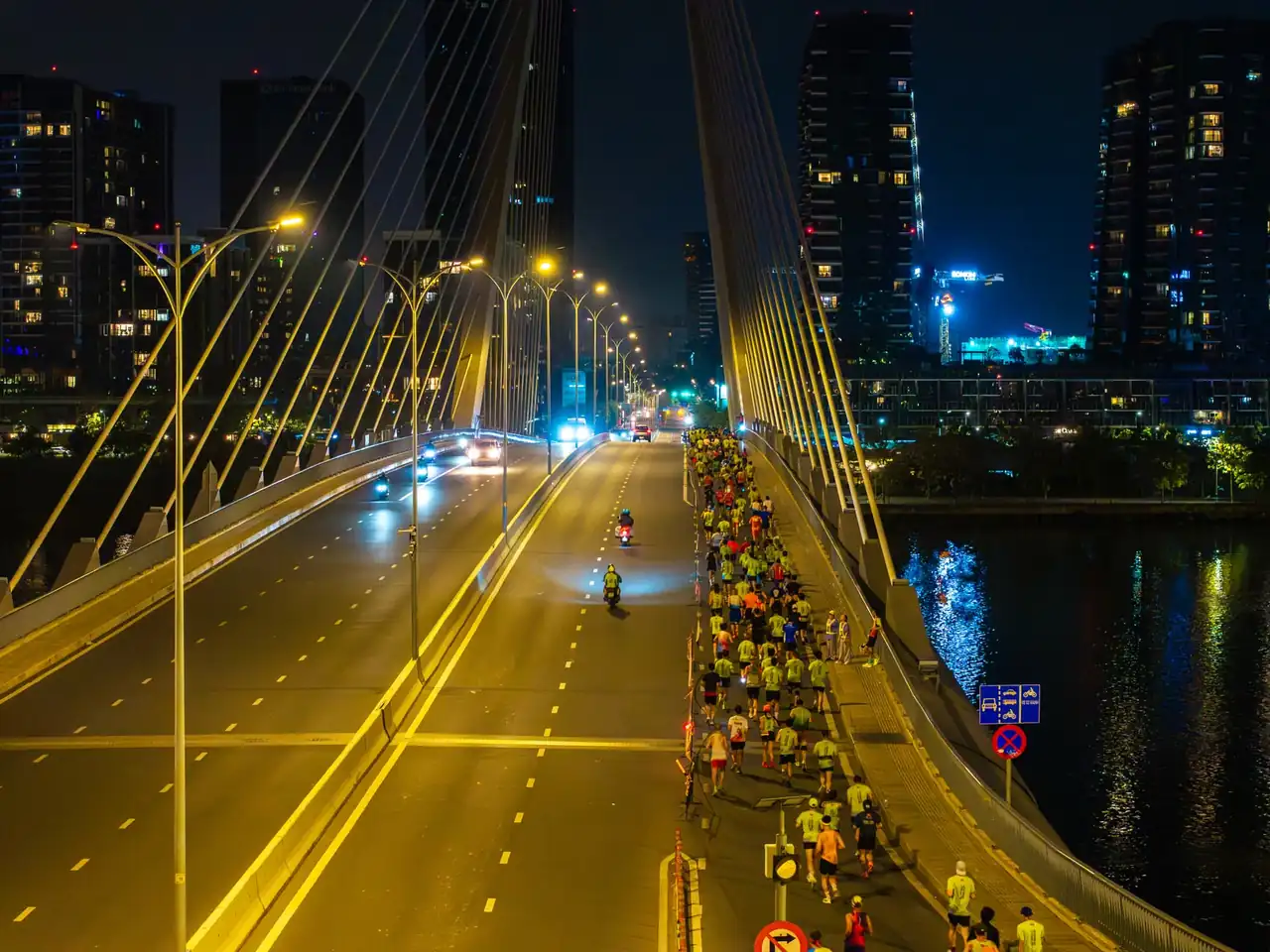
The 2026 Güimarera night race is scheduled for Saturday, Nov. 7, at 8 p.m. in Güímar, Tenerife. The event features a five-kilometre route with 105 metres of positive elevation gain; according to the available information, the start and finish are near Plaza de San Pedro. The stated time limit for completing the course is 45 minutes.
The format keeps the experience short, although the elevation means it may not feel like a flat jog through town. Three features define the event: a popular race, a five-kilometre course and a night-time start. The published information does not include a full map or specify the surface, so those details should be checked against the organizer’s final information.
Date, start time and location
The 2026 edition is scheduled for Nov. 7, with the race starting at 8 p.m. Güímar, a municipality on Tenerife, is the location, and Plaza de San Pedro is identified as the start and finish reference point. The location details provided also give the address as Plaza San Pedro, 19, Güímar, postal code 38500.
The start time matters both for logistics and for the nature of the event. At 8 p.m., light and temperature may differ from what runners experience in a morning race, although actual conditions will depend on the weather that day. This is a night race, so the urban atmosphere, course visibility and the organizers’ instructions are part of the experience, alongside the physical effort.
A November date places the race in the autumn calendar, but it is not enough to predict the weather in Güímar. No forecast or event-specific sunset time has been provided. The sensible approach is to check the organizer’s updates as race day approaches and follow any changes to schedules, access or participant instructions.
Five kilometres with elevation gain
The announced distance is five kilometres, a format that can suit runners with different levels of experience and those who prefer shorter events. But distance alone does not describe the effort. The organizers list 105 metres of positive elevation gain, meaning the course climbs overall and may be felt in the legs, especially if the uphill sections are concentrated in short stretches.
The listed maximum elevation is 390 metres and the minimum is 296 metres. Those figures help outline the general profile, but do not show where the slopes occur, how long they last or whether they alternate with descents. Without a detailed profile or an accessible official route map, it is not possible to specify elevation changes along individual sections or compare the difficulty with other urban races of the same distance.
The published time limit of 45 minutes works out to an average pace of nine minutes per kilometre. It is an administrative reference for finishing within the stated window, not a recommended pace or a prediction of a runner’s result. Elevation, turns and race-day conditions can affect pace; each participant also approaches the effort according to their own preparation and experience.
A night race in central Güímar
Darkness changes how a race feels, even over a short distance. Streets and changes in elevation can be harder to read, and the contrast between lit and shadowed areas may make runners pay closer attention to the ground and course directions. In Güímar, the start near Plaza de San Pedro places the event at a recognizable urban location, although no map has been provided here to identify the streets used for the circuit.
A night event can also create a different communal atmosphere: the movement of the pack, the sound of footsteps and the points where spectators gather may stand out under artificial light. That atmosphere does not replace practical information, but it helps explain why a five-kilometre race can feel different from a daytime event. The start time is central to the event’s identity, not a minor detail in its listing.
The available information does not confirm whether headlamps, reflective gear or high-visibility clothing are mandatory. It also does not specify what lighting will be in place along the route. Runners should therefore rely on the regulations and the organizer’s instructions rather than assume that the entire course will be lit in the same way or that every accessory will be permitted.
What is known about the course and what remains unclear
The published details confirm the distance, positive elevation gain, highest and lowest points, and time limit. They also identify Plaza de San Pedro as the start and finish reference point. They do not describe the direction of the circuit, the number of laps, street widths, surface type or the distribution of uphill and downhill sections. The available information outlines the general profile but does not replace a course map.
This distinction matters when assessing a race accurately. Two five-kilometre courses with 105 metres of elevation gain can feel very different depending on how the climbs are arranged, how many turns there are or whether the surface is uneven. Without those details, it would not be reliable to label the event a road, trail or mountain race. Its urban setting alone does not definitively establish the official surface.
The organizer listed for the event is Trivalle Güímar. For questions about the final route, available services, bib pickup and participation rules, the relevant source will be the organizer’s current information. Details from previous editions may provide context, but they do not automatically confirm that schedules, services or conditions will be repeated in 2026.
Registration, price and services: avoid unconfirmed assumptions
The 2026 event appears on registration platforms, but the reference information does not confirm a specific fee or the current availability of places. It is therefore not possible to provide a reliable price. A fee associated with another edition or a listing with no clear year should not be applied to this event: cost and availability can change from one edition to another.
There are also no confirmed details on the registration process, closing date, possible categories, bib collection or post-race services. Listings for earlier editions or third-party pages may mention services such as a bag drop, refreshments or medical assistance, but there is not enough evidence to attribute them to this edition. The updated race regulations should set out the conditions that apply to participants.
Online registration platforms usually show the available options and amount before payment, but that information can change. It is useful to distinguish between a registration page and an official race website: the first may handle sign-ups without being the place where every update is published. For prices, places and rules, check the organizer’s current information, rather than figures from earlier years.
How to interpret the race’s physical details
The 105 metres of cumulative climbing provide a useful reference, but their impact depends on the full profile. A sustained climb calls for a steady effort over several minutes; several short ramps may require repeated pace changes. In either case, the figure is meaningful alongside the route, not in isolation. A short distance does not remove the challenge of managing elevation, especially in a race with a time limit.
The listed high and low points place the route between 296 and 390 metres above sea level. They do not, by themselves, indicate the gradient of each street or the net elevation change between start and finish. Positive elevation gain adds together the climbs, while the high and low points mark the route’s highest and lowest elevations; these measurements are related but not interchangeable.
For a beginner, a five-kilometre event may feel like a manageable goal; for a regular racer, the challenge may be pace, changes in gradient or adjusting to running at night. There is no single way to interpret the figures. Fitness, experience on hills and familiarity with the terrain all shape how different runners experience the same course.
General preparation for running after dark
Useful preparation starts with learning the actual conditions, rather than anticipating details that have not yet been published. If the organizer shares the map, elevation profile and rules on lighting or equipment, that information will make it easier to assess the course. For now, the distance and elevation provide a broad guide: a short effort with accumulated climbing and a stated maximum time of 45 minutes.
In night races, staying alert to the ground helps runners respond to changes in lighting and spot course directions. Clothing and accessories should be chosen in line with the regulations, the weather forecast and the course’s actual visibility. There is no confirmed information that a headlamp is mandatory or that the organizer will provide one, so the edition-specific instructions take precedence over general recommendations.
The day before the event is also a good time to review practical information from the organizer, including the precise start location, access, bib pickup times and any traffic restrictions. None of these details should be assumed from the general location alone. For an event that starts at 8 p.m., planning the journey and arriving with time to spare can keep logistics from adding unnecessary stress before the race.
The local appeal of a short-distance event
Short races can bring running to a wide range of people. Five kilometres offers a sporting goal without requiring the training volume associated with a half-marathon or marathon, while an evening start may make attendance easier for people who work during the day. In a town such as Güímar, the event also turns an urban space into a meeting point for runners and spectators for a few hours.
That local character does not remove the need for clear information. Participants need to know the route, available services and rules; residents benefit from knowing the schedule and any effects on traffic. Since those details are not included in the reference information, it would be wrong to predict specific road closures, diversions or spectator areas. A useful event listing separates confirmed details from what is still pending.
Trivalle Güímar’s role as organizer connects the event to the municipality’s sporting scene, although the information provided does not describe its program or the scope of local involvement. What can be said is that the race combines a popular distance with a distinctive start time and a location associated with Plaza de San Pedro. That combination gives it a recognizable place in Tenerife’s race calendar.
A race shaped by nightfall and elevation
The essential details for this edition are clear: Nov. 7, 2026, an 8 p.m. start in Güímar and a five-kilometre course, with 105 metres of positive elevation gain and a stated maximum time of 45 minutes. Plaza de San Pedro is the start and finish reference point, and Trivalle Güímar is listed as the organizer. These facts locate the event, though they are not enough to reconstruct every detail of the course.
It is especially important to be cautious about details that often change, including registration, fees, services, rules and the route. The published date and sporting details provide a firm starting point, but they should not be mixed with prices or services from previous editions. Checking the organizer’s current information will fill in what is not yet available without confusing expectations with confirmed conditions.
With five kilometres and a start after dark, the race offers a different way to run through Güímar: short in distance, but shaped by the hills and by how the surroundings look once night falls. The final character of the event will depend both on the confirmed route and on the experience shared in the streets; for now, the established details describe a popular race where timing, elevation and an urban setting come together.



How to prevent thigh chafing: causes and real solutions

Women’s running windbreakers: seven jackets and how to choose

Do more workouts get rid of soreness? A guide for runners

Jaén Half Marathon 2026: Record 3,800 Runners Registered

Men’s short running tights: how to choose the right pair

World Triathlon confirms data breach involving medical data

Izan Edo targets podium at Miyazaki World Cup

María Pérez ranks ninth in World Athletics’ 2026 top ten

Dos Santos, Duplantis and Sawe: World Athlete of the Year finalists

San Silvestre Vallecana 2026: 42,000 places, prices and start times

 Races3 months ago
Valencia Half Marathon 2027: date and registration

 Races3 months ago
Valencia Marathon 2026: entry, ballot and course

 Reviews and Comparisons4 months ago
Asics Gel-Roadmiles 3 for men: review and current price

 Reviews and Comparisons4 months ago
Asics Gel Sonoma 8 Gore-Tex: complete analysis for trail and rain

 Sneakers3 months ago
Saucony Endorphin Pro 4: full review and verdict

 News5 months ago
Strava API 2026: what changes for clubs, challenges and runner apps?

 Reviews and Comparisons5 months ago
Nike Alphafly 3: opinions, sensations, and real key points

 Reviews and Comparisons4 months ago
Under Armour running shoes review 2025-2026: models and key features

 Sports Equipment4 months ago
Shoe sizes in cm: a clear guide to getting the right fit for your footwear

 Sneakers3 months ago
Skechers GO RUN Consistent 2.0 analysis: comfort and limits

 News5 months ago
Valencia Marathon 2026 route: key tips to train and run better

 Sneakers4 months ago
Adidas Adizero Boston 13 for men: review and verdict