Races
Paterna del Madera Trail Cup 2026: date and route
The Paterna del Madera race returns with 34 km, 250 spots, and a start time of 08:00.

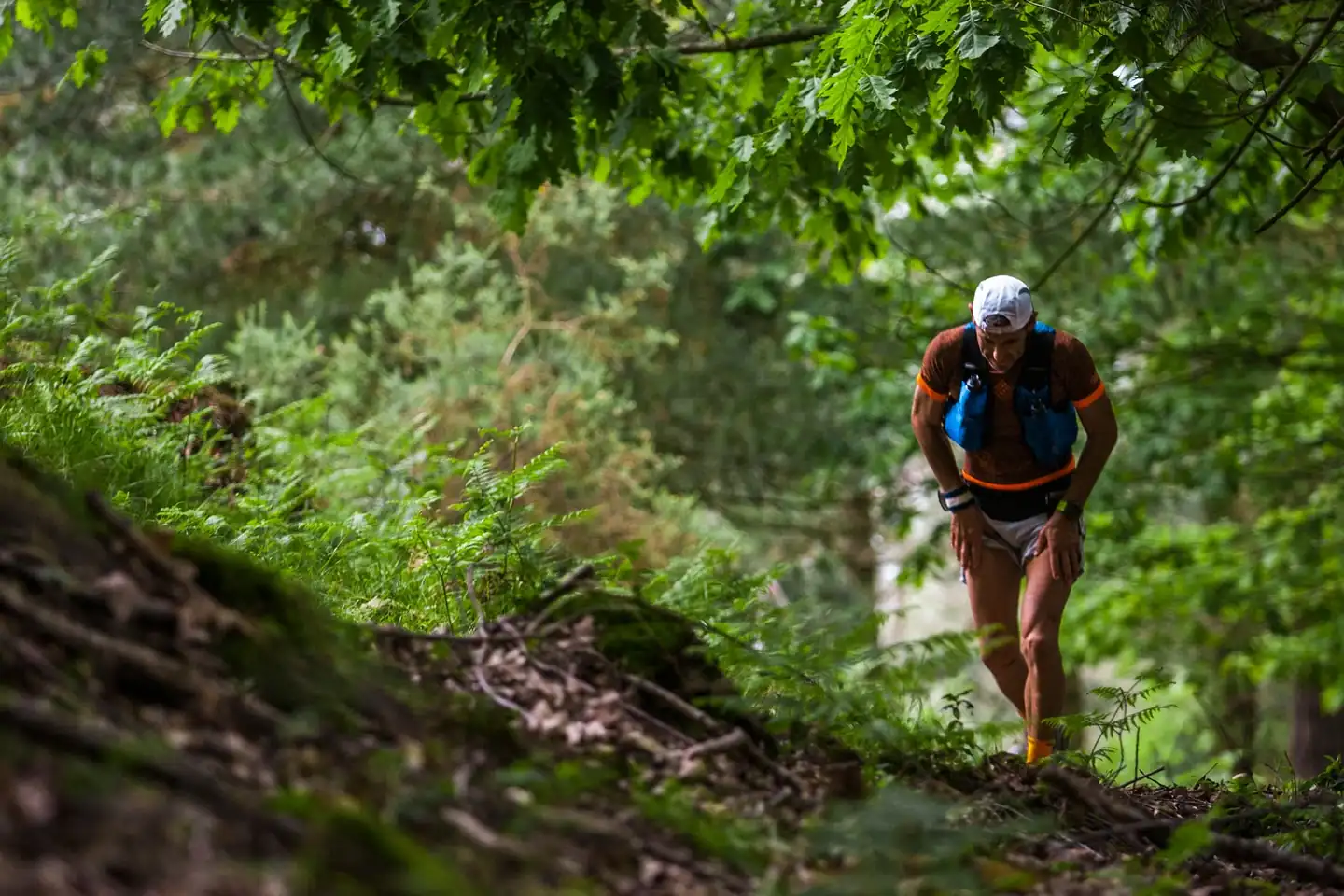
The Copa Trail Paterna Madera 2026 will be held on Sunday, September 27 in Paterna del Madera and keeps the format of a demanding mountain race, with 34 kilometers, a start at 08:00 and a cap of 250 runners. The event once again stands as one of the toughest and most technical races on the provincial calendar, with sections on tracks, trails, and aid stations spread throughout the course.
The race is part of the provincial trail circuit and arrives with a structure designed to test endurance, pace, and the ability to manage effort on changing terrain. The price for registered circuit runners is 16 euros, while non-registered runners pay 22 euros; in addition, the organization sets a minimum age of 18 and a finish cut-off at 15:30, a useful reference for calculating the real race margins.
A mountain race with the stamp of Paterna del Madera
Paterna del Madera, in the province of Albacete, offers a setting that gives no respite: elevation changes, uneven stretches, and a constant feeling of racing on living ground. That is, in large part, the identity of this event, which is not limited to adding up kilometers, but forces runners to read the mountain carefully. In trail running, the map matters, but the ground matters even more; here, every turn and every climb can change the script of the day.
The official distance announced for this edition is 34 kilometers, a figure that already places the race in the territory of long and selective events. This is not an extended half marathon or an introductory race, but one that demands a cool head, patience, and a conservative strategy in the early stages. In this type of course, early mistakes are rarely forgiven at the finish.
The area around the Adolfo Suárez Sports Complex, next to the municipal pool, concentrates the start, finish, and bib pickup, making logistics easier for participants and companions. This concentration of services is important in a mountain race, because it avoids unnecessary travel and allows all attention to focus on the competition. Bibs can be collected between 7:00 and 7:45, with a sport check-in system, a short window that requires arriving on time.
Date, times, and starting conditions
The marked date is September 27, 2026 and the start is set for 08:00. That schedule is no accident: in late September, the morning may still offer milder temperatures than the central hours of the day, something key in a mountain race of more than three hours for the fastest runners and considerably longer for much of the field. The organization also sets a finish cut-off at 15:30, so the race unfolds within a wide, but not infinite, time window.
The difference between those who push hard downhill and those who manage effort becomes clear in races like this. A 34-kilometer trail course is rarely decided by speed alone; it also requires proper fueling, heart-rate control, and tolerance to muscle fatigue. When the terrain breaks the rhythm, the mind plays a role almost as important as the legs.
The start and finish share the same location, something very practical in a race that caps participation at 250 runners. The format reduces complexity and helps keep the focus on the sporting contest. In trail terminology, this kind of organization is almost a luxury: less uncertainty, more clarity for the runner, who knows exactly where their day in the mountains begins and ends.
Course, aid stations, and key effort points
The 34-kilometer course is supported by five aid stations distributed in a way that gives clues about the kind of race it is. The first appears at kilometer 4, in Río Madera, and that already suggests the race gets down to business quickly, without leaving room for an overly comfortable warm-up. Then come Peñalta – Refugio Las Mesas at kilometer 8.5, Batán del Puerto at 13, Ctra. AB-516 at 21, and Fuente Lisa at 28. Overall, the course combines checkpoints with a progression designed to sustain effort for several hours.
The aid stations are no minor detail. In a mountain race, each one functions like a small service station in the middle of a demanding landscape. Replenishing fluids, eating something solid, or simply recovering a few seconds helps prevent the classic collapse in the second half. The athlete who arrives late to nutrition usually pays interest on the next climb.
The reference to accumulated elevation gain, mentioned in supplementary event information, points to a very serious race, with an approximate 1,700 meters of positive elevation gain. That figure explains why the race feels longer than its 34 kilometers would suggest. In the mountains, vertical meters weigh as much as horizontal distance, and often more; it is not the same to run on flat asphalt as it is to chain together climbs and descents where every footfall punishes quadriceps, calves, and ankles.
The passage through sections such as Río Madera, Peñalta, or Fuente Lisa suggests a race with pace changes, where it is wise to save energy for the roughest stretches. In trail running, the runner who becomes obsessed with average pace usually loses perspective. What matters is not maintaining a constant speed, but sustaining intelligent effort management on terrain that refuses to be tamed.
Registration, prices, and limits that define entry
The registration fee distinguishes between runners already entered in the circuit and outside participants. For the former, the fee is 16 euros; for non-registered runners, 22 euros. The difference is not large, but it is enough to reward continuity within the provincial circuit and reinforce the idea of belonging to a full season, not just a single isolated race.
The organization also sets a maximum of 250 participants, a moderate figure that fits the technical nature of the race. In the mountains, limiting bibs is not only a matter of capacity; it also affects safety, fluidity on narrow trails, and the runner’s overall experience. An oversized pack can turn a trail race into a succession of bottlenecks and forced overtakes.
The minimum age is 18, a condition consistent with the distance and the physical demands of the course. At the other end, the childcare area is offered free of charge, a detail that points to an organization trying to make race day more comfortable for companions and families. Although it is not part of the sporting effort, it says a lot about the atmosphere of a race: behind each bib there is often an entire morning of shared logistics.
What kind of runner fits this race best
This race calls for experience or, at the very least, real respect for the mountains. It is not a course for someone making their trail debut without having previously tried long distances or significant elevation gain. The 34 kilometers, combined with substantial elevation and rough terrain, make the race more suitable for runners accustomed to managing demanding outings than for those seeking a first contact with the discipline.
It is also a particularly interesting race for those who enjoy events where reading the terrain matters as much as physical power. On long climbs, the runner who knows how to pace themselves usually gains psychological ground on those who start too enthusiastically. On descents, stride technique and hip stability create differences as visible as the stopwatch. Trail running, after all, is a constant conversation between body, ground, and slope.
The early start time benefits those who know how to race with their head, because it requires waking up properly, warming up precisely, and entering the race without haste. The mountain does not reward impatience. Sometimes the best move is to let other runners go ahead in the first kilometers, wait for the right moment, and reach the final stretch alive, when many are truly beginning to suffer.
The value of a race that structures the provincial trail calendar
The Copa Trail Paterna Madera 2026 does not work as an isolated race, but as one piece within a circuit with continuity. That makes it more interesting to follow on the calendar, because the result of one day speaks to the rest of the season. Rankings, podiums, and times are understood not only from a specific Sunday, but from a series of races that build form, reputation, and consistency.
In that context, Paterna del Madera offers a very recognizable profile: authentic mountain running, controlled logistics, and a course that rewards those who know how to live with elevation gain. There is no need to dress it up too much. Some races seduce through scenery; others, through the suffering they demand. This one combines both, and that is precisely why it remains interesting to trail runners looking for events with competitive depth.
The finish cut-off at 15:30 makes it clear that the organization expects a wide range of finishing times, but with a precise structure. The day unfolds with the clock in hand and the mountain setting the pace. In races like this, every minute gained or lost says more than just speed: it speaks to how heat, hydration, technique, and mental endurance have been managed. That is the raw material of trail running when it stops being a buzzword and becomes a real experience.
What a race like this leaves in the autumn calendar
September is usually a decisive month for trail running in Spain, because it brings together races where heat still matters, but the change of season is already appearing. That means competing with caution. Hydration becomes central again, gear choice matters more than it seems, and the mind must better interpret signs of fatigue. A day in Paterna del Madera sits right on that border, between the end of summer and the start of the autumn season.
That is why this race is so interesting for the runner following the provincial circuit: it not only offers a demanding course, but also a fairly faithful reading of fitness. When a mountain race combines distance, elevation gain, limited bibs, and time controls, it acts almost like a full exam. The result helps measure more than just a placing in the standings.
The Paterna del Madera Trail Cup ultimately leaves the image of a serious, compact, and highly recognizable event within the regional scene. With an 08:00 start, 34 kilometers, five aid stations, and a mountain setting that gives nothing away, the 2026 edition points to a morning of pure effort, where every runner will have to negotiate with the terrain, their pulse, and the clock. In races like this, the mountain does not shout: it simply sets the conditions.



How to prevent thigh chafing: causes and real solutions

Women’s running windbreakers: seven jackets and how to choose

Do more workouts get rid of soreness? A guide for runners

Jaén Half Marathon 2026: Record 3,800 Runners Registered

Men’s short running tights: how to choose the right pair

World Triathlon confirms data breach involving medical data

Izan Edo targets podium at Miyazaki World Cup

María Pérez ranks ninth in World Athletics’ 2026 top ten

Dos Santos, Duplantis and Sawe: World Athlete of the Year finalists

San Silvestre Vallecana 2026: 42,000 places, prices and start times

 Races3 months ago
Valencia Half Marathon 2027: date and registration

 Races3 months ago
Valencia Marathon 2026: entry, ballot and course

 Reviews and Comparisons4 months ago
Asics Gel-Roadmiles 3 for men: review and current price

 Reviews and Comparisons4 months ago
Asics Gel Sonoma 8 Gore-Tex: complete analysis for trail and rain

 Sneakers3 months ago
Saucony Endorphin Pro 4: full review and verdict

 News5 months ago
Strava API 2026: what changes for clubs, challenges and runner apps?

 Reviews and Comparisons5 months ago
Nike Alphafly 3: opinions, sensations, and real key points

 Reviews and Comparisons4 months ago
Under Armour running shoes review 2025-2026: models and key features

 Sports Equipment4 months ago
Shoe sizes in cm: a clear guide to getting the right fit for your footwear

 Sneakers3 months ago
Skechers GO RUN Consistent 2.0 analysis: comfort and limits

 News5 months ago
Valencia Marathon 2026 route: key tips to train and run better

 Sneakers4 months ago
Adidas Adizero Boston 13 for men: review and verdict