Races
Ponle Freno Las Palmas 2026: course and distance
Urban circuit, distances and services of a charity race that fills the center of Gran Canaria.

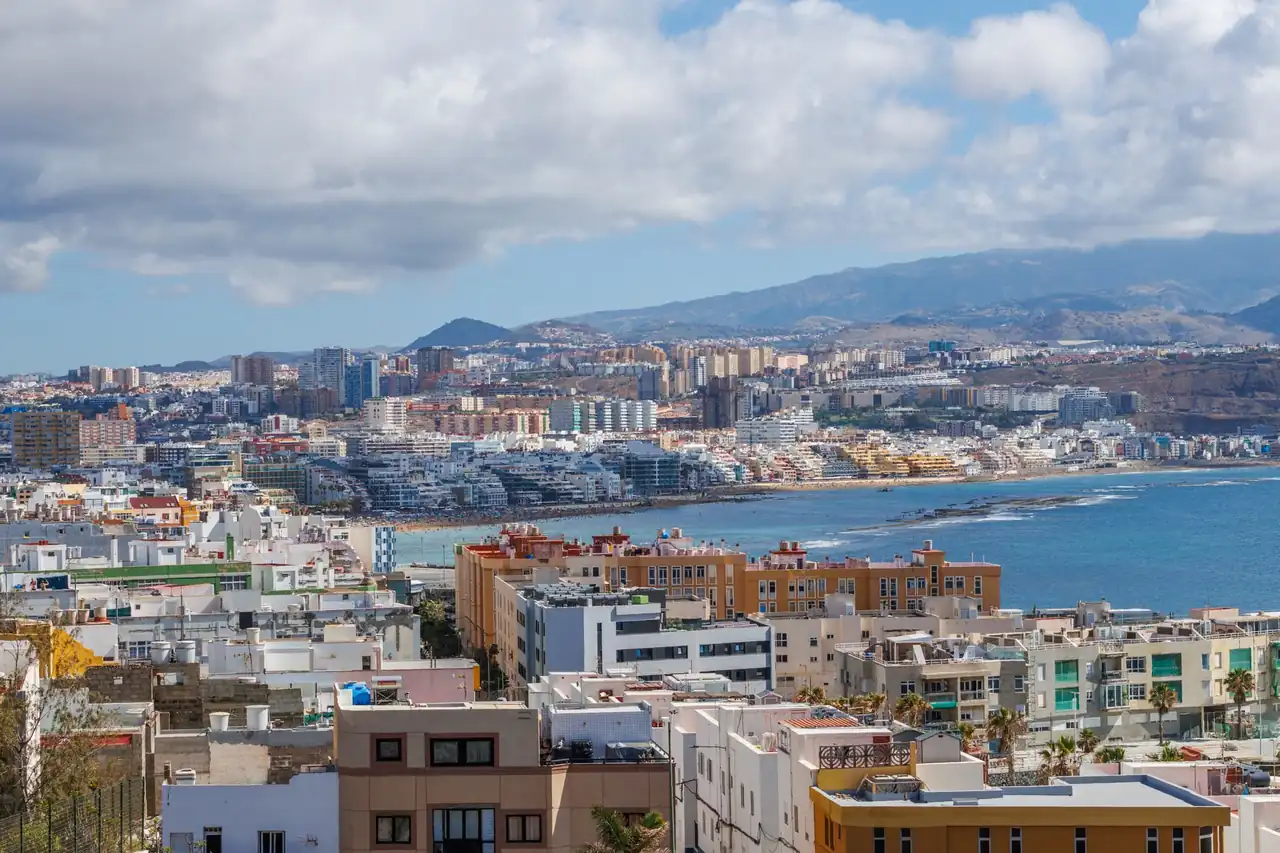
The Ponle Freno route in Las Palmas combines an urban, fast and highly accessible course with the spirit of solidarity that sets this event apart on the national calendar. The race takes place on 29 November 2026 at Calle Pío XII, S/N, in Las Palmas de Gran Canaria, and offers two main distances, 5 km and 10 km, as well as children’s races. The profile is flat, designed for comfortable running, and the circuit moves through the heart of the city with start and finish in a central, easy-to-follow setting.
Beyond the stopwatch, the race has a very clear purpose: every registration fully funds a project linked to victims of traffic accidents. That social component explains much of its appeal and also the atmosphere at the start. It is not just a popular race; it is a day of road, neighborhood and shared cause, with a format that suits both runners chasing a time and those who prefer to add kilometers in a lively, very urban environment.
An urban course designed for smooth running
The layout of this Canary Islands race stands out for its flat, paved character, a combination that usually supports steady paces and a smooth racing feel. In the available information, the organizers describe it as a central, fast route suitable for broad participation, with open streets and a setup that helps both pace control and spectator support. That mix is part of its identity: a city circuit that does not demand mountain skills or elevation changes that disrupt the rhythm of effort.
In a city like Las Palmas de Gran Canaria, the proximity of the sea and the presence of major urban avenues give the route a very specific personality. The race takes place in an environment where asphalt rules and the runner finds a clear reference, almost a pedestrian highway for a few hours. For those looking for a fast 5K or 10K, the race is especially attractive because it reduces unpredictable variables and leaves the spotlight on cadence, effort management and consistency.
There is also an important nuance: in solidary races like this, the course is not designed only for competition, but to bring together families, first-timers and regular runners. That is why the circuit is usually easy to understand at a glance, with a simple mental map and passing points that do not require complex navigation. In the case of Ponle Freno Las Palmas, the concept follows that logic of wide streets, comfortable route and a participatory atmosphere that allows you to run and look around without losing track.
The distances and what each one offers
The event offers two open races of 5 km and 10 km, plus several children’s races. This structure suits very different runner profiles. The 5K usually attracts those who want a short, intense and manageable distance, while the 10K opens the door to a more complete experience, still without excessive demands. Both distances share the same urban spirit, although the latter requires finer control of effort and per-kilometer pacing.
On the shorter distance, the margin for error narrows. A 5K is run with a higher level of focus, almost without mental breaks, and that fits well with a smooth course, no elevation gain and little technical complexity. In the 10K, by contrast, the runner has more time to settle in, find rhythm and make the most of the favorable terrain. The flat profile helps maintain steady paces and makes the race an interesting option for those who want to test sensations, try a target pace or enjoy a controlled race.
The children’s races complete the day with a clearly family-oriented approach. The organization includes 800 meters for participants aged 11 to 14, 500 meters for the 6 to 10 age group, and 150 meters for children up to 5 years old. They are held once the main races are over, a detail that organizes the schedule and avoids mixing paces and ages in the same block. That design reinforces the idea of an event open to the whole city, not just the most competitive runners.
Schedule, start and urban setting of the race
The 2026 edition is set for Sunday, 29 November, although operational information may be updated through official channels before the event. The location reference places the start at Calle Pío XII, S/N, a point that makes logistics easier because it is a recognizable urban area with relatively simple access. In popular races, this detail matters more than it seems: it reduces uncertainty, organizes participant arrival and simplifies the pre-start gathering.
The urban setting also shapes the kind of experience participants have during the race. Las Palmas de Gran Canaria provides the backdrop of an Atlantic city, with bright light and controlled traffic giving way to a day in which the runner takes over the street. In that setting, the sense of openness can be as valuable as the final time itself. Running along major avenues, with spectators on the sides and an accessible circuit, usually creates a very particular mix of order and energy.
The organizers also state that details about bib pickup, chip and commemorative T-shirt will be published through official channels. This is worth keeping in mind because, in a race of this type, the experience does not begin at the start line, but earlier, with collecting the kit and preparing for the day. All of that is part of the participant’s real route, even if it does not appear on the asphalt map.
Registration, price and destination of the funds raised
One of the most recognizable features of Ponle Freno is its direct link to solidarity. In Las Palmas, the fee is set at 10 euros for the 5 km and 10 km distances, while the children’s races are free. The funds raised are entirely devoted to a project in support of victims of traffic accidents, a destination that turns the entry fee into a contribution with concrete social impact rather than a mere participation charge.
The race thus maintains an accessible logic. It is not designed as an elite event or a complicated registration race. On the contrary, the price point is modest and helps participation remain broad. In a calendar crowded with races, that balance between affordable entry and charitable purpose explains why the Ponle Freno bib continues to have such appeal among runners with very different profiles.
The organizers also indicate that timing is done with a chip provided by the race itself. That matters because it ensures more accurate timing and avoids last-minute improvisation. In popular races, the chip is no longer a technological luxury, but a basic part of the competitive machinery. It adds order, makes results more reliable and allows the experience to be clean for all participants.
Services, timing control and race atmosphere
The service package includes refreshments, cloakroom, photo coverage, insurance and video services. These are common elements in well-structured races, but that does not make them minor. The cloakroom frees runners from carrying belongings while waiting; the refreshments help finish the effort more comfortably; and the photo and video coverage extends the life of the race beyond event day, something especially useful in a popular circuit meant to be remembered and shared.
The maximum time allowed to complete the short distance is 45 minutes, and 1 hour and 15 minutes for the long distance. These limits fit a road race designed for accessible paces, although the 10K requires more disciplined pacing if the runner wants to finish within the time limit. This is not a race with high barriers, but a reasonable format with enough margin for different levels as long as the passing references are respected.
The competitive side exists, but it does not dominate the whole event. There will be trophies for the top three overall finishers, male and female, and also a HandBike category for participants with physical disabilities in the 10 km distance, non-competitive and subject to safety rules. This detail shows an organization that aims to balance performance, inclusion and coexistence of formats in the same event.
What the route reveals about the nature of the race
A route says much more than an address or a distance. In Ponle Freno Las Palmas, the course speaks of city, accessibility and mass participation. It does not seek the epic challenge of elevation or the toughness of mud; it opts for the clarity of asphalt and for an experience in which the runner quickly understands where they are going and what to expect. That transparency is a virtue, because it shifts attention from surprise to well-measured effort.
In sporting terms, a circuit like this is usually rewarding for those who want to test themselves without excessive punishment. It also favors less experienced runners, because the terrain does not introduce technical obstacles that complicate effort management. The race is like a straight line with gentle curves: a space where every stride counts and where rhythm, once found, has a better chance of holding through to the finish.
In social terms, the race works like a public square for running. It brings together experienced runners, first-timers, families and participants who come for the cause, not only for the clock. Solidarity funding, the urban center and the popular format create a very recognizable scene in the Canary Islands calendar: sport as an excuse to take over the street with a shared purpose.
A race that gains value in Gran Canaria’s calendar
Within the map of races in Las Palmas and its surroundings, this event occupies a special place because it combines the appeal of a major city with the simplicity of a well-defined popular race. It does not rely on course difficulty to attract attention, but on its balance of accessibility, atmosphere and charitable purpose. That balance makes it competitive even against more technical races or those with greater elevation gain on the island.
The proximity of other events on the island calendar also helps place it within a broader conversation about Canary Islands running, but Ponle Freno retains its own identity. Its character is not measured only by the route map; it is measured by the way it turns a November morning into a day of mass participation, with asphalt, stopwatch and social commitment coexisting without fanfare.
That is why interest in the route is not limited to logistical curiosity. Knowing where it starts, how it unfolds and what kind of terrain it offers helps explain the meaning of the race. In Las Palmas de Gran Canaria, Ponle Freno is not just another race on the calendar: it is a simple urban structure, a course favorable for good running, and an event that turns every meter into a combination of sport and concrete help.
A road start that blends rhythm, neighborhood and cause
The appeal of this race lies in that quiet but highly effective formula: a flat route, accessible distances and a clear solidarity goal. It does not need any embellishment to explain why it attracts so many participants. The urban layout makes the sporting side easier; the destination of the funds gives meaning to signing up; and the setting of Las Palmas de Gran Canaria provides the backdrop of a city that knows how to turn its streets into a stage for popular sport.
With that approach, the race sits in a very recognizable area of the calendar: that of races that do not need to seek great spectacle to leave a mark. Sometimes a clear circuit, a well-marked date and organized management are enough for the runner to feel they have done something worthwhile, in addition to running. In Ponle Freno Las Palmas, that feeling is at the center of everything else.
Where to stay in Las Palmas de Gran Canaria
Hotels available 28–30 November 2026.
Affiliate links: if you book through this map we earn a commission, at no extra cost to you.



How to prevent thigh chafing: causes and real solutions

Women’s running windbreakers: seven jackets and how to choose

Do more workouts get rid of soreness? A guide for runners

Jaén Half Marathon 2026: Record 3,800 Runners Registered

Men’s short running tights: how to choose the right pair

World Triathlon confirms data breach involving medical data

Izan Edo targets podium at Miyazaki World Cup

María Pérez ranks ninth in World Athletics’ 2026 top ten

Dos Santos, Duplantis and Sawe: World Athlete of the Year finalists

San Silvestre Vallecana 2026: 42,000 places, prices and start times

 Races4 months ago
Valencia Half Marathon 2027: date and registration

 Reviews and Comparisons4 months ago
Asics Gel-Roadmiles 3 for men: review and current price

 Races4 months ago
Valencia Marathon 2026: entry, ballot and course

 Reviews and Comparisons4 months ago
Asics Gel Sonoma 8 Gore-Tex: complete analysis for trail and rain

 Sneakers3 months ago
Saucony Endorphin Pro 4: full review and verdict

 News5 months ago
Strava API 2026: what changes for clubs, challenges and runner apps?

 Reviews and Comparisons5 months ago
Nike Alphafly 3: opinions, sensations, and real key points

 Reviews and Comparisons4 months ago
Under Armour running shoes review 2025-2026: models and key features

 Sports Equipment4 months ago
Shoe sizes in cm: a clear guide to getting the right fit for your footwear

 Sneakers3 months ago
Skechers GO RUN Consistent 2.0 analysis: comfort and limits

 News5 months ago
Valencia Marathon 2026 route: key tips to train and run better

 Sneakers4 months ago
Adidas Adizero Boston 13 for men: review and verdict