Races
Race Against Gender-based Violence 2026: date and distances
The Zaragoza-area event returns in November with two distances and a 5K circuit repeated for the longer race.

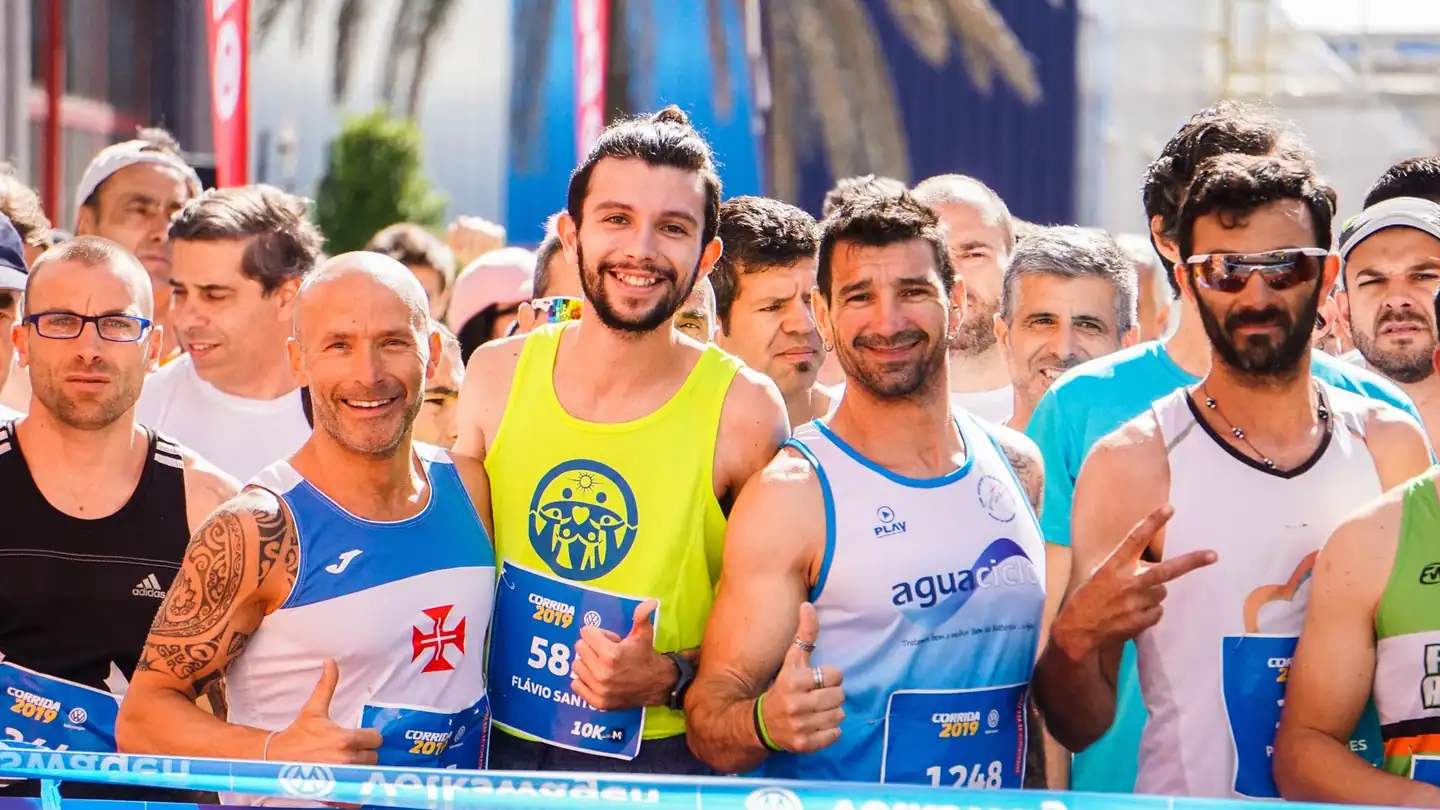
Imagen: RUN 4 FFWPU / Pexels
Villanueva de Gállego will host the 12th Race Against Gender-Based Violence on Nov. 22, 2026, with popular 5K and 10K distances. Both the start and finish are scheduled for Plaza de Fernando el Católico in the Zaragoza municipality, and the longer race will cover two laps of a five-kilometer circuit. The event combines local sport with visibility for a social cause, although practical details about registration and start times are not yet available in the information provided.
The 2026 edition offers two ways to take part and is listed as not officially certified. The Aragon Athletics Federation lists both the 5K and 10K, while course information says the longer distance consists of two exact laps. The supplied date is Sunday, Nov. 22; the entry fee, start time and registration process have not been specified in the available listing.
A local race with two distances
The event reaches its 12th edition in 2026 and keeps an accessible format for different types of runners. The five-kilometer option offers a shorter challenge, while the 10K provides a longer effort without requiring half-marathon distance. Both races share the urban setting of Villanueva de Gállego and the same central start and finish location.
The event’s name places the day in the context of raising awareness about gender-based violence. At events of this kind, sport and social purpose coexist: the race brings together runners of different abilities and makes a message visible in public space. The information available does not identify the groups behind any parallel activities or confirm additional events, so activities that have not been announced should not be assumed.
The name 12th Race Against Gender-Based Violence identifies the edition planned for 2026. Race listings can contain incomplete or outdated information, so it is useful to distinguish confirmed details — date, town, distances and start-and-finish square — from items that have not yet been published, such as rules, runner services and schedules. Logistical information may be added closer to race day through the organizers’ channels.
Date, start and finish in the town center
The race is scheduled for Sunday, Nov. 22, 2026, in Villanueva de Gállego, in Zaragoza province. Plaza de Fernando el Católico is listed as the start and finish location. This provides a clear reference point, but does not establish where bibs will be collected, which streets will be closed or what access arrangements will be made for participants.
No start time appears in the reference information. The time limit, location of any water stations, and availability of a bag check or showers are also unspecified. These details often appear in the rules or pre-race announcements, but should not be considered confirmed until the organizers publish them. For travel planning, it is useful to wait for definitive information about schedules and services.
A shared town-square start and finish can make orientation easier on race day: participants have a specific place to head to and can follow race instructions from there. Even so, event setup, access arrangements and any temporary traffic changes depend on municipal and organizer information for that day. The confirmed address is Plaza de Fernando el Católico, not another street or entrance absent from the information provided.
The date also places the race in the autumn calendar. November weather can shift quickly from a cool morning to a mild stretch in the sun; a reliable forecast is not available this far in advance. The actual temperature, wind and rain will depend on conditions that weekend, so clothing and pace should reflect the weather at the time rather than a forecast made months earlier.
How the 5K and 10K course works
The clearest course detail is that the main distance is completed with two exact laps of a five-kilometer circuit. The 10K therefore covers the same route twice, allowing runners to learn the circuit on the first lap and use its reference points on the second. The listing does not provide a full map, elevation profile or street-by-street route, so individual sections cannot be described with confidence.
The five-kilometer race corresponds to one circuit, based on the structure described for the longer distance and the availability of both race options. Without a map, it is not possible to say which areas the lap passes through or how much elevation it gains. Although the event is classified as a road race in the available information, the exact surface and course should be checked in the organizers’ published rules.
Repeating the circuit has practical effects. Runners can gauge their effort by referring to the same points on the first pass, while spectators may have more chances to follow the race from a limited area. It also requires concentration: familiarity with the route can help runners anticipate turns and pace changes on the second lap, but it does not replace attention to instructions, other participants and road conditions.
The event is not officially certified, according to information from the Aragon Athletics Federation. The advertised distance should therefore not be confused with an officially measured and certified course for record purposes. The 5K and 10K are the event’s participation distances, but anyone seeking an officially certified mark should check that requirement before entering. This does not diminish the sporting value of the event; it clarifies what kind of measurement and certification participants can expect.
What is known and what remains unconfirmed
Public information clearly identifies the edition, town, date, distances and start-and-finish location. It also describes two laps for the 10K and states that the course is not officially certified. Registration, price and start time are not included in the information provided, so reliable figures cannot be supplied and it cannot be confirmed that entries are already open.
The website associated with the event is carreravillanuevacontralaviolencia.com. The listing also provides the contact email equipoeventos2@fartlecksport.com and information phone number 639030430. These details identify the channels shown in the listing, but do not confirm registration terms, fees or services for the 2026 edition. Those details require a specific and current announcement.
Before arranging travel or choosing a distance, it is reasonable to check whether rules for this edition have been published. They commonly specify when registration opens and closes, the fee, bib collection, categories, awards, medical support and participation rules. When a detail is absent, the responsible approach is to treat it as pending, rather than fill the gap with information from another year or a different race.
The date deserves particular attention because third-party calendars may publish provisional schedules or retain older listings. For this edition, the confirmed date supplied is Nov. 22, 2026, which matches the social media information provided about the event. If the organizers announce a change, their official update will take precedence. In a race calendar, distinguishing a confirmed date from an estimate can prevent unnecessary travel and confusion with other Aragon events.
A distance for every experience
Five kilometers can be a manageable choice for someone new to running or anyone seeking a shorter event, while 10K requires sustaining effort for longer. That difference does not make one option better than the other; the choice depends on experience, fitness and personal goals. Choosing between the 5K and 10K should reflect the distance a runner can complete comfortably, not pressure to match someone else’s pace.
Anyone considering the event can assess the course once it is published. A repeated circuit offers clear effort markers, but pacing depends on a runner’s usual speed, terrain and weather. Without a map or detailed profile, it is not possible to anticipate tight turns, narrow sections or changes in gradient. The sensible approach is to wait for the final route and avoid training around features that have not been confirmed.
The race can also be a shared community day for people who are not chasing a personal record. At a popular event, running alongside others, completing the course and occupying public streets with a collective message are part of the experience. The cause named in the event is integral to its identity, although details of any associated awareness activities must be confirmed separately.
Preparing for a distance does not mean making every training run a race. Gradual progress, alternating running days with rest and testing race-day shoes in advance are general ways to reduce discomfort. For the 10K, the second lap may feel different from the first; comfortable runs and gradually getting used to running for longer are usually more useful than abruptly increasing weekly mileage.
Race day and the meaning of the event
A race that starts and finishes in a square gives participants, spectators and residents a shared point of reference. For a few hours, the urban space changes: conversations, footsteps on the pavement and race announcements shape a public activity that is about more than rankings. In Villanueva de Gállego, the day centers on a sporting event linked to raising awareness about gender-based violence.
Social visibility depends on more than the distance covered. It also matters that the message is handled accurately and with respect for people experiencing violence. A race can provide a space for participation and remembrance, but it does not replace specialized resources or professional support. That distinction matters: sport creates public presence and community, while prevention and assistance require dedicated, ongoing responses.
The popular format allows people with different abilities to take part in the same event, each according to their capacity. A five-kilometer route and a 10K widen participation without requiring everyone to pursue the same goal. The day’s value is not measured only by the stopwatch; it also lies in local participation and the public conversation accompanying a race whose name points to a serious social reality.
For now, the available details establish the main features, but not a complete race-day guide. The schedule, registration opening, fee, detailed map and services remain unknown. Editorial accuracy means not presenting unpublished information as fact, especially when it affects participants’ plans. The event does have a defined date, two distances and a shared start-and-finish location.
Villanueva prepares a new November edition
The 12th Race Against Gender-Based Violence is scheduled for Nov. 22, 2026, in Villanueva de Gállego, with five- and 10-kilometer routes starting and finishing at Plaza de Fernando el Católico. The 10K consists of two laps of the 5K circuit, and the event is listed as not officially certified. These are the key details for placing the event on the calendar and understanding its format.
Further information will complete the picture of race day: registration, entry fee, schedule, course map and services. Until those details are published, it is best not to attribute conditions to the event that are not confirmed. The date and sporting format are set, while operational details may shape participants’ plans. In November, the square will once again be the meeting point for runners’ efforts and the public message accompanying this local event.



How to prevent thigh chafing: causes and real solutions

Women’s running windbreakers: seven jackets and how to choose

Do more workouts get rid of soreness? A guide for runners

Jaén Half Marathon 2026: Record 3,800 Runners Registered

Men’s short running tights: how to choose the right pair

World Triathlon confirms data breach involving medical data

Izan Edo targets podium at Miyazaki World Cup

María Pérez ranks ninth in World Athletics’ 2026 top ten

Dos Santos, Duplantis and Sawe: World Athlete of the Year finalists

San Silvestre Vallecana 2026: 42,000 places, prices and start times

 Races3 months ago
Valencia Half Marathon 2027: date and registration

 Races3 months ago
Valencia Marathon 2026: entry, ballot and course

 Reviews and Comparisons4 months ago
Asics Gel-Roadmiles 3 for men: review and current price

 Reviews and Comparisons4 months ago
Asics Gel Sonoma 8 Gore-Tex: complete analysis for trail and rain

 Sneakers3 months ago
Saucony Endorphin Pro 4: full review and verdict

 News5 months ago
Strava API 2026: what changes for clubs, challenges and runner apps?

 Reviews and Comparisons5 months ago
Nike Alphafly 3: opinions, sensations, and real key points

 Reviews and Comparisons4 months ago
Under Armour running shoes review 2025-2026: models and key features

 Sports Equipment4 months ago
Shoe sizes in cm: a clear guide to getting the right fit for your footwear

 Sneakers3 months ago
Skechers GO RUN Consistent 2.0 analysis: comfort and limits

 News5 months ago
Valencia Marathon 2026 route: key tips to train and run better

 Sneakers4 months ago
Adidas Adizero Boston 13 for men: review and verdict