Races
Regimiento Lusitania race 2027: date, location and events
The Marines Viejo event has a confirmed date, but key route and registration details have yet to be announced.

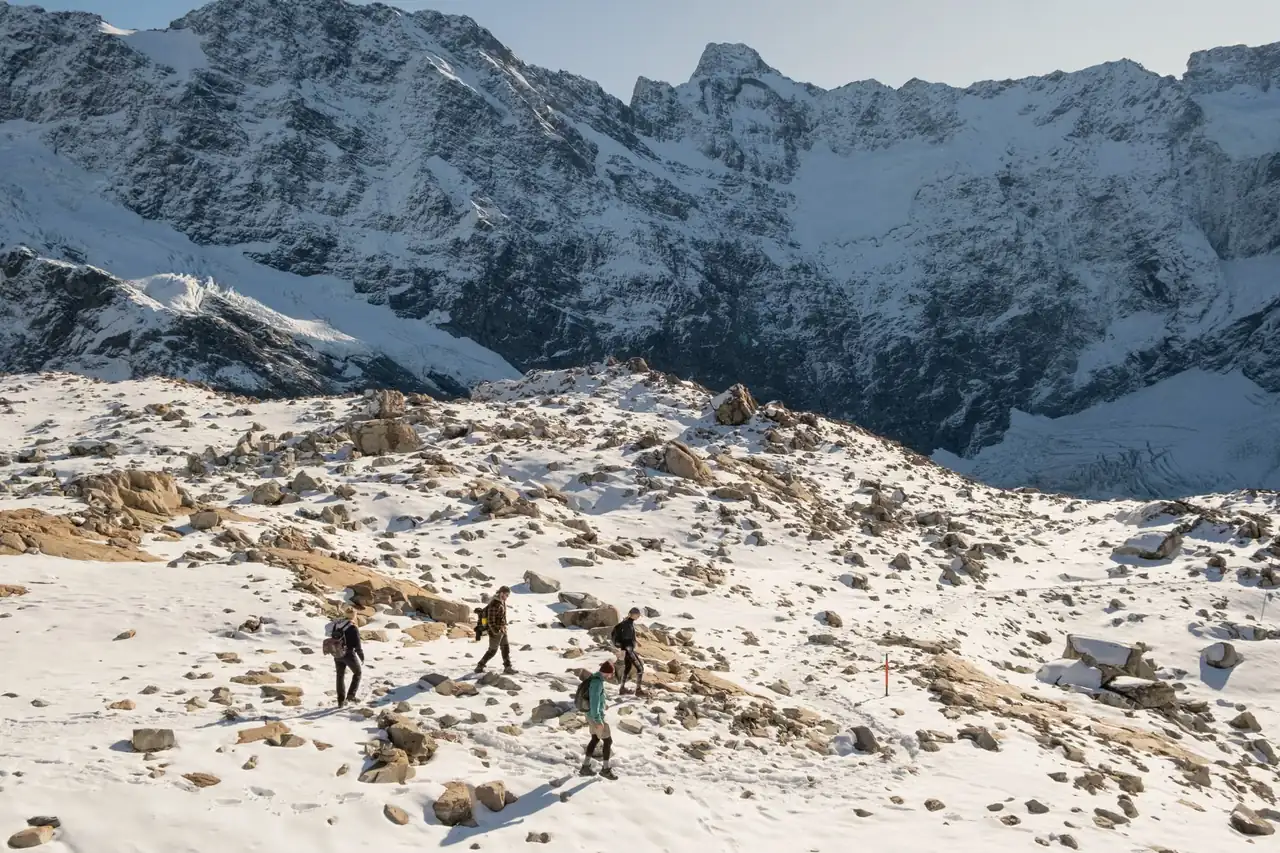
The next Regimiento Lusitania mountain race will take place on February 7, 2027, in Marines Viejo, according to the information provided for this edition. The event is associated with the Sierra Calderona area and combines the sporting character of a mountain race with civic and military participation. For now, the date and town are the confirmed details; no definitive information is available on the course, entry fees or registration process.
Details from a previous edition list several formats: a 21-kilometre trail race, an 11.2-kilometre sprint trail, and 9-kilometre options for beginners and walkers, with the latter also associated with canicross. Those details help explain the event’s usual profile, but they should not be treated as confirmed for 2027 until organisers publish that edition’s programme.
A confirmed date on the mountain-running calendar
Sunday, February 7, 2027, is the date given for the event in Marines Viejo. The location places the race in an inland area linked to the Sierra Calderona, a landscape known for its trails and elevation changes. However, the available information does not yet identify the exact start point or the route for each format. That distinction matters: knowing the host town is not enough to determine a course’s profile, difficulty or surface.
The date places the event on the winter calendar, but it is not enough to predict specific weather conditions or confirm the schedule. The reference material includes a start-time table with different times for several distances, but it does not say that those times apply to the 2027 edition. Therefore, the 9:30, 9:45 and 9:50 starts should be treated as information from another edition, not as the confirmed programme for this event.
A confirmed date should also be distinguished from the status of registration. Setting a day for the race does not establish that entries are open, that places are available or that previous editions’ terms will carry over. Such information is usually published alongside the rules and registration platform, neither of which is included here. Until those details are released, any administrative information should be considered pending.
Formats listed in the available information
The outline from a previous edition shows four options, although two share the same 9-kilometre distance: a 21-kilometre trail race, an 11.2-kilometre sprint trail, a 9-kilometre beginner course and a 9-kilometre walk, with canicross also mentioned for the latter. The range suggests a day designed for different paces and experience levels, from those seeking a longer route to participants who prefer a more accessible distance or walking. The exact 2027 offering has not yet been confirmed.
The 21-kilometre trail would be the longest option in the known programme and is close to a mountain half marathon, although it is not exactly 21.097 kilometres. The 11.2-kilometre sprint trail offers an intermediate format, while the 9-kilometre beginner route may be more manageable for those trying natural-terrain racing. Without elevation figures, surface details and checkpoint information, it is not possible to compare their demands precisely.
The walking event offers a different way to take part: covering the route on foot rather than focusing on a finishing time. The mention of canicross indicates that the previous reference included the possibility of running with a dog, but it says nothing about equipment, vaccinations, animal size or staggered starts. These conditions are essential for safe participation and should be checked in the 2027 rules if the format returns.
The Marines Viejo and Sierra Calderona setting
The event is described as a civic-military mountain race in the Sierra Calderona area. That description places it in an inland landscape but does not establish a specific route. No maps, elevation profiles or 2027 checkpoints have been provided, so it would be premature to claim which trails, tracks or areas runners will cross. In the mountains, a small difference in distance can significantly change the difficulty when elevation and terrain vary.
Natural trails often demand more than simply maintaining a steady pace. Climbs, descents and changes in surface call for adjustments to stride and close attention to footing, particularly where there is loose rock, mud or narrow ground. These are common possibilities in trail running, not confirmed features of this race. The official course will be essential for assessing the real effort and choosing a format suited to each participant’s experience.
Marines Viejo is the town listed for the event, while a reference to a previous edition places the activity at the Marines military base. The information provided does not clarify whether the 2027 start will be at that facility, in the town centre or elsewhere nearby. Nor does it give a postal address for the start and finish. Before arranging travel, participants will need the exact location, access details and any traffic or parking restrictions.
A race with civic and military participation
The event is presented as a civic-military race, bringing civilian runners together with the world of the Regimiento Lusitania. That institutional connection is part of its identity, but the available information does not describe a parallel programme, planned ceremonies or the specific role of each organisation in 2027. It is therefore more accurate to stick to what is confirmed rather than attribute ceremonies, displays or services that have not been announced.
The connection also helps explain why the event may attract different types of participants. Some may be interested in testing themselves on a mountain course; others may value a multi-format event or want to take part in a race associated with a military unit. In either case, the rules should clarify categories, minimum age, mandatory equipment and classification criteria, none of which appear in the available details for this edition.
Reports from previous years mention numbered editions, but the materials available do not establish with certainty which edition number will apply in 2027. One reference describes the 14th edition, while another places the 15th in February 2026. Although the sequence could suggest a later number, it would be unwise to assign an edition number to the 2027 event without official confirmation. Using the race name without an ordinal avoids giving readers a potentially incorrect edition.
Start times and distances: known details and unanswered questions
The reference table lists a 9:30 start for the 21-kilometre course, 9:45 for the 11.2-kilometre course, and 9:50 for the 9-kilometre formats. This is useful context for describing a previous event, not a guarantee for 2027. Races can change start times for logistical reasons, based on entry numbers or to organise different formats. The official 2027 start time is still unavailable in the information provided.
Beyond the schedule, key details are missing that would help explain each distance: total ascent, cut-off time, aid stations, checkpoints and course marking. An 11.2-kilometre route with a sustained climb can be more demanding than a longer but faster course; distance alone does not measure difficulty. An elevation profile and map would allow participants to compare the options more reliably, especially those without regular mountain-running experience.
It is also not yet clear whether the distances will remain unchanged. A previous edition may have used a different course or made adjustments for event requirements, so the programme should not be assumed to repeat exactly. Reliable preparation information will need to come from the specific 2027 announcement and its rules, not from an out-of-context table or results from another year.
Registration, fees and rules are still pending
The information provided does not include entry fees, opening and closing dates or a participant limit. It also does not say whether runners, walkers and canicross participants will have separate registration options. These practical questions cannot be answered from previous editions because fees and conditions can change from year to year. There is not enough information to publish a price or claim that registration is open.
A reference to the timing platform shows a way to check an entry using a national ID number and email address, along with an access field. That extract describes a lookup feature, but it provides no official link and does not confirm which system will be used in 2027. Nor does it establish that those are the only details required to register. The platform and privacy notice should explain what information is collected, why it is needed and who manages the entry process.
The rules will be particularly important if walking and canicross remain on the programme. Dog-running events commonly specify harness and lead requirements, a minimum animal age, health documentation and rules to prevent dangerous encounters. In mountain events, the same document may cover mandatory equipment, withdrawal procedures and assistance in case of an incident. Until it is published, the obligations for the 2027 race cannot be considered known.
Assessing the distances without a confirmed course
Choosing a format should not depend only on the number of kilometres. Previous trail experience, elevation, expected pace and the ability to sustain effort on long climbs are equally important. For someone used to road running, nine kilometres on a mountain trail can feel very different from the same distance on an urban course. Uneven ground requires adjustments to stride and can place different demands on the ankles and legs, even when the route looks short on paper.
A beginner option can offer a way to experience the format without committing to a long distance, but its name alone does not define its difficulty. A route with steep slopes or technical ground may still require preparation and attention. Likewise, walking nine kilometres does not remove the need to check the profile, cut-off time and safety conditions. The detailed route description, not just the event label, should guide the choice.
The longer course’s 21-kilometre distance suggests an endurance effort, but the lack of elevation and cut-off details makes it impossible to recommend a specific experience level. In the mountains, experience on climbs and descents is often more useful than extrapolating road-running paces. A sensible approach is to wait for the official map and then assess whether the challenge fits one’s fitness and familiarity with that kind of terrain.
Preparation and safety for a mountain race
General preparation for mountain running often combines steady running, progressive hill work and strength exercises for the legs and core. This does not mean following a plan for this specific event while the course remains unknown; it reflects the way effort varies across terrain. A climb may call for a shorter stride, while a technical descent demands control and close attention. Adapting to the ground matters as much as building mileage.
Footwear should be selected according to the surface and the runner’s experience, not simply because the event is called a trail race. If the official course includes rock, dirt or wet sections, grip and fit may matter more than they would on asphalt. Even so, it is best not to wear brand-new shoes on race day: unfamiliar equipment should first be tested on comparable runs. The final choice will depend on the published route and conditions on the day, which cannot be predicted months in advance.
Hydration and food also depend on the expected duration, aid stations and estimated effort. There is no confirmed information about the services the organisers will provide, so it would be inappropriate to assume water will be available at particular points. Each participant should check the rules once they are published and choose equipment accordingly. On any mountain course, starting at a measured pace helps preserve energy for changes in gradient.
What to know before planning the trip
The date and town make it possible to provisionally reserve the day, but planning travel requires more precise information. The start point, check-in time, bib collection and parking options are not included in the available details. No access restrictions or guidance for visitors from other towns have been announced either. Without an official start and finish address, transport and arrival times cannot be planned reliably.
The programme should also clarify whether all formats use the same venue, where bibs are collected and whether there is a collection deadline. At events with staggered starts, arriving with time to spare helps participants complete formalities without rushing and hear the pre-race instructions. Setting a specific arrival buffer now would be guesswork, however; it depends on the 2027 logistics and number of participants. The final schedule and access information will settle these questions.
Anyone travelling with a dog will need to confirm whether canicross is offered again and whether it has a separate start. Safe interaction between runners and dogs requires clear rules at the start area and on narrow sections. The earlier reference only mentions the option alongside the 9-kilometre walk; it does not give the conditions or confirm that the format will return. Therefore, the event should not be considered open to canicross in 2027 until it appears in the official programme.
A race defined by what has been confirmed
The central detail for the Regimiento Lusitania event is now set: it will take place on February 7, 2027, in Marines Viejo. It is also associated with the Sierra Calderona area, and previous references describe trail, sprint trail, beginner and walking options. This provides a picture of the event’s character, but it does not replace edition-specific information or justify filling in unannounced details by inference.
The course, elevation, start times, fees, registration, exact address and rules are still necessary for participants to assess the race accurately. Care is especially important when combining information from different years, as with edition numbers and start schedules. A confirmed date marks the beginning of the announcement, not the completion of every detail.
Once the map and participation conditions are published, runners will be able to determine which distance suits them and how to plan the day. Until then, the most reliable description is a mountain race with a confirmed date and venue in Marines Viejo, while sporting and logistical details remain pending. For an event of this kind, clearly separating newly announced facts from information carried over from previous editions is also part of preparing safely.
Where to stay in Marines Viejo
Hotels available 5–8 February 2027.
Affiliate links: if you book through this map we earn a commission, at no extra cost to you.



How to prevent thigh chafing: causes and real solutions

Women’s running windbreakers: seven jackets and how to choose

Do more workouts get rid of soreness? A guide for runners

Jaén Half Marathon 2026: Record 3,800 Runners Registered

Men’s short running tights: how to choose the right pair

World Triathlon confirms data breach involving medical data

Izan Edo targets podium at Miyazaki World Cup

María Pérez ranks ninth in World Athletics’ 2026 top ten

Dos Santos, Duplantis and Sawe: World Athlete of the Year finalists

San Silvestre Vallecana 2026: 42,000 places, prices and start times

 Races3 months ago
Valencia Half Marathon 2027: date and registration

 Races3 months ago
Valencia Marathon 2026: entry, ballot and course

 Reviews and Comparisons4 months ago
Asics Gel-Roadmiles 3 for men: review and current price

 Reviews and Comparisons4 months ago
Asics Gel Sonoma 8 Gore-Tex: complete analysis for trail and rain

 Sneakers3 months ago
Saucony Endorphin Pro 4: full review and verdict

 News5 months ago
Strava API 2026: what changes for clubs, challenges and runner apps?

 Reviews and Comparisons5 months ago
Nike Alphafly 3: opinions, sensations, and real key points

 Reviews and Comparisons4 months ago
Under Armour running shoes review 2025-2026: models and key features

 Sports Equipment4 months ago
Shoe sizes in cm: a clear guide to getting the right fit for your footwear

 Sneakers3 months ago
Skechers GO RUN Consistent 2.0 analysis: comfort and limits

 News5 months ago
Valencia Marathon 2026 route: key tips to train and run better

 Sneakers4 months ago
Adidas Adizero Boston 13 for men: review and verdict