Races
San Sebastián de los Reyes Race 2025: times, route, and prices
Sanse once again combines sport, celebration, and tradition with 5K, 10K, children’s races, and a finish line at La Tercera.

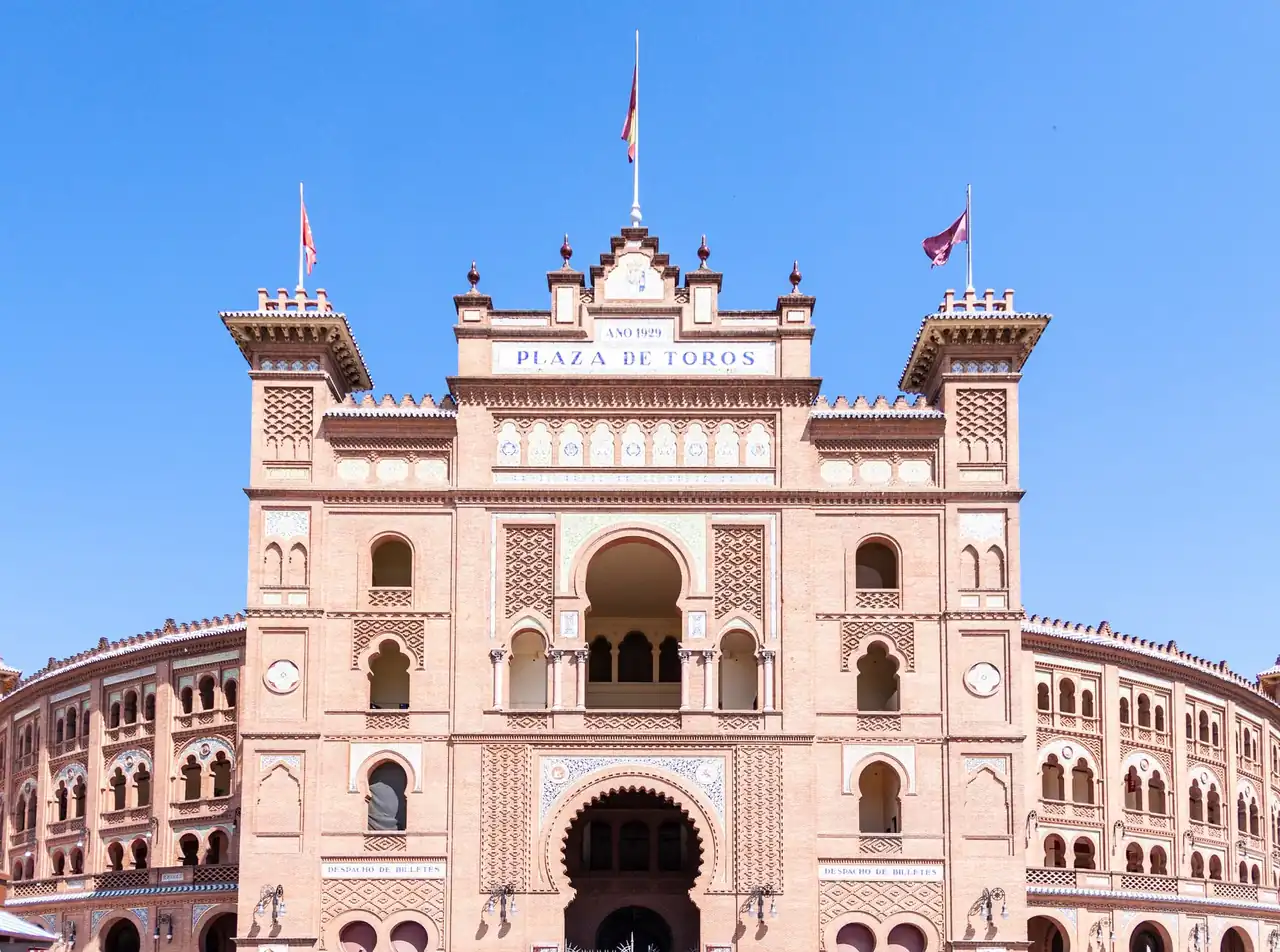
Imagen: antonio filigno / Pexels
San Sebastián de los Reyes will kick off its festivities with a popular race that combines asphalt, a festive atmosphere, and a very recognizable finish: the passage through the historic bull-run route and arrival at La Tercera Bullring. The event will take place on Sunday, August 24 at 11:00 a.m., with two distances for adults, 5K and 10K, and several children’s races designed for ages 4 to 11.
The event is not limited to running. The day is planned as a mix of sport and celebration, with music, Zumba and Les Mills masterclasses, a live DJ, and food and drink stalls in the finish area. That combination explains much of the appeal of an event that, more than a conventional race, serves as a gateway to the Sanse 2025 festivities.
A start linked to the festive pulse of the city
The race comes at a very specific moment in the local calendar, when the city begins to look ahead to its big days. That context gives it special weight: it is not just a 5K or 10K urban race, but an event built on the identity of San Sebastián de los Reyes, its streets, and a finish that many residents recognize immediately. La Tercera Bullring serves here as a symbolic finish line and also as a meeting point, almost like a small open stadium for runners and families.
The start time, set at 11:00 a.m., reinforces the tone of a popular and accessible event. This is not an elite early-morning race or a test designed for specialists; it is a Sunday gathering, with August heat, varied paces, and an organization aimed at allowing runners of different levels to coexist. In that sense, the race resembles a mosaic of profiles more than a homogeneous competition.
The route runs through emblematic urban streets of the municipality and ends in the bull-run section, one of the event’s strongest attractions. That final stretch adds texture and memory to the experience: the runner does not only step on asphalt, but also passes through a space steeped in local references. For many participants, that detail matters as much as the stopwatch.
Distances, profile, and pace of the route
The organizers offer two options for adults: 5 kilometers and 10 kilometers. The 10K is completed with two laps of the circuit, while the 5K is one lap. Both formats share the same urban layout, with small climbs and descents that break the monotony of the flat without turning the race into a technical challenge. The elevation change per lap is +77 meters and -77 meters, a moderate figure that helps explain the accessible nature of the course.
The terrain is 100% asphalt, a relevant detail for those who care more about racing feel than adventure. There is no dirt, mud, or uneven ground here: there are streets, turns, straight sections, and the kind of surface that allows for a clean stride, as long as the heat and effort management do not get in the way. The organizers describe the difficulty as easy to moderate, a rating consistent with an urban circuit of this kind.
One of the most useful features for runners is the mid-race timing mat in the 10K, a practical reference for tracking split times between laps. There is also a refreshment point at the 5-kilometer mark, something especially valuable in August, when even a popular distance can feel more demanding than the distance alone suggests. The race has a maximum time limit of 1 hour and 30 minutes, enough leeway for recreational runners and for those who prefer to finish without chasing the clock.
Registration, prices, and local discounts
The price places the race within a very common range in the popular circuit: 12 euros for Senior and Masters categories in the 5K and 10K, and 2 euros for the children’s races. In addition, runners registered with clubs in the municipality receive a 10% discount, a gesture that ties the event to the local sports community and rewards belonging to the city.
All registered participants will receive an official T-shirt, race bib, festive neckerchief, and chip timing. These are not decorative extras: they are part of the package that turns a neighborhood or city race into a complete experience, with a tangible keepsake and time control. In events like this, that detail ends up mattering almost as much as the distance, because it anchors the memory of the day in a garment, a bib number, or a results list with names.
Bib pickup can be done in the days leading up to the event at the Dehesa Boyal and La Viña facilities, spreading out participant traffic and avoiding concentrating all logistics on race morning. It is a practical measure that reduces queues, organizes access, and helps race day move more smoothly, especially when children’s races, families, and the general public are also taking part.
An event also designed for children and families
The children’s races give the day a broader dimension. They are not just an ornamental addition, but a separate block within the program, with different courses and age groups: 200 meters for ages 4 to 6, 500 meters for ages 7 to 9, and 820 meters for ages 10 to 11, the latter on the bull-run route. The idea is clear: bring popular athletics closer to the youngest participants without turning it into a hard-fought competitive test.
In this context, the race functions almost as an entry point into sport. Children take part in short distances, the atmosphere is friendly, and the focus is not on pure performance, but on the shared experience. For families, that provides an added value that is hard to replicate at other events: a single morning brings several generations together around the same route, with the city as a backdrop and celebration as the common thread.
In addition, the inclusion of special prizes adds a more playful and community-oriented touch. Recognition is not limited to the top three finishers in each category and distance; there will also be awards for the fastest kilometer on the bull-run route, the fastest parent-and-child pair, and the largest group. That variety broadens the focus and ensures merit is measured not only in seconds, but also in participation, connection, and collective presence.
The finish line as a stage, not just an end
Ending the race at La Tercera Bullring changes the tone of the finish. It is not a neutral finish line, the kind that disappears a minute after you cross it, but a place with personality, scale, and meaning for the city. The runner enters it with the feeling of having completed a sporting route, yes, but also of having passed through a recognizable part of the local memory. That scenic effect explains why races like this continue to inspire loyalty among participants in the area.
After the finish line, the organizers reserve space to continue the day with Zumba and Les Mills masterclasses, accompanied by a live DJ. That final stretch is no longer about the stopwatch, but about the atmosphere. Instead of a quick and scattered departure, the race offers a festive lingering, almost an extension of the morning, with music, movement, and food and drink services for those who want to stay a while longer.
That design turns the race into a kind of threshold between sport and celebration. In August, with the municipality in party mode, that mix makes sense. The runner is no longer just a participant and becomes part of a broader scene, where effort blends with the noise, color, and life of the square. That is, in fact, the defining feature of the event.
Rules, timing, and what is worth keeping in mind
The race has a specific set of rules and a classification table, two standard but important elements when speaking of a well-organized race. Chip timing and the intermediate timing mat in the 10K point to a structure designed to make times clear and verifiable. In a popular race, that order is no small detail; it is the basis for the participant’s sense of fairness and transparency.
It is also relevant how the pre- and post-race services are distributed. Bib pickup over several days, the presence of refreshment, timing, and the logistics associated with the finish line indicate a format designed to absorb a large turnout. In practical terms, that means less friction and more attention to the runner, even on a day with a strong recreational component.
The overall picture is clear: the 2025 San Sebastián de los Reyes race is designed for popular runners, families, and residents looking for a local event, manageable routes, and a festive finish. It does not aim to look like a big city marathon or a high-demand race, and that is precisely where its strength lies. It is a city race, an expanded neighborhood event, with the language of popular athletics and the pulse of a festival that begins by running.
A race that reflects the mood of a city
Some races are all about the bib number, while others leave a broader mental image. The San Sebastián de los Reyes race belongs to the second group. Its appeal lies not only in the number of kilometers or the symbolic medal of finishing, but in the way it connects sport, tradition, and municipal life. The runner passes through familiar streets, crosses a stretch closely tied to local identity, and finishes in a square that serves as a shared stage.
In that context, the value of the event is better understood as an experience than as a test. Those who take the start are not only buying a distance, but an entire morning with urban rhythm, August heat, music, spectators, and a finish that feels like a collective celebration. That mix, well organized and without gimmicks, explains why a race like this continues to hold a visible place in the sports calendar of the Community of Madrid.
With its 5K, 10K, children’s races, special prizes, and festive finish, the 2025 event paints a very specific picture: that of a municipality that starts its festivities by running, but without losing its community spirit. At a time when many events compete to seem bigger than they are, this one finds its place precisely in the opposite: being recognizable, close, and true to its setting.



How to prevent thigh chafing: causes and real solutions

Women’s running windbreakers: seven jackets and how to choose

Do more workouts get rid of soreness? A guide for runners

Jaén Half Marathon 2026: Record 3,800 Runners Registered

Men’s short running tights: how to choose the right pair

World Triathlon confirms data breach involving medical data

Izan Edo targets podium at Miyazaki World Cup

María Pérez ranks ninth in World Athletics’ 2026 top ten

Dos Santos, Duplantis and Sawe: World Athlete of the Year finalists

San Silvestre Vallecana 2026: 42,000 places, prices and start times

 Races4 months ago
Valencia Half Marathon 2027: date and registration

 Races4 months ago
Valencia Marathon 2026: entry, ballot and course

 Reviews and Comparisons4 months ago
Asics Gel-Roadmiles 3 for men: review and current price

 Reviews and Comparisons4 months ago
Asics Gel Sonoma 8 Gore-Tex: complete analysis for trail and rain

 Sneakers4 months ago
Saucony Endorphin Pro 4: full review and verdict

 News5 months ago
Strava API 2026: what changes for clubs, challenges and runner apps?

 Reviews and Comparisons5 months ago
Nike Alphafly 3: opinions, sensations, and real key points

 Reviews and Comparisons4 months ago
Under Armour running shoes review 2025-2026: models and key features

 Sports Equipment4 months ago
Shoe sizes in cm: a clear guide to getting the right fit for your footwear

 Sneakers3 months ago
Skechers GO RUN Consistent 2.0 analysis: comfort and limits

 News5 months ago
Valencia Marathon 2026 route: key tips to train and run better

 Sneakers4 months ago
Adidas Adizero Boston 13 for men: review and verdict