Races
San Silvestre Vallecana 2024 professional results: winners and times
Aregawi and Marta García delivered a historic edition in Madrid, with a record and podium finishes of a very high level.

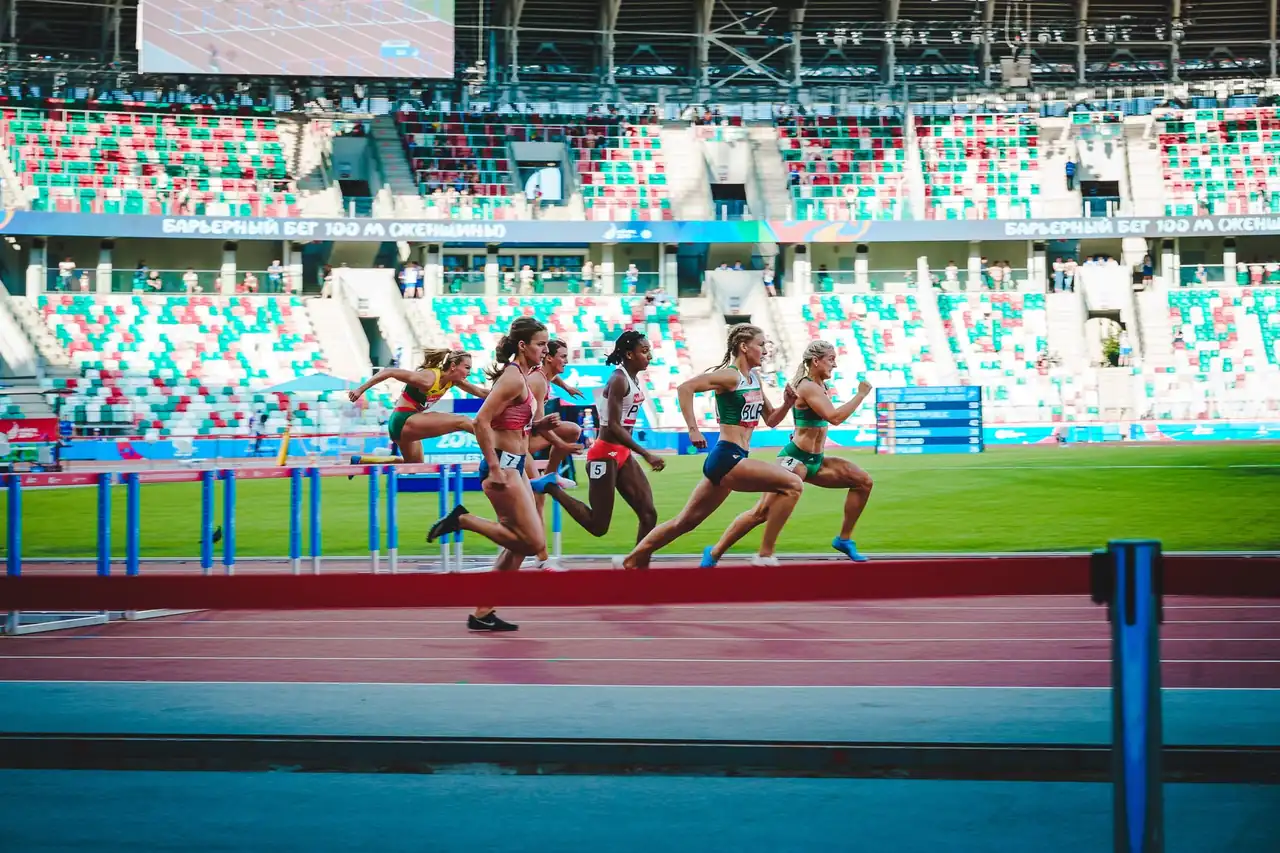
San Silvestre Vallecana 2024 left a high-voltage snapshot: Berihu Aregawi repeated his victory in the men’s elite with a time of 26:30, and Marta García claimed a historic win in the women’s race with 31:19, the best Spanish mark ever in this event. The night of December 31 once again turned Madrid into a road-racing circuit full of noise, lights, and momentum, with a finish to the limit between Aregawi and Jacob Kiplimo that gave the 10K the feel of a world-championship final.
The quick reading of those results is clear: the 60th edition not only crowned two solid winners, but also raised the sporting standard of the race. Adel Mechaal finished third among the men and Águeda Marqués joined Marta García on the women’s podium, while the popular race also produced standout names with Mohamed Massat and Esther Ramos leading the way. It was a Vallecana of great times, of marks that matter, and of an organization that once again attracted both the international elite and the anonymous runner chasing the same asphalt, albeit from another orbit.
A finish that defines the toughness of Madrid’s 10K
The men’s ending was a duel of precision and strength. Aregawi and Kiplimo arrived practically exhausted, with a minimal difference at a finish line that gives nothing away and punishes any hesitation in the final meters. The Ethiopian stopped the clock at 26:30 according to information released by Telemadrid, while other reports placed the time at 26:32; in any case, the sporting message was the same: the champion had broken the race open in a knife-edge finish. On a course where speed mixes with the January chill in the throat and the capital’s concrete, sustaining that pace is already a feat of endurance.
Behind that head-to-head came Adel Mechaal, third with 27:40 in the time reported by Portal Vallecas. His place on the podium reinforced a recent constant in the Vallecana: Spain is no longer going to watch from afar, but to fight for honors in an event featuring some of the best runners on the circuit. That third place also carried symbolic value, because the race once again showed that context matters too. Running at night, with the stands packed and the city in New Year’s Eve mode, alters the pulse as much as physical condition does.
Marta García and the weight of a victory with a Spanish stamp
The women’s race delivered another of the night’s great stories. Marta García Alonso won in 31:19 and became the first Spaniard to triumph since 2008, a figure that helps measure the size of the achievement. It was not just a victory, but a statement of competitive maturity in a race where the podium is usually occupied by athletes of great international level. Behind her came Ruth Chepngetich in 31:32 and Águeda Marqués in 31:34, a sharp finish photo in which the Spaniard managed to hold the pace long enough to turn the final stretch into a restrained celebration.
That 31:19 has more meaning than it may seem. In such a dense race, the time speaks not only of average speed, but of the ability to hold tension and manage effort when the body is asking to ease off. Marta García found that balance at exactly the right moment and gave the San Silvestre a win with national resonance, because not every day a Spanish athlete wins a race that usually serves as an international showcase to close the athletics calendar. Her victory also completed an edition in which Spanish athletics came away clearly strengthened.
What the professional race results say
The podium names explain the race hierarchy better than any promotional label. In the men’s event, Berihu Aregawi, Jacob Kiplimo, and Adel Mechaal shaped a classification that mixed African dominance and Spanish resistance at the highest level. In the women’s event, Marta García, Ruth Chepngetich, and Águeda Marqués built a podium balanced between experience, endurance, and ambition. The quality of those places confirms that the Vallecana now functions not only as a year-end celebration, but as a reference 10K for measuring real form at the end of the season.
The times also tell a deeper story. A 10K under 27 minutes for men and under 32 for women on a city course with so much pressure means entering a range reserved for very finely tuned athletes. This is not a race for improvising or hiding; Madrid’s asphalt demands a price before the finish. That is why the value of the 2024 edition lies not only in who won, but in how they won: with very high intensity, measured attacks, and a tactical reading that forced each runner to show their best version.
The mass race also left marks and names that matter
The great New Year’s Eve celebration is not lived on elite racing alone. The popular race, starting from the Santiago Bernabéu and finishing at Vallecas Stadium, once again brought together tens of thousands of runners in an event that is already part of Madrid’s emotional landscape. In that classification, Mohamed Massat Bouzahar prevailed among the men in 29:07 and Esther Ramos won among the women in 34:38. Both results are relevant because they show that the Vallecana remains a magnet for those seeking a fast 10K, but also a collective experience with an atmosphere few urban races can match.
Massat and Ramos did not win in a minor setting. Behind them were competitive times and a huge mass of runners that fuels the race’s rhythm from below, like a tide pushing and shaping the spectacle. In a race like this, time is understood not only as individual performance, but as a constant conversation with the rest of the group, the crowd, and fatigue itself. That is one of the keys to why the Vallecana results are so interesting: because the order of finish sums up a night in which thousands of different stories converge on the same finish line.
Why this edition carried so much symbolic weight
The 60th edition arrived with an added value that is hard to ignore. The race celebrated a round anniversary at a time when the San Silvestre Vallecana already occupies a very high place within European mass running. The figure of 42,000 entrants handled by the organizers for 2024 reflects growth that has been sustained year after year and explains the magnetism of a race that has become a tradition, a showcase, and a season-closing ritual. It is no coincidence that more and more elite athletes choose it to set their final major mark of the year.
The symbolic component also came from Spanish athletics. Marta García’s victory, Mechaal’s podium, and the presence of other significant national names gave the night a more familiar color. In the fan’s imagination, the Vallecana works like a conveyor belt between two worlds: the professional, where runners compete at the limit of physiology, and the popular, where bib numbers coexist with Christmas lights and end-of-year fatigue. The 2024 edition managed to make both sides fit together smoothly, with strong results on both fronts.
The course and the setting help explain the times
A Vallecana result cannot be read like just any 10K. The route between the Bernabéu and Vallecas changes character as the kilometers pass, and the atmosphere of December 31 adds a component that alters the perception of effort. Madrid is in farewell mode, the streets have a different texture, and runners pass through areas where the crowd noise acts like a tailwind. All of that influences the reading of the times, which in this race should always be viewed carefully and not as mere isolated numbers.
In that combination of course, date, and competitive level lies the explanation for its prestige. The San Silvestre Vallecana is not limited to rewarding whoever arrives first; it also rewards the ability to manage an event that demands explosiveness, endurance, and a cool head. That is why the 2024 results have had so much traction: because they say something about the state of global distance running, the Spanish level, and the relevance of a race that keeps growing in importance without losing its identity as a great urban night race. It is a 10K, yes, but with the ambition of a major athletics event.
The data left by the professional classification
On the more technical side, the 2024 edition left a very useful picture for readers looking for full results. Aregawi dominated the men’s classification after a tight finish with Kiplimo, while Mechaal closed the podium with a highly competitive mark. In the women’s race, Marta García took a huge sporting step by beating Chepngetich and Marqués, two references in distance and quality. The race thus confirmed that the level at the front was extraordinary and that the margins, in some cases, came down to the space of one well-managed breath.
It is also worth noting the depth of the field. The presence of athletes such as Ruth Chepngetich, a world marathon record holder, or top-level Spanish runners helped give the edition impressive depth. That raises the significance of the podium, because winning here depends not only on having a good day, but on doing it against rivals who arrive with real credentials. In a race like this, the winner is defined not by the noise, but by the sum of pace, positioning, and mental strength in the toughest part of the finish.
A night that already belongs to athletics’ major calendar
San Silvestre Vallecana 2024 left a very clear sporting conclusion: Aregawi remains one of the great specialists of the last day of the year, and Marta García has entered territory reserved for runners who make history. The professional results were not a New Year’s Eve anecdote, but a snapshot of an era for distance running in Spain and for the race itself. When an event manages to combine emotion, international level, Spanish podiums, and an overwhelming mass of participants, it stops being just a race and becomes an annual reference.
That is why the results of the 2024 San Silvestre Vallecana still matter beyond December 31 itself. They summarize the hierarchy of a 10K that already competes with the great urban events on the calendar, explain the growth of Spanish athletics, and preserve something that does not appear on the clock: the feeling of having witnessed a night run with the legs, but also with memory. Madrid ended the year with two powerful winners, a couple of very high-level podiums, and a race that, at this point, no longer needs an introduction to prove its importance.



How to prevent thigh chafing: causes and real solutions

Women’s running windbreakers: seven jackets and how to choose

Do more workouts get rid of soreness? A guide for runners

Jaén Half Marathon 2026: Record 3,800 Runners Registered

Men’s short running tights: how to choose the right pair

World Triathlon confirms data breach involving medical data

Izan Edo targets podium at Miyazaki World Cup

María Pérez ranks ninth in World Athletics’ 2026 top ten

Dos Santos, Duplantis and Sawe: World Athlete of the Year finalists

San Silvestre Vallecana 2026: 42,000 places, prices and start times

 Races4 months ago
Valencia Half Marathon 2027: date and registration

 Races4 months ago
Valencia Marathon 2026: entry, ballot and course

 Reviews and Comparisons4 months ago
Asics Gel-Roadmiles 3 for men: review and current price

 Reviews and Comparisons4 months ago
Asics Gel Sonoma 8 Gore-Tex: complete analysis for trail and rain

 Sneakers3 months ago
Saucony Endorphin Pro 4: full review and verdict

 News5 months ago
Strava API 2026: what changes for clubs, challenges and runner apps?

 Reviews and Comparisons5 months ago
Nike Alphafly 3: opinions, sensations, and real key points

 Reviews and Comparisons4 months ago
Under Armour running shoes review 2025-2026: models and key features

 Sports Equipment4 months ago
Shoe sizes in cm: a clear guide to getting the right fit for your footwear

 Sneakers3 months ago
Skechers GO RUN Consistent 2.0 analysis: comfort and limits

 News5 months ago
Valencia Marathon 2026 route: key tips to train and run better

 Sneakers4 months ago
Adidas Adizero Boston 13 for men: review and verdict