Races
Santa Coloma de Gramenet Race 2025: date, route, and details
Santa Coloma’s Christmas race returns with a 5 km urban course, starting in Plaça de la Vila and ending with a charitable cause.

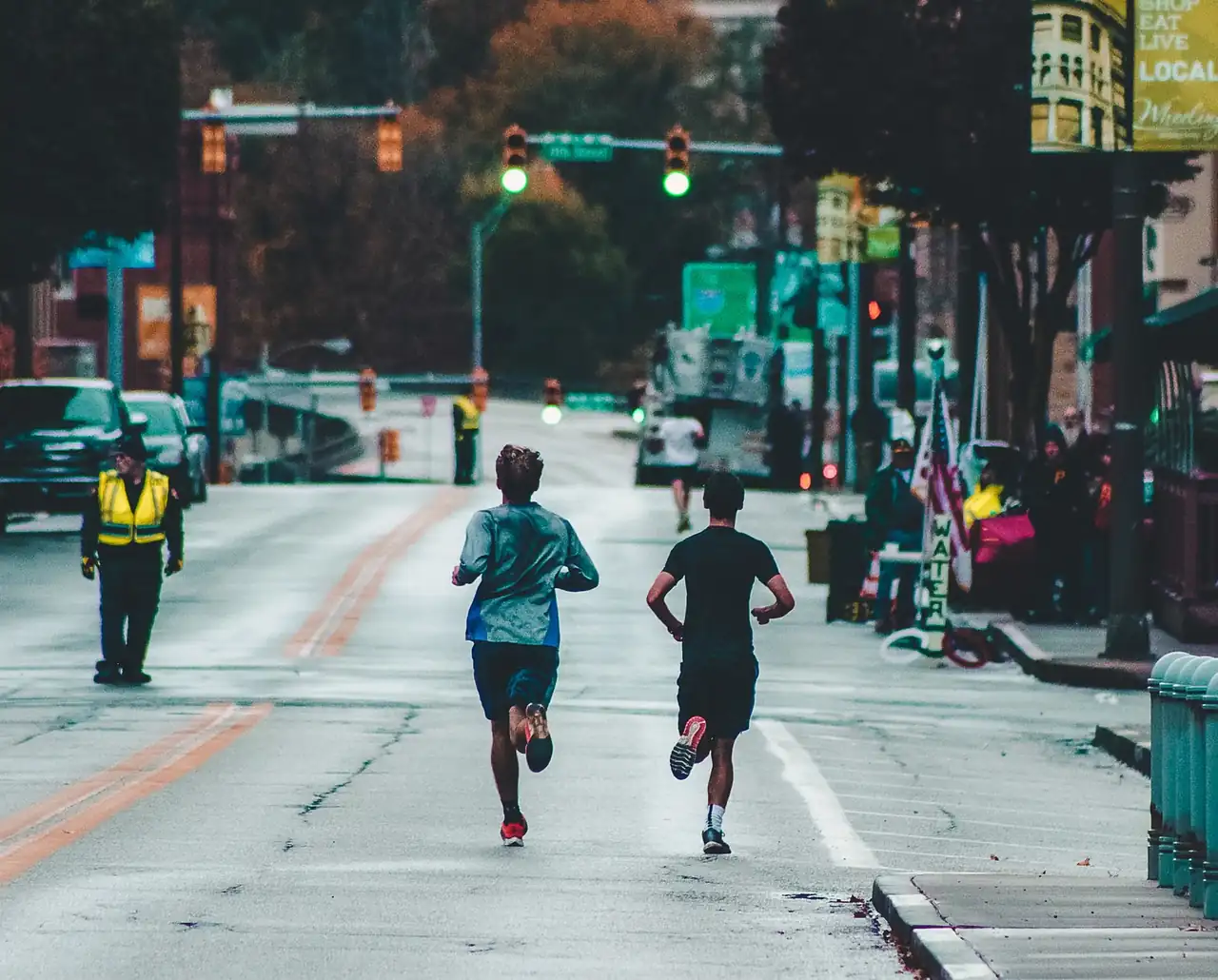
The Christmas race of Santa Coloma de Gramenet will return on December 21, 2025 with a 5-kilometer urban route, start and finish in Plaza de la Vila, and a strong charitable character. The event, linked to the Cursa dels Elfs i les Elfes, has established itself as a short, accessible, and very local race, designed to fill the city center with runners, families, and neighbors in a festive atmosphere.
Registration starts at 5 euros, and the proceeds go to the charitable cause associated with the DANA in Valencia and Castilla-La Mancha, according to the information provided by the organization. That mix of street sport, Christmas calendar, and charitable component explains much of the interest the event arouses every year, closer to an urban celebration than to a race of major marks.
A winter event with an urban and charitable stamp
Santa Coloma de Gramenet has found in this race a simple and effective formula: a short, central, and flat circuit that allows participation without specific long-distance preparation. The 5-kilometer format fits regular runners, first-timers, and people who are approaching a popular race for the first time, drawn by the December calendar and the neighborhood atmosphere.
The course is entirely on asphalt and, on paper, without any noticeable elevation gain. That makes it a comfortable option for those who prefer contained efforts and a more social than competitive experience. In events like this, the setting matters as much as the stopwatch: lights, Christmas clothing, groups of friends, and an overall pace that usually alternates running with brisk jogging and the occasional walking stretch.
The charitable dimension adds a layer of meaning that goes beyond the bib number. The funds raised by the race are allocated to a specific cause, which means many participants do not come looking for a result, but rather to be part of a collective action that turns a few kilometers into a direct contribution. In races like this, sporting value coexists with a very recognizable civic logic.
Date, time, and starting point in the city center
The organizers have scheduled the race for Sunday, December 21, 2025 at 8:00 p.m., an evening slot that fits the atmosphere of the days leading up to Christmas. The nighttime schedule also tends to give these races a very distinctive feel: lit-up shop windows, cool temperatures, and a sense of a city in motion that completely changes the usual reading of the route.
The central hub will be Plaza de la Vila, both for the start and the finish. That detail simplifies logistics and concentrates the atmosphere in a single space, something appreciated by runners and companions alike. In a 5-kilometer race, the operations center is often almost as important as the route itself, because it sets the tone before and after the event.
According to the information published by the City Council, bib pickup is made available the day before, September 5 in the municipal reference material, although that date appears linked to the communication of the Festa Major race and not to the Christmas edition. In any case, the useful information for runners is that the registration and bib collection process is usually resolved well in advance and with a very simple management scheme.
What kind of route awaits the runner
The sporting design of the event follows the logic of an urban popular race: 5 kilometers on asphalt streets, with no technical profile and passing through an environment fully familiar to the residents of Santa Coloma. There are no references to dirt sections, trails, or trail-running demands, which directs the experience toward controlled speed and the comfort of running in the city.
The lack of significant elevation favors steadier paces and makes the event a good setting for those who want to test themselves without getting into uncomfortable terrain. It also explains why this type of race attracts very different profiles: from runners looking for a respectable time in a festive setting to participants who simply want to enjoy a sporty night with friends or family.
It is worth remembering that a race of these characteristics may seem friendly on paper and yet still require a minimum of attention. The mass start, runner density, and celebratory atmosphere usually create a first kilometer faster than expected. In short races, that initial surge may seem like a minor detail, but it often conditions the second half of the course.
A format designed to add participants, not to exclude them
The race is presented as an open, popular activity, which places it in the same category as many December urban races: a gateway to recreational running and a welcoming space for those who do not compete regularly. That approach carries a lot of weight in Santa Coloma, where the course seems designed to facilitate participation rather than separate levels.
The 5-kilometer distance lowers the barrier to entry while still keeping enough sporting content so the event does not dissolve into a simple stroll. A large part of Spain’s popular race calendar moves within that range, because it allows very different profiles to coexist under the same organizational umbrella. It is a short distance, yes, but not a minor one: it demands continuity, effort management, and a certain awareness of one’s own pace.
The fact that registration starts at 5 euros reinforces that accessible profile. We are not talking about a high figure within the popular racing circuit, and that helps explain the positive reception of initiatives with a charitable component. When the financial barrier is low and the route presents no difficulties, the race almost works as a public invitation to take to the streets for a few hours.
The charitable dimension as part of the appeal
The race story cannot be understood without its charitable side. The organizers specify that the proceeds go to people affected by the DANA in Valencia and Castilla-La Mancha, a reference that places the event within the map of civic responses arising after extreme weather episodes. In the world of popular running, this connection between sport and concrete help has become increasingly common, not only because of social sensitivity, but because it gives every registration a very visible purpose.
This kind of approach changes how runners perceive the event. The race ceases to be just a five-kilometer challenge and becomes a way to contribute to a recognizable cause. Solidarity does not remain at the level of discourse; it is integrated into the act of running itself, with a practical logic that participants can understand without intermediaries. There is something especially effective about this form of participation: the gesture is small, but the impact can be broader.
It also changes the mood of the event. Charitable races usually attract a crowd less obsessed with time and more attentive to the overall atmosphere, which makes them especially suitable for those who prefer a communal experience. The result is usually a mix of simple sport, restrained emotion, and a certain sense of belonging to the area, very typical of cities that turn their streets into a course for a special night.
What this race brings to Santa Coloma’s popular calendar
Santa Coloma de Gramenet is no minor player on the metropolitan sports map. Its municipal calendar has alternated for years between club activities, neighborhood events, and popular races that connect sports practice with the daily life of the city. In that context, the Christmas race works as a recognizable piece: short, visible, and with strong neighborhood presence.
The start and finish in Plaza de la Vila help the event be read as a downtown happening, not as a race isolated in an industrial estate or a functional outskirts area. That centrality matters, because it places the race in the symbolic heart of the municipality. Those who run there are not only covering 5 kilometers; they are crossing a space loaded with local identity, with the echo of the festivities and December pedestrian traffic.
From a sporting point of view, events of this style also serve to close the year on a friendly note. They do not demand major peaks of fitness or complex strategies, but they do offer an opportunity to maintain consistency and to say goodbye to the season in a different setting from the big asphalt races. Their value is not in epic drama, but in regularity and closeness.
What it feels like to live a 5-kilometer Christmas race
Runners who approach an event like this usually find a very specific scene: music, spectators scattered around the center, people in costumes or Christmas-themed outfits, and a mix of levels ranging from occasional participants to regular short-race runners. The atmosphere matters more than the stopwatch, although both coexist naturally in this kind of proposal.
The distance also invites a more direct reading of effort. In 5 kilometers there is no time to hide a bad start or to improvise too much. The pace is set early, and the body responds almost like a metronome. That makes a short urban race feel like a small test of character: intense, brief, and very honest about the day’s form.
In a nighttime edition close to Christmas, temperature also comes into play. December in Catalonia can be cool, even cold in the evening, so the start usually calls for some layering and a prudent warm-up. The key is not to let the excitement of the start drive the heart rate up too soon, because on flat courses any excess is paid for quickly.
What to keep in mind about the 2025 edition
The available information provides a fairly clear picture of the event: confirmed date, 5-kilometer distance, urban route, affordable registration, and a charitable purpose. With these elements, the race emerges as one of the municipality’s most recognizable Christmas popular events, geared toward broad participation and street life.
Plaza de la Vila as the start and finish, asphalt as the only surface, and the absence of relevant elevation create a sporting product that is easy to understand. It does not need much embellishment: it is a city race, a calendar race, and a community race. And in a setting like Santa Coloma, that formula has its own strength, because it connects with the city’s everyday pulse and with a very specific way of experiencing running.
The Cursa dels Elfs i les Elfes of Santa Coloma de Gramenet 2025 is not trying to dazzle with technical complexity or spectacular figures. Its appeal lies elsewhere: in how it turns a short distance into a collective act, in how it uses the city center as a stage, and in how it turns a December night into something more than just a race. That is, in the end, the reason why this type of event remains on the map year after year.



How to prevent thigh chafing: causes and real solutions

Women’s running windbreakers: seven jackets and how to choose

Do more workouts get rid of soreness? A guide for runners

Jaén Half Marathon 2026: Record 3,800 Runners Registered

Men’s short running tights: how to choose the right pair

World Triathlon confirms data breach involving medical data

Izan Edo targets podium at Miyazaki World Cup

María Pérez ranks ninth in World Athletics’ 2026 top ten

Dos Santos, Duplantis and Sawe: World Athlete of the Year finalists

San Silvestre Vallecana 2026: 42,000 places, prices and start times

 Races4 months ago
Valencia Half Marathon 2027: date and registration

 Races4 months ago
Valencia Marathon 2026: entry, ballot and course

 Reviews and Comparisons4 months ago
Asics Gel-Roadmiles 3 for men: review and current price

 Reviews and Comparisons4 months ago
Asics Gel Sonoma 8 Gore-Tex: complete analysis for trail and rain

 Sneakers4 months ago
Saucony Endorphin Pro 4: full review and verdict

 News5 months ago
Strava API 2026: what changes for clubs, challenges and runner apps?

 Reviews and Comparisons5 months ago
Nike Alphafly 3: opinions, sensations, and real key points

 Reviews and Comparisons4 months ago
Under Armour running shoes review 2025-2026: models and key features

 Sports Equipment4 months ago
Shoe sizes in cm: a clear guide to getting the right fit for your footwear

 Sneakers3 months ago
Skechers GO RUN Consistent 2.0 analysis: comfort and limits

 News5 months ago
Valencia Marathon 2026 route: key tips to train and run better

 Sneakers4 months ago
Adidas Adizero Boston 13 for men: review and verdict