Races
Spanish 50 km Championship 2025: date and distance
Málaga will host the national 50 km event in 2025, with an open, masters, and overall competition format.

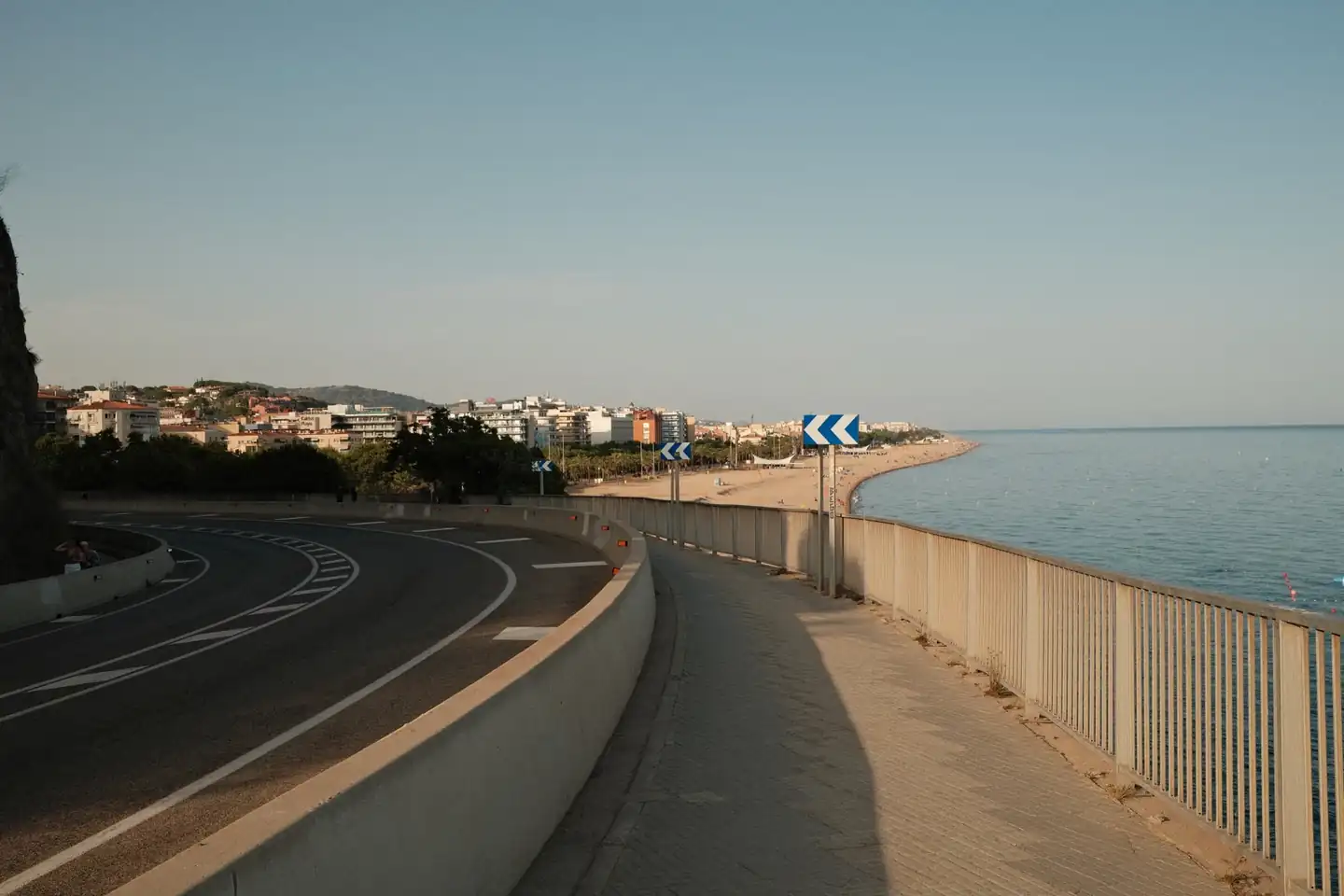
Málaga will once again be one of the key names in Spanish athletics with the staging of the national 50 km championship in 2025, an event that combines pure endurance, race awareness, and very precise effort management. The date set by the organizers is May 3, 2025, and the program places the event alongside the 100 km distance, with an open category format, masters category, and a parallel Open race.
The information already available points to a long-distance event with notable competitive weight, but also with a clear technical dimension: this is not a short-burst race, but a test of patience, nutrition, pace, and mental strength. In the national calendar, the 50 km retains that air of a major distance, less crowded than the marathon, but much more demanding in terms of skill and sustained endurance.
A venue that looks toward the long haul
The choice of Málaga is no coincidence. The city offers a familiar urban setting, with weather in May that usually suggests a fast race, although at these distances temperature stops being a decorative detail. Once you get to 50 km, heat, humidity, and prolonged exposure to the sun change the script; what would be a nuance in a 10K can here become a decisive factor.
The championship takes place in a context where Spanish long-distance running maintains a solid base of athletes capable of sustaining long efforts with great discipline. That explains why the event is understood not only as a medal on the line, but also as a snapshot of the state of national ultrarunning. The 50 km demands something different from the classic marathon: the psychological reference is not the wall at 30 or 35 km, but a second race that begins when the body has already emptied much of its reserve.
The information released through official channels also sets out shared regulations between the main competition and the Open race, open to both licensed and unlicensed athletes. This coexistence broadens the event’s appeal and gives it continuity, because it allows the championship to be seen not as an island, but as a whole day devoted to long-distance road racing.
Open category, masters, and absolute: three readings of the same distance
In an event of this kind, the categories matter just as much as the stopwatch. The absolute category concentrates the fight for the national title among the available elite, while the masters category adds another layer of competitive value, with veteran athletes who continue to deliver hugely commendable paces. The point is not minor: in long-distance running, experience is often worth almost as much as raw power.
The Open race, for its part, acts as a broader entry point. Its inclusion turns the event into a day of participation beyond the strictly licensed championship. That format is useful for understanding the ecosystem of endurance athletics in Spain: the distance is king among specialists, but it also attracts runners looking for a long-duration experience in a regulated environment with organizational support.
The coexistence of three formats on the same day creates a richer sporting narrative. It is not just about deciding who wins the championship, but about measuring how the distance behaves across different runner profiles, from athletes with podium ambitions to those looking to complete an immense physical challenge. In a sport where every kilometer counts, that diversity gives the event depth.
The 50 km, a distance that does not forgive improvisation
The 50 km remains a long-distance race with its own identity. It does not fully belong to the world of the marathon or to the most extreme ultra, but it shares features of both. The athlete needs enough speed not to sink into mediocre times and, at the same time, the ability to conserve energy that only appears when body and mind have learned to negotiate for hours.
In that terrain, the race resembles a chess match played under the sun. Going out above the proper pace can lead to very expensive bills after kilometer 30 or 35; starting too conservatively forces you to chase rivals and spend extra energy at the worst possible time. Effort management is therefore the central language of the distance.
The runner’s personal logistics also play a role: hydration, fueling, salts, muscle sensations, aid station passages, and digestive tolerance. All of that is part of the real race time. A 50 km is not won with legs alone; it is sustained with calculation, composure, and a certain humility toward the course. That is one of the reasons why the distance has so much prestige among long-distance specialists.
What already defines the 2025 edition
The available information confirms the date, venue, and competition format. The championship is scheduled for May 3, 2025, in Málaga and will share the spotlight with the 100 km, an unusual combination on the calendar, but one that makes perfect sense within long-distance athletics. The coexistence of both races reinforces the character of a major day for national ultrarunning.
There is also specific technical documentation and separate regulatory rules for the open and masters categories. That kind of material is common in licensed competitions, but in such a long distance it becomes especially relevant, because any detail about classification, participation, or checkpoint control can have a direct impact on how the race unfolds. In events like this, the fine print often matters more than it seems.
Another point already included in the official reference is the possibility of following the competition on social media with the hashtag #CE50km. It may seem like a minor detail, but it is useful for placing the event within the public conversation around athletics. Long-distance running also lives through its story, and in a discipline that is so little covered compared with others, digital visibility helps anchor the name, date, and context.
What usually defines a race like this on the Spanish calendar
A national 50 km championship is not just about handing out medals. It serves as a thermometer for the state of long-distance running in Spain, the depth of the masters categories, and the kind of athletics that remains alive away from the biggest spotlight. Its value also lies in its rarity: there are not many chances to compete at such a specific distance with an official seal and a championship structure.
For specialists, a race like this usually condenses months of preparation and a very specific idea of effort. The ultrarunner learns to live with sustained paces, with stretches of accumulated fatigue, and with a sense of time different from more explosive athletics. Over 50 km, the race stretches like a taut rope: any extra pull is felt a minute later.
The event’s relevance also has a territorial reading. Málaga becomes a reference venue for a discipline that usually seeks flat, safe routes with enough capacity to keep participants moving in an orderly way. In events of this profile, the organization of the space matters just as much as the level of the athletes, because the repetition of laps, the management of aid stations, and the reading of the course shape the full experience.
Why this distance requires a different mental preparation
The 50 km is run with the body, but it is largely solved with the mind. The wear and tear does not arrive all at once; it seeps in. First in the legs, then in posture, later in pace judgment, and, if the race truly gets long, even in the way you think. The athlete must keep making small decisions for hours, almost like a navigator correcting course by tiny angles.
The distance punishes early enthusiasm. Anyone who goes out too fast in the opening kilometers usually pays the price at the end. Anyone who hides too much may run out of chances to fight for positions. That tension turns the 50 km into a race with a strong strategic component, where experience usually saves more energy than pure force. Competitive maturity is worth its weight in gold.
That is why the national championship usually attracts runners who are very aware of their limits. There is no room for improvisation or empty heroics. What matters is discipline: drinking before getting thirsty, eating before running empty, adjusting pace before the heart rate spikes. It is precision athletics, even if the clock measures hours rather than seconds.
A day designed for specialists and experienced long-haul veterans
The inclusion of the masters category deserves special attention. In long-distance athletics, veteran status is not a decorative extra, but a school of effort management. Many older runners know better than anyone the limits of the distance, have learned to read discomfort, to distinguish a bad stretch from a dangerous drift, and to compete with the calm that experience brings.
The masters race adds competitive density and prevents the championship from becoming just a battle between a few absolute stars. It also reinforces the idea that ultrarunning performance does not disappear abruptly with age; it changes, redistributes, and often becomes sharper. Over such a long distance, craft compensates more than isolated speed.
That balance between youth and experience gives the event a more complete reading of Spanish long-distance running. It is not just a race for a few selected athletes; it is a scene where different ways of understanding endurance coexist. Some will run against the clock, others against fatigue, and others against the memory of previous races. All, however, will be measured against the same physical truth: 50 km are still 50 km, even if the course seems friendly.
What to watch in the Málaga edition
Journalistic attention in a race like this usually focuses on three levels. First, the competitive standard that makes it to the start, because that defines the sporting value of the medal. Second, the behavior of the course and the weather, two factors that can change the race’s meaning more than any prior forecast. Third, overall participation, which helps measure the real interest in the distance in the country.
It will also be worth seeing how the organization of the 50 km and 100 km events fits into the same venue. That combination is unusual and requires very fine-tuned logistics, from timing control to the management of checkpoint areas. In extreme endurance races, operational precision does not shine in photos, but it supports the entire competitive experience. Without a clear structure, the athlete’s effort loses part of its framework.
The 2025 championship, therefore, should not be understood only as a date marked on the calendar. It functions as a long-distance reference point for Spanish athletics, a place where tradition, endurance, and tactical reading intersect. Málaga will host a race that allows no shortcuts and that, precisely for that reason, retains a singular appeal for those who value truly long distances.
The weight of a distance that remains minor yet essential
In times of increasingly crowded races, the 50 km still retains a somewhat reserved-territory status. Not because of empty exclusivity, but because it requires a way of competing that is incompatible with haste. That rarity gives it strength: where the marathon has become a great avenue, the 50 km is more like a long, quiet path marked by consistency.
The Málaga edition adds an institutional layer to that rarity. As the Spanish championship, the race gains symbolic and competitive value; by including absolute, masters, and Open, it broadens its reach; and by holding the day alongside the 100 km, it places ultrarunning at the center of the stage. It is an event that orders hierarchies and reveals who can truly endure.
The reference left by the organizers is clear: a specific date, a defined venue, and a structure designed to bring together specialists of different profiles. What comes next—times, names, and classifications—will belong to the sporting development of that day. But the map is already drawn. In May 2025, Málaga will once again test Spanish athletics over a distance where the clock punishes and patience decides.
A race that tests Spanish long-distance running without makeup
The value of this championship lies in its honesty. It offers no tricks or embellishments: it demands consistency, a cool head, and a very clean relationship with effort. In a single day, the 50 km separates those who endure from those who merely keep pace for a stretch. And that selection, harsh but transparent, explains why the distance maintains its prestige among those who know long-distance running well.
May 3, 2025, will thus be marked as a date for national ultrarunning. Málaga will provide the stage; the athletes, the competitive tension; and the distance, its share of truth. In a 50 km race, every kilometer has a memory, and that turns the championship into something more than a race: a precise measure of endurance, craft, and character.



How to prevent thigh chafing: causes and real solutions

Women’s running windbreakers: seven jackets and how to choose

Do more workouts get rid of soreness? A guide for runners

Jaén Half Marathon 2026: Record 3,800 Runners Registered

Men’s short running tights: how to choose the right pair

World Triathlon confirms data breach involving medical data

Izan Edo targets podium at Miyazaki World Cup

María Pérez ranks ninth in World Athletics’ 2026 top ten

Dos Santos, Duplantis and Sawe: World Athlete of the Year finalists

San Silvestre Vallecana 2026: 42,000 places, prices and start times

 Races3 months ago
Valencia Half Marathon 2027: date and registration

 Races3 months ago
Valencia Marathon 2026: entry, ballot and course

 Reviews and Comparisons4 months ago
Asics Gel-Roadmiles 3 for men: review and current price

 Reviews and Comparisons4 months ago
Asics Gel Sonoma 8 Gore-Tex: complete analysis for trail and rain

 Sneakers3 months ago
Saucony Endorphin Pro 4: full review and verdict

 News5 months ago
Strava API 2026: what changes for clubs, challenges and runner apps?

 Reviews and Comparisons5 months ago
Nike Alphafly 3: opinions, sensations, and real key points

 Reviews and Comparisons4 months ago
Under Armour running shoes review 2025-2026: models and key features

 Sports Equipment4 months ago
Shoe sizes in cm: a clear guide to getting the right fit for your footwear

 Sneakers3 months ago
Skechers GO RUN Consistent 2.0 analysis: comfort and limits

 News5 months ago
Valencia Marathon 2026 route: key tips to train and run better

 Sneakers4 months ago
Adidas Adizero Boston 13 for men: review and verdict