Races
Toro Half Marathon: facts, route and key points of the race
The Zamora race brings together 21K and 10K on a fast urban course, with history, a great atmosphere, and a comfortable route.

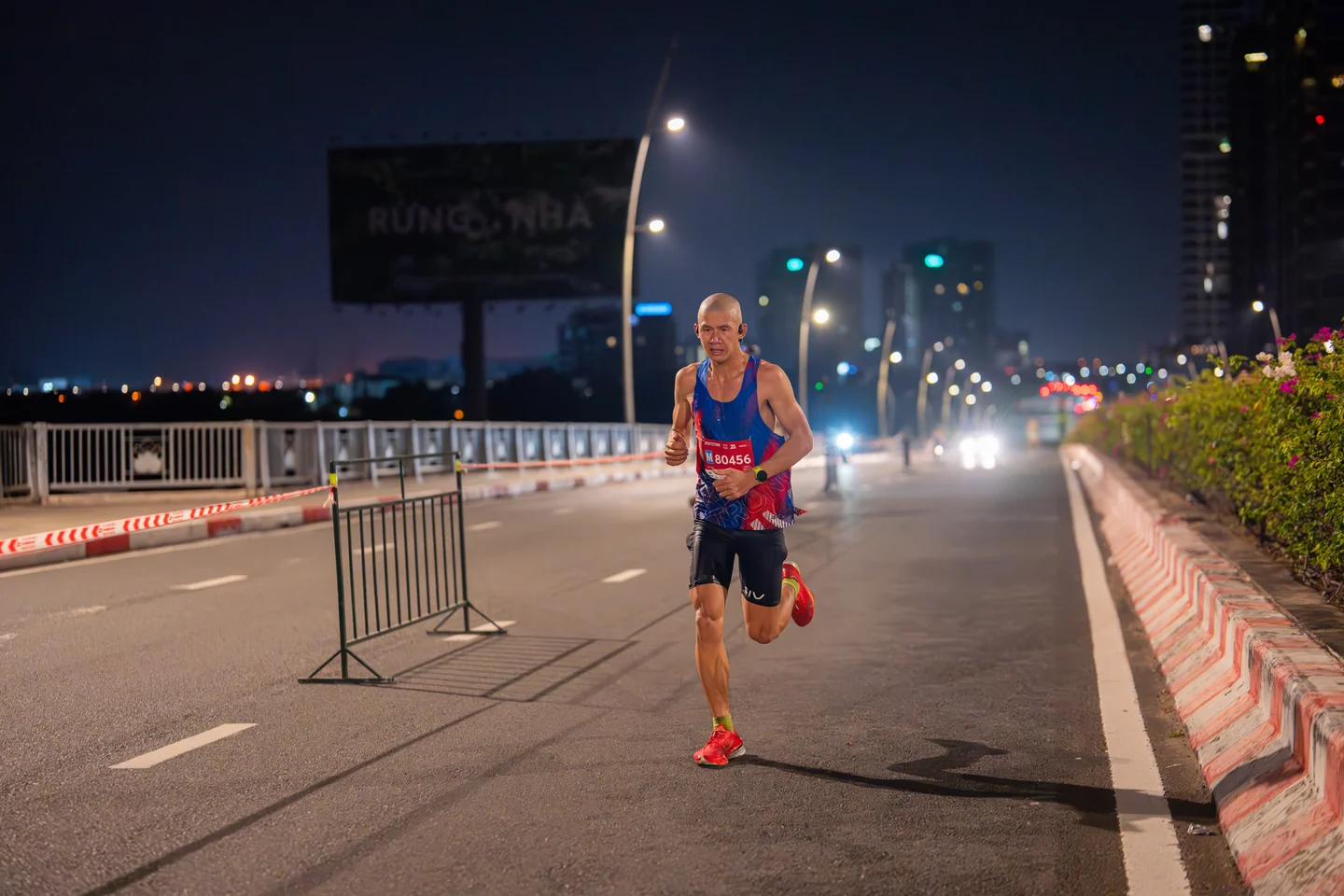
Imagen: VANNGO Ng / Pexels
The Toro Half Marathon has established itself as one of Zamora’s most recognizable road events thanks to its mix of urban course, 21.0975-kilometer distance and a 10-kilometer alternative that broadens the field of runners. The race takes place at the end of January and turns the city into an open circuit where heritage, streets and the pulse of competition move at the same pace.
The most recent reference places the latest edition held on January 25, 2026, with start and finish in Toro and a clear international presence, as well as a notable turnout of Spanish athletes. In sporting terms, the event offers a simple but effective reading: a half marathon for those looking for endurance and a shorter distance for those who prefer to test themselves on a fast course, without leaving the asphalt or getting complicated with extreme elevation changes.
A race that turns Toro into a sporting stage
Toro is not presented here as a mere backdrop. The city has its own weight in the runner’s experience, because the architecture, the streets and the feeling of running among stone and tradition are part of the added value of the race. That combination explains much of the interest the event arouses among those looking for more than just a stopwatch: a winter race with a recognizable identity and an atmosphere that does not depend on huge crowds, but on a closer connection with the surroundings.
The appeal lies in the fact that the competition is not limited to adding up kilometers. The runner passes through a town with history, monumental presence and a different rhythm from that of the big capitals. That creates a race with its own personality, where the asphalt serves as a thread connecting urban stretches and heritage landmarks. In that mix, Toro has a clear advantage: it offers a race competitive enough for those chasing a time and, at the same time, friendly enough for those who prioritize finishing with good feelings.
The date matters too. Running at the end of January means cold temperatures, dry air and conditions that are usually more favorable for sustaining effort than in hotter events. For many runners, that winter Castilian-Leonese setting can be an advantage, as long as the warm-up and race-day clothing are handled well. The body responds better when it does not have to fight the heat, although the start does require more attention to the ambient cold.
Distances, profile and type of race
The competitive offering of the event is concentrated in two official distances: half marathon and 10 kilometers. That formula is practical and consistent with the kind of race Toro proposes. It does not spread the program across too many categories and focuses interest on two events well understood by popular runners, both on asphalt and with an urban reading. It is an organization designed so that the runner immediately knows what they are going to find: a city route, a steady course and an environment that favors a clear experience, without technical excesses.
The half marathon demands the usual: patience, sustainable pace and a cautious start. The 21K does not allow for disordered bursts, especially when the temperature encourages pushing too hard in the first kilometers. The 10K distance, on the other hand, acts as an entry point for those who are not yet ready to jump to the half marathon or who want a more intense, shorter race. In both cases, the value of the event lies in its road character and accessible reading, without the demands of trail running or the wear and tear of a full marathon.
In this kind of race, the surface matters almost as much as the atmosphere. Asphalt allows for more stable paces and a less irregular stride, something that usually appeals to those looking to test themselves in winter. There is no mud, no trails, no sudden changes in terrain. There are streets, corners, visual references and the classic dialogue between breathing and stride. That apparent simplicity is, in reality, one of the reasons why races like Toro’s continue to find their place in an increasingly crowded calendar.
What the latest results reveal
The World Athletics records for the 2026 edition give a useful snapshot of the competitive level. In the men’s race, the winner posted 1:00:24, followed by the runner-up just one second behind, with a tight battle at the top of the standings. In the women’s race, the winner finished in 1:06:33, a figure that places the race at a very respectable level and confirms that the event brings together athletes capable of sustaining demanding paces over the 21.0975 kilometers.
Beyond the names themselves, those times speak of a race with real sporting interest. We are not looking at a token event or a simple winter stroll. There is competition, solid times and a broad field of runners that includes athletes from different countries, along with an important Spanish presence. That mix usually enriches the race because it adds variety to the pack and raises the tone of the day without losing the local stamp.
The very structure of the results also suggests that the course allows for relatively continuous running. When the leading times are around the hour mark for men and under 1:10 for women, there is usually an organization behind it that favors the flow of effort, at least for those who position themselves well from the start and know how to manage the first half of the race. The half marathon rarely forgives improvisation, but it also does not punish too harshly when the course helps stabilize the pace.
What kind of runner fits this event best
The Toro Half Marathon is especially well suited to three profiles. The first is the runner looking for a winter half marathon with a local atmosphere, without the logistical pressure of the big cities. The second is the one who wants a fast asphalt race to measure their fitness at the start of the season. And the third is the runner who values the setting as much as the final time: a compact city, a human-scale organization and a more intimate than massive experience.
The 10K distance adds interest for another type of participant: someone who has not yet made the leap to 21 kilometers, someone who wants a serious test without emptying the tank completely, or someone who simply prefers the contained intensity of a short race. In an increasingly fragmented calendar, that dual format works well because it opens the door to different goals without breaking the event’s identity.
There is also a tactical component. Urban winter races usually reward those who know how to start with their head, protect themselves from the cold and avoid spending too much in the first kilometers. In a race like Toro’s, where the asphalt orders the effort and the surroundings keep the focus, strategy can be just as decisive as fitness. A poor distribution of effort is paid for quickly; a clean execution translates into a more comfortable race and a steadier finish.
Toro, heritage and race rhythm
An important part of the value of this race lies in the fact that the city does not merely host the start and finish. Toro provides a backdrop that turns the race into an experience with context. The runner does not just see kilometer markers; they see streets steeped in history, stone volumes, the atmosphere of a Castilian town and a very direct relationship between the sporting event and the urban fabric. That makes the race easier to remember and gives the post-race story more depth than that of a race without visible personality.
The city also helps explain why this kind of event remains relevant in Spanish running. While some races are built on scale and others on natural scenery, Toro finds its place in the combination of heritage and competition. That mix gives it a narrative advantage: the runner can talk about their time, yes, but also about a city experience, a cold Sunday and a course that leaves recognizable images.
For the public, that same factor translates into a more readable race. The spectator understands where the runner is, how they are moving and what each step represents. It does not take a huge setup to create atmosphere; a city that accompanies, a clear route and a finish that concentrates the energy are enough. In that sense, Toro works as a mid-scale race with enough ambition to keep the competitive interest alive and a distinct identity that does not get confused with other events on the calendar.
How a race like this is read in the Spanish calendar
On the national map, races like this serve a very specific purpose. They do not necessarily compete with the big marathons or mass-participation half marathons, but instead occupy a very valuable middle ground. They are races where the runner can chase a serious time, gain experience or open the year with a race well placed in the season. That position, discreet but relevant, explains why they continue to attract attention beyond the province.
In addition, the fact that the event takes place in January places it at a strategic moment. For many runners, the start of the year is an ideal time to test sensations after the Christmas break or to turn winter into a competitive window. A half marathon at this time of year works as a fitness gauge and, at the same time, as an excuse to get back into training routine with a concrete goal on the horizon.
The race, therefore, is not understood only by its results or its official distance. It is understood by its place in the calendar, by the way it makes use of the city and by the combination of competitiveness, accessibility and urban setting. That combination makes it useful for runners of different profiles, from those looking to sharpen a time to those who simply want to run with clean sensations on a well-organized winter day.
What makes this half marathon different
There are races that stand out for their size and others for their media noise. Toro, instead, is distinguished by a more restrained mix: a city with historical presence, an urban road course, two well-defined distances and a race atmosphere that does not need gimmicks. That restraint, far from reducing its appeal, gives it character. The event seems to tell the runner that what matters here is running well, feeling part of the place and leaving with an honest reference of their fitness.
The race also reflects a trend very present in popular running: the interest in events that offer experience and context without losing sporting rigor. It is not all about the personal best, even if the time still matters. It also counts to feel that you have run in a city with identity, that you have handled a winter half marathon well and that you have taken part in an event that keeps a balance between competition and urban landscape.
With that formula, the Toro Half Marathon stands as a solid proposition within the calendar. It has distance, it has history, it has competitive level and it has a clear reading for the runner. In a sport where spectacle and real interest are sometimes confused, this race reminds us of something essential: a good race does not need grandiloquence to leave a mark. A well-designed course, a city that accompanies and a few kilometers that, in the end, say much more than they seem to.
An event that keeps growing without losing its human scale
Toro’s recent presence on the calendar shows a race with continuity and the ability to attract runners of different levels. That stability is a value in itself, because many races fade away amid format changes, logistical problems or a lack of identity. Here the opposite happens: the event maintains its essence, keeps its two distances and continues to offer a recognizable experience for those who return and for those who arrive for the first time.
The human scale also matters. In a time when some races seem designed for the headline rather than the runner, Toro retains a more approachable dimension. That does not mean less demanding. It means another way of organizing interest: less noise, more clarity; less prefabricated spectacle, more real racing. For the popular runner, that formula is usually more valuable than it may seem from the outside.
That is why the Toro Half Marathon continues to occupy its own space. It does not pretend to be anything else: a road half marathon, a 10K alternative and a day of running with Zamoran identity. And precisely in that coherence lies its strength. Anyone looking for a January race with an asphalt course, serious atmosphere and a setting with character already knows where to look.



How to prevent thigh chafing: causes and real solutions

Women’s running windbreakers: seven jackets and how to choose

Do more workouts get rid of soreness? A guide for runners

Jaén Half Marathon 2026: Record 3,800 Runners Registered

Men’s short running tights: how to choose the right pair

World Triathlon confirms data breach involving medical data

Izan Edo targets podium at Miyazaki World Cup

María Pérez ranks ninth in World Athletics’ 2026 top ten

Dos Santos, Duplantis and Sawe: World Athlete of the Year finalists

San Silvestre Vallecana 2026: 42,000 places, prices and start times

 Races4 months ago
Valencia Half Marathon 2027: date and registration

 Races4 months ago
Valencia Marathon 2026: entry, ballot and course

 Reviews and Comparisons4 months ago
Asics Gel-Roadmiles 3 for men: review and current price

 Reviews and Comparisons4 months ago
Asics Gel Sonoma 8 Gore-Tex: complete analysis for trail and rain

 Sneakers3 months ago
Saucony Endorphin Pro 4: full review and verdict

 News5 months ago
Strava API 2026: what changes for clubs, challenges and runner apps?

 Reviews and Comparisons5 months ago
Nike Alphafly 3: opinions, sensations, and real key points

 Reviews and Comparisons4 months ago
Under Armour running shoes review 2025-2026: models and key features

 Sports Equipment4 months ago
Shoe sizes in cm: a clear guide to getting the right fit for your footwear

 Sneakers3 months ago
Skechers GO RUN Consistent 2.0 analysis: comfort and limits

 News5 months ago
Valencia Marathon 2026 route: key tips to train and run better

 Sneakers4 months ago
Adidas Adizero Boston 13 for men: review and verdict