Races
Trail Castillo de Anzur 2026: date and distances
Three distances, technical trails and local heritage at a mountain event scheduled for November in Puente Genil.

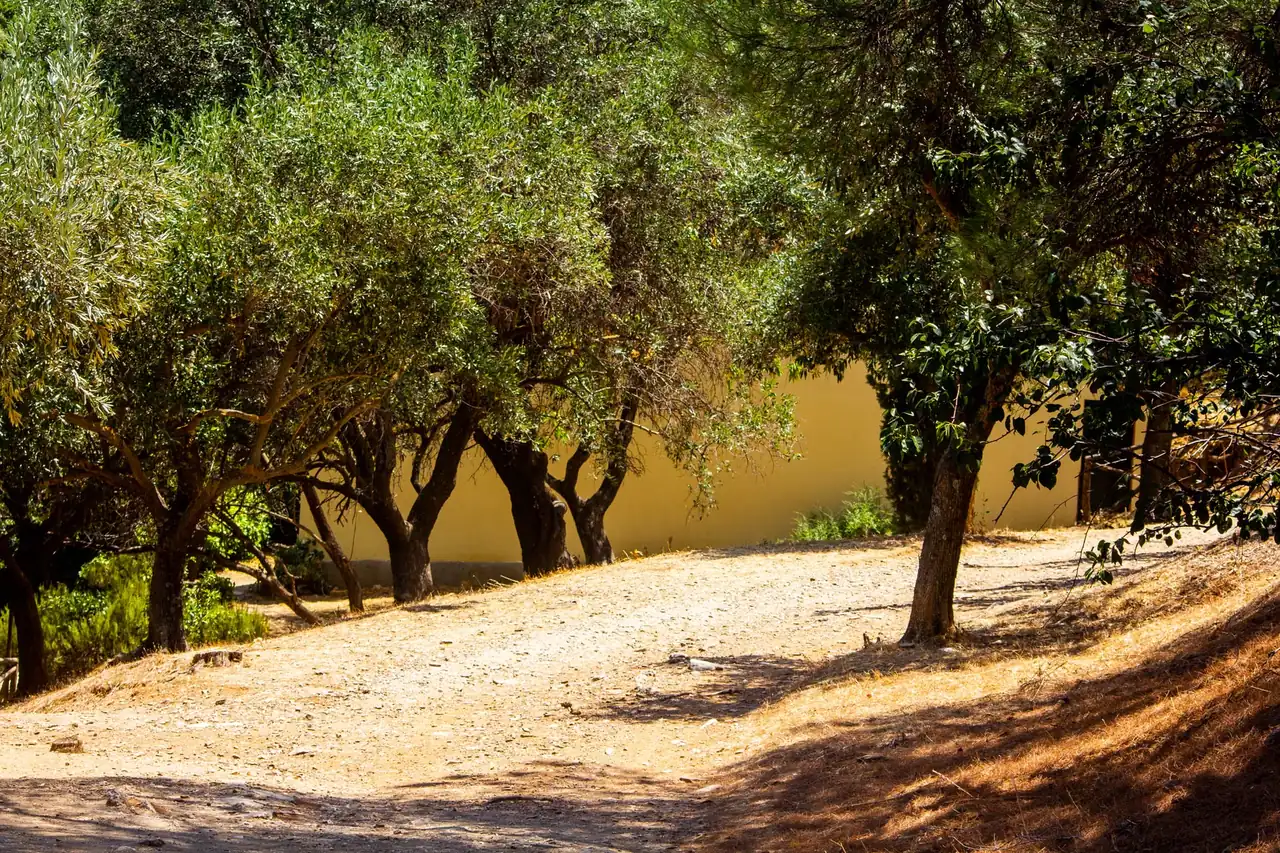
Puente Genil will host the sixth edition of its mountain race on November 1, 2026, in the area around Castillo Anzur. The event features a 26-kilometer trail, a 15-kilometer mini trail and a noncompetitive 17-kilometer walk, starting and finishing beside the Piscina Cubierta-Espuny. The routes cross rural tracks, footpaths, technical sections and riverside areas in the countryside around the Córdoba municipality.
The event is also part of the Córdoba Provincial Mountain Running Championship, with individual and team classifications. It is not simply one race with minor variations: the program combines a demanding trail, a middle-distance option and a walk for those who would rather cover the terrain without competing. Available information lists positive elevation gain of 1,175 meters for the trail, 465 meters for the mini trail and 295 meters for the walk.
Date, location and character of the race
The sixth edition is scheduled for Sunday, November 1, 2026, in Puente Genil, in the province of Córdoba. The Piscina Cubierta-Espuny area serves as a reference point for both the start and finish, useful for participants and spectators alike. The event is organized by Club Ocho Picos Trail and takes place around the town, Castillo Anzur, Cordobilla and the Genil River.
The location shapes a race that leaves the urban area and soon enters a patchwork of rural tracks, footpaths and low scrubland. The landscape is not an afterthought: it affects the pace, the feel and the difficulty of each format. On rougher sections, runners may need to watch their footing; on more open tracks, it is easier to maintain a steady rhythm, although the accumulated climbing still matters.
The event also uses the name Battle of Arnizol, a historical reference associated with the site. This link between sport and place distinguishes it from an urban road race: the route is made up of tracks, rocky trail sections and paths by the river, in a landscape marked by agriculture and local history. The date is confirmed in the available information, but registration details should be treated cautiously because the advertised deadline differs from the status shown by the registration platform.
Three formats for different paces
The longest distance covers 26 kilometers and 1,175 meters of positive elevation gain. It is the most physically and technically demanding option in the program, suited to runners with mountain experience and the ability to sustain effort over a long route. Elevation, as well as distance, adds to the workload: climbs raise the heart rate, while descents over uneven ground call for control, balance and concentration.
The mini trail covers 15 kilometers and gains 465 meters. It substantially reduces both distance and climbing, while retaining the character of a mountain race and the trails and tracks around the area. The mini-trail label does not make it a walk: surfaces and changes in gradient can be decisive, especially for runners more accustomed to asphalt or smooth paths.
The third option is a noncompetitive walk covering 17 kilometers with 295 meters of positive elevation. It allows participants to complete the route on foot without chasing a ranking. The distance falls between the other two in length but has less elevation gain than either race. The formats differ in their combination of distance, elevation and purpose; the right choice depends on the experience someone wants and their preparation, not just the number of kilometers.
The available figures make it possible to compare the formats without conflating them. The trail is nine kilometers longer than the mini trail and adds 710 meters of positive elevation; compared with the walk, the long race adds another nine kilometers and 880 meters of climbing. The mini trail is two kilometers shorter than the walk but has 170 meters more elevation gain. This relationship between distance and climbing explains why the middle-distance option may feel more demanding than its name suggests.
A route through olive groves, scrub and riverside paths
The course links rural tracks, footpaths, rocky trail sections and areas near the Genil River. The terrain alternates between surfaces that allow runners to move freely and others where a shorter stride and careful footing are advisable. The available descriptions point to a landscape of olive groves, low vegetation and technical sections, a combination common in Córdoba mountain races but shaped by slope, ground firmness and trail conditions.
Riverside sections add contrast to a route that also crosses farmland and scrub. It is not a uniform circuit: runners may move from an open track to a narrower footpath, then encounter stones or a slope. Without a detailed official map in the available information, it would be unwise to assign specific surfaces to particular kilometer markers or describe the exact sequence of sections.
Positive elevation gain is an objective measure of accumulated climbing, but it does not tell the whole story of a course’s difficulty. Two routes with similar figures can feel quite different if one concentrates the climbs while the other spreads them out. Here, the published totals —1,175, 465 and 295 meters of positive elevation— help indicate the workload of each format, though the full profile and trail conditions also determine the effort involved.
The changing surfaces suggest a race with an uneven rhythm, more like a conversation between runner and terrain than a steady road run. On runnable sections, it may be tempting to speed up; on rocky trail, control matters as much as strength. That alternation is central to the experience and helps explain why the event may appeal both to regular trail runners and to athletes seeking a first mountain race, provided they choose a format suited to their ability.
The provincial championship and its competitive dimension
The 2026 edition forms part of the Córdoba Provincial Mountain Running Championship, with individual and team classifications. This gives the event a sporting dimension beyond recreational participation: results may matter to those competing in the provincial calendar and following Córdoba’s mountain races.
The combination of a championship, mini trail and walk brings different kinds of participants to the same setting. The main race calls for endurance and the ability to move across uneven terrain; the middle distance places greater emphasis on balancing intensity and duration. The walk, without a competitive ranking, offers a different relationship with the landscape and broadens participation without turning every format into a race.
The available sources do not detail the categories, full regulations, scoring criteria or start time for each format. Those details should not be inferred from the distance or the presence of a championship: they may depend on the organizers’ rules. It is also worth distinguishing the event’s general results from the specific championship standings, which are governed by their own regulations.
Registration and details to check
General information says registration was due to remain open until October 23, 2026, unless places sold out earlier. However, the registration platform cited in the reference information shows registration as closed and lists a limit of 770 participants. Given that discrepancy, the most cautious status for this event is to regard registration as closed on the available platform rather than assume a place is still available.
The registration fee is not included in the supplied information, so there is no reliable figure to report or basis for comparing prices by format. It is also unclear whether processing fees, included services or change and refund conditions apply. In events with several distances, these details can vary by format; quoting one unconfirmed price could be misleading.
The main event information places the start and finish beside the Piscina Cubierta-Espuny. Another published detail names Calle Elio Antonio de Nebrija as the start and finish location, so both references appear to relate to the same area, but they do not establish a precise postal address. Start times are also unconfirmed in the available information. The date, municipality and distances are identified; start times, fees and the exact access point need confirmation in the current event information.
It is also useful to check the rules for each format before travelling, particularly because the walk is noncompetitive and the main race forms part of a championship. Participation conditions, time limits, aid stations, mandatory equipment and bib policies are not described consistently in the references reviewed. Details from old reports about previous editions should not automatically be treated as features of the current event.
Castillo Anzur as landscape and memory
The site that gives the race its identity holds an important place in local history. Organizers’ references connect Castillo Anzur with the Battle of Arnizol and its former strategic value as a lookout point. That historical dimension adds meaning to the route without displacing the main concern for runners: the physical experience of moving through a landscape where farmland, relief and traces of the past meet.
The heritage connection is especially visible in a race that is more than a functional circuit. Passing through the area around Castillo Anzur, Cordobilla and the Genil River places the sporting event within Puente Genil’s specific geography. Participants may encounter the scenery in fragments: an open hillside, the edge of an olive grove, a narrow track or denser riverside vegetation. Together, those scenes form part of the appeal of a mountain race.
The link between history and sport does not mean that every participant covers the same route or experiences the day at the same pace. The long distance may call for a strategic approach to effort, while the walk allows more attention to the surroundings. The mini trail offers a middle ground in distance but remains a race. In all three formats, the event’s identity comes from the combination of terrain, rural landscape and historical memory, not just the final time.
A race shaped by the terrain
The November event brings together the elements of a mountain race with a strong local identity: three formats, different elevation profiles and a course linking footpaths, tracks and riverside areas. The 26-kilometer distance presents the biggest challenge; the mini trail reduces the workload without leaving natural terrain, while the walk offers a noncompetitive 17-kilometer option. Its place in the provincial championship adds interest for those following Córdoba’s mountain-running calendar.
The most reliable information places the event on November 1, 2026, in Puente Genil and confirms the variety of its terrain. Registration status, however, is inconsistent; the price is unavailable, and details such as start times and the full course profile are missing. Separating confirmed information from details that need verification gives readers a realistic picture without filling gaps with assumptions.
On a map, distance and elevation describe the scale of the challenge; on the ground, trail surfaces, slopes and chosen pace will shape each experience. That combination of effort and landscape explains the event’s appeal: a race that puts Puente Genil and its natural surroundings at the center, offering different ways to explore them, from mountain competition to a noncompetitive walk.



How to prevent thigh chafing: causes and real solutions

Women’s running windbreakers: seven jackets and how to choose

Do more workouts get rid of soreness? A guide for runners

Jaén Half Marathon 2026: Record 3,800 Runners Registered

Men’s short running tights: how to choose the right pair

World Triathlon confirms data breach involving medical data

Izan Edo targets podium at Miyazaki World Cup

María Pérez ranks ninth in World Athletics’ 2026 top ten

Dos Santos, Duplantis and Sawe: World Athlete of the Year finalists

San Silvestre Vallecana 2026: 42,000 places, prices and start times

 Races3 months ago
Valencia Half Marathon 2027: date and registration

 Races3 months ago
Valencia Marathon 2026: entry, ballot and course

 Reviews and Comparisons4 months ago
Asics Gel-Roadmiles 3 for men: review and current price

 Reviews and Comparisons4 months ago
Asics Gel Sonoma 8 Gore-Tex: complete analysis for trail and rain

 Sneakers3 months ago
Saucony Endorphin Pro 4: full review and verdict

 News5 months ago
Strava API 2026: what changes for clubs, challenges and runner apps?

 Reviews and Comparisons5 months ago
Nike Alphafly 3: opinions, sensations, and real key points

 Reviews and Comparisons4 months ago
Under Armour running shoes review 2025-2026: models and key features

 Sports Equipment4 months ago
Shoe sizes in cm: a clear guide to getting the right fit for your footwear

 Sneakers3 months ago
Skechers GO RUN Consistent 2.0 analysis: comfort and limits

 News5 months ago
Valencia Marathon 2026 route: key tips to train and run better

 Sneakers4 months ago
Adidas Adizero Boston 13 for men: review and verdict