Races
Trail Fira de Tots Sants 2026: date, distances and course
Cocentaina hosts a Nov. 8 event with 8- and 20-kilometer trail options and a noncompetitive walking route.

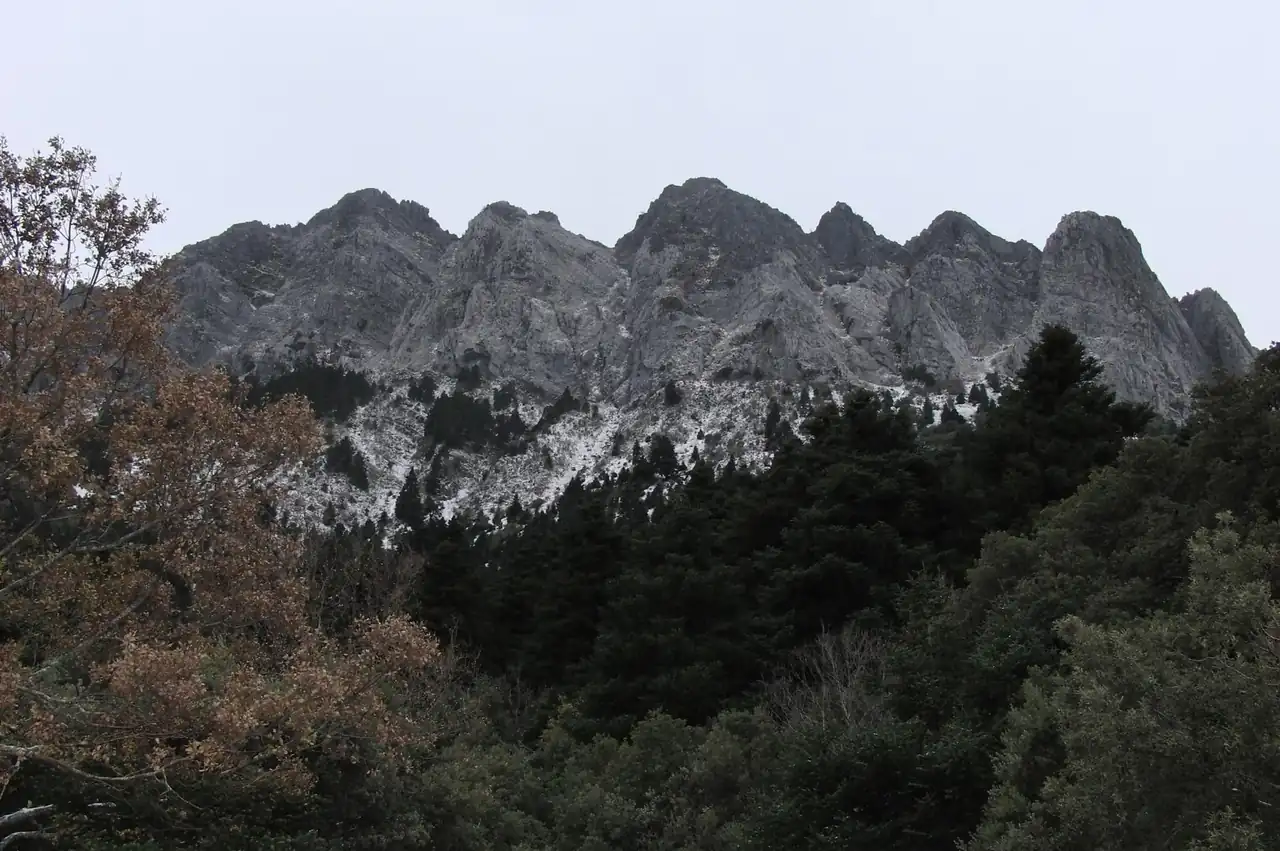
On Nov. 8, 2026, Cocentaina will once again bring trail running to the autumn sports calendar with an event offering 20- and 8-kilometer routes, as well as an 8-kilometer noncompetitive walk. The event information associates the start and finish with the Pla square area in the Alicante municipality, although the available details do not yet specify schedules or operational arrangements.
According to published event information, the race runs mainly through the surroundings of the Sierra de Mariola Natural Park. The available data do not include an official map, total elevation gain, aid-station locations or entry fees, so these details should be considered unconfirmed. Distance alone indicates the effort involved, but it cannot reveal the actual difficulty of a mountain course.
Date, location and planned event options
The event is scheduled for Sunday, Nov. 8, 2026, in Cocentaina, in Alicante province. The address associated with the event is Pla Square, 1, postal code 03820. It is a useful reference for finding the area, but it does not by itself confirm the exact start line, bib pickup location or parking areas.
The event offers three options: a 20-kilometer trail race, an 8-kilometer trail race and an 8-kilometer noncompetitive walk. The information reviewed does not explain whether they share a start time, part of the route or services, so it should not be assumed that the walk follows exactly the same course as the shorter race.
The event is described as a mountain race and is linked to the Sierra de Mariola. That reference establishes the geographical setting, but it does not replace a course guide: elevation gain, surface and specific difficulty have not yet been published in the available information. They are key factors when choosing an event option and preparing for race day.
What is known about the course and what remains unconfirmed
The event description says that the route runs mostly through the Sierra de Mariola Natural Park. In mountain terrain, horizontal distance tells only part of the story: climbs, uneven ground and changes in pace increase the physical cost compared with a road race. Without an official profile, it is not possible to estimate how long each option may take.
The reference information also does not provide a kilometer-by-kilometer map, a positive elevation figure, technical sections or the location of aid stations. These details should not be inferred from the park’s name or the advertised distance; two 20-kilometer routes can make very different demands.
Before traveling, it is worth checking the organizer’s updates about the final route, possible changes and participation conditions. In mountain races, weather or trail conditions may require route adjustments. The general reference to a natural area does not establish whether the course includes exposed sections, muddy stretches or loose rock.
How to interpret the three event options
The longer route, at 20 kilometers, is intended for participants looking for a longer trail outing with a greater physical load. Without published elevation data, that distance is not equivalent to 20 flat kilometers: climbing and descending on trails can extend the effort and require more attention to technique, especially as fatigue sets in.
The 8-kilometer option is shorter, though that does not necessarily remove the challenges of mountain terrain. It may be a more reasonable choice for beginners if the profile and regulations suit their experience. The noncompetitive walk offers another way to explore the area, with a different approach from racing, but its rules and permitted pace should also be checked.
Distance labels identify the options; they do not automatically compare their level of difficulty. Elevation and surface matter as much as kilometers: a sustained climb or technical descent changes muscle demands and activity duration. The choice should be based on the technical information once it is published, as well as on personal experience in the mountains.
Preparing for a 20-kilometer trail race
Preparing for a mountain race takes more than accumulating miles on flat ground. A consistent aerobic base helps sustain effort, while runs on hilly trails help the body adapt to pace changes and less predictable foot placement. Gradual progression matters: suddenly increasing distance or elevation can strain muscles and tendons.
Training should also include brisk uphill hiking and controlled descents. There is no requirement to run every climb in a trail race; walking purposefully can be more efficient and preserve energy for the rest of the course. Practicing on varied surfaces can improve balance and help runners recognize when to shorten their stride or slow down.
The Cocentaina event does not yet have a technical profile in the information reviewed, so it would be unwise to build a specific training plan around assumed elevation gain. Sessions should be adjusted to the information published by the organizers, with recovery days retained. For persistent pain or an injury, assessment by a health professional is more appropriate than pushing the workload.
Equipment and mountain conditions
Footwear should suit the terrain and feel comfortable in training, not merely match the distance. Trail shoes usually provide more grip and protection than road shoes, but the right outsole depends on the actual surface. Wearing a new model on race day adds needless uncertainty, especially in an event that may include uneven sections.
Clothing should allow free movement without chafing and suit the forecast. November can bring changes in temperature and humidity, but no reliable forecast is available so far ahead. A light removable layer, tested socks and rain protection if the forecast calls for it are more sensible choices than relying on a particular weather condition.
Any mandatory equipment has not yet been listed in the available information. The final requirements should come from the official rules, which may specify items such as a fluid container, phone or emergency blanket. Such requirements should not be attributed to the race without confirmation; it is still sensible to carry only tested gear and make sure it does not restrict movement.
Registration, fees and race services
The information reviewed does not give the entry fee, registration deadlines, participant limit or sign-up process. Some event listings direct readers to official channels for these details, but no verifiable official website address is provided. For that reason, there is no confirmed fee to report, and there is not enough information to establish whether registration is open.
Bib pickup, start times, available services and change or refund policies also remain unclear. These practical details may differ by event option. The noncompetitive walk may have rules that differ from those of the two trail races, but that distinction should be checked in the regulations rather than assumed.
One listing says the organizer has not been verified by a directory it consulted. That does not prove the event has no organizer; it means the platform has not confirmed the organizer’s identity. To avoid errors, check updates through the event’s own channels or those of the organizer once they have been identified.
The setting around Cocentaina
Cocentaina lies inland in Alicante, beside a range of hills that helps explain the appeal of a local mountain race. The proximity of the Sierra de Mariola gives the event a different backdrop from urban circuits: the sound of footfalls on dirt and stone, the slopes and vegetation are part of an experience in which the landscape shapes the pace.
The reference to a natural park also calls for respect for the surroundings. Running on trails means sharing space with hikers and protecting vegetation, as well as taking litter away. Specific access and environmental rules depend on the approved course, but responsible conduct remains the same: follow the marked route and keep wrappers until reaching an authorized disposal point.
According to information published by an event platform, the 2025 edition drew more than 500 participants and raised funds for the Cystic Fibrosis Association of the Valencian Community. This provides social context for the event, although it does not confirm that the same charitable purpose or attendance will carry over to 2026.
Travel and planning for race day
The address associated with the race, Pla Square, 1, provides a reference point in Cocentaina. It is still important to wait for final information about the start, finish and parking, as events may place their services somewhere other than the administrative or contact address. The precise location also affects how much time to allow for walking from a parked vehicle.
Participants traveling from other towns can review transport and accommodation options in advance, particularly if the start times are announced early. No start time is currently listed, so a specific arrival time cannot be recommended. Once that information is published, it will be easier to plan breakfast, travel and bib pickup without last-minute guesswork.
At mountain races, arriving with time to spare makes it easier to check equipment and find the access points without rushing. It is also useful to check any traffic restrictions or street closures announced by the municipality. Logistics should be planned around the 2026 event updates, not schedules or routes from previous years that may have changed.
An autumn race with details still to come
The date, town and three event options place this race on November’s trail calendar: 20 kilometers, 8 kilometers and an 8-kilometer walk. The Sierra de Mariola is listed as the main setting, an appealing feature for those seeking trails and elevation, although the public listing does not yet make it possible to gauge the sporting challenge accurately.
The 20-kilometer distance and shorter option may interest different participants, from experienced mountain runners to people who prefer a briefer outing. But an informed decision requires elevation data, a map, aid-station details, schedules and rules. Those details will turn a general reference into realistic planning.
For now, the firmest information is that the event is scheduled for Nov. 8, 2026, in Cocentaina. Other details should be treated cautiously when they have not been published in a verifiable form. In a mountain race, the best picture of the course comes not just from a mountain’s name, but from the profile, terrain and conditions the organizers confirm before the start.



How to prevent thigh chafing: causes and real solutions

Women’s running windbreakers: seven jackets and how to choose

Do more workouts get rid of soreness? A guide for runners

Jaén Half Marathon 2026: Record 3,800 Runners Registered

Men’s short running tights: how to choose the right pair

World Triathlon confirms data breach involving medical data

Izan Edo targets podium at Miyazaki World Cup

María Pérez ranks ninth in World Athletics’ 2026 top ten

Dos Santos, Duplantis and Sawe: World Athlete of the Year finalists

San Silvestre Vallecana 2026: 42,000 places, prices and start times

 Races4 months ago
Valencia Half Marathon 2027: date and registration

 Races4 months ago
Valencia Marathon 2026: entry, ballot and course

 Reviews and Comparisons4 months ago
Asics Gel-Roadmiles 3 for men: review and current price

 Reviews and Comparisons4 months ago
Asics Gel Sonoma 8 Gore-Tex: complete analysis for trail and rain

 Sneakers4 months ago
Saucony Endorphin Pro 4: full review and verdict

 News5 months ago
Strava API 2026: what changes for clubs, challenges and runner apps?

 Reviews and Comparisons5 months ago
Nike Alphafly 3: opinions, sensations, and real key points

 Reviews and Comparisons4 months ago
Under Armour running shoes review 2025-2026: models and key features

 Sports Equipment4 months ago
Shoe sizes in cm: a clear guide to getting the right fit for your footwear

 Sneakers3 months ago
Skechers GO RUN Consistent 2.0 analysis: comfort and limits

 News5 months ago
Valencia Marathon 2026 route: key tips to train and run better

 Sneakers4 months ago
Adidas Adizero Boston 13 for men: review and verdict